Alcoholic Liver Disease (ALD) is a serious medical condition caused by long-term alcohol use that damages the liver, which can lead to fatty liver, inflammation, scarring, and in advanced cases, cirrhosis. At Graphic Era Hospital in Dehradun, we provide comprehensive care for alcoholic liver disease, including diagnosis, medical management, and advanced treatments such as nutritional therapy, pharmacological care, and liver transplantation. With a team of experienced liver specialists, modern technology, and a patient-focused approach, we ensure every patient receives the best possible treatment and outcomes, as well as long-term support.
What is Alcoholic Liver Disease and its Types?
Alcoholic Liver Disease (ALD) is a condition that develops from long-term alcohol use, damaging to the liver. Alcohol disrupts the way the liver processes fat, leading to fat accumulation that can progress from mild, reversible changes to severe and life-threatening disease if left untreated. Its types include:

- Alcoholic Fatty Liver Disease: This is the most common type, where excess fat builds up in the liver. Many people may not have symptoms, but the condition can be detected in scans or blood tests.
- Alcoholic Hepatitis: A more serious form, where the liver becomes inflamed and damaged. It may develop suddenly, causing jaundice, fever, and pain, and in severe cases, it can be life-threatening.
- Fibrosis: Repeated alcohol damage causes the liver to form bands of scar tissue. Fibrosis restricts normal blood flow and gradually reduces how well the liver works.
- Alcoholic Cirrhosis: The most advanced type, where severe scarring permanently damages the liver structure. Cirrhosis often leads to serious complications and may require a liver transplant.
Symptoms and Stages of Alcoholic Liver Disease
Alcoholic liver disease often develops silently, with many people having no clear signs until the disorder has progressed. Recognising symptoms early makes a big difference in treatment outcomes. At Graphic Era Hospital, we encourage patients to be aware of both the warning signs and the stages of alcoholic liver disease, as early detection helps prevent serious complications and improves the chances of recovery.
Common Symptoms of ALD
- Fatigue and weakness
- Loss of appetite and unintentional weight loss
- Nausea or vomiting
- Abdominal pain or swelling
- Jaundice (yellowing of eyes and skin)
- Confusion or difficulty concentrating (hepatic encephalopathy)
- Swelling in the legs and ankles
Stages of Alcoholic Liver Disease
- Early Stage: The liver becomes fatty due to alcohol, but this stage often has no symptoms and can be reversed by stopping alcohol use.
- Intermediate Stage: Ongoing alcohol damage leads to inflammation (hepatitis) and scarring (fibrosis), which start affecting liver function.
- Advanced Stage: Permanent scarring develops (cirrhosis), where the liver loses its ability to function properly, and the risk of complications such as liver failure and cancer increases.
Diagnosis of Alcoholic Liver Disease
Diagnosing alcoholic liver disease requires a detailed evaluation of medical history, lifestyle, and physical health. At Graphic Era Hospital, we use modern diagnostic methods to confirm the stage ofliver damage and rule out other conditions such as hepatitis B, hepatitis C, or non-alcoholic fatty liver disease. Diagnostic methods at Graphic Era hospital include:
- Medical History and Physical Examination: Assessing alcohol intake, family history, and visible signs of liver disease.
- Blood Tests: Liver function tests (LFTs) to check enzyme levels and overall liver health.
- Imaging Tests: Ultrasound, CT scan, or MRI to detect fat build-up, scarring, or cirrhosis.
- Liver Biopsy: In selected cases, a small sample of liver tissue is examined for accurate staging.
- Alcohol Screening Tools: To understand drinking patterns and related risks.
Treatment Options for Alcoholic Liver Disease at Graphic Era Hospital
At Graphic Era Hospital, treatment for alcoholic liver disease is tailored to the severity of the condition and the patient’s overall health. Our focus is not only on treating the damaged liver but also on addressing alcohol dependence and preventing complications. Treatment options offered at Graphic Era hospital include:
- Abstinence: Complete avoidance of alcohol is the most important step to stop further damage.
- Nutritional Therapy: Balanced diets and supplements to restore vitamins, minerals, and protein.
- Medications (pharmacological therapy): Medicines to reduce inflammation, support liver function, and manage withdrawal.
- Management of Complications: Treating ascites, bleeding, or infections linked to advanced ALD.
Why Choose Graphic Era Hospital for Alcoholic Liver Disease Treatment in Dehradun?

Experienced Liver Specialists: From fatty liver to cirrhosis, our hepatologists and liver transplant surgeons are highly skilled and experienced in diagnosing and treating all stages of alcoholic liver disease, offering expert guidance every step of the way.

Advanced Technology and Comprehensive Facilities: We use state-of-the-art diagnostic tools such as liver function tests, imaging, endoscopy, and biopsy, supported by advanced intensive care and transplant facilities for patients requiring complex treatment.

Personalised and Supportive Care: Our approach combines medical treatment with alcohol de-addiction support, diet counselling, and rehabilitation programmes, ensuring that every patient receives care tailored to their unique needs.
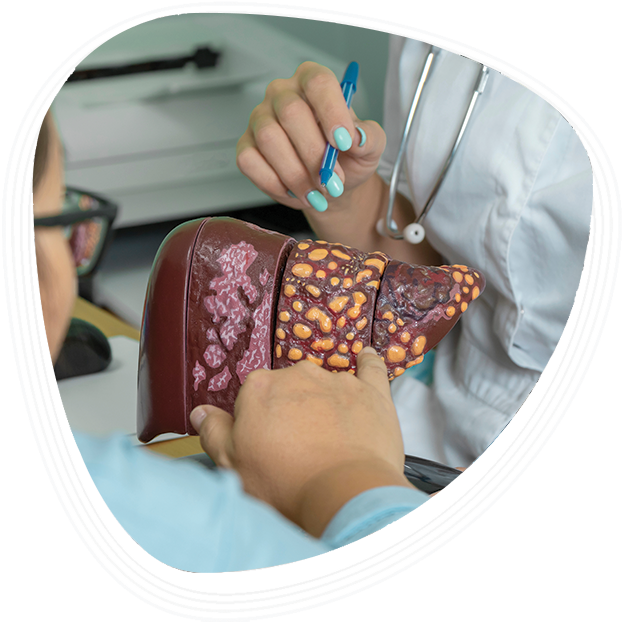
Causes and Risk Factors for Alcoholic Liver Disease
Alcohol is the main cause of alcoholic liver disease, but not everyone who drinks heavily develops it. Certain health and lifestyle factors increase the likelihood of liver damage. At Graphic Era Hospital, we help patients understand these risks so that early action can be taken. Main causes and risk factors include:
- Alcohol consumption: The duration, amount, and pattern of drinking directly affect liver health.
- Genetic factors: Inherited traits can make some people more vulnerable.
- Gender and age: Women and older adults are at higher risk.
- Poor nutrition: Lack of proteins, vitamins, and minerals weakens the liver.
- Obesity and metabolic conditions: being overweight or having diabetes worsens liver damage.
- Viral hepatitis (Hepatitis B or C): Coexisting infection accelerates ALD progression.
- Other health conditions: High blood pressure and cardiovascular disease add to the risk.
Complications of Alcoholic Liver Disease
When alcoholic liver disease is not treated in time, it can lead to serious and sometimes life-threatening complications. At Graphic Era Hospital, we provide advanced care to manage these risks and prevent further liver damage. Possible complications include:
- Ascites: Build-up of fluid in the abdomen causing swelling and discomfort.
- Portal Hypertension: High blood pressure in the veins of the liver, leading to bleeding risks.
- Variceal Bleeding: Enlarged veins in the food pipe or stomach may rupture and bleed.
- Hepatic Encephalopathy: Toxins build up in the blood, causing confusion, forgetfulness, or even coma.
- Liver Cancer (Hepatocellular Carcinoma): Long-term damage increases cancer risk.
- Kidney Dysfunction and Cardiovascular Issues: Advanced disease can affect other organs.
- Weakened Immune System: Higher risk of infections.
Top Treatments for Alcoholic Liver Disease at Graphic Era Hospital
Treatment for peptic ulcers depends on the type, cause, and severity of the ulcer. At Graphic Era Hospital, we offer:
- Alcohol abstinence programmes
- Nutritional therapy
- Medications
- Management of complications
Top Procedures
- Intensive Supportive Care (ICU monitoring, fluid management, blood sugar control)
- Medical management for the liver injury and rejuvenation
- Plasmapheresis (Therapeutic plasma Exchange Therapy)
- Continuous renal replacement therapy (CRRT), cytotherapy and Oxiris therapy.
Blog






Frequently Asked Questions
What complications can result from Alcoholic Liver Disease (ALD)?
ALD can lead to serious complications such as ascites, portal hypertension, variceal bleeding, hepatic encephalopathy, cirrhosis, and liver cancer.
Can Alcoholic Liver Disease be reversed?
Yes. Early stages such as alcoholic fatty liver disease can be reversed if alcohol is stopped completely and proper nutrition is followed. Advanced stages like cirrhosis are not reversible but can be managed with treatment.
How much alcohol causes Alcoholic Liver Disease?
The risk depends on the amount, duration, and pattern of drinking. Regular heavy drinking, even for a few years, can cause liver damage. Some people may develop ALD sooner due to genetic or health factors.
Can moderate drinkers develop Alcoholic Liver Disease?
Yes. Even moderate drinking over long periods can damage the liver, especially in people with risk factors such as hepatitis B or C, obesity, or poor nutrition.
What is the best treatment for Alcoholic Liver Disease in Dehradun?
At Graphic Era Hospital in Dehradun, the best treatment depends on the stage of ALD. Options include alcohol abstinence programmes, medicines, nutritional therapy, management of complications, and liver transplantation.
Is liver damage from alcohol permanent?
Not always. Fatty liver and mild alcoholic hepatitis can improve with treatment, but fibrosis and cirrhosis often cause permanent damage.
What is the role of nutrition in ALD management?
Nutrition plays a key role in recovery. High-protein, vitamin-rich diets help the liver heal, while supplements replace nutrients lost due to alcohol.
Where can I find advanced alcoholic liver disease treatment near me in Dehradun?
Graphic Era Hospital offers specialised care for alcoholic liver disease near you in Dehradun, with experienced liver specialists, advanced diagnostic tools, and both medical and surgical treatment options.
 Emergency 24×7 : 1800 889 7351