Mastectomy surgery, typically performed as a part of breast cancer treatment, involves the surgical removal of one or both breasts to eliminate cancerous tissue or reduce the risk of breast cancer. At Graphic Era Hospital, the Department of Surgical Oncology offers various types of mastectomy, ranging from total to nipple-sparing procedures, tailored to individual needs. We combine clinical precision, advanced techniques, and post-surgical reconstruction options to ensure the best possible outcomes for patients undergoing breast removal surgery.

When is a mastectomy recommended?
A mastectomy is advised when breast-conserving surgery is not a suitable option or in cases of high-risk cancer. Here are some conditions and scenarios that may require a mastectomy:
- Invasive breast cancer that affects a large portion of the breast
- Ductal carcinoma in situ (DCIS) with extensive involvement
- Presence of BRCA1 or BRCA2 gene mutations
- Paget’s disease of the breast
- Recurrent breast cancer after radiation
- Male breast cancer requiring breast tissue removal
- Preventive (prophylactic) mastectomy in high-risk individuals
- Multifocal or multicentric tumours
- Unsatisfactory results from previous lumpectomy
Schedule Your Appointment with
Our Expert Doctors
We are dedicated to driving lasting, positive transformation in healthcare management through innovation and patient-centered solutions.
Things to Know Before Undergoing Mastectomy
Before undergoing mastectomy surgery, patients should be aware of the following considerations:
- The type and extent of surgery depends on cancer stage and spread
- Breast reconstruction can be done immediately or in a delayed manner
- Mastectomy is often followed by chemotherapy or radiation therapy
- There may be a temporary or permanent loss of sensation in the chest area
- Physical recovery may take several weeks
- Emotional adjustment and support play a vital role post-surgery
- Drains may be placed temporarily to prevent fluid build-up
- Scar formation is common but can be minimised with reconstructive surgery
Types of Mastectomy Procedures at Graphic Era Hospital
Our surgical oncology team offers a range of mastectomy procedures based on each patient’s diagnosis, risk profile, and cosmetic preferences:
- Simple/Total Mastectomy: Removal of the entire breast without lymph node dissection.
- Modified Radical Mastectomy: Removal of the breast along with axillary lymph nodes.
- Radical Mastectomy: Includes removal of the breast, lymph nodes, and chest wall muscles; now rarely used.
- Skin-Sparing Mastectomy: Removes breast tissue while preserving most of the skin for easier reconstruction.
- Nipple-Sparing Mastectomy: Preserves the nipple-areola complex, offering better cosmetic outcomes.
- Double/Bilateral Mastectomy: Removal of both breasts, often performed in high-risk patients.
- Prophylactic (Preventive) Mastectomy: Done to prevent breast cancer in patients with genetic mutations or strong family history.
Why Choose Graphic Era Hospital for Mastectomy Surgery?
Our breast cancer care focuses not just on removing cancer but also on helping patients recover physically and emotionally. Here’s what makes mastectomy treatment at Graphic Era Hospital truly comprehensive:

Expert Surgical Oncologists with Personalised Treatment Plans: Our team of expert surgical oncologists is experienced in performing a wide range of mastectomy procedures, including both standard surgeries and advanced reconstructive techniques. Every patient receives an individualised treatment plan designed to ensure safe surgery, minimal complications, and the best possible outcome.

Advanced Technology and Reconstructive Expertise for Better Healing: We use the latest diagnostic imaging and surgical techniques to accurately remove cancer while protecting surrounding healthy tissue. Our advanced options for breast reconstruction, such as implant-based or tissue-based methods, help restore the breast’s appearance, making recovery smoother and more comfortable.

Compassionate, Patient-Focused Support Every Step of the Way: At Graphic Era Hospital, we understand that undergoing a mastectomy can be emotionally challenging. That’s why we offer complete support—from initial diagnosis and decision-making to post-surgery recovery. Our care team provides emotional counselling, body image guidance, and regular follow-ups to ensure patients feel confident and supported at every stage.
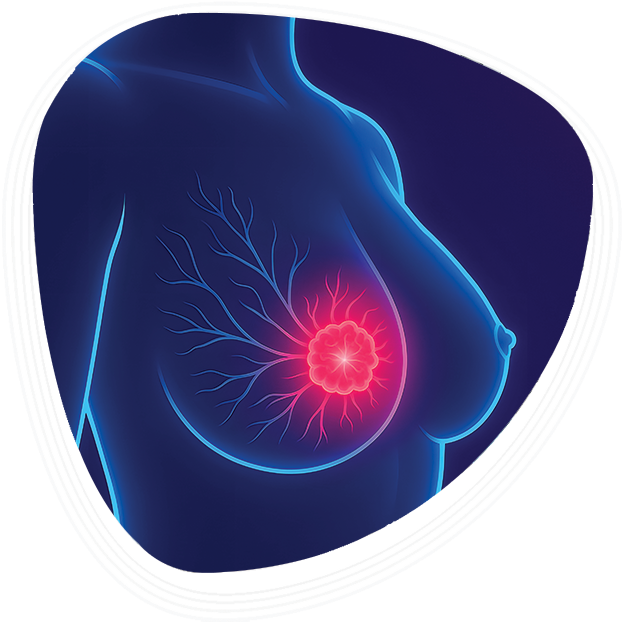
Mastectomy and Breast Cancer Treatments at Graphic Era Hospital
Graphic Era Hospital provides a full spectrum of surgical and non-surgical treatments for breast cancer, tailored to individual cases:
- Breast-Conserving Surgery (Lumpectomy): Tumour removal while retaining healthy breast tissue.
- Mastectomy with Reconstruction: Simultaneous or delayed breast reconstruction using implants or tissue flaps.
- Axillary Lymph Node Dissection: To assess and remove cancerous lymph nodes.
- Oncoplastic Surgery: Combines cancer removal with cosmetic reshaping.
- Adjuvant Therapy Coordination: Integration with medical oncology and radiotherapy for complete care.
- Male Mastectomy: Specialised breast removal surgery for male breast cancer patients.
Top Mastectomy Procedures at Graphic Era Hospital
- Total/Simple Mastectomy
- Modified Radical Mastectomy
- Skin-Sparing and Nipple-Sparing Mastectomy
- Preventive/Prophylactic Mastectomy
- Lumpectomy (Breast-Conserving Surgery)
- Breast Reconstruction Surgery
Patient Stories





Blog




Frequently Asked Questions (FAQs)
What is the difference between mastectomy and lumpectomy?
A lumpectomy removes only the tumour and some surrounding tissue, preserving most of the breast. A mastectomy involves removal of the entire breast and is usually recommended for more extensive cancer.
Is male mastectomy the same as female mastectomy?
While the goal is the same, removal of breast tissue, male mastectomy typically involves less tissue and no reconstruction, but it requires the same oncologic precision.
What are the risks and complications of mastectomy surgery?
Risks include infection, bleeding, fluid accumulation (seroma), numbness, shoulder stiffness, and rarely, chronic pain. These are managed with careful post-operative care.
How long does it take to recover after a mastectomy?
Initial recovery takes about 4 to 6 weeks. Return to normal activities varies based on reconstruction, additional treatments, and individual healing.
Can I have breast reconstruction after mastectomy?
Yes, reconstruction can be done immediately during mastectomy or later. Options include implant-based or autologous tissue reconstruction.
What is a prophylactic mastectomy, and who should consider it?
A prophylactic mastectomy is performed to prevent breast cancer in high-risk individuals, such as those with BRCA1/BRCA2 gene mutations or strong family history.
How is a skin-sparing or nipple-sparing mastectomy different?
These procedures preserve more of the breast’s skin or nipple area, allowing for better cosmetic reconstruction while still removing all cancerous tissue.
Are both breasts always removed during mastectomy?
Not always. Some patients need only one breast removed (unilateral mastectomy). Others, especially with genetic risks, may choose a double or bilateral mastectomy.
What is life like after mastectomy?
Life after mastectomy involves both physical and emotional recovery. With the right support, reconstruction options, and follow-up care, many patients return to their daily lives and regain confidence.
How is a mastectomy procedure performed?
The mastectomy procedure is done under general anaesthesia. The surgeon removes the breast tissue and, if needed, lymph nodes. The incision site is closed, and drains may be placed temporarily.
 Emergency 24×7 : 1800 889 7351