Sinusitis, or a sinus infection, can cause persistent facial pressure, nasal congestion, headaches, and breathing discomfort that can disrupt day-to-day activities. At Graphic Era Hospital, we provide comprehensive evaluation and treatment for both acute and chronic sinusitis, focusing on relieving symptoms, clearing infection, and restoring healthy sinus drainage. Our expert ENT specialists use advanced diagnostic tools and evidence based therapies to deliver safe, personalised, and effective care for long term sinus health.
Understanding Sinusitis and When to Seek Medical Care
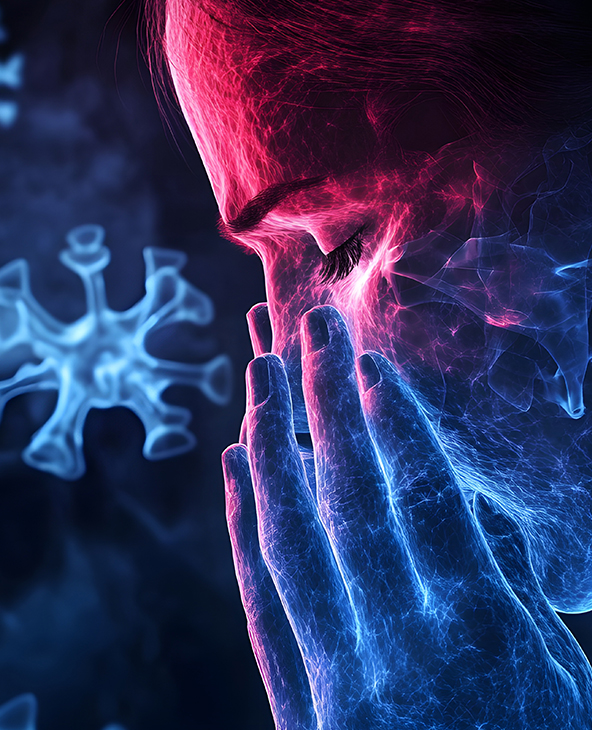
Sinusitis occurs when the air-filled spaces around the nose (sinuses) become inflamed or blocked due to infections, allergies, deviated nasal septum, or growths such as nasal polyps. This inflammation traps mucus inside the sinuses, leading to facial pressure, congestion, and discomfort. Sinusitis may be short term (acute) or long lasting (chronic), and symptoms often worsen when infections or allergies flare up. Early evaluation is important because untreated sinus problems can lead to persistent headaches, recurrent infections, or breathing difficulty. Common signs that indicate the need for medical care include:
- Nasal congestion or blocked nose lasting more than 7–10 days
- Thick yellow or green nasal discharge
- Facial pain, pressure, or heaviness around the eyes, cheeks, or forehead
- Sinus headaches or pain that worsens when bending forward
- Reduced or lost sense of smell
- Postnasal drip leading to cough or throat irritation
- Bad breath along with nasal symptoms
- Persistent sinus infections occurring multiple times a year
- Symptoms of chronic sinusitis such as continuous congestion or facial discomfort
- Breathing difficulty or sinus symptoms linked to nasal polyps or allergies
How is Sinusitis Diagnosed at Graphic Era Hospital?
Accurate diagnosis helps determine whether sinusitis is caused by infection, allergies, nasal polyps, or structural blockage, ensuring that treatment is appropriate and effective. Our ENT specialists use a combination of clinical examination and advanced imaging to assess sinus inflammation, drainage pathways, and underlying causes. The diagnostic process typically includes:
- Clinical examination: The ENT specialist evaluates nasal passages, sinus tenderness, congestion, and breathing patterns.
- Nasal endoscopy: A thin, flexible scope is used to view the nasal cavity and detect swelling, polyps, or drainage issues.
- Sinus CT scan: Provides detailed images of the sinuses to identify inflammation, obstruction, anatomical variations, or chronic disease.
- Allergy Evaluation: Helps identify allergic triggers that may be contributing to recurrent sinus symptoms.
- Culture or Mucus Testing: Used in persistent cases to identify bacteria or fungi requiring targeted treatment.
- Assessment of Nasal Polyps: Determines size, location, and impact on sinus drainage.
- Evaluation for Chronic Sinusitis: Individuals with long standing symptoms are assessed for structural problems, immune issues, or repeated infections.
Sinusitis Treatment Options at Graphic Era Hospital
Sinusitis treatment aims to reduce inflammation, clear infection, improve sinus drainage, and prevent recurrence. The treatment plan depends on whether symptoms are acute, chronic, allergy related, or linked to structural issues such as a deviated septum or nasal polyps. At Graphic Era Hospital, ENT specialists create personalised treatment plans using medical therapy, supportive care, and advanced procedures when needed. Treated options available at Graphic Era Hospital include:
- Medication: Antibiotics (when bacterial infection is confirmed), anti-inflammatory medicines, and decongestants help reduce swelling, ease discomfort, and support sinus drainage.
- Nasal Corticosteroid Sprays: These sprays reduce inflammation inside the nasal passages, improving airflow and relieving congestion, especially in chronic sinusitis or nasal polyp cases.
- Saline Irrigation: Regular saline rinses help clear mucus, reduce dryness, and improve sinus drainage, providing relief in both acute and chronic sinusitis.
- Antihistamines and Allergy Management: Individuals with allergy triggered sinusitis benefit from antihistamines, allergy avoidance strategies, and ongoing allergy care to prevent flare ups.
- Treatment for Nasal Polyps: Polyp management may include medicated nasal sprays, oral steroids, or specialist procedures when polyps significantly block sinus pathways.
- Endoscopic Sinus Surgery (when required): Minimally invasive surgery may be recommended for chronic sinusitis, structural blockages, or persistent nasal polyps unresponsive to medicines.
- Management of Chronic Sinusitis: Long term plans include nasal sprays, irrigations, lifestyle modifications, and follow up care to prevent frequent infections.
- Supportive Care: Steam inhalation, hydration advice, and symptom-directed therapies help reduce discomfort and aid recovery.
Why Choose Graphic Era Hospital for Sinusitis Treatment?
At Graphic Era Hospital, our ENT specialists focus on identifying the exact cause of sinus inflammation, whether infection, allergies, structural issues, or nasal polyps, and provide treatment that supports long term sinus health. With advanced diagnostics, evidence based therapies, and personalised care, we ensure that every individual receives safe, effective, and compassionate treatment. Here’s why individuals across Uttarakhand trust us for sinusitis care:

Expert ENT Specialists: Our experienced ENT surgeons and clinicians manage all types of sinusitis, including acute and chronic cases, allergy related symptoms, and conditions involving nasal polyps or structural obstruction. They conduct thorough evaluations to understand sinus drainage patterns, airway health, and contributing triggers, enabling them to recommend treatments that restore comfortable breathing and prevent recurrent infections.

Advanced Diagnostic and Treatment Technology: At Graphic Era Hospital, we use nasal endoscopy, high resolution CT scans, allergy testing, and minimally invasive surgical techniques to diagnose sinus problems accurately and improve treatment outcomes. Our state-of-the-art facilities support procedures such as endoscopic sinus surgery, polyp removal, and targeted medical therapy for chronic cases.

Trusted, Ethical, and Safe Care: As India’s first medical college hospital accredited under the 6th Edition of NABH standards, we uphold the highest levels of safety, cleanliness, and ethical medical practice. Our team provides clear guidance through diagnosis, treatment, and follow up care, ensuring that every individual feels supported throughout their recovery journey.

Preventing Sinusitis and Supporting Long Term Sinus Health
Preventing high cholesterol focuses on adopting habits that protect heart health and reduce the risk of future cardiovascular problems. Consistent lifestyle choices and timely monitoring play an important role in maintaining healthy cholesterol levels over time. Here are some effective measures that support long term heart health:
Practising Good Nasal Hygiene
Regular saline rinsing keeps the nasal passages moist, reduces mucus buildup, and helps clear allergens or irritants that can trigger sinus inflammation.
Managing Allergies Effectively
Individuals with allergy related sinusitis benefit from avoiding triggers such as dust, pollen, and pet dander. Following antihistamine treatment, maintaining clean indoor spaces, and using air purifiers can help prevent flare ups.
Protecting Against Infections
Frequent handwashing, avoiding close contact with respiratory infections, staying hydrated, and maintaining general immunity help reduce the risk of viral illnesses that commonly lead to sinusitis.
Supporting Healthy Airflow
Avoiding smoke exposure, reducing irritants in the environment, and using humidifiers during dry weather help protect nasal tissues and support easier breathing.
Addressing Structural Issues
Individuals with a deviated septum, enlarged turbinates, or nasal polyps should follow medical advice and consider corrective procedures when recommended to prevent chronic or recurrent sinus infections.
Top Sinusitis Treatments Available at Graphic Era Hospital
- Medication therapy for acute and chronic sinusitis
- Nasal corticosteroid sprays and antihistamines
- Saline irrigation and nasal hygiene support
- Treatment for nasal polyps
- Endoscopic sinus surgery (ESS)
- Allergy management and long term sinus care
Blog


Strep Throat Treatment: Home Remedies and Effective Medical Care





Frequently Asked Questions
What causes sinusitis?
Sinusitis commonly develops due to viral or bacterial infections, allergies, nasal polyps, a deviated septum, or irritant exposure. These factors block normal sinus drainage, leading to inflammation and discomfort.
What are the symptoms of a sinus infection?
Symptoms may include nasal congestion, yellow or green discharge, facial pressure or pain, headache, reduced sense of smell, postnasal drip, and cough. Chronic sinusitis may cause persistent congestion and discomfort lasting over 12 weeks.
When should I seek sinusitis treatment?
You should seek care if symptoms persist for more than 7–10 days, worsen over time, or occur repeatedly. Severe headache, fever, swelling around the eyes, or breathing difficulty also require prompt evaluation.
How is sinusitis diagnosed?
Diagnosis may include nasal examination, nasal endoscopy, sinus CT scans, allergy assessment, and mucus culture testing in chronic or persistent cases.
Is sinusitis the same as a sinus infection?
Yes. Sinusitis refers to inflammation of the sinuses, and a sinus infection is one of the most common causes. Both terms are often used interchangeably.
Can sinusitis be cured permanently?
Acute sinusitis usually resolves with treatment, while chronic sinusitis may require ongoing management, nasal sprays, allergy control, or surgery to address underlying structural issues.
What is the role of nasal polyps in sinusitis?
Nasal polyps can block sinus drainage pathways, leading to persistent congestion, recurrent infections, and reduced sense of smell. Treatment may include medication or minimally invasive removal.
Are antibiotics always needed for sinus infections?
No. Most sinus infections are viral and improve without antibiotics. Antibiotics are used only when a bacterial infection is confirmed or strongly suspected by the doctor.
Can allergies cause sinusitis?
Yes. Allergies can inflame the nasal passages and block sinus drainage, resulting in recurrent or chronic sinusitis. Effective allergy management helps reduce flare ups.
What home measures help relieve sinus symptoms?
Saline rinsing, steam inhalation, hydration, warm compresses, and avoiding irritants may help ease discomfort. However, persistent or recurring symptoms require medical evaluation.
Who should I consult for sinusitis treatment in Dehradun, Uttarakhand?
You should consult an ENT specialist (Ear, Nose, and Throat doctor) for sinusitis, as they are trained to diagnose and treat sinus infections, nasal polyps, structural issues, and chronic sinus problems. At Graphic Era Hospital, ENT specialists provide comprehensive evaluation, medical therapy, and advanced procedures for both acute and chronic sinusitis.
Where can I find reliable sinusitis treatment near me in Dehradun, Uttarakhand?
Graphic Era Hospital provides specialised sinusitis care with advanced diagnostics, medical therapy, nasal polyp treatment, and endoscopic sinus surgery when required.
 Emergency 24×7 : 1800 889 7351