Kidney stones, also known as renal stones or nephrolithiasis, can cause intense pain, urinary difficulty, and repeated infections if ignored. At Graphic Era Hospital, Dehradun, our urology team specialises in the diagnosis and management of all types of kidney stones, ranging from small stones that pass naturally to complex stones requiring advanced treatment. Using high-resolution imaging, minimally invasive procedures, and personalised medical care, we focus on quick pain relief, safe stone removal, and long-term prevention. Our aim is to protect kidney function and help every patient return to their daily life as seamlessly as possible.
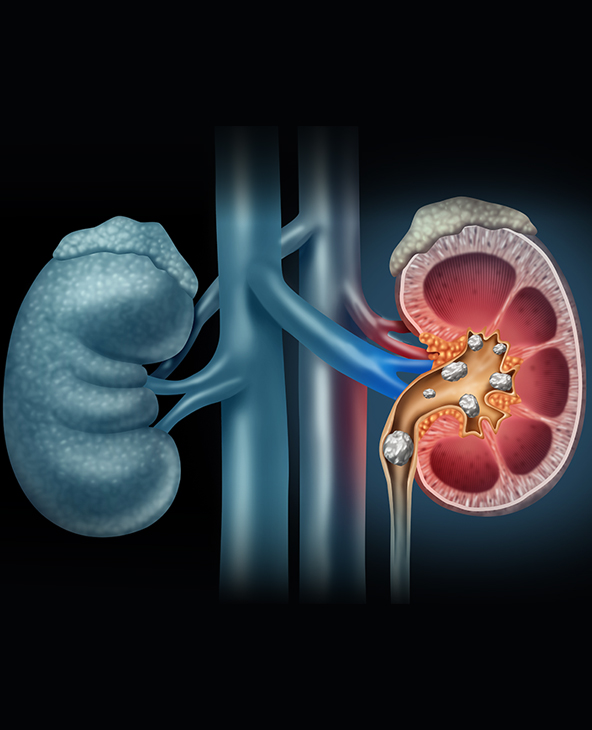
What are Kidney Stones and Their Types?
Kidney stones are hard, crystal-like deposits that develop when minerals, salts, and waste products in the urine become highly concentrated and begin to stick together. Over time, these deposits grow in size and may remain inside the kidney or travel through the urinary tract, sometimes causing severe pain, blockage, or infection. Kidney stones differ in size and composition, which is why symptoms and treatment options can vary from person to person. Here are the main types of kidney stones:
- Calcium oxalate: The most common type, formed when calcium combines with oxalate in highly concentrated urine.
- Uric acid: Occurs when urine is too acidic, often in people with dehydration, gout, or high-protein diets.
- Struvite: Forms in response to urinary tract infections and can grow quickly, sometimes becoming quite large.
- Cystine: A rare type caused by a hereditary condition that leads to excess cystine leaking into the urine.
Symptoms of Kidney Stone
Kidney stones can cause sudden or intermittent symptoms depending on their size and whether they block the flow of urine. Recognising these signs early helps prevent complications and ensures timely treatment. Common kidney stone symptoms include:
- Severe pain in the back, side, or lower abdomen, often described as sharp or cramping
- Pain that comes in waves, with intensity that fluctuates
- Burning sensation during urination, especially when the stone moves downward
- Blood in the urine, which may appear pink, red, or brown
- Frequent urge to urinate, even when only small amounts pass
- Nausea or vomiting, often triggered by severe pain
- Cloudy or foul-smelling urine, which may indicate infection
- Fever or chills, a sign of a urinary tract infection that needs urgent care
Read More: Kidney Stones: Causes, Symptoms, and When to Consult a Doctor
Factors That Raise the Chances of Kidney Stones
Kidney stones can develop when certain health conditions, dietary habits, or lifestyle factors change the balance of minerals in the urine. Knowing these risk factors helps with early prevention and timely medical care. Common kidney stone risk factors include:
- Dehydration: Not drinking enough water increases the concentration of minerals in the urine, making stone formation more likely.
- High salt or protein intake: Diets rich in sodium or animal protein can alter urine chemistry and promote stone formation.
- Family or personal history: People who have had kidney stones before, or have relatives with stone disease, face a higher risk.
- Obesity: Excess body weight affects mineral balance and increases the likelihood of stones.
- Digestive disorders or surgeries: Conditions such as inflammatory bowel disease or procedures affecting nutrient absorption can contribute to stone formation.
- Certain medical conditions:Diabetes, gout, urinary infections, and hyperparathyroidism can increase stone risk.
- Medications: Some medicines, such as diuretics or calcium-based antacids, may cause minerals to build up in the urine.
Kidney Stones Diagnosis
Accurate kidney stone diagnosis is essential to determine the size, location, and type of stone, as well as the best treatment approach. At Graphic Era Hospital, our urologists use a combination of clinical evaluation and advanced imaging tests to assess kidney stones and identify any related complications. Common diagnostic methods include:
- Physical examination: The urologist checks for areas of tenderness, pain patterns, and signs of urinary blockage.
- Urine tests: These help detect blood, infection, mineral levels, and substances that promote stone formation.
- Blood tests: Used to measure kidney function and identify high levels of minerals such as calcium or uric acid.
- Ultrasound: A safe and commonly used imaging test to detect stones in the kidney or urinary tract.
- CT scan: A highly detailed scan that locates stones of any size and confirms their exact position, making it the preferred diagnostic test.
Kidney Stones Treatment at Graphic Era Hospital, Dehradun
The treatment depends on the size, location, and symptoms caused by the stone. At Graphic Era Hospital, our experienced urologists create individualised treatment plans to relieve pain, promote stone passage, and prevent recurrence. Options range from simple supportive care to advanced minimally invasive procedures.
Small Stones With Minimal Symptoms
- Pain relievers: Medicines help reduce discomfort while the stone passes naturally through the urinary tract.
- Hydration: Drinking plenty of fluids dilutes the urine and encourages the stone to move out of the body.
- Medical therapy: Drugs such as alpha blockers relax the muscles in the ureter, making it easier for the stone to pass.
- Supportive therapy: Dietary adjustments, fluid intake guidance, and temporary lifestyle modifications help prevent worsening symptoms.
Large Stones or Stones Causing Symptoms
- Ureteroscopy: A thin, flexible scope is passed through the urinary tract to locate and remove the stone or break it into smaller fragments.
- Percutaneous Nephrolithotomy (PCNL): A minimally invasive procedure where instruments are inserted through a small incision in the back to remove very large or complex stones.
- Open Pyelolithotomy: An open surgical procedure used to remove large stones from the renal pelvis, typically performed when minimally invasive treatments are not possible or have failed.
- Open Ureterolithotomy: A traditional open surgery used to remove large or deeply lodged ureteric stones that cannot be treated effectively with endoscopic or minimally invasive techniques.
When to See a Doctor?
Kidney stones can sometimes pass on their own, but certain symptoms indicate the need for prompt medical attention. Delaying care may lead to worsening pain, infection, or kidney damage. It is important to consult a doctor, especially a urologist, if you experience any of the following warning signs:
- Severe or persistent pain in the back, side, or lower abdomen that does not improve
- Pain accompanied by nausea or vomiting, making it difficult to stay hydrated
- Blood in the urine, even if pain is mild
- Burning or difficulty while urinating, which may suggest blockage
- Fever or chills, a sign of infection that requires urgent treatment
- Inability to pass urine, which can be dangerous and needs immediate evaluation
- Recurrent kidney stones, especially if they interfere with daily activities or kidney function
Complications of Kidney Stones
Untreated kidney stones can lead to serious health issues, especially if they block the urinary tract or cause infections. Understanding these complications helps emphasise the importance of early diagnosis and timely treatment. Possible complications include:
- Urinary blockage: A stone may obstruct the flow of urine, causing severe pain and swelling in the kidney.
- Kidney infection: Stones increase the risk of bacterial growth, leading to fever, chills, and potentially serious infections.
- Hydronephrosis: When urine backs up due to blockage, the kidney becomes swollen and can lose function over time.
- Recurrent stones: People who develop one stone have a higher chance of forming more stones without proper preventive care.
- Kidney damage: Long-standing obstruction or repeated infections may harm kidney tissue and affect long-term function.
Why Choose Graphic Era Hospital for Cardiac Arrest Treatment?
Choosing the right hospital is important when dealing with kidney stones, especially when symptoms are severe or stones keep recurring. At Graphic Era Hospital, we focus on delivering expert care, advanced treatment options, and patient comfort throughout the entire recovery process. Here is how we support patients with kidney stone disease:

Experienced Urology Specialists: Our team of skilled urologists evaluates the size, type, and location of kidney stones with precision and recommends treatments that best suit each patient’s needs. From managing small stones to performing complex procedures, we ensure safe and effective care.

Advanced Technology and Minimally Invasive Procedures: We use state-of-the-art diagnostic tools and minimally invasive techniques such as shock wave lithotripsy, ureteroscopy, and percutaneous nephrolithotomy. These methods help treat stones with reduced pain, quicker recovery, and fewer complications.

Comprehensive Rehabilitation and Personalised Care: At Graphic Era Hospital, our approach towards kidney stone care includes pain management, dietary guidance, follow-up imaging, and preventive strategies to reduce the risk of future stones. We work closely with patients to support long-term kidney health, ensuring comfort and reassurance throughout the treatment journey.

Kidney Stone Prevention
Preventing kidney stones involves simple lifestyle changes and medical guidance that help reduce the chances of stone formation. Key preventive measures include:
- Staying hydrated: Drinking enough water keeps the urine diluted and reduces the risk of minerals forming crystals.
- Watching salt intake: Limiting sodium helps reduce calcium levels in the urine and lowers the chance of stone formation.
- Balanced diet: Eating more fruits, vegetables, and whole grains while reducing excessive animal protein helps maintain healthy urine chemistry.
- Maintaining a healthy weight: Regular physical activity and weight management support overall kidney health.
- Managing underlying conditions: Treating issues such as gout, diabetes, or urinary infections helps prevent stone recurrence.
- Regular medical follow-up: People with a history of stones benefit from periodic check-ups and urine tests to identify early warning signs.
What are Kidney Stones and Their Types?
Kidney stones are hard, crystal-like deposits that develop when minerals, salts, and waste products in the urine become highly concentrated and begin to stick together. Over time, these deposits grow in size and may remain inside the kidney or travel through the urinary tract, sometimes causing severe pain, blockage, or infection. Kidney stones differ in size and composition, which is why symptoms and treatment options can vary from person to person. Here are the main types of kidney stones:
- Calcium oxalate: The most common type, formed when calcium combines with oxalate in highly concentrated urine.
- Uric acid: Occurs when urine is too acidic, often in people with dehydration, gout, or high-protein diets.
- Struvite: Forms in response to urinary tract infections and can grow quickly, sometimes becoming quite large.
- Cystine: A rare type caused by a hereditary condition that leads to excess cystine leaking into the urine.
Symptoms of Kidney Stone
Kidney stones can cause sudden or intermittent symptoms depending on their size and whether they block the flow of urine. Recognising these signs early helps prevent complications and ensures timely treatment. Common kidney stone symptoms include:
- Severe pain in the back, side, or lower abdomen, often described as sharp or cramping
- Pain that comes in waves, with intensity that fluctuates
- Burning sensation during urination, especially when the stone moves downward
- Blood in the urine, which may appear pink, red, or brown
- Frequent urge to urinate, even when only small amounts pass
- Nausea or vomiting, often triggered by severe pain
- Cloudy or foul-smelling urine, which may indicate infection
- Fever or chills, a sign of a urinary tract infection that needs urgent care
Read More: Kidney Stones: Causes, Symptoms, and When to Consult a Doctor
Top Kidney Stone Treatments at Graphic Era Hospital
- Ureteroscopy
- Percutaneous Nephrolithotomy (PCNL)
- Open Pyelolithotomy
- Open Ureterolithotomy
- Medical Management for Small Stones
- Supportive Therapy for Stone Prevention
Blog


Frequently Asked Questions (FAQs)
Can kidney stones damage my kidneys?
Yes. Untreated stones can block urine flow, cause infections, or lead to swelling of the kidneys. Long-standing blockage may result in kidney damage, which is why timely evaluation is important.
Why is it important to follow up with a kidney stone specialist?
A follow-up helps the urologist check whether the stone has passed, monitor for new stones, and adjust preventive measures. Regular review reduces the chance of complications or recurrence.
How do I manage kidney stones if I also have diabetes or heart disease?
Patients with other health conditions may need tailored treatment plans. Urologists at Graphic Era Hospital coordinate with specialists to ensure safe pain control, hydration guidance, and stone-specific therapy.
My stone has not passed. Do I need surgery?
If a stone is too large, causes severe pain, or blocks urine flow, surgical procedures such as lithotripsy or ureteroscopy may be recommended. The need for surgery depends on the size and location of the stone.
What happens if I keep developing stones?
Recurrent stones often indicate underlying issues such as metabolic imbalances, dehydration, or dietary factors. Long-term prevention includes medical evaluation, urine testing, and personalised dietary guidance.
Who is most likely to get kidney stones?
People with a family history, dehydration, high salt or protein intake, obesity, gout, diabetes, or certain digestive disorders are at higher risk of developing stones.
How long does it take to pass a kidney stone?
Small stones may pass within a few days to a few weeks. Larger stones or those lodged in the ureter may not pass on their own and may require medical treatment.
Can a large kidney stone cause injury?
Yes. Large stones can block urine flow, cause severe pain, or damage the kidney. They also increase the risk of infection, making prompt treatment important.
Can I live a normal life with kidney stones?
Yes, most people live normally with proper treatment, hydration, and preventive care. Long-term lifestyle adjustments significantly reduce the risk of recurrence.
Do kidney stones cause kidney disease?
Repeated stones or untreated blockages may affect kidney function over time. Early diagnosis and treatment help protect long-term kidney health.
When should I see a kidney stones doctor near me?
You should see a kidney stone doctor if you experience severe or persistent pain, blood in the urine, fever, difficulty passing urine, or repeated episodes of kidney stone symptoms. These signs may indicate blockage or infection. At Graphic Era Hospital, early evaluation by a urologist helps prevent complications and ensures the right treatment at the right time.
How do I choose the right urologist for kidney stone surgery near me?
When choosing a urologist for kidney stone surgery, consider their experience in treating different types of stones, their expertise in minimally invasive procedures, and the availability of modern diagnostic facilities. At Graphic Era Hospital, patients receive care from highly skilled and experienced urologists who regularly perform procedures such as lithotripsy, ureteroscopy, and percutaneous stone removal, supported by advanced imaging and a dedicated surgical team.
Is emergency kidney stone removal available near me?
Yes, urgent treatment is available for severe pain, blockage, or infection. Graphic Era Hospital provides round-the-clock emergency care for kidney stone complications.
How much does kidney stone surgery cost near me?
The cost of kidney stone surgery varies based on the type of procedure, the size and location of the stone, the imaging tests required, and the duration of hospital stay. The most accurate estimate can be provided after a urologist evaluates your condition and recommends the appropriate treatment. At Graphic Era Hospital, the care team guides patients through treatment options and associated costs after a detailed assessment.
Are there non-surgical kidney stone treatments available near me?
Yes. At Graphic Era Hospital, small stones may be managed with hydration, medications, and supportive care, depending on size and symptoms.
Can I get a same-day consultation for kidney stone pain near me?
Yes, same-day consultations are available at Graphic Era Hospital for patients experiencing sudden or severe kidney stone pain.
 Emergency 24×7 : 1800 889 7351