
International Epilepsy Day 2026: A Call to End Stigma and Discrimination
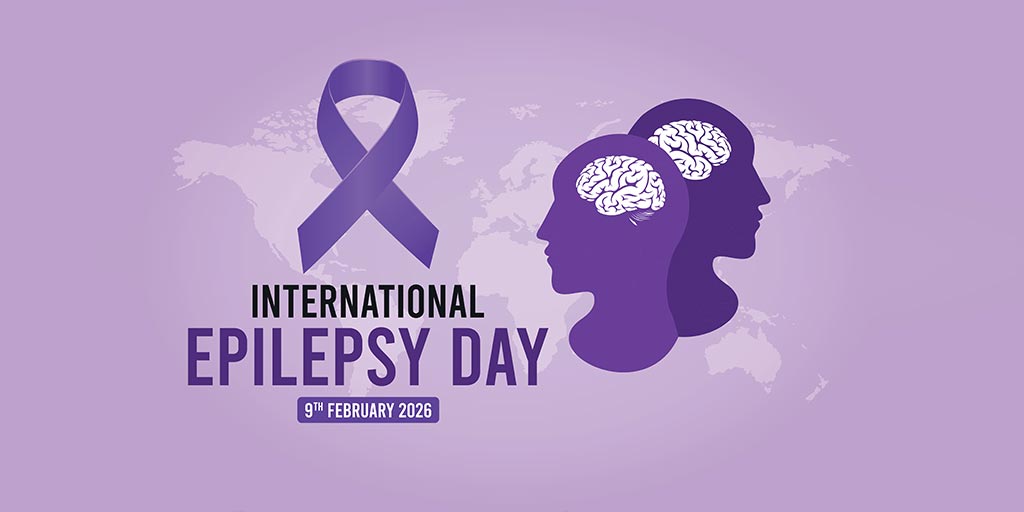
Living with epilepsy is not only about managing seizures. More often than not, it is also about facing stigma and discrimination. Fear, myths, and lack of awareness often lead to judgement, social distance, and unfair treatment at school, work, or within communities. This affects confidence, emotional wellbeing, and everyday life, not just for individuals with epilepsy but also for their families. International Epilepsy Day is dedicated to addressing these challenges by spreading information, encouraging acceptance, and reminding society that epilepsy is a medical condition that should be understood, not stigmatized.
In this article, we’ll discuss all about epilepsy, why it is still misunderstood, what living with epilepsy involves, and how awareness and timely medical care can help create a more supportive and inclusive society. Let’s start by understanding the importance of International Epilepsy Day.
Significance of International Epilepsy Day
International Epilepsy Day was first observed in 2015 as a joint effort by the International Bureau for Epilepsy and the International League Against Epilepsy. Since then, it is observed every year on the second Monday of February, which falls on 9 February in 2026. The importance of this day lies in its power to bring a hidden condition into the light and push for real social change. The day serves as a vital tool for breaking down the deep-rooted stigma that often causes more suffering than the seizures themselves. By encouraging people to wear purple and share their stories, the event fosters a sense of global community and helps individuals feel less alone. Furthermore, the day is crucial for highlighting the “treatment gap,” as it pressures governments to provide better healthcare and more affordable medicine for those in need.
What is Epilepsy?
Epilepsy is a long-term brain condition that causes repeated seizures. These seizures happen because of sudden, uncontrolled bursts of electrical activity in the brain. Normally, brain cells send tiny electrical signals to each other in an orderly way to control how we move and think. During a seizure, these signals misfire or “storm” all at once, which temporarily disrupts how the brain works.
Epilepsy can affect people of any age and is not contagious. With proper diagnosis and medical care, many people with epilepsy are able to manage their seizures and lead active, everyday lives.
Types of Epilepsy
Epilepsy is not a single condition but a group of disorders that cause seizures, and these are classified based on how and where they start in the brain:
1. Focal Epilepsy
This type occurs when the seizure activity starts in just one part or one side of the brain. The person might stay awake and aware, perhaps experiencing a strange smell or a twitching limb. In other cases, they might lose awareness and appear to be in a trance, moving their hands or smacking their lips without knowing it.
2. Generalised Epilepsy
In this category, the electrical bursts happen on both sides of the brain at the same time from the very beginning. Because both sides of the brain are affected, the person almost always loses consciousness. Common examples include absence seizures, where the person stares blankly, and tonic-clonic seizures, which involve the body stiffening and jerking.
3. Combined Focal and Generalised Epilepsy
Some people experience both types of seizures at different times. A person might have a seizure that starts in one small area of the brain but then spreads to involve the entire brain. This makes diagnosis a bit more complex, but it is a common way for the condition to present.
4. Unknown Onset Epilepsy
This term is used when doctors are certain a person has epilepsy but cannot find exactly where the seizures start. This might happen if the person was alone during the event and there is no clear record of how the seizure looked, or if medical tests like brain scans do not show a specific starting point
Epilepsy Symptoms
The symptoms of epilepsy depend entirely on which part of the brain is affected by the electrical burst. Because the brain controls every function of the body, a seizure can look very different from one person to the next. They can include the following:
- Uncontrollable jerking movements: These are often called convulsions and usually affect the arms, legs, or the whole body.
- Loss of consciousness: A person may “black out” or become unresponsive to their environment.
- Staring into space: This is often mistaken for daydreaming, as the person appears to be in a trance for a few seconds.
- Stiffening of the muscles: The body or specific limbs may suddenly become rigid.
- Psychological symptoms: These can include sudden feelings of fear, anxiety, or a strong sense of déjà vu.
- Sensory changes: A person might experience unusual tastes, smells, or a tingling sensation in their limbs.
- Repetitive movements: This includes lip-smacking, rubbing the hands together, or making chewing motions.
- Sudden collapse: Some seizures cause the muscles to go limp, leading to a sudden fall.
Epilepsy Treatment Options
While there is currently no cure for epilepsy, several approaches are used to manage the condition. Treatment options for epilepsy include:
1. Anti-Seizure Medication
This is the most common form of treatment and the first step for most people. These medicines work by changing the levels of chemicals in the brain that control electrical activity. Around 70% of people can successfully control their seizures with the right medication. Some people may need to try different types or take more than one medicine to find what works best for them.
2. Brain Surgery
If medication does not work, surgery might be an option. This is usually only considered when seizures consistently start in a small, specific area of the brain that can be safely removed without affecting vital functions like speech, sight, or movement. Specialist tests are carried out over many months to ensure a person is a suitable candidate for this procedure.
3. Medical Devices and Neurostimulation
For those who cannot have surgery and do not respond to medicine, small electrical devices can be used. One common example is Vagus Nerve Stimulation (VNS), where a device similar to a pacemaker is placed under the skin near the collarbone. It sends regular, mild bursts of electrical energy to the brain via the vagus nerve in the neck to help calm down irregular brain activity.
4. Specialist Dietary Therapies
A specific high-fat, low-carbohydrate diet known as the Ketogenic Diet is sometimes used, particularly for children whose seizures are difficult to control. This diet forces the body to burn fat for energy instead of sugar, which produces chemicals called ketones that can help reduce seizure activity. This is a medical treatment and must only be started under the strict supervision of a doctor and a specialist dietitian.
5. Complementary Approaches and Self-Management
Although not a replacement for medical treatment, lifestyle changes can help reduce the risk of seizures. This includes getting plenty of sleep, reducing stress, and avoiding known triggers such as alcohol or flashing lights. Many people also find that keeping a seizure diary helps them and their doctors track how well a treatment is working.
The goal of any treatment is to stop seizures from happening or to reduce how often they occur so that a person can live a full and active life.
The Impact of Stigma and Unfair Treatment
Stigma surrounding epilepsy often stems from a lack of public knowledge, leading to negative attitudes and actions that can be more damaging than the condition itself. The following highlight how these social barriers create specific challenges and how unfair treatment can limit a person’s opportunities:
Social Isolation and Loneliness
One of the most immediate impacts of stigma is the withdrawal from social circles. Many individuals feel a sense of shame or fear that they might have a seizure in public, which leads them to stay at home rather than meeting friends. This isolation is often made worse when others avoid the person because they do not know how to react to a seizure. Over time, this can lead to deep feelings of loneliness and a lack of confidence in social situations.
Discrimination in Education
In schools and universities, students with epilepsy may face unfair treatment from both peers and staff. There is often a misconception that the condition affects a person’s intelligence or ability to learn. This can result in students being excluded from certain activities, like sports or school trips, even when it is safe for them to participate. Without proper support and understanding from teachers, students may struggle to keep up with their peers, not because of their brain health, but because of the barriers put in their way.
Barriers to Employment
The workplace is another area where unfair treatment is common. Some employers are hesitant to hire people with epilepsy due to incorrect fears about safety or productivity. Individuals might find themselves passed over for promotions or even losing their jobs after a diagnosis is revealed. This discrimination persists despite the fact that many people with epilepsy are perfectly capable of performing their jobs safely and effectively with very minor adjustments.
Psychological and Mental Health Impact
Constantly facing judgment and misunderstanding takes a heavy toll on a person’s mental well-being. The stress of hiding a diagnosis to avoid “unfair treatment” can cause significant anxiety. When society views a medical condition as a reason for exclusion, the individual may begin to believe those negative stereotypes themselves. This can lead to a loss of self-esteem and a feeling that they are a burden to those around them.
Delay in Seeking Medical Care
Stigma can even prevent people from getting the medical help they need. In some communities, the fear of being labelled “unwell” or “different” is so strong that people may hide their symptoms instead of seeing a doctor. This delay in diagnosis can lead to more frequent seizures and a higher risk of injury, as the person is not receiving the right medicine or advice to manage their condition.
How Individuals and Communities Can Help Reduce Stigma
While the challenges of stigma are significant, every person can play a role in making the world more inclusive for those living with epilepsy. Small changes in how we speak and act can help remove the fear and misunderstanding that surround this condition. The following outlines several practical ways that individuals and communities can work together to create a more supportive environment:
- Educate yourself and others: Learn about the different types of seizures and share accurate facts with friends to help dispel common myths.
- Support the #EpilepsyPledge: Make a public commitment to take one small action, such as learning seizure first aid, to show solidarity with the community.
- Use inclusive language: Focus on the person rather than the condition by using phrases like “a person with epilepsy” instead of “an epileptic.”
- Promote workplace awareness: Encourage employers to provide training on how to support staff with medical conditions and ensure fair hiring practices.
- Wear purple for awareness: Participate in global events by wearing the official colour of epilepsy to start conversations and show visual support.
- Listen to personal stories: Give people living with epilepsy a platform to share their experiences, which helps others understand the human side of the condition.
- Speak up against discrimination: Challenge unfair comments or jokes about seizures when you hear them in social settings or online.
Moving Towards a More Inclusive Society
Creating a more inclusive society begins with a shift in perspective from fear to understanding. By making a conscious choice to be an ally, you help build a world where a medical diagnosis no longer limits a person’s potential or social standing. This atmosphere of support is essential because it encourages individuals to step forward and access the professional care they may have previously avoided due to stigma. For those ready to seek medical guidance in a supportive environment, you can book a consultation with a neurologist at Graphic Era Hospital by calling 1800 889 7351.
Frequently Asked Questions
Can a person with epilepsy drive a car?
Most people can drive if their seizures are well-controlled with medication and they have been seizure-free for a specific period required by law. These rules vary by country and region, so it is essential to check local driving authority regulations and discuss the situation with a doctor.
Is it safe for someone with epilepsy to exercise?
Physical activity is generally encouraged as it improves overall health and can reduce stress, which is a known seizure trigger. While high-risk activities like solo swimming or mountain climbing require extra precautions, most sports are safe as long as coaches and teammates are aware of the condition and know how to help if a seizure occurs.
What should be done if a seizure lasts a long time?
While most seizures end naturally within a couple of minutes, a medical emergency occurs if a seizure lasts longer than five minutes or if a second one starts immediately after the first. In these cases, it is vital to call for an ambulance straight away to ensure the person receives professional emergency care.
Can women with epilepsy have a healthy pregnancy?
The vast majority of women with the condition give birth to healthy babies. However, it is important to plan the pregnancy with a neurologist to ensure the medication used is the safest possible for the baby. Regular monitoring throughout the pregnancy helps manage any changes in seizure frequency.
Does everyone with epilepsy react to flashing lights?
Photosensitive epilepsy is actually quite rare and affects only about three per cent of people with the condition. Most individuals are not triggered by strobe lights or video games, but those who are should take precautions like using flicker-free monitors or wearing polarised sunglasses in bright environments.













 Emergency 24×7 : 1800 889 7351