Cataract is a common age-related eye condition that causes blurred vision, glare, and difficulty with everyday activities such as reading or driving. In such cases, cataract surgery is often recommended as a practical and lasting solution. At Graphic Era Hospital, cataract surgery is performed by experienced ophthalmologists using precise surgical techniques and modern ophthalmic surgical systems. From detailed pre-surgery eye evaluation to clear post-operative instructions and scheduled follow-up visits, each step is carefully managed to support safe healing and consistent visual recovery.
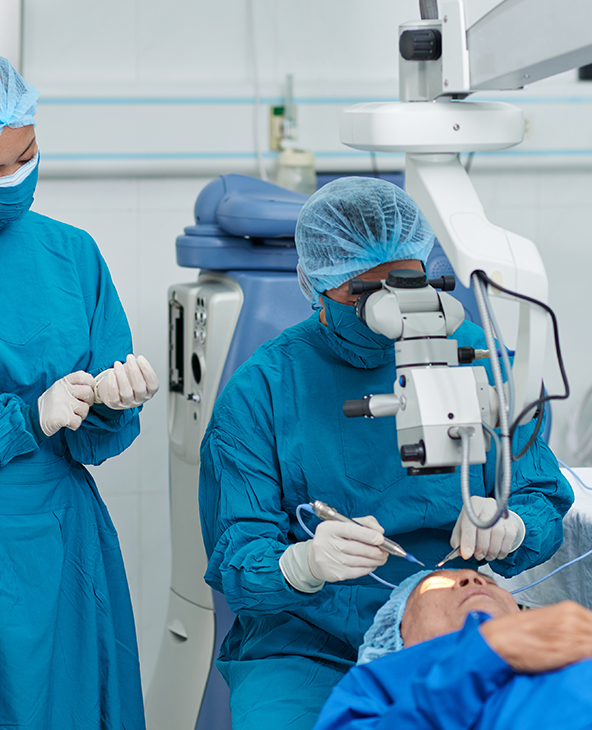
What is Cataract?
Cataract is a condition in which the normally clear lens of the eye becomes cloudy over time. The lens plays an essential role in focusing light onto the retina, allowing clear and sharp vision. When the lens loses its transparency, light cannot pass through properly, leading to blurred or dim vision.
Cataracts usually develop gradually and may affect one or both eyes. As the clouding increases, vision becomes increasingly impaired, making everyday activities more challenging. Cataracts are a common age-related eye condition, though they can also occur earlier in life in certain situations.
Schedule Your Appointment with
Our Expert Doctors
We are dedicated to driving lasting, positive transformation in healthcare management through innovation and patient-centered solutions.
When is Cataract Surgery Recommended?
Cataract surgery is advised when cloudy vision begins to interfere with everyday activities and affects quality of life. In the early stages, symptoms may be managed with updated glasses or improved lighting, but surgery is the only effective treatment once cataracts progress. Cataract surgery may be recommended when:
- Blurred or cloudy vision affects reading, watching television, or recognising faces
- Difficulty with night driving or increased sensitivity to glare from lights
- Reduced visual clarity, even with properly prescribed glasses
- Challenges with daily activities, such as walking safely or performing routine tasks
- Impact on independence or confidence, due to worsening vision
The timing of cataract surgery is guided by how much vision changes affect daily life, rather than by the appearance of the cataract alone.
Types of Cataract Surgery
Cataract surgery can be performed using different techniques and lens options, depending on the patient’s eye condition and visual requirements. Common approaches include:
1. Phacoemulsification (standard cataract surgery)
This is the most widely used technique, where ultrasound energy is used to break up the cloudy lens, which is then removed and replaced with an artificial lens.
2. Laser-assisted cataract surgery
In some cases, laser technology may be used to assist certain steps of the procedure, allowing greater precision in lens removal and placement.
3. Intraocular lens (IOL) options
After removing the cataract, an artificial lens is placed inside the eye. Options may include monofocal lenses for clear distance vision or advanced lenses designed to reduce dependence on glasses.
The surgical approach and lens type are chosen based on eye health, visual expectations, and lifestyle needs.
How Cataract Surgery is Performed
Cataract surgery is a short and highly controlled procedure designed to restore clear vision with minimal discomfort. It is usually performed on a day-care basis and follows a well-defined sequence:
- Pre-procedure preparation: The eye is numbed using local anaesthetic drops, and the area around the eye is cleaned to maintain a sterile environment.
- Accessing the cloudy lens: A very small incision is made in the eye to allow access to the affected lens.
- Removal of the cataract: The cloudy lens is gently broken into small pieces and removed using specialised instruments or ultrasound energy.
- Insertion of the artificial lens: A clear intraocular lens is placed in the same position as the natural lens to restore focus.
- Completion and discharge: The incision usually heals on its own without stitches. Most patients are able to return home shortly after the procedure with post-operative instructions.
Preparation for Cataract Surgery
Preparing for cataract surgery is usually straightforward, but careful planning helps ensure a smooth experience and optimal results. Before the procedure, patients receive clear instructions and support. Preparation typically includes:
- Comprehensive eye examination: Detailed eye measurements are taken to assess the cataract and determine the most suitable artificial lens.
- Medication guidance: Patients are advised to take medicines and eye drops as prescribed before surgery.
- Day-of-surgery instructions: If surgery is planned under local anaesthesia, patients are advised to have a light meal. However, if surgery is planned under general anaesthesia patients are instructed to avoid food and liquids for at least 6 hours before surgery.
- Lifestyle and safety planning: Arrangements are made for transport home after the procedure, as vision may be temporarily blurred.
- Understanding post-surgery care: Patients are briefed on eye drop use, activity precautions, and follow-up visits before the procedure takes place.
Cataract Surgery Risks
Cataract surgery is considered one of the safest and most successful surgical procedures. Serious complications are uncommon, but it is important to be aware of potential risks, which may include:
- Mild discomfort, redness, or dryness, usually temporary after surgery
- Temporary blurred vision, as the eye heals and adjusts to the new lens
- Inflammation or infection, which is rare and usually treatable if detected early
- Raised eye pressure, typically short-term and monitored during follow-up visits
- Need for additional treatment, in uncommon cases where healing is slower
Following post-operative instructions and attending scheduled follow-up appointments play an important role in ensuring a smooth recovery and optimal visual outcomes.
Why Choose Graphic Era Hospital for Cataract Surgery?
Selecting the right hospital for cataract surgery plays an important role in achieving clear vision and a smooth recovery. At Graphic Era Hospital, cataract surgery is delivered through a patient-centred approach that combines skilled eye care, precise techniques, and attentive follow-up.

Experienced Eye Specialists : Cataract procedures are performed by qualified ophthalmologists with extensive experience in managing age-related and complex cataracts. Each patient’s vision needs are carefully evaluated before planning surgery.

Modern Eye Care Facilities : The hospital is equipped with advanced diagnostic tools and surgical systems to support accurate eye measurements and safe cataract removal. Strict safety and hygiene protocols are followed at every step.

Individualised Vision Planning : Lens selection and surgical planning are customised based on eye health, visual requirements, and daily lifestyle needs, helping achieve the best possible visual outcomes.
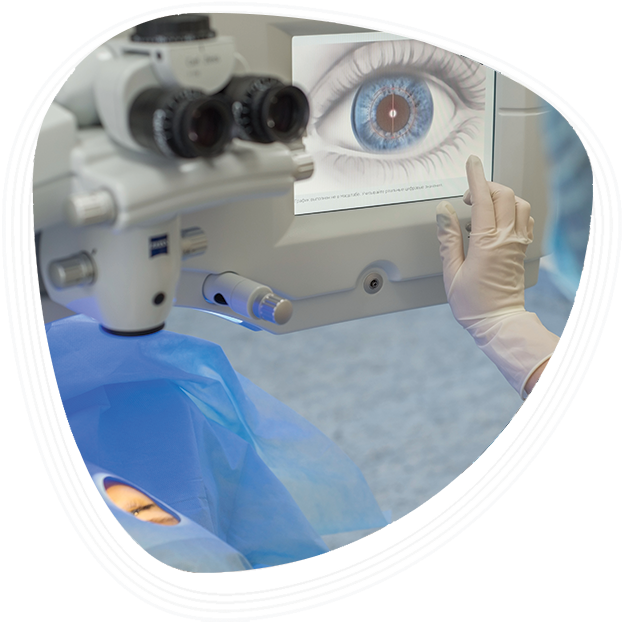
Recovery and Aftercare Following Cataract Surgery
Recovery after cataract surgery is usually quick, with many people noticing improved vision within a few days. Proper aftercare supports healing and helps prevent complications. Recovery guidance generally includes:
- Immediate post-surgery care: Mild irritation or watering of the eye is common and usually settles within a short time.
- Use of prescribed eye drops: Eye drops are used for a few weeks to prevent infection and reduce inflammation.
- Activity precautions: Patients are advised to avoid rubbing the eye, heavy lifting, or strenuous activity during the initial healing period.
- Vision improvement timeline: Vision gradually becomes clearer as the eye heals, with stabilisation over a few weeks.
- Follow-up appointments: Scheduled visits allow the eye specialist to monitor healing and address any concerns promptly.
Cataract Surgery Cost
The cost of cataract surgery depends on individual eye health, the surgical technique used, and the type of lens selected. As cataract treatment is customised, costs may differ between patients. Factors that may influence the cost include:
- Type of intraocular lens (IOL) chosen, such as standard or advanced lenses
- Surgical technique, including standard or laser-assisted procedures
- Pre-operative eye tests and measurements
- Post-surgery medications and follow-up care
- Whether one or both eyes require surgery, planned at different times
Before surgery, patients receive clear information about expected costs, helping them plan treatment with confidence and transparency.
Patient Stories





Blog




Frequently Asked Questions (FAQs)
Is cataract surgery painful?
Cataract surgery is generally not painful. The eye is numbed with local anaesthetic drops, and most patients feel only mild pressure or discomfort during the procedure.
How long does cataract surgery take?
The surgical procedure itself usually takes around 10 to 20 minutes. Including preparation and recovery time, patients typically spend a few hours at the hospital.
Will I be awake during cataract surgery?
Yes. Cataract surgery is usually performed while the patient is awake, but the eye is numbed and patients are kept comfortable and relaxed throughout.
How soon can I see clearly after cataract surgery?
Many patients notice improvement in vision within a few days. However, vision may continue to stabilise and improve over several weeks as the eye heals fully.
Can cataract surgery be done on both eyes at the same time?
Cataract surgery is usually performed on one eye at a time. If both eyes require surgery, the second procedure is planned after the first eye has healed.
Will I still need glasses after cataract surgery?
This depends on the type of intraocular lens used and individual vision needs. Some patients may still require glasses for reading or certain tasks.
How long do artificial lenses last after cataract surgery?
Artificial intraocular lenses are designed to last a lifetime and do not become cloudy like natural lenses.
Are there any restrictions after cataract surgery?
Temporary precautions may include avoiding eye rubbing, heavy lifting, swimming, and dusty environments during the early healing period.
When can I resume normal activities after surgery?
Most daily activities can be resumed within a day or two. Your doctor will advise when it is safe to return to work, exercise, or driving.
What should I do if I experience discomfort or vision changes after surgery?
Mild irritation is common, but sudden pain, worsening vision, redness, or discharge should be reported to the doctor promptly.
Is cataract surgery safe for elderly patients?
Yes. Cataract surgery is commonly performed in older adults and is considered safe when proper pre-surgical evaluation and follow-up care are in place.
Can cataracts come back after surgery?
Cataracts do not return once the natural lens is removed. However, some patients may develop clouding of the lens capsule later, which can be treated easily.
How do I know if cataract surgery is the right option for me now?
The decision is based on how much vision changes are affecting your daily life. An eye specialist can help assess the timing based on your needs and activities.
What happens if I delay cataract surgery?
Delaying surgery may lead to progressively worsening vision, making daily tasks more difficult. In advanced cases, cataracts can also become harder to remove.
What should I look for when choosing a hospital near me for cataract surgery?
Key factors include the expertise of the ophthalmology team, access to advanced eye-care technology, and a structured approach to post-operative care. Clear communication, proper safety protocols, and regular follow-up visits also play an important role in achieving good vision after surgery.
 Emergency 24×7 : 1800 889 7351