A Complete Guide to Blood Clots in the Brain
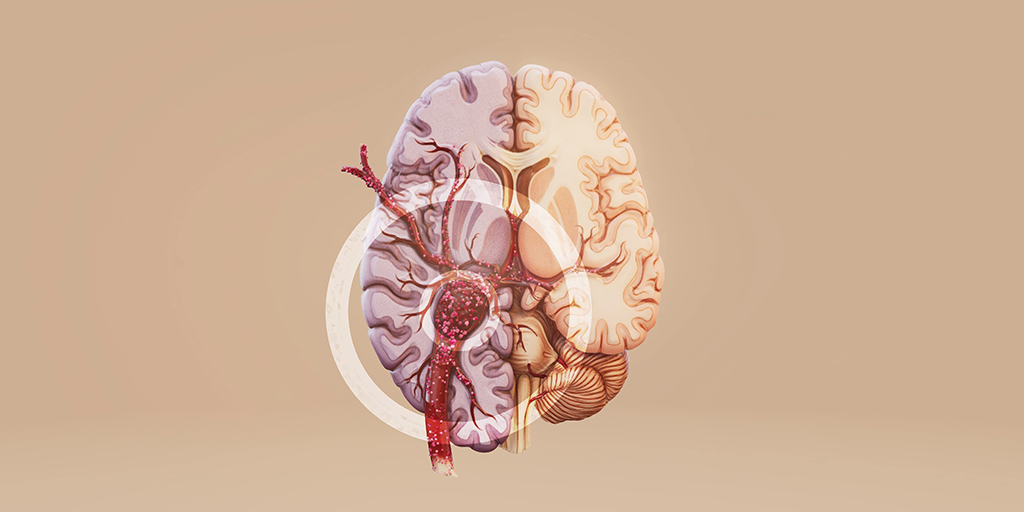
A blood clot in the brain is a serious medical condition that often develops suddenly, and can disrupt the flow of blood, affecting the brain’s functioning. The problematic part is that the symptoms of a blood clot in the brain, such as severe headache or weakness on one side of the body could be confusing or mistaken for less serious problems. Delays in recognising these signs can increase the risk of long-term complications, making awareness essential for saving lives and preventing serious consequences. This guide covers what brain blood clots are, the different types you need to know about, risk factors, symptoms that require immediate action, and treatment options from medication to surgery.
What is a Blood Clot in the Brain?
A blood clot in the brain occurs when blood flow within a vessel supplying the brain becomes blocked or significantly reduced by a clot. This disruption limits the supply of oxygen and nutrients to brain tissue, which can interfere with normal brain function and lead to damage if not treated in time.
When blood flow is affected, the brain cells in that area begin to struggle to function properly. This can result in symptoms such as weakness, difficulty speaking, vision problems, or severe headaches, depending on the area involved. The seriousness of the condition depends on how much blood flow is reduced and how quickly medical care is provided.
The effects of a blood clot in the brain vary based on the size and location of the clot, as well as how quickly treatment begins. A blood clot in the brain is considered a medical emergency.
Types of Blood Clots in the Brain
Blood clots in the brain aren’t all the same. The location where the clot forms and whether it blocks an artery or a vein determines the type of brain blood clot you’re dealing with:
Ischemic Stroke (Arterial Clots)
The most common type of brain blood clot is an ischemic stroke, which accounts for about 87% of all strokes. This occurs when a clot blocks an artery that carries oxygen-rich blood to the brain. Within minutes of the blockage, brain cells in the affected area begin to die from lack of oxygen.
Cerebral Thrombosis
Cerebral thrombosis happens when a blood clot develops directly inside one of the arteries supplying blood to the brain. This typically occurs in arteries that have been damaged or narrowed by atherosclerosis, a condition where plaque builds up on artery walls over time.
- Underlying medical conditions: Conditions such as heart rhythCerebral Embolism
- A cerebral embolism occurs when a blood clot or other debris forms somewhere else in your body and travels through your bloodstream to your brain, where it becomes lodged in a smaller artery.
-
Cerebral Venous Thrombosis (CVT)
- Unlike the previous types that involve arteries, cerebral venous thrombosis affects the veins that drain blood away from the brain. When a clot blocks these veins, blood backs up and can cause the brain to swell or even bleed. CVT is much rarer than arterial clots, accounting for less than 1% of all strokes, and it tends to affect younger people, particularly women of childbearing age.
-
Transient Ischemic Attack (TIA)
- Sometimes called a “mini-stroke,” a transient ischemic attack occurs when blood flow to part of the brain is temporarily blocked, usually by a small clot that either dissolves on its own or moves along before causing permanent damage.
-
What Causes Blood Clots in the Brain?
- Blood clots in the brain can develop when several factors interfere with normal blood flow or increase the blood’s tendency to clot. In many cases, more than one cause is involved. Common causes and risk factors include:
- m disorders, heart valve problems, high blood pressure, diabetes, and inherited or acquired blood clotting disorders can make clot formation more likely by altering blood flow or clotting balance.
- Infections and inflammation: Severe infections, inflammation of blood vessels, or conditions affecting the immune system can damage the inner lining of blood vessels, creating a surface where clots can form more easily.
- Head injury or trauma: Trauma to the head or brain can injure blood vessels, leading to localised clot formation as part of the body’s response to injury.
- Hormonal changes: Pregnancy, the period after childbirth, and the use of hormonal treatments can increase clotting tendency due to changes in blood composition and circulation.
- Prolonged immobility: Extended bed rest, recovery after major surgery, or long hours of sitting during travel can slow blood flow, especially in the veins, increasing the risk of clots that may affect the brain.
- Dehydration: Low fluid intake or excessive fluid loss can thicken the blood, making it more prone to clotting and reducing smooth circulation.
- Lifestyle-related factors: Smoking damages blood vessels and affects blood flow, obesity places additional strain on circulation, and physical inactivity can slow blood movement, all of which raise clot risk.
- Certain medicines: Some medications that influence blood clotting or hormone levels can increase the likelihood of clot formation, particularly in people with other risk factors.
Symptoms of Blood Clots in the Brain
Symptoms of blood clots in the brain can vary depending on the area of the brain affected and how quickly the clot develops. Some symptoms appear suddenly, while others may build up over time such as:
- Severe or persistent headache: A sudden, intense headache or a headache that worsens over time may signal increased pressure or reduced blood flow in the brain.
- Weakness or numbness: Loss of strength or sensation, especially on one side of the body, can affect the face, arm, or leg.
- Difficulty speaking or understanding speech: Slurred speech, trouble finding words, or confusion may occur when areas responsible for language are affected.
- Vision problems: Blurred vision, double vision, or sudden loss of vision in one or both eyes can be a warning sign.
- Dizziness or loss of balance: Trouble walking, poor coordination, or a sudden feeling of unsteadiness may develop.
- Seizures: In some cases, seizures can occur, even in people with no previous history.
- Altered consciousness: Drowsiness, confusion, or loss of consciousness may indicate a serious blockage affecting brain function.
Any sudden or unusual neurological symptoms require immediate medical attention, as blood clots in the brain are medical emergencies.
How are Blood Clots in the Brain Diagnosed?
Diagnosing a blood clot in the brain requires a careful combination of medical evaluation, imaging studies, and laboratory tests.
Clinical Evaluation
Doctors begin by reviewing the patient’s symptoms and medical history. A neurological examination is performed to check movement, reflexes, coordination, speech, and other brain functions. This helps identify areas that may be affected by a clot.
Imaging Tests
- CT Scan (Computed Tomography): A CT scan provides detailed images of the brain and can quickly detect clots, bleeding, or swelling.
- MRI (Magnetic Resonance Imaging): MRI offers more detailed images of brain tissue and is useful for detecting clots that may not appear on a CT scan.
- CT or MR Angiography: These scans visualise blood vessels in the brain to locate blockages or abnormalities caused by clots.
- Ultrasound (Doppler Studies): In some cases, ultrasound of neck arteries can detect clots or narrowing that may affect blood flow to the brain.
Blood Tests
Blood tests help evaluate clotting ability, detect infections or inflammation, and identify underlying medical conditions that may increase the risk of clot formation.
These diagnostic approaches together allow doctors to confirm the presence of a blood clot, determine its location, and plan appropriate treatment.
Treatment Options for Blood Clots in the Brain
Treatment for blood clots in the brain aims to restore normal blood flow, prevent the clot from growing or recurring, reduce complications, and support recovery.
Medications
Medications are usually the first step in managing brain blood clots.
- Anticoagulants (Blood Thinners): These drugs prevent the clot from enlarging and reduce the risk of new clots forming. They are commonly prescribed for clots in veins or for patients with conditions that increase clotting risk. Careful monitoring is required to avoid excessive bleeding.
- Thrombolytic Therapy (Clot-Dissolving Drugs): In emergency cases, medications may be administered to dissolve the clot rapidly, particularly if given within a short time after symptom onset. This can restore blood flow, reduce brain damage, and improve recovery outcomes.
- Supportive Medications: Additional medicines may be used to manage headache, brain swelling, or seizures caused by the clot. Medications to control blood pressure and heart rhythm may also be prescribed to prevent further complications.
Procedures and Surgery
Some patients may require interventions if medications are insufficient or if the clot is large or causing severe symptoms.
- Mechanical Thrombectomy: This minimally invasive procedure involves threading a catheter to the blocked artery in the brain and physically removing the clot. It is usually performed in emergency situations for large artery blockages.
- Surgery to Reduce Pressure: In cases where the clot has caused significant brain swelling or bleeding, surgery may be needed to relieve pressure, prevent further injury, and protect brain function.
Hospital Monitoring and Supportive Care
Hospitalisation is often necessary for close monitoring of neurological function, blood pressure, and vital signs. Patients may receive intravenous fluids, oxygen support, or other interventions to stabilise their condition. Continuous observation allows doctors to adjust medications and intervene quickly if complications arise.
Recovery and Rehabilitation After a Brain Blood Clot
Recovery after a blood clot in the brain can vary depending on the size and location of the clot, the speed of treatment, and the patient’s overall health. Rehabilitation plays a vital role in regaining lost functions and improving quality of life.
Early Recovery Phase
The first days and weeks after treatment are crucial. During this period, doctors closely monitor neurological function, manage symptoms such as brain swelling or seizures, and ensure vital signs, including blood pressure and heart rhythm, remain stable. Early medical support reduces the risk of complications and promotes healing.
Physical Rehabilitation
Blood clots can affect movement, balance, and coordination. Physiotherapy helps patients regain strength, improve walking and balance, and restore coordination for daily activities. Gradual, guided exercises can significantly enhance mobility and independence.
Occupational Therapy
Occupational therapy focuses on helping patients resume everyday activities. It addresses tasks such as dressing, eating, and personal care. Therapists may suggest adaptive tools or techniques to make daily routines safer and more manageable, helping patients regain confidence and independence.
Speech and Cognitive Therapy
When the clot affects areas responsible for language or thinking, patients may experience difficulties in speaking, understanding, or memory. Speech and cognitive therapy works to restore communication skills, improve swallowing, and support memory, attention, and problem-solving abilities.
Emotional and Psychological Support
Recovering from a brain clot can be mentally and emotionally challenging. Therapy or counselling can help manage anxiety, depression, or stress. Support from family, caregivers, and patient groups also plays an important role in helping patients adjust to lifestyle changes and maintain motivation during recovery.
Long-Term Monitoring
Even after initial recovery, ongoing follow-up is essential to track neurological function, prevent recurrence, and manage underlying conditions that may contribute to clot formation. Regular check-ups with a neurologist ensure any new symptoms are addressed promptly.
Lifestyle Adjustments
Healthy lifestyle choices support recovery and reduce the risk of another clot. Maintaining a balanced diet, staying physically active within medical guidance, staying hydrated, avoiding smoking or excessive alcohol, and managing stress all contribute to better long-term outcomes.
Consult a Neurologist at Graphic Era Hospital
When it comes to brain blood clots, every second counts, and having access to expert neurological care can make all the difference in your outcome and recovery. At Graphic Era Hospital, our team of experienced neurologists provides comprehensive care supported by state-of-the-art diagnostic technology and advanced treatment facilities to handle all types of brain blood clots and stroke emergencies. For non-emergency consultations, risk assessments, preventive care, or follow-up appointments, call us at 1800 889 7351 to schedule a consultation with our neurology specialists and take the first step toward protecting your brain health.
Frequently Asked Questions (FAQs)
Can a blood clot in the brain occur without any obvious symptoms?
Yes, in some cases, small clots may form without causing noticeable symptoms at first. These can be detected only through medical imaging or during evaluation for another condition. Even silent clots can increase the risk of future complications if left untreated.
How quickly can a blood clot in the brain become life-threatening?
The speed at which a clot becomes dangerous depends on its size and location. Some clots can cause severe symptoms within minutes to hours, while others may develop more gradually. Rapid medical attention is always critical.
Is there a link between blood clots in the brain and other organs?
Blood clots in the brain can sometimes originate from other parts of the body, such as the heart or legs. Conditions like deep vein thrombosis or heart rhythm disorders can allow clots to travel to the brain, highlighting the importance of managing overall vascular health.
Can lifestyle changes alone prevent blood clots in the brain?
While healthy lifestyle habits, such as staying active, maintaining hydration, and avoiding smoking, can lower risk, they cannot completely prevent clots in people with underlying medical conditions. Regular medical check-ups and, in some cases, medications are necessary for comprehensive prevention.
Are blood clots in the brain hereditary?
Certain genetic conditions that affect blood clotting can increase the risk of developing clots in the brain. Family history of clotting disorders may warrant closer monitoring and early preventive measures.
Can children or young adults develop blood clots in the brain?
Yes, although less common, children and young adults can develop brain clots. Causes may include infections, injuries, genetic clotting disorders, or certain chronic medical conditions. Early recognition of symptoms is essential in all age groups.
What role does dehydration play in clot formation?
Dehydration can thicken the blood and reduce circulation, making it easier for clots to form. Maintaining proper fluid intake is particularly important for people at higher risk due to medical conditions or prolonged immobility.
How often should someone with a history of a brain clot follow up with a doctor?
Follow-up schedules vary depending on individual risk factors and treatment. Typically, patients are advised to have regular check-ups to monitor neurological health, adjust medications, and assess for recurrence. The doctor may recommend more frequent visits in the first few months after treatment.

















 Emergency 24×7 : 1800 889 7351