
Does Cracking Your Knuckles Cause Arthritis?
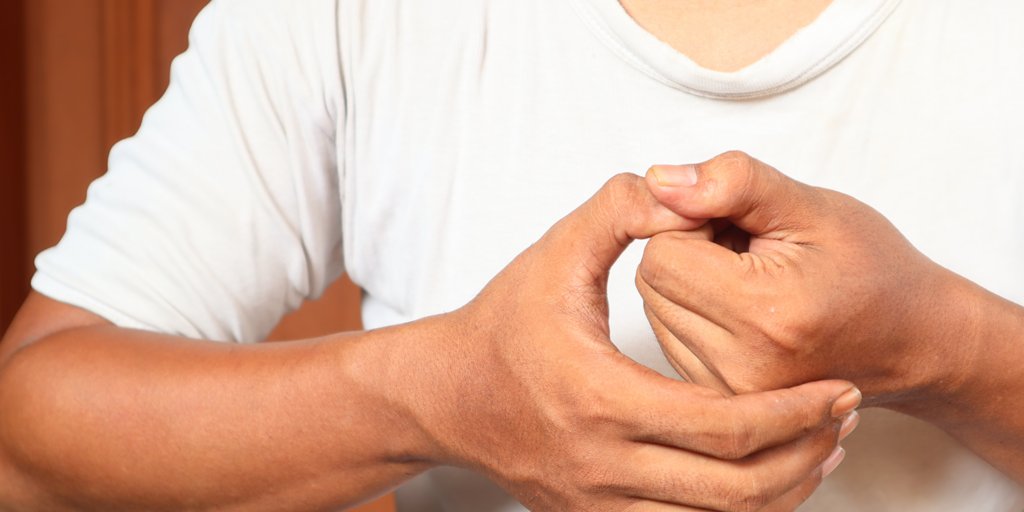
For many, knuckle cracking is a satisfying ritual that relieves tension or simply feels good. If you too have a habit of cracking your knuckles, you’d have probably heard the warning – “stop cracking your knuckles or you’ll get arthritis” – countless times from concerned parents, teachers, or friends. It’s a notion that is passed down through generations, repeated so often that it feels like an established fact. But is it really the truth or just a myth? To help clear the confusion, in this article, we will cover if cracking the knuckles actually leads to arthritis, what are the side-effects of frequent knuckle cracking, and when you should be concerned. Let’s start by understanding the science behind knuckle cracking.
What Happens When You Crack Your Knuckles
A cracking sound in the knuckles often comes from changes inside the joint. Each finger joint contains a small amount of fluid that helps the bones move smoothly. This fluid has dissolved gases such as oxygen and carbon dioxide. When the joint is stretched, the space inside it increases, causing the pressure to drop. The sudden drop in pressure allows the gases to form a bubble, which collapses and produces the familiar popping sound.
The cracking noise is not caused by bones rubbing together. Instead, it is linked to the movement of gases within the joint fluid. After a pop, the gases slowly return to the fluid, which is why the same joint cannot usually be cracked again straight away. This process is considered normal and does not damage the joint structure in healthy individuals.
Does Knuckle Cracking Lead to Arthritis?
Many people believe that frequent knuckle cracking can lead to arthritis, but current medical research does not support this idea. Studies comparing people who crack their knuckles with those who do not have not shown higher rates of arthritis in the group that cracks their joints.
Knuckle cracking may cause temporary discomfort in some individuals, but there is no clear evidence that it harms the joints or triggers arthritis. The habit is generally considered harmless unless it is linked with ongoing pain, swelling, or stiffness.
Arthritis develops for several reasons such as ageing, family history, previous joint injuries, or long-term inflammatory conditions. These factors have a much stronger influence on joint health than the cracking habit itself.
What are the Possible Side Effects of Frequent Knuckle Cracking?
Frequent knuckle cracking is generally harmless, yet several minor effects have been noted in some individuals. These effects do not usually lead to long-term joint problems, but they can explain occasional discomfort or irritation linked to the habit. Possible side effects include:
- Temporary discomfort: A short period of tightness or soreness may occur after a loud or forceful crack. This settles on its own and does not indicate joint damage.
- Mild swelling: Repeated pressure on the same joint can irritate nearby tissues, leading to light swelling. This is usually brief and not associated with structural injury.
- Tenderness around the joint: Continuous cracking throughout the day can cause sensitivity in the soft tissues that support the joint.
- Reduced grip strength in some individuals: A few studies have reported a small reduction in grip strength among people who crack their knuckles frequently. This finding is not consistent across all research and is not considered strong evidence of harm.
- Soft tissue strain: Excessive pulling or twisting during cracking can strain ligaments or the joint capsule. This is uncommon and generally linked to forceful attempts to create a louder pop.
- Skin irritation or redness: Constant pulling on the fingers can sometimes lead to mild redness on the skin around the knuckles, especially if the habit is repeated many times in a short period.
- A feeling of looseness in the fingers: Some individuals report a temporary sense of looseness after cracking. This usually results from momentary changes within the joint and settles on its own.
- Increased frequency of joint noises: Habitual cracking can make joints feel easier to pop. This does not indicate worsening joint health but reflects changes in movement patterns.
Can Frequent Knuckle Cracking Cause Any Other Medical Issues?
Knuckle cracking does not usually lead to serious medical issues, yet a few less common problems have been reported in clinical settings. These concerns are different from minor day-to-day side effects and tend to appear only in individuals who crack their knuckles very frequently or apply excessive force. Other possible medical problems include:
- Soft tissue irritation: Repeated or forceful cracking can irritate structures around the joint, such as ligaments and the joint capsule, leading to short-lasting soreness.
- Worsening of pre-existing joint conditions: Individuals with early joint irritation or mild inflammation may notice increased discomfort after repeated cracking. The cracking itself does not cause the condition, but the repeated movement can aggravate sensitive tissues.
- Excess strain on previously injured joints: A joint that has been injured in the past, such as a sprain or capsule tear, may respond poorly to frequent cracking. The act can stress healing tissues and slow recovery.
- Joint hypermobility becoming more noticeable: People with naturally loose joints may experience an increased tendency for their fingers to pop. This is not caused by cracking but may become more prominent because the habit encourages further stretching.
- Irritation of the joint capsule: Over time, forceful cracking can place extra pressure on the capsule that surrounds the joint. This may occasionally lead to brief inflammation that feels sharper than routine discomfort.
- Triggering of existing tendon issues: In individuals with early tendinitis or overuse problems in the hand, the pulling motion used during cracking can increase tenderness in the affected tendon.
These problems are generally minor and not associated with long-term joint damage.
When Should Someone Be Concerned about Knuckle Cracking?
Knuckle cracking is usually harmless, but certain signs can point to an underlying problem. Concerns that should not be overlooked and demands medical attention include:
- Persistent pain: Ongoing discomfort after cracking or pain that appears without any cracking may indicate irritation inside the joint or surrounding tissues.
- Visible swelling: Swelling around the knuckles is not typical for simple cracking. This may point to inflammation, injury, or fluid build-up within the joint.
- Stiffness that does not settle: Difficulty moving the fingers or a reduced range of motion can signal early arthritis, tendon irritation, or joint capsule problems.
- Warmth or redness: A warm or red joint may be a sign of inflammation or infection and should not be linked to normal knuckle cracking.
- Locking or catching sensations: A joint that locks or catches during movement may have a tendon or ligament issue that needs medical evaluation.
- Pain during simple tasks: Discomfort during activities such as gripping, holding, or writing suggests a problem unrelated to the cracking sound.
- History of joint injury: Previous injury to the hand or fingers can make the joint more sensitive. Cracking may worsen symptoms in these cases.
These signs are not caused by normal knuckle cracking and should be assessed by a healthcare professional.
Why Choose Graphic Era Hospital
Graphic Era Hospital provides specialised care for patients with joint problems, from minor discomfort and stiffness to more serious conditions such as arthritis or tendon issues. The hospital combines precise diagnosis, targeted treatment, and long-term joint support, ensuring comprehensive care for healthy, functional joints.
Precise Diagnosis for Joint Conditions
Accurate identification of joint issues is crucial. Graphic Era Hospital offers diagnostic services such as X-rays, MRI scans, and joint ultrasounds. These tools help detect early signs of arthritis, tendon inflammation, ligament injuries, or cartilage damage, ensuring treatment targets the root cause rather than just the symptoms.
Specialised Orthopaedic and Rheumatology Consultation
The hospital has specialised orthopaedics and rheumatology departments that focus specifically on joint health. Patients receive thorough evaluation of finger, hand, wrist, and other small joint problems. The team can differentiate harmless habits, such as knuckle cracking, from signs of underlying conditions, offering expert guidance on when intervention is necessary.
Targeted Treatment Plans
Treatment at Graphic Era Hospital is tailored to the type and severity of the joint issue:
- Conservative care: Physiotherapy, exercises, and lifestyle adjustments to improve flexibility, reduce discomfort, and prevent progression.
- Minimally invasive procedures: Arthroscopy or injections for cases of tendon irritation, cartilage damage, or persistent inflammation.
- Surgical interventions: For severe joint damage or chronic arthritis, safe and precise surgical options restore function and reduce pain.
Rehabilitation and Preventive Care
Long-term joint health is a key focus. Patients receive structured rehabilitation programs to strengthen muscles, improve range of motion, and prevent future problems. Education on joint protection and safe movement habits helps reduce the risk of recurring pain or injuries.
Patient-Centric Support and Follow-Up
Graphic Era Hospital ensures continuity of care through regular follow-ups and monitoring. Patients receive personalised guidance on managing joint issues, recognising warning signs, and maintaining daily joint function, making recovery smoother and more effective.
Final Note
The myth linking knuckle cracking to arthritis has persisted for decades, but the scientific evidence is clear: cracking your knuckles does not cause arthritis. The habit may have minor drawbacks such as temporary discomfort or reduced grip strength in some cases, but it does not damage joint cartilage or increase your risk of developing arthritis later in life. However, if you experience persistent pain, swelling, stiffness, or warmth in your joints, irrespective of the fact that you crack your knuckles or not, these symptoms should not be ignored. They may indicate an underlying condition that requires professional evaluation and treatment. For assessment of any joint related concerns, consult the expert orthopaedist and rheumatologist at Graphic Era Hospital. Call 1800-889-7351 to book your consultation today.
Frequently Asked Questions (FAQs)
Where did the myth that knuckle cracking causes arthritis come from?
The idea that cracking knuckles leads to arthritis has been around for decades. It likely originated from observations of older adults with arthritis, combined with warnings from parents and teachers. Early studies did not find a direct link between knuckle cracking and arthritis, but the cautionary message persisted and became widely accepted over time.
Can cracking knuckles contribute to carpal tunnel syndrome?
Cracking knuckles does not cause carpal tunnel syndrome. Carpal tunnel develops when the median nerve in the wrist is compressed, often due to repetitive hand movements, swelling, or underlying medical conditions. Knuckle cracking is not linked to this nerve compression.
Does frequent knuckle cracking make fingers look bigger?
No evidence shows that cracking knuckles makes fingers larger. Habitual cracking may create temporary swelling or a feeling of looseness in the joint immediately after the pop, but this does not permanently change finger size.
How can someone reduce or stop the habit of cracking knuckles?
Breaking the habit can take time and awareness. Common strategies include:
- Keeping hands busy with another activity such as squeezing a stress ball.
- Being mindful of the urge and consciously pausing before cracking.
- Stretching or gently massaging the fingers to relieve tension.
- Using reminders or cues to replace the habit with a different movement.
Are there safe ways to relieve finger tension without cracking?
Yes, simple finger stretches, hand exercises, and gentle massage can reduce tension in the joints without creating the popping sound. Regular movement and stretching keep fingers flexible and may decrease the urge to crack knuckles.
Are some people more prone to knuckle popping than others?
Yes. Individuals with naturally looser joints or more flexible ligaments may notice more frequent popping or cracking. This is a normal variation and does not indicate damage or a higher risk of arthritis.















 Emergency 24×7 : 1800 889 7351