
Preventing UTIs: Expert Tips for Better Urinary Health
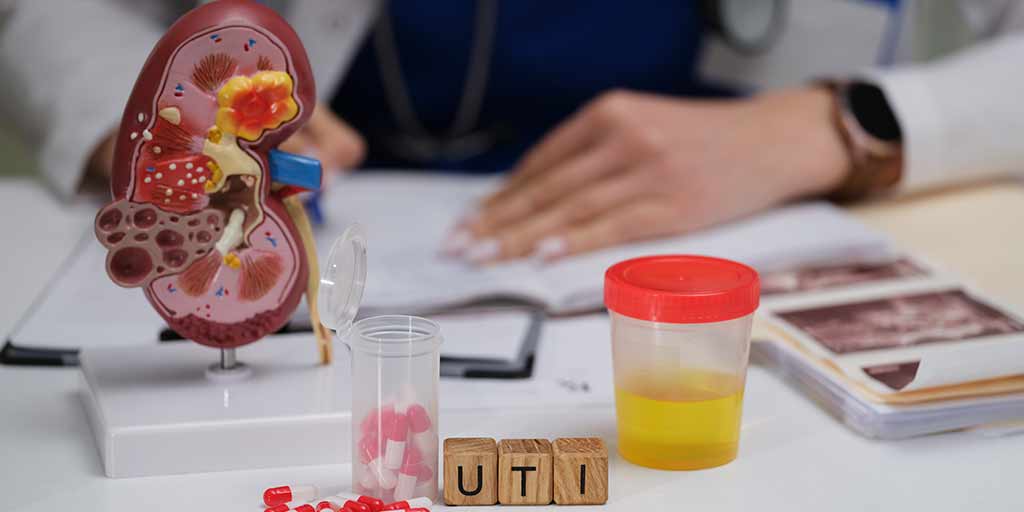
Urinary tract infections (UTIs) are a common health problem that can affect people of all ages, with women being at a higher risk. Though usually not life-threatening, UTIs can cause discomfort, and if left untreated, they may lead to serious complications such as kidney damage. That said, with a few simple yet effective preventive measures, you can significantly reduce your risk of developing UTIs. In this article, we will discuss the causes, risk factors, treatment options, and practical tips from urology experts to help reduce the risk of infection and protect long-term urinary health. Let’s start by understanding the basics.
What are Urinary Tract Infections (UTIs)?
A urinary tract infection (UTI)occurs when bacteria, most often Escherichia coli (E. coli), enter the urinary system, which includes the bladder, urethra, ureters, and kidneys. Once inside, these bacteria can multiply and cause irritation or inflammation of the urinary tract lining.
UTIs are more common in women because of their shorter urethra, but they can also affect men, children, and older adults. Factors such as poor hydration, improper hygiene, sexual activity, or underlying medical conditions increase the likelihood of infection.
Causes and Risk Factors for UTIs
Urinary tract infections can result from several lifestyle, biological, and medical factors. Understanding these helps in taking preventive measures early. The most common causes and risk factors for UTIs include:
- Poor hydration: Inadequate water intake reduces urine output, making it easier for bacteria to multiply in the bladder.
- Improper hygiene habits: Wiping incorrectly, using harsh cleansers, or poor toilet hygiene can spread bacteria.
- Holding urine for long periods: Retaining urine allows bacteria more time to grow in the bladder.
- Sexual activity without precaution: Increases the chance of bacteria entering the urinary tract.
- Weakened immunity or menopause factors: Low oestrogen levels in women, diabetes, or reduced immune defence increase susceptibility.
- Paediatric and elderly risks: Children may develop UTIs due to toilet training difficulties, while older adults face a higher risk due to bladder dysfunction or other health issues.
How Does Menopause Affect UTI Risk?
Menopause brings hormonal changes that can increase the risk of urinary tract infections. Lower levels of oestrogen reduce the natural protection of the urinary tract, making it easier for bacteria to grow. The lining of the bladder and urethra also becomes thinner and less elastic, which further raises the chance of infection.
Women in menopause may notice more frequent or recurrent UTIs, sometimes accompanied by dryness or discomfort. In certain cases, doctors may recommend local oestrogen therapy or other supportive treatments to restore balance and reduce infection risk.
Treatment Options for UTIs
Urinary tract infections are usually treatable, but the right approach depends on the severity and frequency of symptoms. Common treatment options include:
- Antibiotics for UTI: Short courses of antibiotics are the standard treatment for most uncomplicated infections, prescribed after medical evaluation.
- Medical evaluation for recurrent UTIs: Repeated infections may require urine culture tests, imaging such as ultrasound or CT, and specialist assessment to identify underlying causes.
- Advanced treatment options: In resistant or complicated cases, doctors may recommend longer antibiotic courses, intravenous therapy, or surgical procedures to correct anatomical issues.
Timely treatment is essential not only for symptom relief but also to prevent complications such as kidney infections.
Preventing UTIs: Urology Expert Tips
Most urinary tract infections can be avoided with simple lifestyle changes and good daily habits. Urologists emphasise that prevention is more effective than repeated courses of antibiotics, especially for those prone to recurrent infections. Here are some expert tips to prevent UTIs:
- Stay well-hydrated: Drinking enough water helps flush out bacteria from the urinary tract and reduces infection risk.
- Empty the bladder regularly: Avoid holding urine for long periods as it allows bacteria to multiply.
- Maintain proper hygiene: Wiping from front to back and using mild cleansers lowers bacterial spread.
- Include protective foods: Add vitamin C, garlic, probiotics, and dietary fibre to support immunity. Unsweetened cranberry juice and D-mannose may also help prevent recurrence.
- Limit bladder irritants: Reduce intake of caffeinated, carbonated, or spicy foods if they worsen symptoms.
- Pass urine after sexual activity: Passing urine soon after sex helps flush out bacteria.
- Do extra care during menopause: During menopause, local oestrogen therapy may be advised to restore urinary tract health.
- Be mindful of contraception: Some birth control methods, such as spermicides, can increase UTI risk.
Adopting these measures reduces the chance of infection and supports long-term urinary health without relying solely on medicines.
When Should You See a Doctor for a UTI?
While mild urinary tract infections may improve with treatment, certain warning signs require immediate medical attention:
- Persistent or recurrent symptoms: Burning sensation, frequent urination, or pelvic pain that does not resolve.
- Signs of kidney infection: Fever, chills, back or flank pain, nausea, or blood in urine.
- UTIs during pregnancy: Require prompt medical care to protect both mother and baby.
- UTIs in children: Paediatric evaluation is necessary as infections may indicate underlying urinary issues.
- Lack of response to treatment: If antibiotics or home remedies fail to improve symptoms.
Why Choose Graphic Era Hospital for Urology Care?
Urinary tract infections can range from mild discomfort to serious complications if not treated on time. At Graphic Era Hospital, patients benefit from an expert-led, technology-driven approach that ensures not only treatment but also long-term prevention and support. We offer:
Expert Care
The hospital’s team of highly trained urologists in Dehradun specialises in diagnosing and managing all types of urinary infections, including recurrent and complicated UTIs. Their expertise allows them to identify underlying causes such as diabetes, kidney problems, or structural issues in the urinary tract. Each patient receives a personalised treatment plan that balances medical therapy with preventive guidance.
Advanced Medical Facilities
Accurate diagnosis is the foundation of effective UTI care. Graphic Era Hospital is equipped with advanced diagnostic tools such as urine culture, ultrasound, and CT imaging to detect infections and assess possible complications like kidney involvement. The hospital follows evidence-based protocols, ensuring that each treatment is tailored to the patient’s specific needs.
Trust and Patient-Centred Care
Beyond treatment, the hospital emphasises education and counselling so patients understand how to prevent future infections. From dietary advice and lifestyle guidance to specialised care for women, children, and elderly patients, every step is designed to provide comfort, safety, and reassurance. Families are actively involved in the treatment journey, fostering trust and confidence in the care provided.
Conclusion
Urinary tract infections are not only common but can also become serious if left untreated. While preventive measures can lower the risk of UTIs, when symptoms persist or infections recur, consulting a urologist is the most reliable way to ensure accurate diagnosis and long-term relief. To consult a urologist at Graphic Era Hospital, simply call 1800-889-7351.
Frequently Asked Questions
What is the fastest way to prevent a UTI?
Drinking plenty of water, urinating regularly, and maintaining proper hygiene are the quickest and most effective steps to lower the risk of UTIs.
Can drinking cranberry juice really stop UTIs?
Unsweetened cranberry juice may help prevent bacteria from sticking to the bladder lining, reducing the risk of infection, though it should not replace medical treatment.
How do urologists in Dehradun treat recurrent UTIs?
Urologists at Graphic Era Hospital in Dehradun perform detailed evaluations, including urine cultures and imaging, to identify the cause and provide personalised treatment and prevention strategies.
Which doctor should I consult for a UTI near me?
A urologist is the right specialist to consult for UTIs, especially if the infection is recurrent or complicated. Graphic Era Hospital offers expert urologists in Dehradun for comprehensive care.
How long does it take for antibiotics to cure a UTI?
Most uncomplicated UTIs improve within 3–5 days of starting antibiotics, though recurrent or resistant infections may require longer treatment.
Can stress cause urinary tract infections?
Stress itself does not directly cause UTIs but may weaken immunity, making the body more vulnerable to infections.
Are UTIs more common in women than in men?
Yes. Women are at higher risk due to a shorter urethra, but men, children, and older adults can also develop UTIs.
Can menopause increase the risk of UTIs in women?
Yes. Reduced oestrogen after menopause weakens the urinary tract’s natural defences, making infections more common.
What are the warning signs of a kidney infection?
High fever, chills, back or flank pain, nausea, and blood in urine are signs that a UTI may have spread to the kidneys and requires urgent medical attention.
Can probiotics help in UTI prevention?
Probiotics support healthy gut and vaginal bacteria, which may lower the chance of recurrent UTIs.
Where can I find the best urology hospital near me in Dehradun for UTI treatment?
Graphic Era Hospital in Dehradun is a trusted name for UTI care, offering experienced urologists, advanced diagnostics, and patient-focused treatment.
Do children also get UTIs?
Yes. Paediatric UTIs are fairly common and should always be evaluated by a doctor, as they may indicate underlying urinary issues.


















 Emergency 24×7 : 1800 889 7351