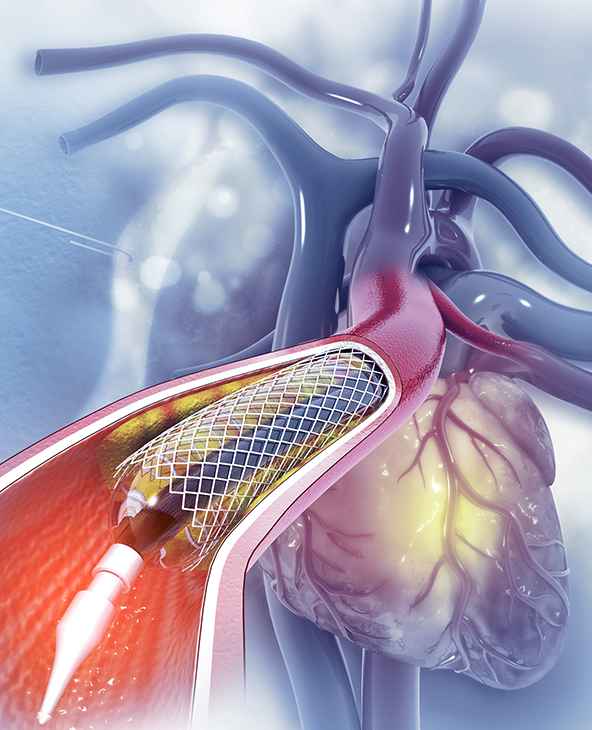
Angioplasty is a minimally invasive procedure for opening narrowed or blocked blood vessels and restoring normal blood flow to the heart. Often recommended for individuals with coronary artery disease, angioplasty can significantly reduce the risk of heart attacks and improve overall heart function. At Graphic Era Hospital, angioplasty is performed by a team of highly skilled interventional cardiologists using advanced imaging and catheter-based technology. Whether planned or performed during a cardiac emergency, angioplasty surgery at our hospital combines precision, safety, and speed. With round-the-clock access to a fully equipped cardiac cath lab, expert post-procedure monitoring, and integrated cardiac rehabilitation, patients receive comprehensive care from diagnosis through recovery.
When to Consult a Cardiologist?
Angioplasty may be necessary when blood vessels supplying the heart or other organs become narrowed or blocked, often due to plaque buildup. Recognising the warning signs early can help prevent severe complications such as heart attacks or strokes. Seek a cardiology consultation if any of the following symptoms are present:
- Chest pain or tightness, especially during physical activity
- Shortness of breath with exertion or at rest
- Pain spreading to the neck, jaw, shoulder, or arm
- Sudden fatigue or dizziness without clear cause
- Irregular heartbeats or palpitations
- Cold sweat, nausea, or chest discomfort suggesting a heart attack
- Abnormal findings on a stress test or ECG
- Diagnosis of coronary artery disease or significant artery blockage
- Decreased exercise tolerance
- History of hypertension, diabetes, or family heart disease
Schedule Your Appointment with
Our Expert Doctors
We are dedicated to driving lasting, positive transformation in healthcare management through innovation and patient-centered solutions.
Preparing for Angioplasty Surgery at Graphic Era Hospital
Thorough preparation is key to ensuring a safe and smooth angioplasty procedure. At Graphic Era Hospital, patients are guided through every step before the intervention to reduce risks and improve outcomes.
Diagnostic Evaluation
- ECG and echocardiography to assess heart function
- Coronary angiography to locate blockages and guide treatment
- Blood tests to evaluate clotting, kidney function, and overall health
- Risk assessment for complications, especially in high-risk patients
Counselling and Consent
- Detailed explanation of the angioplasty procedure, possible stent
placement, and associated risks - Clarification of expected outcomes and alternatives
- Consent taken for both planned and emergency interventions if needed
Pre-Surgical Instructions
- Fasting for 6 to 8 hours before the procedure
- Temporary adjustment or discontinuation of certain medications, such as blood thinners or diabetes drugs
- Arranging post-procedure care and ensuring availability of
a caregiver during discharge and recovery
Types of Angioplasty Procedures Offered at Graphic Era Hospital
At Graphic Era Hospital, angioplasty procedures are tailored to the patient’s condition, vessel involvement, and urgency of intervention. Our team is experienced in performing both elective and emergency angioplasty using the latest techniques for safe and effective outcomes. We offer:
- Coronary Angioplasty (PTCA): This is performed to restore blood flow in blocked coronary arteries. A balloon is inflated to widen the narrowed artery, and a stent is often placed to keep it open.
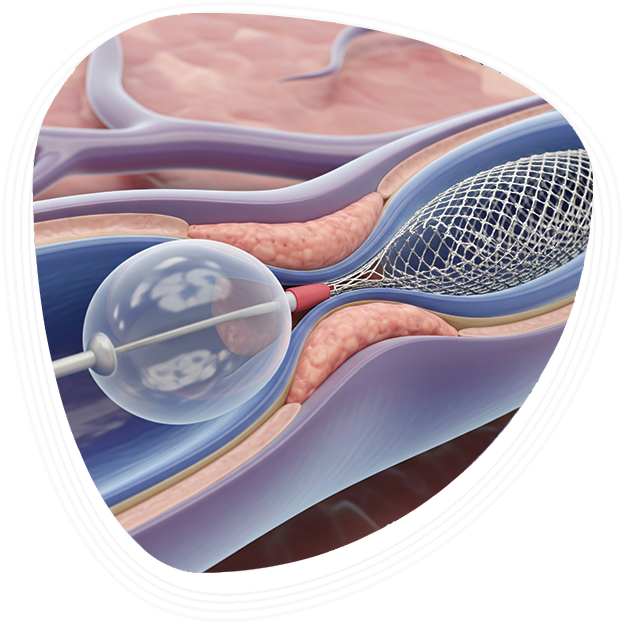
- Balloon Angioplasty: A small balloon is guided to the site of narrowing and inflated to compress the plaque against the artery wall. It may be used with or without a stent.
- Angioplasty with Stent Placement: Stents, either bare-metal or drug-eluting, are inserted to support the artery walls and reduce the risk of restenosis. This is commonly used in coronary angioplasty.
- Peripheral Angioplasty: Used to treat narrowed arteries in the legs, arms, or kidneys, peripheral angioplasty helps improve blood flow and relieve symptoms such as leg pain or claudication.
- Emergency Angioplasty: Performed immediately during a heart attack to quickly reopen the blocked artery, this procedure can significantly reduce heart damage and save lives.
Why Choose Graphic Era Hospital for Angioplasty?
At Graphic Era Hospital, angioplasty is more than just a procedure - it’s part of a comprehensive cardiac care pathway that prioritises patient safety, fast intervention, and long-term heart health. Here’s what makes our angioplasty care stand out:

Expert Care : Our interventional cardiologists have extensive experience in managing complex cases of coronary artery disease, performing angioplasty for single and multivessel blockages, and handling high-risk patients. Emergency and elective angioplasty procedures are carried out with precision and skill.

Excellence and Cutting-Edge Technology : The hospital features a modern cardiac catheterisation lab equipped with real-time imaging, advanced stenting systems, and high-resolution diagnostic tools. From coronary angioplasty to peripheral interventions, procedures are performed with accuracy and minimal invasiveness.

Trust and Patient-Centred Care : Every patient receives personalised guidance from diagnosis to recovery. Our care team provides detailed counselling, post-procedure support, and enrolment in cardiac rehabilitation to help patients resume normal life safely and confidently.
Post-Angioplasty Recovery and Lifestyle Management
Recovery after angioplasty is usually quick, but long-term success depends on careful follow-up and lifestyle changes. At Graphic Era Hospital, we offer structured post-procedure care to support full recovery and reduce future cardiac risks.
- Immediate Monitoring: After the procedure, patients are observed in the cardiac critical care unit for 12–24 hours to monitor vital signs, manage discomfort, and detect any early complications.
- Hospital Stay and Discharge: Most patients are discharged within one to two days, depending on their condition and response to treatment. Clear discharge instructions are provided for medications and activity restrictions.
- Medications and Stent Care: Blood thinners and other heart medications are essential after stent placement to prevent clots and restenosis. Regular follow-up ensures dosages are optimised.
- Angioplasty Recovery Time: Recovery time varies but many patients can resume normal activities within a week, avoiding heavy lifting or strenuous work during the initial days.
- Cardiac Rehabilitation: Our rehabilitation programme includes guided physical activity, dietary counselling, and stress management to improve heart function and quality of life after angioplasty.
- Life After Angioplasty: Long-term lifestyle adjustments, including a balanced diet, regular exercise, quitting smoking, and managing blood pressure and cholesterol, are crucial for preventing further heart issues.
- Ongoing Follow-Up: Routine cardiology visits and repeat imaging may be recommended to monitor stent function, heart health, and manage any angioplasty complications that may arise later.
Top Angioplasty Services at Graphic Era Hospital
- Coronary angioplasty (PTCA)
- Balloon angioplasty
- Angioplasty with stent placement
- Peripheral angioplasty
- Emergency angioplasty for heart attacks
Patient Stories





Blog


Heart Attack: Symptoms and Treatment



Increased Heart Rate: Causes, Risks, and When to Seek Medical Attention

Frequently Asked Questions (FAQs)
What is angioplasty and why is it performed?
Angioplasty is a minimally invasive procedure used to open narrowed or blocked arteries. It helps restore normal blood flow, especially in cases of coronary artery disease or during heart attacks.
What are the types of angioplasty procedures?
Types include coronary angioplasty (PTCA), balloon angioplasty, angioplasty with stent placement, peripheral angioplasty, and emergency angioplasty performed during heart attacks.
When is angioplasty required?
Angioplasty is recommended when arteries are significantly narrowed or blocked, causing symptoms such as chest pain, shortness of breath, or during an acute heart attack.
What is the success rate of angioplasty surgery?
Angioplasty has a high success rate, especially when performed promptly and by experienced cardiologists. Success depends on patient condition, extent of blockage, and overall heart health.
What are the risks and complications of angioplasty?
While generally safe, potential angioplasty risks include bleeding, artery damage, restenosis, blood clots, or rare allergic reactions to contrast dye.
What is the angioplasty recovery time?
Most patients recover within a week. Hospital discharge usually happens in 1–2 days, followed by light activity and ongoing cardiac follow-up.
What precautions should I take after angioplasty?
Follow medication schedules, avoid strenuous activity initially, eat a heart-healthy diet, and attend all follow-up appointments to monitor recovery and stent health.
What side effects may occur after angioplasty?
Some patients may experience mild chest discomfort, bruising at the catheter site, fatigue, or swelling. These usually resolve within a few days but should be monitored.
What lifestyle changes are needed after angioplasty?
To maintain heart health after angioplasty, it’s important to adopt a healthy diet, exercise regularly, stop smoking, manage stress, and control conditions such as diabetes and hypertension.
What is the cost of angioplasty at Graphic Era Hospital?
Angioplasty cost depends on factors such as the type of procedure, stent used, and hospital stay. The team provides detailed cost estimates after initial evaluation.
 Emergency 24×7 : 1800 889 7351