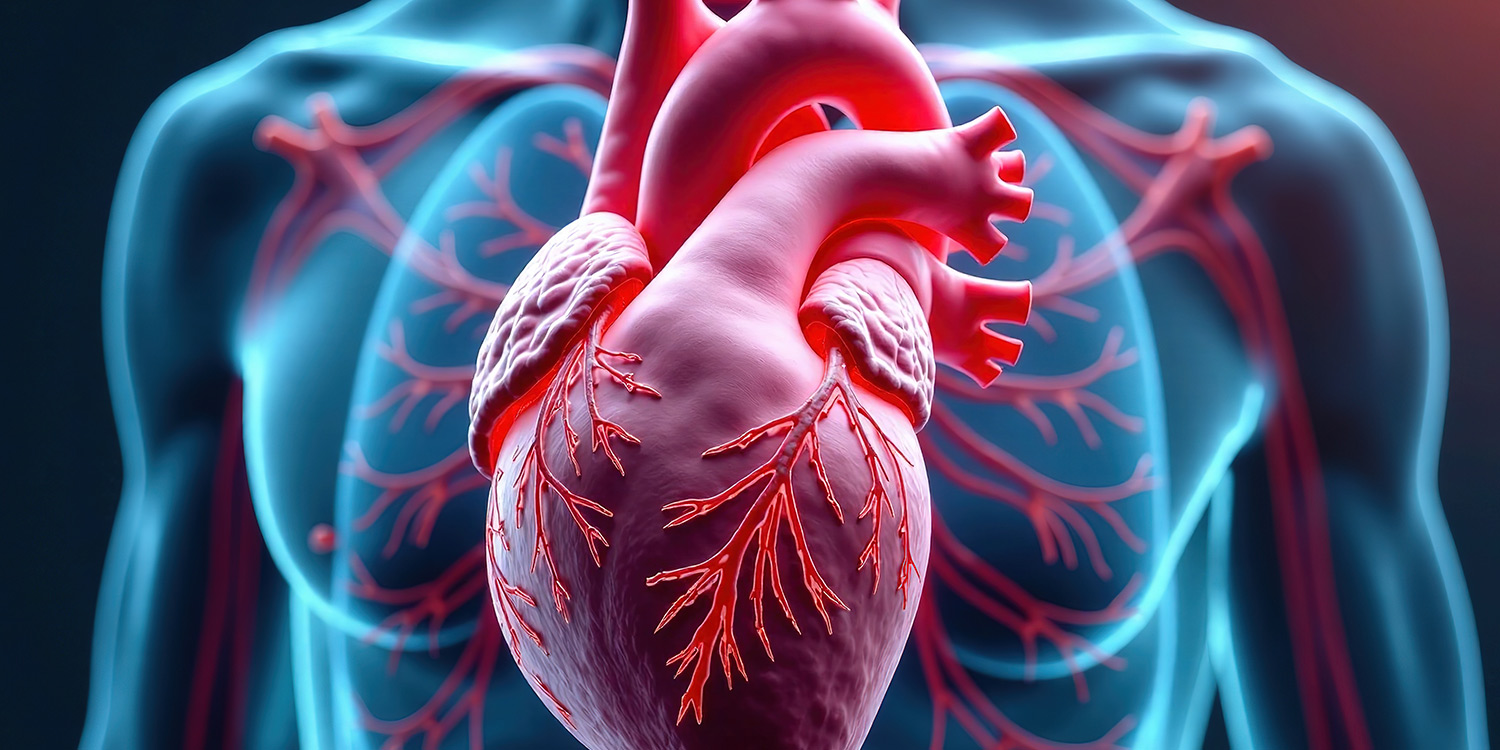
An enlarged heart, medically known as “cardiomegaly”, is a sign that the heart is working harder than normal. While it is not a disease in itself, it reflects underlying issues such as long-standing hypertension, valve abnormalities, or cardiomyopathy. In such cases, timely intervention is essential as it helps prevent complications and supports healthy heart function. At Graphic Era Hospital, Dehradun, we provide comprehensive evaluation and treatment for cardiomegaly using advanced cardiac imaging, specialist-led diagnostics, and evidence-based medical care. Our cardiology team manages a wide range of heart enlargement causes, ranging from high blood pressure and valve problems to infections and metabolic conditions. With state-of-the-art technology, personalised treatments, and continuous monitoring, we focus on improving heart function, preventing complications, and supporting long-term cardiac health for every patient.
What is Cardiomegaly?
Cardiomegaly is a term used to describe a heart that has become larger than its normal size. It is not a disease by itself but a sign that the heart is working harder than usual or has weakened over time. The enlargement may involve the thickening of the heart muscle or stretching of the chambers, both of which affect how well the heart pumps blood. Some people develop temporary heart enlargement due to illness or pregnancy, while others may have long term changes caused by conditions such as high blood pressure, valve disease, or cardiomyopathy. Understanding cardiomegaly helps doctors identify the cause, assess the heart’s function, and plan the most suitable treatment.

Enlarged Heart Symptoms
An enlarged heart may not cause symptoms at first, but as the condition progresses, the heart may struggle to pump blood effectively. This can lead to noticeable changes in breathing, energy levels, and overall comfort. Common symptoms include:
- Arrhythmia, which refers to an irregular, fast, or fluttering heartbeat
- Shortness of breath, especially during activity or when lying flat
- Swelling in the legs, ankles, feet, or abdomen due to fluid buildup
- Fatigue or ongoing tiredness that makes routine activities difficult
- Dizziness or light-headedness, sometimes leading to fainting
- Chest discomfort or pressure, particularly during exertion
- Persistent cough or breathing difficulty at night caused by fluid in the lungs
What Causes an Enlarged Heart?
An enlarged heart develops when the heart works harder than usual, becomes weakened, or is affected by conditions that change its structure over time. The underlying causes vary from medical illnesses to lifestyle factors. Common causes include:
- Cardiomyopathy: A disease of the heart muscle that makes it weak, stiff, or enlarged, reducing its ability to pump blood effectively.
- Heart valve disease: When a valve does not open or close properly, the heart must work harder to push blood, leading to enlargement.
- High blood pressure: Constant pressure forces the heart to pump with extra effort, causing the muscle to thicken or stretch.
- Anaemia: Low red blood cell levels make the heart pump faster to supply oxygen, which can lead to enlargement over time.
- Kidney disease: Fluid buildup from reduced kidney function increases strain on the heart and may cause it to enlarge.
- Protein or fat deposits: Conditions that cause abnormal deposits around or inside the heart can affect how it functions and lead to enlargement.
- Chemotherapy drugs: Certain cancer treatments may weaken the heart muscle and contribute to cardiomegaly.
- Heart infections: Viral or bacterial infections can inflame the heart muscle, leading to temporary or long lasting enlargement.
- Pregnancy: Increased blood volume during pregnancy may cause temporary heart enlargement in some women.
- Recreational drug use: Substances such as cocaine can damage the heart muscle and increase the risk of enlargement.
Heart Enlargement Risk Factors
Certain factors increase the likelihood of developing an enlarged heart by placing extra pressure on the heart or affecting its structure over time. Some of the common risk factors include:
- Long-standing high blood pressure
- A history of heart attacks or coronary artery disease
- Congenital heart defects present since birth
- Long-term lung diseases that strain the heart
- Thyroid disorders that influence heart function
- Obesity, which increases workload on the heart
- Family history of heart disease or cardiomyopathy
- Excessive alcohol consumption over many years
How is Cardiomegaly Diagnosed?
Diagnosing an enlarged heart involves assessing heart size, structure, and function to understand what is causing the enlargement and how it is affecting overall circulation. At Graphic Era Hospital, our cardiologists use a combination of clinical evaluation and advanced cardiac tests to identify the extent of cardiomegaly and plan appropriate treatment. The diagnostic process may include:
- Physical examination: Doctors check for swelling, abnormal heart sounds, and signs of fluid buildup.
- Chest X ray: This helps assess the size and outline of the heart to identify enlargement.
- ECG: The test detects irregular heart rhythms and electrical changes linked to cardiomegaly.
- Echocardiography: An ultrasound that shows heart chambers, pumping strength, and valve function.
- Cardiac MRI or CT scan: These provide detailed images of the heart’s structure and any areas of damage.
- Blood tests: Used to detect anaemia, thyroid problems, infections, and markers of heart strain.
- Stress tests: These measure how the heart responds to physical activity and identify hidden symptoms.
Enlarged Heart Treatment at Graphic Era Hospital, Uttarakhand
Treatment for an enlarged heart focuses on reducing strain on the heart, improving pumping efficiency, and managing the underlying condition that caused the enlargement. At Graphic Era Hospital, our cardiologists assess each patient’s symptoms, test results, and health history to create a personalised and safe treatment plan. The main treatment options include:
- Cardiomegaly Medications: Doctors prescribe medicines to help the heart pump more efficiently and reduce fluid buildup. These include diuretics to lower swelling, beta blockers to control heart rate, and ACE inhibitors to relax blood vessels. Together, these medicines reduce stress on the heart and improve symptoms.
- Treating Underlying Conditions: Many cases of cardiomegaly develop due to other health issues. Treating these conditions helps prevent further enlargement. This may include correcting anaemia, managing thyroid problems, treating infections, or controlling kidney-related fluid overload.
- Lifestyle and Diet Management: Patients benefit from a heart friendly diet, reduced salt intake, weight management, and regular physical activity guided by a doctor. These steps help ease pressure on the heart and support long-term recovery. Smoking and alcohol should be avoided to protect heart function.
- Management of Arrhythmias: If irregular heart rhythms are responsible for symptoms, doctors use medications or specialised procedures to restore a stable heartbeat. This helps reduce the risk of sudden cardiac events.
- Valve Repair or Replacement: When a faulty heart valve causes enlargement, surgical repair or replacement may be needed. Correcting the valve reduces the heart’s workload and prevents further stretching of the heart chambers.
- Coronary Angioplasty and Stenting: If blocked coronary arteries are contributing to enlarged heart symptoms, angioplasty and stenting help restore blood flow. This reduces strain on the heart and prevents further damage.
- Pacemaker or Defibrillator Implantation: In certain patients, rhythm problems or weak heart pumping require devices such as pacemakers or ICDs. These devices regulate the heartbeat or prevent dangerous rhythm disturbances, improving safety and quality of life.
- Regular Monitoring and Follow-Up: Ongoing checkups allow doctors to track heart size, adjust medications, and prevent complications. Regular monitoring is essential for long-term stability and improved cardiac health.
- Heart Transplant: For patients with advanced cardiomyopathy or severe heart failurewho do not improve with medications, procedures, or device therapy, a heart transplant may be considered. This option is reserved for end-stage cases when all other interventions have been exhausted and aims to restore long-term heart function and quality of life.
When to See a Doctor?
An enlarged heart can progress silently, and waiting too long to seek care may increase the risk of complications. It is important to consult a doctor when symptoms become persistent, suddenly worsen, or begin to affect routine activities. Medical attention is especially important if you notice any of the following warning signs:
- Shortness of breath that worsens with activity or while lying flat
- Rapid, irregular, or pounding heartbeat
- Swelling in the legs, ankles, feet, or abdomen that keeps increasing
- Chest discomfort or pressure
- Frequent dizziness, fainting spells, or near fainting
- Unexplained fatigue that limits daily tasks
- A known heart condition that suddenly changes or progresses
Why Choose Graphic Era Hospital for Enlarged Heart Treatment in Dehradun?

Experienced Cardiology Specialists: Our team of cardiologists, interventional cardiologists, and cardiac care experts works together to identify the exact reason for heart enlargement and create personalised treatment plans. Their experience ensures accurate diagnosis, timely intervention, and continuous support throughout the recovery process.

State-of-the-art Diagnostics and Minimally Invasive Procedures: We use advanced cardiac imaging, precision diagnostic tools, and minimally invasive procedures to evaluate heart structure, assess pumping efficiency, and manage complications. These technologies allow safer treatments, quicker recovery, and improved long-term outcomes.

Comprehensive Rehabilitation and Personalised Care: From medication management to lifestyle guidance and cardiac rehabilitation, we provide complete support for patients living with cardiomegaly. Our care approach focuses on symptom control, prevention of further enlargement, and helping patients maintain better heart health with dedicated follow-up and monitoring.

Complications of an Enlarged Heart
If cardiomegaly is not treated in time, it can affect how efficiently the heart pumps blood and may lead to serious health issues. Common complications include:
- Heart failure due to weakened pumping function
- Arrhythmias that increase the risk of sudden cardiac events
- Blood clots that may lead to stroke or organ damage
- Valve problems caused by stretching of the heart chambers
- Fluid buildup in the lungs, abdomen, or legs
- Reduced blood flow to vital organs
Top Cardiomegaly Treatments at Graphic Era Hospital
- Medical Therapy
- Valve Repair or Replacement
- Coronary Angioplasty and Stenting
- Pacemaker or Defibrillator Implantation
- Cardiac Rehabilitation Programmes
- Lifestyle and Dietary Guidance
Blog


Heart Attack: Symptoms and Treatment


Increased Heart Rate: Causes, Risks, and When to Seek Medical Attention

Frequently Asked Questions (FAQs)
What is the treatment for an enlarged heart?
Doctors choose enlarged heart treatment based on the cause, which may include cardiomegaly medications, procedures for blocked arteries or valve problems, and structured lifestyle changes. Advanced care is available through cardiomegaly treatment in Uttarakhand at Graphic Era Hospital.
Can heart enlargement go back to normal?
In some cases, treating the underlying condition helps the heart return closer to its normal size, especially when mild cardiomegaly is diagnosed early. Long-term improvement depends on regular follow-up and consistent health consultation online or in person.
Can you live a full life with an enlarged heart?
Many people live active lives with cardiomegaly when they receive timely treatment, follow medical guidance, and manage risk factors. Regular monitoring helps reduce heart enlargement risks.
Who does an enlarged heart affect?
Cardiomegaly can affect individuals of all ages, but it is more common in those with high blood pressure, heart disease, thyroid disorders, kidney disease, or a family history of cardiac problems.
How common is cardiomegaly?
Cardiomegaly is relatively common and often detected during routine tests or evaluations for other health concerns. Its exact frequency varies, as many people do not develop enlarged heart symptoms in the early stages.
What happens if you have cardiomegaly?
An enlarged heart may lead to breathlessness, fatigue, swelling, and rhythm disturbances. Without treatment, it can increase the risk of complications such as heart failure or arrhythmias.
Is cardiomegaly serious?
Cardiomegaly can be serious if left untreated, especially when caused by coronary artery disease, valve problems, or long-standing high blood pressure. Early diagnosis improves long-term outcomes.
What food is good for heart enlargement?
A heart friendly diet includes vegetables, whole grains, fruits, lean proteins, and controlled salt intake. Foods rich in potassium, fibre, and healthy fats support better heart function as part of enlarged heart treatment diet recommendations.
Can ECG detect an enlarged heart?
An ECG can detect rhythm changes linked to heart enlargement, but imaging tests such as chest X ray, echocardiography, or cardiac MRI give a clearer picture of heart size.
What is the outlook for people with an enlarged heart?
The outlook depends on the cause, severity, and response to treatment. Many patients do well with early diagnosis, the right cardiomegaly medications, and consistent follow-up.
Which hospital in Dehradun provides advanced care for cardiomegaly patients?
Graphic Era Hospital offers specialised enlarged heart treatment in Dehradun, supported by advanced imaging, expert cardiologists, and comprehensive cardiac services.
Are there non-surgical options for cardiomegaly treatment near me in Uttarakhand?
Yes, many cases of cardiomegaly can be managed without surgery. At Graphic Era Hospital, treatment often begins with medications, risk factor control, lifestyle changes, and supervised cardiac rehabilitation. These non-surgical options are usually the first line of care for mild cardiomegaly and help improve heart function while preventing further enlargement.
Where can I consult experienced cardiologists for cardiomegaly treatment in Uttarakhand?
Graphic Era Hospital in Dehradun provides specialised evaluation and treatment for enlarged heart conditions, supported by advanced diagnostic facilities and expert cardiologists offering comprehensive care.
 Emergency 24×7 : 1800 889 7351