Nearly 1 in 3 adults in India lives with high blood pressure, a condition that often goes unnoticed until it leads to serious complications such as heart disease, stroke, or kidney damage. Proper diagnosis and treatment are essential to prevent these risks and maintain overall health. At Graphic Era Hospital, we combine accurate diagnostics with personalised treatment plans tailored to each patient’s needs, to deliver comprehensive care for high blood pressure. Our experienced team of cardiologists and physicians guides you through every step, from initial assessment and medication management to lifestyle modifications and regular monitoring, ensuring you receive the support needed to control your blood pressure and lead a healthy, active life.
What is High Blood Pressure?
High blood pressure, also called hypertension, is a condition in which blood flows through the arteries at a higher pressure than normal over a prolonged period. Blood pressure has two key metrics: The systolic pressure measures the force when the heart pumps blood, and the diastolic pressure measures the force when the heart rests between beats. A reading of 140/90 mmHg or higher on repeated checks is generally considered high blood pressure.
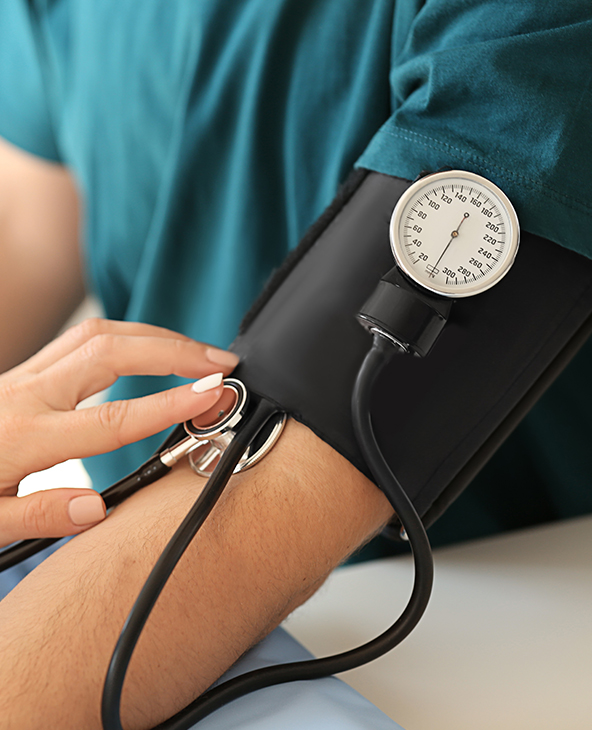
High blood pressure develops when blood vessels become narrower, stiffer, or less flexible, forcing the heart to pump harder to move blood through the body. Unlike many conditions, high blood pressure often does not cause clear symptoms in the early stages, which means many people remain unaware of the problem until complications arise.
High Blood Pressure Causes
High blood pressure can develop due to a combination of lifestyle factors, underlying health conditions, and genetic influences. Common causes include:
- Family history: High blood pressure is more likely to occur in people with a close family history of the condition.
- High salt intake: Consuming excess salt can cause the body to retain fluid, which raises blood pressure.
- Lack of physical activity: Limited movement and prolonged sitting can contribute to weight gain and higher blood pressure.
- Overweight and obesity: Extra body weight increases the workload on the heart and blood vessels.
- Chronic stress: Ongoing stress can lead to temporary spikes that gradually affect blood pressure levels.
- Smoking and alcohol use: Tobacco damages blood vessels, and excess alcohol can raise blood pressure over time.
- Underlying medical conditions:Diabetes, kidney disease, and hormonal disorders can contribute to raised blood pressure.
- Age-related changes: Blood vessels tend to stiffen with age, increasing the risk of high blood pressure.
High Blood Pressure Symptoms
When blood pressure rises significantly or remains uncontrolled, the following symptoms may occur:
- Headaches: Frequent or severe headaches, often felt at the back of the head.
- Dizziness: A feeling of light-headedness or imbalance.
- Shortness of breath: Difficulty breathing during routine activities.
- Chest discomfort: Tightness or pain in the chest area.
- Blurred vision: Changes in vision due to pressure on blood vessels in the eyes.
- Fatigue: Persistent tiredness without a clear cause.
- Nosebleeds: Occasional bleeding from the nose in some individuals.
Since symptoms are not always present, regular blood pressure checks remain the most reliable way to detect high blood pressure early on.
Why Choose Graphic Era Hospital for High Blood Pressure Treatment?

Accurate diagnosis and careful evaluation: Blood pressure assessment is supported by detailed medical history review and relevant investigations to identify contributing factors and related health risks. This allows treatment to be based on clear clinical findings rather than isolated readings.

Structured treatment and follow-up care: Treatment plans focus on blood pressure control through medical management, lifestyle guidance, and regular follow-ups. Ongoing monitoring helps track progress and make timely adjustments to reduce the risk of complications.

Access to experienced specialists: Care is guided by physicians and specialists with experience in managing high blood pressure and related conditions. When needed, cardiologists and other specialists are involved to address associated risks and ensure focused, condition-specific management.
High Blood Pressure Diagnostic Services Available at Graphic Era Hospital
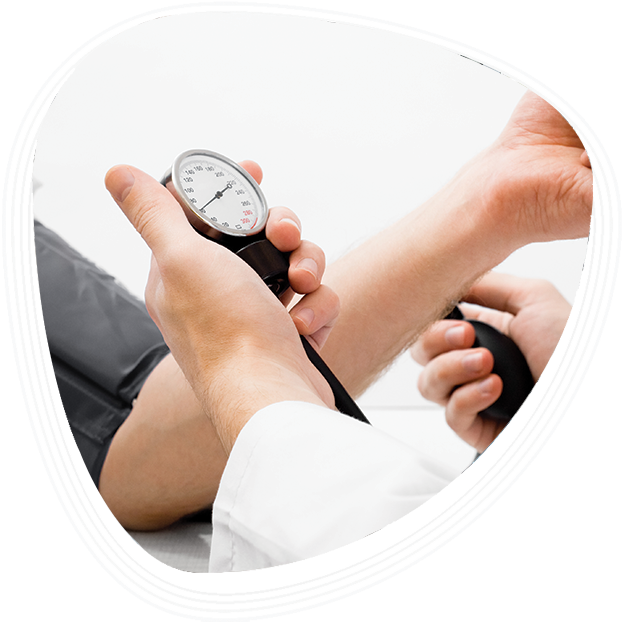
Accurate diagnosis is the first step in managing high blood pressure effectively. At Graphic Era Hospital, the following diagnostic tests are used for confirmation of the condition:
- Clinical blood pressure assessment: Blood pressure is evaluated through repeated clinical assessments to confirm persistent elevation rather than temporary fluctuations.
- Ambulatory and home monitoring: Continuous or home-based blood pressure monitoring may be advised to track variations throughout the day.
- Blood tests: Tests are used to evaluate kidney function, blood sugar levels, cholesterol, and other factors linked to high blood pressure.
- Urine tests: These help assess kidney health and detect early signs of damage.
- Heart-related tests: Electrocardiogram (ECG) and other assessments may be used to check heart function and detect strain caused by high blood pressure.
These diagnostic services help guide treatment decisions and support effective blood pressure control.
High Blood Pressure Treatments Available at Graphic Era Hospital
At Graphic Era Hospital, high blood pressure is managed through effective medical interventions aimed at controlling blood pressure and preventing complications. The following hypertension treatments are available at the hospital:
Prescription Medications
Patients are prescribed antihypertensive medications based on their blood pressure readings, age, medical history, and associated health conditions. The hospital offers a full range of drug classes, including ACE inhibitors, beta-blockers, calcium channel blockers, and diuretics, ensuring that each patient receives the most suitable therapy. Dosages and combinations are carefully monitored and adjusted during follow-up visits to maintain optimal blood pressure control.
Management of Hypertension-Related Complications
For patients who have developed heart, kidney, or vascular complications due to prolonged high blood pressure, the hospital provides targeted medical interventions. Cardiologists, nephrologists, and other specialists work together to address organ-specific issues and minimise further risk, ensuring comprehensive medical care.
Complications of High Blood Pressure Treated at Graphic Era Hospital
High blood pressure, if left uncontrolled, can lead to serious health complications affecting multiple organs. These include:
- Heart Disease: Increased risk of heart attack, heart failure, and enlargement of the heart due to the extra strain on the heart muscle.
- Stroke: High blood pressure can damage blood vessels in the brain, increasing the likelihood of a stroke.
- Kidney Damage: Persistent high blood pressure can impair kidney function, potentially leading to chronic kidney disease or kidney failure.
- Vision Problems: Damage to the blood vessels in the eyes may cause hypertensive retinopathy, leading to blurred vision or even vision loss.
- Aneurysms: Weakened blood vessel walls can form bulges, which may rupture and cause life-threatening internal bleeding.
- Cognitive Impairment: Long-term high blood pressure may affect memory, thinking, and increase the risk of dementia.
Through expert supervision and a multidisciplinary approach, Graphic Era Hospital ensures that complications from high blood pressure are detected early and managed effectively, helping patients maintain better overall health.
Preventive Measures and Management of High Blood Pressure
Controlling high blood pressure involves a combination of lifestyle changes, regular monitoring, and medical care. At Graphic Era Hospital, patients receive guidance and support to manage their blood pressure effectively and reduce the risk of complications. Key preventive measures and management strategies include:
- Healthy diet: Consuming a balanced diet low in salt, saturated fats, and processed foods while including fruits, vegetables, and whole grains.
- Regular physical activity: Engaging in moderate exercise, such as walking, swimming, or cycling, to help maintain a healthy weight and support heart health.
- Weight management: Maintaining a healthy body weight to reduce strain on the heartand blood vessels.
- Stress management: Techniques such as meditation, yoga, and relaxation exercises to control stress-related blood pressure spikes.
- Limiting alcohol and avoiding tobacco: Reducing alcohol intake and quitting smoking to protect blood vessels and overall cardiovascular health.
- Regular monitoring: Routine blood pressure checks at home or in the hospital to track progress and detect any changes early.
- Medical supervision: Following prescribed medications and attending follow-up visits to ensure effective blood pressure control and prevent complications.
These preventive and management strategies, combined with medical oversight at Graphic Era Hospital, help patients maintain stable blood pressure and promote long-term well-being.
Top Procedures
- Blood Pressure Medication Management
- Electrocardiogram (ECG)
- Echocardiogram (Heart Ultrasound)
- Ambulatory Blood Pressure Monitoring
- Renal Denervation
- Cardiac Interventions
- Vascular Imaging and Assessments
Blog

Heart Attack: Symptoms and Treatment
Increased Heart Rate: Causes, Risks, and When to Seek Medical Attention
Frequently Asked Questions
What factors increase the risk of developing high blood pressure?
Genetics, age, lifestyle habits such as poor diet, inactivity, excessive alcohol use, and chronic stress can all increase the likelihood of developing hypertension.
Can high blood pressure occur in young adults?
Yes, while it is more common with age, high blood pressure can affect younger adults, particularly those with a family history or unhealthy lifestyle habits.
How often should blood pressure be checked if I am at risk?
People at higher risk should have their blood pressure checked regularly, as recommended by their physician, to detect any early changes and start treatment promptly.
Are there any non-medical strategies that support blood pressure control?
Alongside medical treatment, maintaining a balanced diet, regular exercise, adequate sleep, stress management, and avoiding tobacco and excessive alcohol can help support blood pressure control.
Can high blood pressure cause sudden health emergencies?
Severely elevated blood pressure can lead to emergencies such as stroke, heart attack, or kidney complications, highlighting the importance of prompt medical attention.
Is it possible to adjust treatment if medications do not work effectively?
Yes, physicians regularly review blood pressure readings and lab results, and treatment plans can be modified to include different medications or dosages to achieve optimal control.
 Emergency 24×7 : 1800 889 7351