High cholesterol often develops silently, without noticeable symptoms, and is considered one of the leading risk factors for heart disease, stroke, and blood vessel problems. Many individuals discover elevated cholesterol levels during routine testing or after experiencing fatigue, reduced stamina, or concerns related to heart health. At Graphic Era Hospital, we offer comprehensive evaluation and treatment for high cholesterol, with a focus on lowering harmful cholesterol levels, protecting long term heart health, and preventing future complications. Our highly skilled cardiology team uses advanced diagnostic tools and evidence based therapies to create personalised cholesterol management plans that support long term heart health.
Understanding High Cholesterol and When to Seek Medical Care
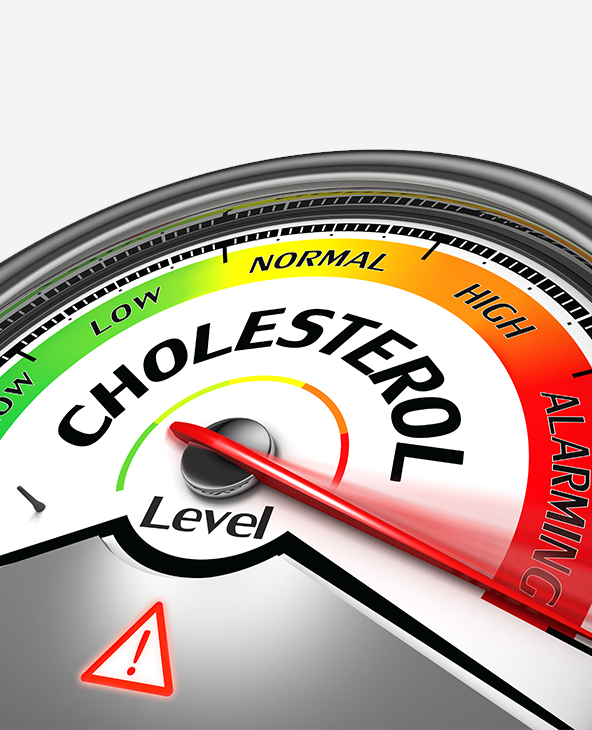
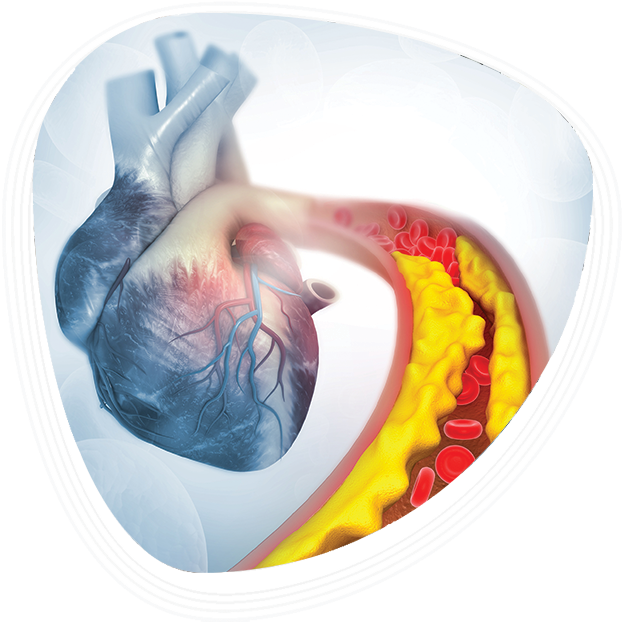
High cholesterol occurs when the body has excess levels of LDL (“bad”) cholesterol or triglycerides, which can build up in blood vessels and increase the risk of heart disease, stroke, and circulation problems. It often develops due to factors such as genetics, unhealthy eating habits, lack of physical activity, obesity, diabetes, thyroid disorders, or long term lifestyle patterns. Because high cholesterol usually does not cause symptoms in the early stages, many individuals remain unaware until complications arise. Regular testing and timely evaluation are important to prevent serious cardiovascular events. Common indications that you should seek medical evaluation include:
- A family history of high cholesterol or early heart disease
- Elevated cholesterol levels detected during routine health check ups
- Fatigue, reduced stamina, or shortness of breath during activity
- Chest discomfort or heaviness during exertion
- High blood pressure, diabetes, or thyroid disorders
- Overweight or obesity increasing cardiovascular risk
- A sedentary lifestyle or diets high in saturated and trans fats
- Smoking, which accelerates cholesterol buildup in arteries
- Swelling in the legs or ankles along with breathlessness
- A doctor’s recommendation following abnormal lipid profile results
How is High Cholesterol Diagnosed at Graphic Era Hospital?
Accurate diagnosis is essential because high cholesterol develops silently and can only be detected through a blood test. At Graphic Era Hospital, cardiologists use detailed blood tests and cardiovascular assessments to measure cholesterol levels, identify associated risk factors, and evaluate overall heart health. These investigations help determine whether the cholesterol imbalance is genetic, lifestyle related, or linked to another medical condition, ensuring that treatment is tailored to individual needs.
The diagnostic process involves:
- Lipid Profile Test: Measures total cholesterol, LDL (“bad” cholesterol), HDL (“good” cholesterol), and triglycerides to assess overall cholesterol balance.
- LDL and HDL Evaluation: Determines whether harmful cholesterol is elevated or protective cholesterol is low.
- Triglyceride Measurement: Helps identify risks related to metabolic syndrome, diabetes, and cardiovascular disease.
- Fasting vs Non Fasting Tests: Doctors advise the appropriate method based on medical history and risk factors.
- Apolipoprotein B Testing When Indicated: Provides additional insight in individuals with high cardiovascular risk or a strong family history.
- Blood Sugar and Thyroid Tests: Check for conditions such as diabetes or hypothyroidism, which commonly contribute to high cholesterol.
- Blood Pressure Assessment: Helps evaluate overall cardiovascular risk and guide treatment planning.
High Cholesterol Treatment Options at Graphic Era Hospital
High cholesterol treatment focuses on lowering harmful cholesterol levels, protecting blood vessels, and reducing the long term risk of heart attack, stroke, and other cardiovascular complications. The treatment plan depends on cholesterol levels, associated medical conditions, family history, and overall heart health. At Graphic Era Hospital, cardiologists create personalised management plans that combine medication, lifestyle guidance, and regular monitoring to support safe and effective cholesterol control. The treatment approach at Graphic Era Hospital includes:
- Statin Therapy: Helps lower LDL (“bad”) cholesterol, stabilise plaque buildup, and reduce the risk of heart attack and stroke.
- Ezetimibe: Prescribed when additional LDL reduction is needed or when statins alone are not sufficient.
- PCSK9 Inhibitors: Advanced injectable medicines recommended for individuals with very high cholesterol or genetic hyperlipidaemia that does not respond to standard therapy.
- Triglyceride Lowering Treatment: Medications such as fibrates or omega 3 fatty acids may be advised to manage elevated triglyceride levels.
- Lifestyle and Dietary Management: Guidance includes adopting a heart healthy diet, reducing saturated and trans fats, increasing fibre intake, and supporting long term weight control.
- Treatment of Associated Conditions: Managing diabetes, thyroid disorders,obesity, and hypertension helps improve cholesterol balance and reduce cardiovascular risk.
- Smoking Cessation Support: Reduces the speed of cholesterol buildup and improves circulation.
- Regular Lipid Monitoring: Scheduled tests help track progress, adjust medicines, and ensure long term cholesterol control.
Why Choose Graphic Era Hospital for High Cholesterol Treatment?

Experienced and Renowned Cardiologists : Our team of cardiologists have extensive experience in diagnosing and managing all types of high cholesterol, including genetic hyperlipidaemia, severe LDL elevation, and cholesterol disorders linked to diabetes or thyroid disease. They conduct detailed risk assessments and design personalised treatment plans that lower harmful cholesterol, raise protective cholesterol, and reduce the long term risk of heart attack and stroke.

Advanced Diagnostic and Heart Health Monitoring: We use reliable lipid testing, cardiac imaging, stress assessments, and risk evaluation tools to understand each individual’s cardiovascular profile. These diagnostic capabilities allow us to detect early warning signs, monitor treatment progress, and make timely adjustments to ensure effective cholesterol control.

Quality-Focused and Safety-Driven Cardiac Care: As India’s first medical college hospital accredited under the 6th Edition of NABH standards, we uphold the highest levels of safety, ethics, and quality. Our team guides individuals through diagnosis, treatment, lifestyle modification, and long term monitoring with clarity, helping them make informed decisions and stay committed to heart healthy goals.
Preventing High Cholesterol and Supporting Long Term Heart Health
Preventing high cholesterol involves maintaining a healthy lifestyle, managing long term medical conditions, and regularly monitoring cholesterol levels to detect changes early. These steps play an important role in reducing the risk of heart disease, stroke, and other complications linked to elevated cholesterol. Here’s how individuals can support a better cholesterol balance and long term cardiovascular health:
Follow a Heart Healthy Diet
Include high-fibre foods, whole grains, fruits, vegetables, nuts, and healthy fats to lower LDL cholesterol. Cut down on saturated fats, fried foods, processed snacks, and trans fats to maintain healthier cholesterol levels.
Stay Physically Active
Regular physical activity helps improve cholesterol balance, manage weight, and strengthen heart function. Activities such as brisk walking, cycling, swimming, or structured exercise programmes contribute to healthier cardiovascular outcomes.
Maintain a Healthy Weight
Weight management reduces strain on the heart and improves cholesterol levels, particularly LDL and triglycerides. Even small, steady reductions in weight can have a significant impact on long term heart health.
Manage Long Term Medical Conditions
Controlling diabetes, hypertension, thyroid disorders, and obesity reduces the likelihood of cholesterol imbalance and prevents further cardiovascular complications.
Avoid Tobacco and Reduce Alcohol Intake
Smoking damages blood vessels and accelerates cholesterol buildup, while high alcohol consumption can raise triglyceride levels. Avoiding tobacco and drinking in moderation helps protect heart health.
Get Regular Cholesterol Screening
Periodic lipid profile tests help track cholesterol levels and identify changes early. Individuals with a family history of heart disease or previous high cholesterol readings benefit from more frequent monitoring.
Top High Cholesterol Treatments Available at Graphic Era Hospital
- Statin therapy for LDL reduction
- Ezetimibe for additional cholesterol control
- PCSK9 inhibitors for severe or genetic hyperlipidaemia
- Triglyceride lowering treatment
- Lifestyle and dietary management plans
- Long term monitoring through lipid profile testing
Blog


Heart Attack: Symptoms and Treatment
Increased Heart Rate: Causes, Risks, and When to Seek Medical Attention
Frequently Asked Questions (FAQs)
What causes high cholesterol?
High cholesterol often develops due to unhealthy eating habits, lack of physical activity, excess weight, smoking, or long term conditions such as diabetes, hypothyroidism, or kidney disease. Genetics can also play a major role, especially in individuals with familial hyperlipidaemia.
What are the signs or symptoms of high cholesterol?
High cholesterol usually does not cause symptoms. Most people find out through a routine blood test. Symptoms may appear only when cholesterol buildup leads to chest discomfort, breathlessness, or circulation problems.
How is high cholesterol diagnosed?
A lipid profile test measures LDL, HDL, total cholesterol, and triglycerides. Additional tests may include blood sugar, thyroid assessment, and blood pressure evaluation to identify related risk factors.
Can high cholesterol be cured permanently?
High cholesterol cannot be permanently cured, but it can be effectively controlled through medication, dietary changes, weight management, and regular monitoring. Many individuals maintain healthy levels with consistent treatment.
What is considered a normal cholesterol range?
Ideal ranges vary by age and risk factors, but generally:
- LDL (“bad” cholesterol) should be low
- HDL (“good” cholesterol) should be high
- Triglycerides should be within a healthy range
Your doctor will interpret your results based on your overall heart health.
Is medication always required for high cholesterol?
Not always. Mild elevation may improve with lifestyle changes alone. However, individuals with high LDL levels, diabetes, hypertension, or a family history of heart disease often need medication for better protection.
What foods should I avoid if I have high cholesterol?
Limit saturated fats, trans fats, fried foods, processed snacks, bakery items, and red meat. Choose foods rich in fibre, fruits, vegetables, and heart healthy fats instead.
How often should I get my cholesterol checked?
Most adults should have a lipid profile every 1–2 years. Individuals with diabetes, hypertension, obesity, or a family history of heart disease may require more frequent testing.
Can exercise help lower cholesterol levels?
Yes. Regular physical activity helps raise HDL (“good” cholesterol), lower LDL and triglycerides, support weight control, and improve overall heart function.
Where can I find a cholesterol test near me in Dehradun, Uttarakhand?
Graphic Era Hospital in Dehradun, Uttarakhand offers reliable lipid profile testing, advanced cardiac evaluation, and personalised cholesterol management under experienced cardiologists.
When should I see a specialist for high cholesterol near me?
You should consult a cardiologist if your cholesterol levels remain high despite lifestyle changes, if you have a strong family history of heart disease, or if you have risk factors such as diabetes, obesity, or hypertension.
 Emergency 24×7 : 1800 889 7351