Chronic liver disease can significantly impact overall health and daily functioning, and when symptoms or complications begin to interfere with normal life, timely and specialised medical care becomes essential. At Graphic Era Hospital, Dehradun, we offer advanced, patient-centred care for individuals living with chronic liver conditions. Using the latest diagnostic technologies and personalised care plans, our multidisciplinary team of hepatologists, gastroenterologists, and specialised liver care professionals works together to identify the underlying cause of liver disease, control its progression, manage complications, and support long-term liver health. With a focus on evidence-based treatments, compassionate support, and comprehensive follow-up care, Graphic Era Hospital is committed to restoring liver health and improving outcomes for patients at every stage of chronic liver disease.
Understanding Chronic Liver Disease and When to Seek Medical Care
Chronic liver disease refers to long-term damage to the liver that develops over months or years. It is commonly linked to conditions such as fatty liver disease, long-standing alcohol use, viral hepatitis, and metabolic disorders including diabetes and obesity. Over time, ongoing liver injury can lead to scarring (cirrhosis), which affects how well the liver performs vital functions such as detoxification, digestion, and metabolism. Because early stages may be subtle, recognising symptoms and seeking timely medical care is important to prevent progression and complications. Common signs that indicate the need for medical attention include:

- Persistent fatigue or weakness
- Loss of appetite or unexplained weight loss
- Yellowing of the skin or eyes (jaundice)
- Swelling of the abdomen or legs
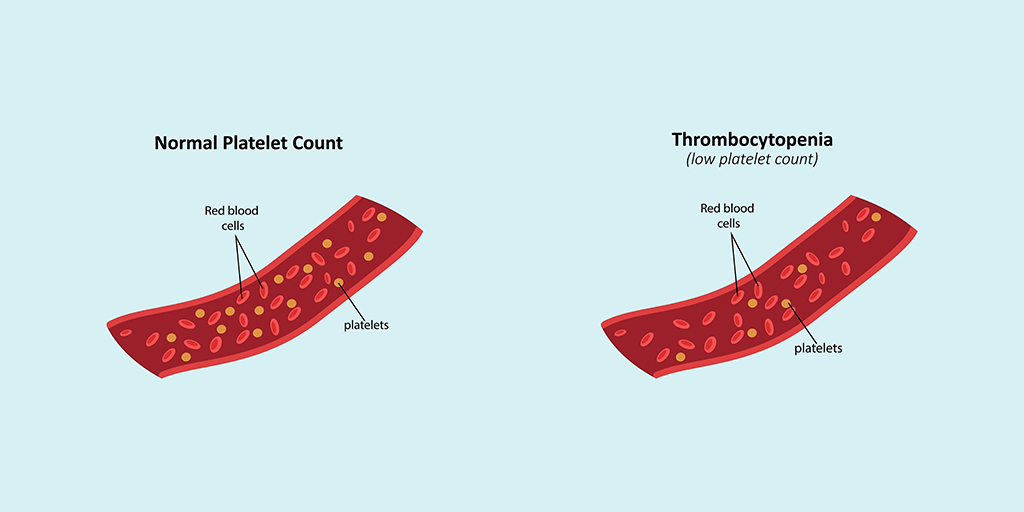
- Easy bruising or frequent bleeding
- Ongoing nausea, bloating, or digestive discomfort
- Dark urine or pale-coloured stools
- Mental confusion, poor concentration, or sleep disturbances
- Recurrent infections or delayed recovery from illness
How Chronic Liver Disease is Diagnosed at Graphic Era Hospital
Accurate diagnosis plays a key role in understanding the severity of liver damage, identifying the underlying cause, and planning appropriate treatment. Since chronic liver disease can progress silently in its early stages, structured evaluation helps detect changes before complications develop. At Graphic Era Hospital, doctors use a combination of clinical assessment and advanced investigations to evaluate liver health and monitor disease progression. The diagnostic process typically includes:
- Clinical Assessment: Review of symptoms, medical history, alcohol intake, medication use, and risk factors such as diabetes or obesity
- Liver Function Blood Tests: Measure enzymes, bilirubin, and protein levels to assess liver injury and function
- Ultrasound Abdomen: Evaluates liver size, texture, fatty changes, and signs of cirrhosis or fluid accumulation
- Fibrosis Assessment (when indicated): Non-invasive tests may be used to assess liver scarring and disease severity
- CT Scan or MRI: Provides detailed imaging when structural changes or complications are suspected
- Viral Hepatitis Screening: Identifies hepatitis B or C infection contributing to chronic liver damage
- Metabolic Evaluation: Assesses conditions such as diabetes, obesity, or lipid disorders that affect liver health
- Monitoring for Complications: Evaluation for portal hypertension, ascites, or varices in advanced disease
Chronic Liver Disease Treatment Options at Graphic Era Hospital
Chronic liver disease treatment focuses on slowing disease progression, managing symptoms, preventing complications, and preserving remaining liver function. Because the condition develops over time and may have multiple contributing factors, treatment plans are carefully tailored to the underlying cause, disease stage, and overall health of the individual. At Graphic Era Hospital, care follows a structured, long-term approach supported by regular monitoring and multidisciplinary medical expertise. Here’s how chronic liver disease is treated at Graphic Era Hospital:
Medical Management and Ongoing Monitoring
Medications are prescribed to manage liver inflammation, control symptoms, and support liver function. Regular follow-up helps track disease progression and adjust treatment as needed.
Treatment of Underlying Causes
Management targets the root cause of liver damage, such as fatty liver disease, viral hepatitis, alcohol-related liver disease, or metabolic conditions. Addressing these factors is essential to slow or stabilise liver injury.
Management of Cirrhosis-Related Complications
Individuals with cirrhosis may require treatment for fluid accumulation, bleeding risks, infections, or altered mental function. Early intervention helps reduce hospitalisation and improve outcomes.
Nutritional and Dietary Support
Dietary guidance focuses on balanced nutrition, adequate protein intake, salt restriction when required, and avoidance of substances that strain the liver. Nutrition plays a key role in maintaining strength and immunity.
Lifestyle and Metabolic Control
Support is provided to manage diabetes, obesity, and cholesterol levels, along with guidance on alcohol avoidance and safe medication use to protect liver health.
Advanced Care and Specialist Referral (when required)
In advanced or complex cases, referral for specialised procedures or transplant evaluation may be considered, based on clinical assessment and disease severity.
Why Choose Graphic Era Hospital for Chronic Liver Disease Treatment?
Managing chronic liver disease requires careful monitoring, timely intervention, and coordinated care to slow disease progression and prevent complications. At Graphic Era Hospital, treatment is guided by a structured, patient-focused approach that combines medical expertise with ongoing support to help individuals manage their condition safely and effectively. Here’s why people choose Graphic Era Hospital for chronic liver disease treatment in Dehradun, Uttarakhand.

Experienced Hepatology and Gastroenterology Team : Care is led by doctors experienced in managing all stages of chronic liver disease, including fatty liver disease and cirrhosis. They assess liver function, identify contributing factors such as diabetes or obesity, and design treatment plans that address both the disease and its impact on overall health.

Advanced Diagnostic and Monitoring Support : The hospital is equipped with modern diagnostic facilities, including comprehensive blood testing, ultrasound imaging, and advanced liver assessments. Regular monitoring allows early detection of disease progression or complications, enabling timely adjustments to treatment.

Trusted, Ethical, and Safe Medical Care : As India’s first medical college hospital accredited under the 6th Edition of NABH standards, Graphic Era Hospital follows strict protocols for patient safety, ethical practice, and quality care. Individuals receive clear guidance through diagnosis, treatment, and follow-up, ensuring continuity and confidence in long-term liver care.

Preventing Disease Progression and Supporting Long-Term Liver Health
While chronic liver disease requires ongoing medical care, certain measures can help slow progression, reduce complications, and support overall liver health. These steps focus on addressing risk factors, protecting remaining liver function, and maintaining general wellbeing alongside prescribed treatment. Here’s how to do it:
Managing Metabolic Conditions
Effective control of diabetes, obesity, and abnormal lipid levels reduces additional stress on the liver. Regular monitoring and adherence to medical advice help limit further liver damage.
Avoiding Alcohol and Unsafe Medications
Complete avoidance of alcohol is essential in chronic liver disease. Using medications only as prescribed and avoiding unnecessary supplements or over-the-counter drugs helps prevent additional liver strain.
Following a Liver-Friendly Diet
A balanced diet with adequate protein, limited salt (when advised), and avoidance of highly processed or fatty foods supports liver function and overall strength. Nutritional guidance is adjusted based on disease stage.
Regular Monitoring and Follow-Up
Scheduled check-ups allow early detection of complications such as fluid accumulation, infections, or bleeding risks. Ongoing follow-up supports timely intervention and safer long-term outcomes.
Top Chronic Liver Disease Treatments Available at Graphic Era Hospital
- Fatty liver disease evaluation and management
- Chronic liver disease monitoring and medical management
- Cirrhosis assessment and complication management
- Viral hepatitis–related liver disease treatment
- Nutritional and metabolic support for liver health
Blog








Frequently Asked Questions
What is chronic liver disease?
Chronic liver disease refers to long-term damage to the liver that develops gradually over months or years. It affects the liver’s ability to function properly and may progress to cirrhosis if not managed early.
What are the common causes of chronic liver disease?
Chronic liver disease can be caused by fatty liver disease, long-term alcohol use, viral hepatitis, autoimmune conditions, and metabolic disorders such as diabetes and obesity.
Is chronic liver disease the same as cirrhosis of the liver?
No. Chronic liver disease is a broader term that includes long-term liver damage. Cirrhosis is an advanced stage of chronic liver disease where significant scarring affects liver function.
What are the early symptoms of chronic liver disease?
Early symptoms may include fatigue, weakness, poor appetite, mild abdominal discomfort, or no symptoms at all. Many people are diagnosed during routine blood tests.
Can fatty liver disease lead to chronic liver disease?
Yes. If left untreated, fatty liver disease can progress to chronic liver disease and eventually cirrhosis, especially in individuals with diabetes, obesity, or long-term alcohol use.
How is chronic liver disease diagnosed?
Diagnosis usually involves blood tests to assess liver function, ultrasound or imaging studies, screening for viral hepatitis, and evaluation of risk factors such as alcohol intake and metabolic conditions.
Can chronic liver disease be cured?
In most cases, chronic liver disease cannot be completely cured. However, early treatment can slow progression, control symptoms, and prevent complications.
What lifestyle changes help manage chronic liver disease?
Avoiding alcohol, maintaining a healthy weight, managing diabetes, following a liver-friendly diet, and attending regular follow-ups help protect remaining liver function.
How does diabetes affect chronic liver disease?
Diabetes increases fat accumulation and inflammation in the liver, which can worsen liver damage and accelerate disease progression if not well controlled.
What complications can occur in chronic liver disease?
Possible complications include fluid accumulation in the abdomen, bleeding tendencies, infections, confusion due to toxin buildup, and progression to cirrhosis or liver failure.
Who should I consult for chronic liver disease treatment?
Individuals with chronic liver disease should consult doctors specialising in gastroenterology or hepatology for structured evaluation and long-term management.
Where can I get chronic liver disease treatment in Dehradun?
Graphic Era Hospital provides comprehensive chronic liver disease evaluation and treatment, including diagnosis, medical management, complication monitoring, and long-term liver care support.
Take Control of Your Liver Health Today
At Graphic Era Hospital, comprehensive care for acute liver failure is our priority. With experienced specialists, advanced medical support, and a patient-focused approach, we are dedicated to delivering the best possible treatment and recovery outcomes. Whether you need urgent medical intervention, long-term liver management, or expert guidance for the liver transplant and further management, our team is here to help. To book a consultation with one of our liver specialists, call 18008897351 or fill out our contact form.
 Emergency 24×7 : 1800 889 7351