Pancreatitis, or inflammation of the pancreas, can cause severe abdominal pain and digestive complications if not managed promptly. At Graphic Era Hospital, Dehradun, patients receive comprehensive and specialised care for both acute and chronic pancreatitis through a combination of advanced diagnostics, medical therapy, and minimally invasive procedures. Our expert gastroenterologists work closely with a multidisciplinary team to deliver personalised treatment plans that address the root cause, relieve pain, and prevent long-term damage to the pancreas. With state-of-the-art facilities, 24×7 critical care support, and a focus on early intervention, Graphic Era Hospital ensures timely diagnosis and effective treatment to help patients regain digestive health and improve overall quality of life.
What is Pancreatitis and What are its Types?
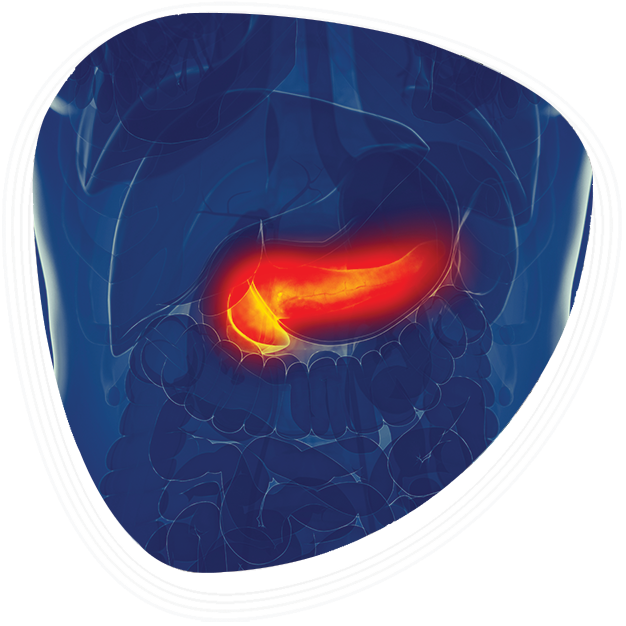
Pancreatitis is the inflammation of the pancreas – a vital organ that helps in digestion and blood sugar regulation. When the pancreas becomes inflamed, it releases digestive enzymes that start attacking its own tissue instead of aiding digestion, leading to pain, swelling, and impaired digestive function. If not treated promptly, the condition can affect nearby organs and lead to complications such as infection, diabetes, or malnutrition. Pancreatitis can occur in two main forms, each with different causes and outcomes:
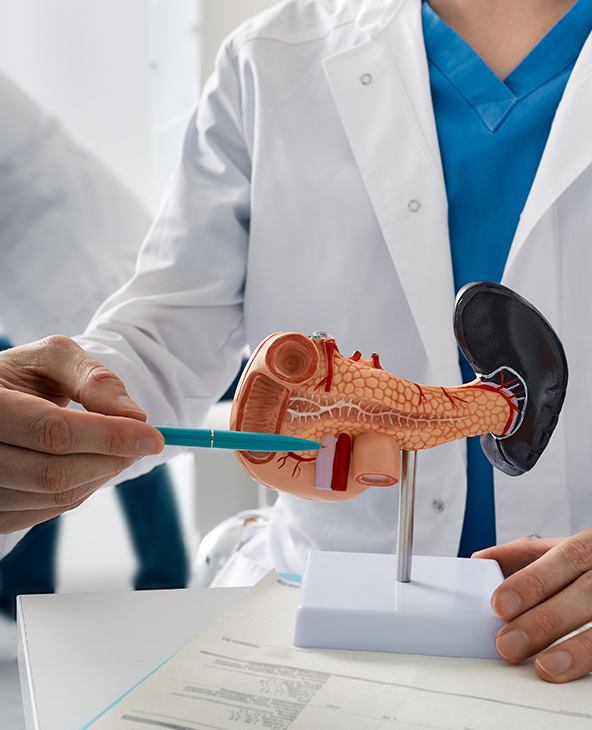
Acute Pancreatitis
This form develops suddenly, usually due to gallstones or excessive alcohol intake. Symptoms include severe abdominal pain, nausea, vomiting, and fever. Acute pancreatitis often requires hospital care for intravenous fluids, pain relief, and continuous monitoring. With timely treatment, most patients recover fully, though severe cases can cause complications such as pancreatic infection or organ failure.
Chronic Pancreatitis
Chronic pancreatitis results from long-term inflammation, often following repeated acute episodes. It gradually damages the pancreas, reducing its ability to produce enzymes and hormones like insulin. Common symptoms include persistent pain, oily stools, and unintended weight loss. Over time, patients may develop diabetes or digestive issues. Management involves pain control, enzyme supplements, lifestyle changes, and treatment of the underlying cause.
At Graphic Era Hospital, both acute and chronic pancreatitis are managed through multidisciplinary care that combines advanced diagnostics, endoscopic and surgical interventions, and long-term follow-up to preserve pancreatic health and function.
What are the Causes and Risk Factors of Pancreatitis?
Pancreatitis occurs when digestive enzymes become activated while still inside the pancreas, leading to inflammation and tissue damage. There are several medical and lifestyle factors that can trigger this condition. Common causes and risk factors include:
- Gallstone pancreatitis:Gallstones can block the bile duct, preventing pancreatic enzymes from draining properly.
- Excessive alcohol consumption: Heavy or long-term drinking is one of the leading causes of both acute and chronic pancreatitis.
- High triglyceride levels: Elevated blood fats can inflame the pancreas and increase the risk of acute attacks.
- Certain medications: Some antibiotics, diuretics, and chemotherapy drugs may cause inflammation as a side effect.
- Pancreatic or bile duct obstruction: Narrowing or tumours in these ducts can block enzyme flow and damage pancreatic tissue.
- Genetic mutations (hereditary pancreatitis): Inherited conditions affecting enzyme regulation may cause early or recurrent pancreatitis.
- Smoking: Tobacco use has been shown to increase the risk and worsen chronic inflammation.
What are the Symptoms of Pancreatitis?
The symptoms of pancreatitis can range from mild discomfort to severe abdominal pain, depending on whether the inflammation is acute or chronic. Early recognition of these warning signs is important for timely treatment and prevention of complications. Common symptoms include:
- Severe abdominal pain that may spread to the back and worsen after eating
- Nausea and vomiting due to inflammation and enzyme imbalance
- Fever and rapid pulse during acute attacks
- Tender or swollen abdomen caused by inflammation and fluid accumulation
- Loss of appetite and unintended weight loss over time
- Fatty or oily stools (steatorrhoea) indicating poor digestion of fats
- Persistent fatigue or weakness related to nutrient malabsorption
- Jaundice (yellowing of skin or eyes) in cases linked to bile duct obstruction
If these symptoms occur suddenly or become persistent, medical attention should be sought immediately to prevent complications such as infection or pancreatic necrosis.
Complications of Pancreatitis
If pancreatitis is not diagnosed or treated in time, it can lead to serious complications affecting digestion, metabolism, and overall organ function. Some complications may develop soon after an acute episode, while others occur gradually in chronic cases. At Graphic Era Hospital, early detection and continuous monitoring play a crucial role in preventing pancreatitis-related complications and preserving long-term pancreatic health.
Possible complications include:
- Pancreatic necrosis: Death of pancreatic tissue due to severe inflammation or infection.
- Pancreatic pseudocysts: Fluid-filled sacs that can rupture or become infected.
- Chronic pain: Ongoing inflammation leading to persistent abdominal pain.
- Malnutrition: Poor absorption of nutrients caused by a lack of digestive enzymes.
- Diabetes mellitus: Long-term damage to insulin-producing cells in the pancreas.
- Pancreatic cancer: Chronic inflammation increases the risk of pancreatic malignancy.
- Systemic complications: Severe acute pancreatitis can lead to kidney failure, lung distress, or shock.
How is Pancreatitis Diagnosed at Graphic Era Hospital?
Accurate diagnosis of pancreatitis is essential to determine the severity of inflammation and plan appropriate treatment. At Graphic Era Hospital, diagnosis begins with a detailed clinical evaluation followed by advanced imaging and laboratory tests to assess pancreatic function and detect complications.
Common diagnostic methods include:
- Blood tests: Measure levels of pancreatic enzymes such as amylase and lipase, which rise during inflammation.
- CT or MRI scans: Provide detailed images to detect swelling, fluid collection, or tissue damage in the pancreas.
- Endoscopic ultrasound (EUS): Offers high-resolution imaging of the pancreas and bile ducts to identify blockages or cysts.
- Ultrasound: Helps detect gallstones or bile duct obstruction that may cause pancreatitis.
- Stool tests: Evaluate fat content in stool to detect malabsorption, common in chronic pancreatitis.
These diagnostic techniques allow specialists to identify the type and cause of pancreatitis early, ensuring timely and targeted treatment.
What are the Treatment Options for Pancreatitis at Graphic Era Hospital?
Treatment for pancreatitis focuses on relieving symptoms, reducing inflammation, and addressing the underlying cause. At Graphic Era Hospital, patients receive individualised care from gastroenterologists, GI surgeons, and nutrition specialists, ensuring both short-term relief and long-term management.
Treatment approaches include:
- Pain medicines: Used to manage abdominal pain effectively during acute episodes.
- Intravenous (IV) fluids: Administered to maintain hydration, stabilise blood pressure, and support pancreatic recovery.
- Nutritional therapy: Patients may temporarily fast to rest the pancreas, followed by gradual reintroduction of low-fat meals or nutrition through a feeding tube if required.
- Procedures to open bile ducts: Endoscopic Retrograde Cholangiopancreatography (ERCP) is used to remove blockages or stones from the bile or pancreatic ducts.
- Gallbladder surgery: Performed by GI surgeons to remove gallstones causing recurrent attacks.
- Pancreas procedures: Surgical or endoscopic drainage for infected cysts, necrosis, or ductal obstruction in severe or chronic cases.
- Treatment for alcohol dependence: Supportive therapy and counselling for patients with alcohol-induced pancreatitis.
- Long-term management: Enzyme replacement therapy, dietary counselling, and regular follow-ups for chronic pancreatitis.
Each treatment plan is designed to stabilise the patient, prevent recurrence, and preserve pancreatic function while ensuring safety and comfort.
When Should You See a Gastroenterologist for Pancreatitis?
Pancreatitis can begin with mild abdominal discomfort and progress quickly to severe inflammation if left untreated. Recognising when to seek medical help can prevent complications and improve recovery outcomes.
You should consult a gastroenterologist immediately if you experience:
- Severe or persistent abdominal pain that radiates to the back
- Nausea, vomiting or bloating that doesn’t subside
- Fever, rapid pulse, or signs of infection
- Yellowing of the skin or eyes (jaundice)
- Unintended weight loss or oily stools
- Recurrent pain after meals, especially if linked to alcohol or fatty food intake
Early medical attention allows specialists to diagnose the condition accurately and start timely treatment before lasting pancreatic damage occurs. From initial evaluation to recovery and long-term management, expert gastroenterologists and GI surgeons at Graphic Era Hospital provide comprehensive care for all forms of pancreatitis.
Why Choose Graphic Era Hospital for Pancreatitis Treatment in Dehradun?

Experienced Gastroenterologists and GI Surgeons: At Graphic Era Hospital, pancreatitis care is led by a highly skilled team of gastroenterologists, hepatologists, and gastrointestinal surgeons. Their extensive experience in managing both acute and chronic pancreatitis ensures that every patient receives precise diagnosis and evidence-based treatment tailored to their condition.

Advanced Diagnostic and Minimally Invasive Procedures: The hospital is equipped with cutting-edge imaging and endoscopic technologies, including ERCP and EUS, which enable accurate diagnosis and minimally invasive treatment of pancreatic and bile duct disorders. These advanced procedures help reduce recovery time, minimise discomfort, and promote faster healing.

Comprehensive Rehabilitation and Personalised Care: Care at Graphic Era Hospital extends beyond medical treatment to include personalised rehabilitation plans, nutritional counselling, and enzyme therapy support. The team focuses on restoring digestive balance, enhancing overall well-being, and helping patients prevent future episodes of pancreatitis through continuous guidance and care.
Preventive Measures and Lifestyle Management in Pancreatitis
While not all cases of pancreatitis can be prevented, certain lifestyle changes can significantly reduce the risk of flare-ups and long-term complications. At Graphic Era Hospital, patients receive personalised counselling to help manage their condition and maintain optimal pancreatic health.
Preventive measures include:
- Avoiding alcohol: Completely eliminating alcohol is one of the most effective ways to prevent recurrence and protect the pancreas.
- Quitting smoking: Smoking worsens pancreatic inflammation and increases the risk of chronic pancreatitis and cancer.
- Following a low-fat diet: Eating smaller, low-fat meals reduces strain on the pancreas and supports digestion.
- Maintaining healthy triglyceride levels: Regular monitoring and a balanced diet help prevent acute episodes.
- Staying hydrated: Adequate fluid intake supports enzyme flow and pancreatic function.
- Taking prescribed enzyme supplements: In chronic cases, these help improve digestion and nutrient absorption.
- Regular follow-ups: Ongoing monitoring with a gastroenterologist ensures early detection of complications.
Top Pancreatitis Treatments Available at Graphic Era Hospital
- Endoscopic Retrograde Cholangiopancreatography (ERCP)
- Endoscopic Ultrasound (EUS)
- Gallbladder Removal Surgery (Cholecystectomy)
- Pancreatic Necrosectomy
- Pancreatic Duct Drainage Procedures
- Parenteral and Enteral Nutrition Support
- Pancreatic Enzyme Replacement Therapy
Blog




Frequently Asked Questions
What is the main cause of pancreatitis?
The most common causes are gallstones and heavy alcohol consumption. Other factors such as high triglyceride levels, certain medications, and genetic mutations can also trigger inflammation of the pancreas.
What is the difference between acute and chronic pancreatitis?
Acute pancreatitis occurs suddenly and usually improves with timely treatment, while chronic pancreatitis is a long-term condition that gradually damages the pancreas and affects digestion and insulin production.
How is pancreatitis pain relieved?
Pain is managed through medications, enzyme supplements, and lifestyle changes such as eating low-fat meals and avoiding alcohol. In severe cases, endoscopic or surgical procedures may be performed to relieve ductal pressure.
Can pancreatitis be cured permanently?
Acute pancreatitis can often be completely treated, but chronic pancreatitis is usually managed long term through medication, enzyme therapy, and lifestyle modification to control symptoms and prevent progression.
What foods should be avoided with pancreatitis?
Patients should avoid fried foods, red meat, high-fat dairy products, processed snacks, and alcohol. A low-fat, balanced diet with small, frequent meals supports pancreatic recovery.
How serious is pancreatitis?
While mild cases resolve with treatment, severe or untreated pancreatitis can lead to infection, organ failure, or diabetes. Early medical care greatly improves outcomes.
Can alcohol cause pancreatitis?
Yes. Long-term or heavy alcohol consumption is one of the leading causes of both acute and chronic pancreatitis and should be completely avoided after diagnosis.
Where can I find the best pancreatitis treatment near me in Dehradun?
Graphic Era Hospital offers advanced medical, endoscopic, and surgical care for pancreatitis. The hospital’s team of expert gastroenterologists and GI surgeons provides comprehensive diagnosis, treatment, and long-term management for both acute and chronic pancreatitis.
Does Graphic Era Hospital offer endoscopic treatment for pancreatitis?
Yes. The hospital provides advanced endoscopic treatments such as ERCP and EUS for diagnosing and managing bile duct blockages, pancreatic cysts, and other complications related to pancreatitis.
Does Graphic Era Hospital provide dietary counselling for patients with pancreatitis?
Yes. The hospital offers nutrition and lifestyle counselling to help patients follow a pancreatitis-friendly diet that reduces fat intake, prevents flare-ups, and supports long-term digestive health.
Take Control of Your Liver Health Today
At Graphic Era Hospital, comprehensive care for acute liver failure is our priority. With experienced specialists, advanced medical support, and a patient-focused approach, we are dedicated to delivering the best possible treatment and recovery outcomes. Whether you need urgent medical intervention, long-term liver management, or expert guidance for the liver transplant and further management, our team is here to help. To book a consultation with one of our liver specialists, call 18008897351 or fill out our contact form.
 Emergency 24×7 : 1800 889 7351