Piles, also known as haemorrhoids, affect millions of people worldwide. In India too, the problem is widespread and often ignored until the appearance of symptoms such as bleeding, pain, or swelling. At Graphic Era Hospital in Dehradun, we provide complete care for piles, offering accurate diagnosis and advanced treatments such as banding, sclerotherapy, stapled haemorrhoidopexy, and haemorrhoidectomy. Our team of experienced colorectal surgeons uses modern technology and minimally invasive techniques to ensure effective relief. With a focus on safety, comfort, and quicker recovery, we aim to help every patient regain confidence and long-term wellbeing.
What are Piles (Haemorrhoids) and their Types?
Piles, or haemorrhoids, occur when the veins in the rectum or anus become swollen and inflamed. They can develop inside the rectum or around the opening of the anus, leading to symptoms such as bleeding, itching, or discomfort. Piles can be classified into different types such as:
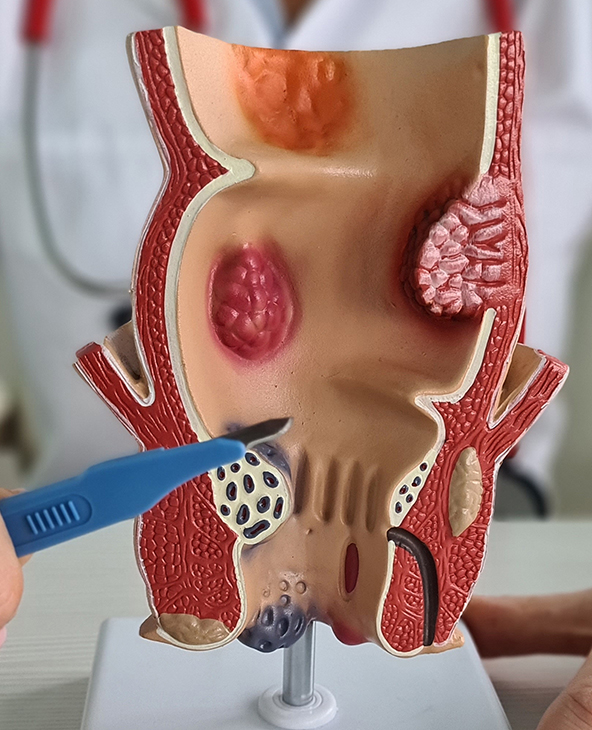
- Internal haemorrhoids: Found inside the rectum, usually painless but may cause bleeding.
- External haemorrhoids: Develop under the skin around the anus, often painful or itchy.
- Prolapsed haemorrhoids: Internal piles that bulge outside the anus, sometimes requiring surgical care.
- Thrombosed haemorrhoids: External piles where a blood clot forms, causing severe pain and swelling.
Symptoms and Stages of Piles
Piles can develop gradually, and many people ignore the early signs until the condition becomes more severe. Let’s take a look at the common symptoms of piles and its stages.
Symptoms of Piles
- Bleeding during bowel movements
- Pain or discomfort around the anus
- Itching, irritation, or swelling in the anal region
- A lump or bulge near the anus (especially when prolapsed)
- Mucus discharge with stools or soiling
- A feeling of incomplete bowel emptying
Stages of Piles
- Stage I: Bleeding without visible prolapse
- Stage II: Prolapse occurs during straining but goes back on its own
- Stage III: Prolapse that needs to be pushed back manually
- Stage IV: Permanently prolapsed piles that cannot be reduced
Causes and Risk Factors for Piles
Piles often result from increased pressure in the rectal veins, but several everyday habits and health conditions can make them more likely to occur. At Graphic Era Hospital, we help patients understand these underlying causes so that treatment is more effective and recurrence can be prevented.
Common Causes of Piles
- Chronic constipation or straining during bowel movements
- Prolonged sitting on the toilet or at work
- Low dietary fibre intake and dehydration
- Chronic diarrhoea or repeated bowel irritation
- Pregnancy and childbirth, due to increased pressure on pelvic veins
- Ageing, which weakens supportive tissues
Risk Factors for Piles
- Sedentary lifestyle and lack of exercise
- Obesity and excess body weight
- Family history of haemorrhoids
- Heavy lifting or occupations involving physical strain
Diagnosis and Treatment Options for Piles at Graphic Era Hospital
At Graphic Era Hospital, piles are diagnosed through a careful clinical examination by our colorectal surgeons. In most cases, a physical exam, digital rectal examination, or procedures such as proctoscopy and anoscopy are used to confirm the condition. When necessary, tests like colonoscopy may be advised to rule out other causes of rectal bleeding. Once the diagnosis is clear, treatment is planned according to the type and stage of piles.
Treatment Options for Piles
- Lifestyle changes: Increasing dietary fibre, staying hydrated, and avoiding prolonged straining.
- Medications: Topical creams, ointments, stool softeners, and pain relief.
- Minimally invasive procedures:
- Rubber band ligation
- Sclerotherapy
- Infrared coagulation or electrocoagulation
- Thrombectomy for a painful thrombosed pile
- Surgical options:
- Haemorrhoidectomy (surgical removal of piles)
- Stapled haemorrhoidopexy (stapling procedure for prolapsed piles)
Our aim is to provide safe, effective, and minimally invasive treatments that ensure quicker recovery and long-term relief.
Why Choose Graphic Era Hospital for Piles Treatment in Dehradun?
At Graphic Era Hospital, we know how much discomfort and concern piles can cause, and we are here to support you with safe, effective, and compassionate care. Here’s why patients in Dehradun trust us for their treatment:

Experienced Colorectal Surgeons : Our team of colorectal surgeons has extensive experience in treating piles at every stage. From early symptoms to advanced cases, you receive expert guidance and personalised treatment at every step.

Advanced Technology and Minimally Invasive Procedures : We use modern diagnostic methods and minimally invasive treatments such as stapled haemorrhoidopexy and infrared coagulation. These advanced approaches mean less pain, faster recovery, and minimal hospital stay.

Comprehensive Rehabilitation and Personalised Care : We look beyond treatment to your long-term wellbeing. From diet and lifestyle counselling to post-surgery follow-up and recurrence prevention, we ensure care that is tailored to your needs.
Complications and Prevention of Piles
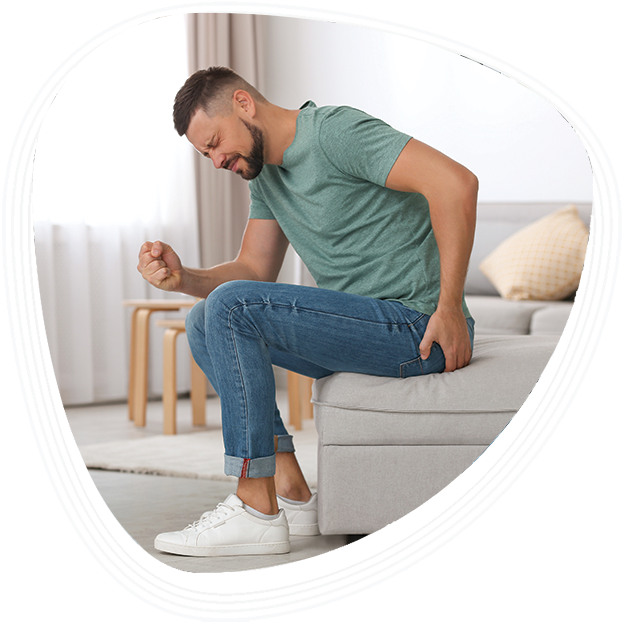
If left untreated, piles can lead to complications that affect both comfort and health. At Graphic Era Hospital, we not only treat the condition but also guide patients on how to prevent its recurrence through simple lifestyle changes.
Possible Complications of Piles
- Persistent bleeding leading to anaemia
- Severe pain and swelling from thrombosed piles
- Strangulated haemorrhoids where blood supply is cut off
- Infection, ulceration, or abscess formation
- Recurrence of symptoms if not properly managed
Ways to Prevent Piles and Reduce Recurrence
- Eat a diet rich in dietary fibre from fruits, vegetables, and whole grains
- Drink enough water throughout the day to keep stools soft
- Exercise regularly to improve bowel movement and circulation
- Avoid straining or sitting too long on the toilet
- Manage constipation promptly with healthy lifestyle changes
Top Piles Procedures Available at Graphic Era Hospital
At Graphic Era Hospital, we offer the most effective and widely used procedures to treat piles, tailored to each patient’s condition and stage of disease. Our commonly performed procedures include:
- Rubber band ligation
- Sclerotherapy
- Infrared coagulation
- Excisional haemorrhoidectomy
- Stapled haemorrhoidopexy
- Thrombectomy
Blog


Heart Attack: Symptoms and Treatment


Increased Heart Rate: Causes, Risks, and When to Seek Medical Attention

Frequently Asked Questions (FAQs)
What are piles (haemorrhoids), and how do they develop?
Piles, also called haemorrhoids, are swollen veins in the rectum or anus caused by increased pressure, often due to constipation, straining, obesity, or pregnancy.
What are the common symptoms of piles in men and women?
The main piles symptoms include rectal bleeding, anal pain, itching, swelling, mucus discharge, and a lump or bulge near the anus. These symptoms are the same in both men and women.
How are piles diagnosed at Graphic Era Hospital in Dehradun?
Our colorectal surgeons use clinical examination, proctoscopy, and anoscopy to confirm piles and rule out other causes such as anal fissures or colorectal conditions.
What are the stages of piles, and when is piles surgery required?
Piles range from Stage I (bleeding only) to Stage IV (permanently prolapsed piles). Surgery, such as haemorrhoidectomy or stapled haemorrhoidopexy, is usually recommended in Stage III or IV when non-surgical methods are not effective.
Can piles cause complications if left untreated?
Yes. Untreated piles can lead to anaemia from chronic bleeding, thrombosis, severe pain, strangulated haemorrhoids, and repeated infections.
What piles treatment options are available near me in Dehradun?
Graphic Era Hospital offers a full range of piles treatments near you in Dehradun, including lifestyle advice, medicines, rubber band ligation, sclerotherapy, infrared coagulation, thrombectomy, stapled haemorrhoidopexy, and haemorrhoidectomy.
Can haemorrhoids return after treatment, and how can I prevent them?
Haemorrhoids may recur if risk factors like constipation, straining, or obesity persist. Prevention includes a high-fibre diet, regular hydration, exercise, and avoiding prolonged sitting.
What is the difference between piles and anal fissures?
Piles are swollen veins in the rectum or anus, while anal fissures are small tears in the lining of the anus. Both cause pain and bleeding but require different treatments.
Where can I find the best piles specialist near me in Dehradun?
At Graphic Era Hospital, our experienced colorectal surgeons provide advanced piles treatment in Dehradun with modern techniques, ensuring safer procedures, minimal discomfort, and faster recovery.
 Emergency 24×7 : 1800 889 7351