Fatty liver disease has emerged as one of the fastest-growing liver conditions worldwide, affecting nearly one in four adults and contributing to serious problems such as liver inflammation, fibrosis, and cirrhosis. In India, rising obesity, diabetes, alcohol use, and unhealthy diets have made fatty liver a pressing public health concern, increasingly seen even in younger populations. The good news is that fatty liver can often be reversed in its early stages with timely diagnosis, structured lifestyle changes, and appropriate medical care. At Graphic Era Hospital, Dehradun, we offer advanced diagnosis and personalised treatment for fatty liver disease. With a team of experienced gastroenterologists and liver specialists, modern imaging, and blood tests, patients receive holistic care focused on lifestyle management, medical support, and long-term monitoring to protect liver health and prevent complications.
What is Fatty Liver?
Fatty liver, medically known as hepatic steatosis, is a condition where excess fat builds up in the liver cells. Normally, the liver contains a small amount of fat, but when fat makes up more than 5–10% of the liver’s weight, it is considered fatty liver. There are two main types:
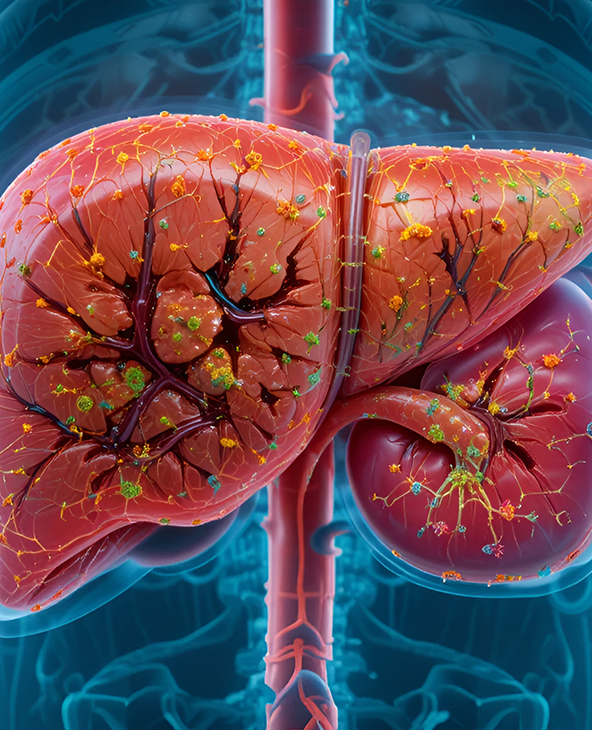
- MASLD (metabolic dysfunction associated steatotic liver disease): Occurs in people who drink little or no alcohol. It’s often linked to obesity, type 2 diabetes, high cholesterol, and sedentary lifestyle.
- Alcohol Associated Fatty Liver Disease (AFLD): Caused by heavy alcohol consumption, which damages liver cells and promotes fat accumulation.
When Does It Require Treatment?
In many cases, the fatty liver does not cause early symptoms, but over time it can lead to liver swelling, scarring, and even permanent damage. Treatment becomes necessary when the condition progresses or when risk factors make complications more likely. You may need treatment for fatty liver if:
- Fat build-up in the liver is confirmed by ultrasound, FibroScan, or blood tests
- There are symptoms such as fatigue, abdominal discomfort, or unexplained weight changes
- Associated conditions such as diabetes, obesity, or high cholesterol are present
- Alcohol use or poor diet is worsening the condition
- Tests show signs of liver inflammation or early fibrosis
- The disease progresses to advanced stages like cirrhosis
Causes and Risk Factors of Fatty Liver Disease
Fatty liver disease can arise from various causes, and several lifestyle and health factors can increase the risk of developing it. Understanding these factors is essential for preventing the condition and guiding effective treatment. Common causes and risk factors include:
- Obesity and Overweight: Carrying excess body weight, especially around the abdomen, puts extra strain on the liver and makes it store more fat than it should, which is one of the most common causes of fatty liver.
- Diabetes and Insulin Resistance: When blood sugar levels are not well controlled, the body starts storing more fat, including in the liver, increasing the chances of developing fatty liver disease.
- High Cholesterol and Triglycerides: Having high levels of unhealthy fats in the blood can lead to fat build-up in the liver over time, making it harder for the liver to work properly.
- Unhealthy Diet: Eating too many fried, processed, or sugary foods can overwhelm the liver with fats and sugars, encouraging fat to collect inside liver cells.
- Alcohol Consumption: Drinking alcohol regularly or in large amounts directly harms liver cells, which can lead to alcoholic fatty liver disease.
- Sedentary Lifestyle: Sitting for long hours and not getting enough physical activity slows down the body’s ability to burn fat, causing fat to accumulate in the liver.
- Certain Medications: Long-term use of drugs such as steroids, chemotherapy medicines, or some antivirals can sometimes cause fat to accumulate in the liver as a side effect.
- Genetic Predisposition: Having close family members with liver disease can increase the chances of developing fatty liver due to inherited traits.
Diagnosis of Fatty Liver at Graphic Era Hospital
At Graphic Era Hospital, advanced tests are used to confirm fatty liver disease and assess its severity. Accurate diagnosis helps doctors plan the most effective treatment. The main diagnostic methods include:
- Liver Function Tests: Blood tests such as ALT and AST check for liver damage.
- Imaging Studies: Ultrasound and FibroScan measure fat accumulation and detect stiffness or fibrosis in the liver.
- Liver Biopsy (when required): Recommended in select cases where results are unclear or advanced disease is suspected, providing a detailed picture of liver health.
Treatment of Fatty Liver at Graphic Era Hospital
Once the diagnosis is confirmed, treatment is personalised based on the stage of the disease and associated conditions. The focus is on reversing liver fat, preventing progression, and improving long-term health. The treatment plan may involve:
- Specialist Team Involvement: Care provided by gastroenterologists and liver specialists, with support from diagnostic and endoscopy experts.
- Personalised Treatment Plans: Therapies tailored to the severity of disease and other health problems such as diabetes, obesity, or high cholesterol.
- Lifestyle Modification: Diet counselling, weight loss programmes, and structured physical activity to reduce fat in the liver.
- Management of Associated Conditions: Control of diabetes, cholesterol, triglycerides, and obesity to prevent further liver damage.
- Monitoring and Follow-up: Regular blood tests, imaging, and consultations to track progress and adjust treatment.
- Management of Severe Disease: Advanced cases with steatohepatitis, fibrosis, or cirrhosis receive specialised hospital care, with transplant evaluation considered if liver failure develops.
Why Choose Graphic Era Hospital for Fatty Liver Treatment?

Experienced Gastroenterologists and Liver Specialists: The hospital’s team includes expert gastroenterologists and liver specialists who manage all stages of fatty liver disease. From early detection of MASLD to advanced cases with fibrosis or cirrhosis, patients benefit from specialised knowledge and clinical expertise.

Advanced Technology and Minimally Invasive Procedures: Graphic Era Hospital uses modern diagnostic tools such as ultrasound, FibroScan, and liver function tests to assess the extent of fat build-up and damage. When needed, minimally invasive procedures are available to support accurate diagnosis and effective care.

Comprehensive Rehabilitation and Personalised Care: Treatment goes beyond medicines to include nutritional counselling, weight management programmes, and lifestyle support such as physiotherapy and yoga. Long-term monitoring and preventive care are prioritised to reverse fatty liver in early stages and prevent complications.
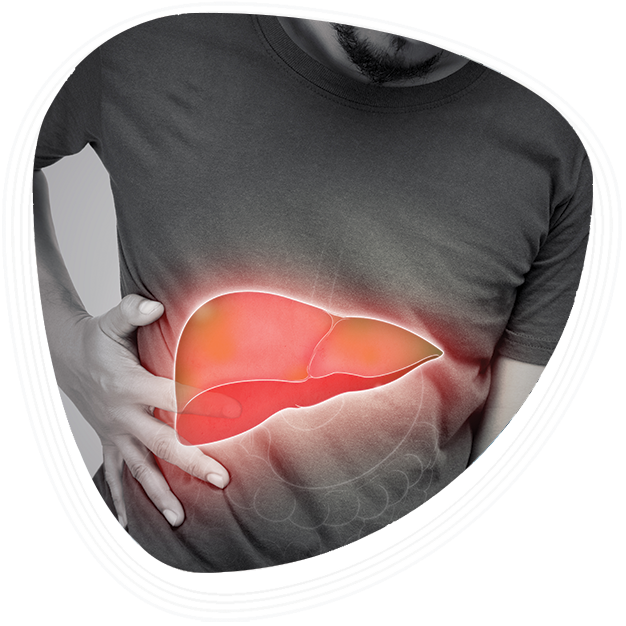
Preventing Fatty Liver Disease
While treatment is important, many cases of fatty liver disease can be avoided or improved through preventive steps. Making small but consistent lifestyle changes plays a key role in protecting liver health. Effective ways to prevent fatty liver include:
- Maintain a Healthy Weight: Excess body weight is one of the biggest risk factors for fatty liver. Gradual and steady weight loss through diet and exercise helps reduce fat stored in the liver and prevents the disease from progressing.
- Follow a Balanced Diet: A nutritious diet is essential for liver health. Eating more fruits, vegetables, whole grains, and lean proteins while cutting down on fried, processed, and sugary foods reduces fat build-up and supports overall wellbeing.
- Exercise Regularly: Physical activity helps burn fat, improve metabolism, and keep weight under control. Aim for at least 30 minutes of walking, cycling, swimming, or similar moderate exercise on most days of the week.
- Limit or Avoid Alcohol: Alcohol directly damages liver cells and worsens fatty liver. Even small amounts can increase the risk of inflammation and scarring, so limiting or avoiding alcohol is strongly recommended.
- Control Diabetes and Cholesterol: Fatty liver often occurs alongside diabetes and high cholesterol. Keeping blood sugar and lipid levels under control with lifestyle changes and prescribed medicines protects the liver from further damage.
- Avoid Self-Medication: Certain medicines can strain the liver if taken without medical advice. Always consult a doctor before starting new drugs or supplements to avoid worsening liver health.
- Regular Health Check-ups: Routine blood tests, imaging, and doctor consultations help detect liver changes early. Regular monitoring allows timely intervention and prevents fatty liver from progressing to more serious conditions.
Top Fatty Liver Treatments at Graphic Era Hospital
- Lifestyle modification and weight management programmes
- Nutritional and diet counselling for liver health
- Medication support for diabetes, cholesterol, and metabolic conditions
- Alcohol de-addiction counselling and therapy
- Regular liver function tests and FibroScan monitoring
Blog

Frequently Asked Questions (FAQs)
What are the common symptoms of fatty liver disease?
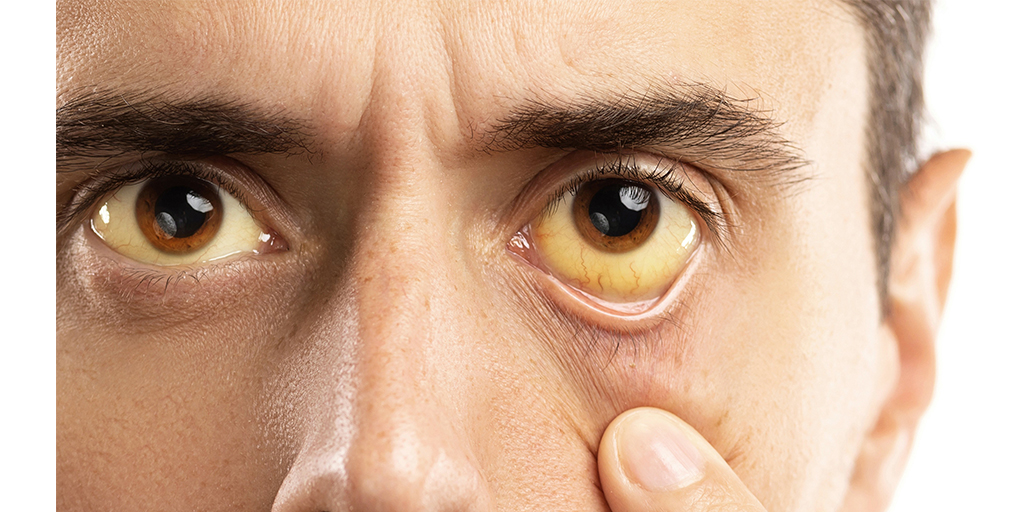
Fatty liver often causes no symptoms in the early stages. Some people may experience fatigue, abdominal discomfort, or unexplained weight gain.
Can fatty liver be reversed with treatment?
Yes, in many cases fatty liver can be reversed through lifestyle changes, weight loss, diet control, and medical care if started early.
What causes fatty liver disease in adults?
The main causes include obesity, diabetes, high cholesterol, alcohol use, and unhealthy diets. Genetics and certain medicines can also contribute.
How is fatty liver disease diagnosed at Graphic Era Hospital in Dehradun?
Doctors use blood tests, ultrasound, FibroScan, and liver function tests to confirm fat build-up and check for liver damage.
What foods should be avoided if I have fatty liver disease?
Foods high in sugar, fried foods, processed snacks, and alcohol should be avoided to prevent further fat build-up in the liver.
What is the difference between alcoholic and non-alcoholic fatty liver disease?
Alcoholic fatty liver is caused by alcohol use, while non-alcoholic fatty liver disease (NAFLD) is linked to obesity, diabetes, and metabolic conditions.
Can fatty liver disease lead to cirrhosis?
Yes, if left untreated, fatty liver can progress to fibrosis, cirrhosis, and even liver failure in severe cases.
Is medicine available for fatty liver treatment?
There is no single medicine to cure fatty liver, but doctors prescribe medicines to control related conditions such as diabetes, cholesterol, and obesity.
How long does it take to recover from fatty liver?
With proper lifestyle changes and medical care, improvements may be seen within a few months, but long-term monitoring is needed to maintain results.
Where can I find the best fatty liver treatment in Dehradun?
Graphic Era Hospital in Dehradun offers advanced diagnosis and personalised treatment for fatty liver disease. With experienced gastroenterologists, modern diagnostic tools such as ultrasound and FibroScan, and comprehensive lifestyle and medical support, the hospital provides complete care to help patients reverse fatty liver and prevent complications.
How can I book a consultation with a fatty liver specialist near me in Dehradun?
To consult gastroenterologists and fatty liver specialists at Graphic Era Hospital, call 1800-889-7351 or use the hospital’s online booking system.
 Emergency 24×7 : 1800 889 7351