
World Liver Day 2026: Understanding Liver Health and Disease Prevention
Liver disease rarely makes an early announcement, and that is what makes it so dangerous. By the time symptoms such as jaundice, abdominal swelling, or persistent fatigue appear, the damage has often been developing silently for years. Across India, conditions such as fatty liver disease, hepatitis, and cirrhosis are becoming increasingly common. Sedentary lifestyles, calorie-dense diets, alcohol consumption, and undiagnosed viral infections are key contributors to this growing burden.
While the liver has a remarkable ability to regenerate, this resilience has its limits. World Liver Day serves as an important reminder that timely awareness, early detection, and preventive care can make a significant difference, because when it comes to liver health, time truly matters.
World Liver Health Day 2026: The Day and What it Stands For
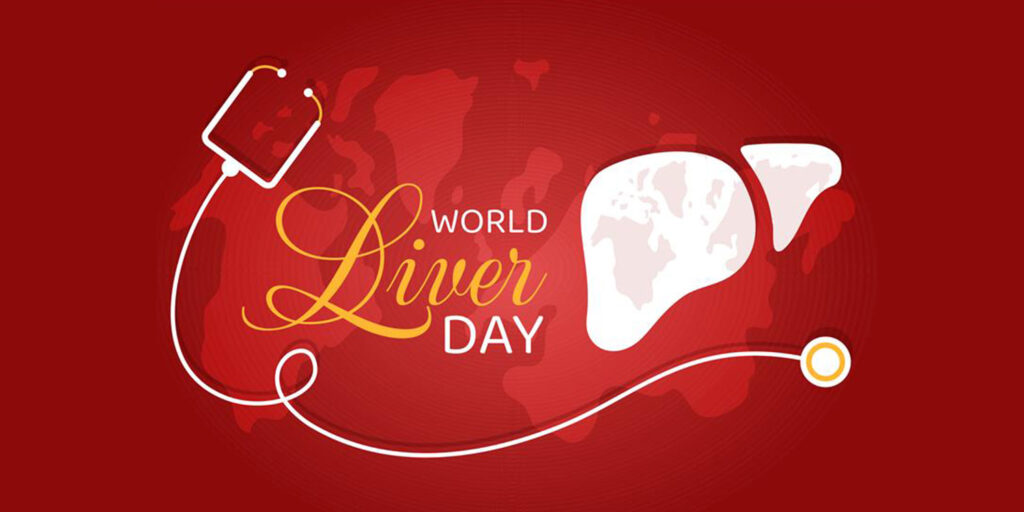
World Liver Day is observed on 19 April every year to raise awareness about liver health, liver disease prevention, and the importance of early diagnosis. It brings together hepatologists, gastroenterologists, public health organisations, and patients globally to remind people that liver disease is preventable, detectable, and in many cases reversible – if caught early enough.
The 2026 theme, “Prioritising Liver Health Through Early Screening and Prevention,” reflects an urgent clinical reality: the majority of liver conditions are diagnosed too late. Fatty liver disease, hepatitis B and C, and early-stage cirrhosis produce few or no symptoms in their initial phases. Without active screening, they progress silently until the window for effective intervention begins to close.
This theme places screening at the centre of the conversation, not as a reactive measure taken after symptoms appear, but as a proactive step that every adult should consider part of routine care, especially those with risk factors such as obesity, diabetes, alcohol use, or a family history of liver disease. Early detection through liver function tests, ultrasound, and FibroScan is not just a clinical recommendation; this World Liver Day, it is the message.
| Good to Know: India carries one of the highest burdens of liver disease in the world. Non-alcoholic fatty liver disease alone affects an estimated 9 to 32% of the Indian population, with urban prevalence significantly higher due to dietary patterns and sedentary work culture. Most of these individuals are entirely unaware of their condition. |
Taking Charge of Liver Health
World Liver Day 2026 is a reminder that liver health is not something to address reactively. The conditions that cause the most damage, such as fatty liver, hepatitis, early cirrhosis, are the ones that produce the least noise in their early stages. Screening is what closes that gap.
If you have not had a liver function test recently, or if you carry any of the risk factors discussed here, such as obesity, diabetes, alcohol use, a history of hepatitis exposure, or a family history of liver disease, this is the right time to act.
At Graphic Era Hospital, our Hepatology and Gastroenterology team provides comprehensive liver health evaluation, including liver function tests, fibroscan, ultrasound, and advanced endoscopic assessment where needed. Care is multidisciplinary, involving hepatologists, dietitians, and critical care specialists working together around each patient’s specific presentation.
Importance of Liver Health
The liver is one of the most vital organs in the human body, responsible for over 500 essential functions, including detoxification, metabolism, digestion, and nutrient storage. It plays a crucial role in filtering toxins from the bloodstream, regulating cholesterol levels, and breaking down fats, proteins, and carbohydrates for energy production. Despite its resilience and regenerative ability, prolonged exposure to harmful substances and unhealthy lifestyle habits can lead to irreversible liver damage.
Liver diseases often develop silently, showing symptoms only in advanced stages, which makes early awareness and preventive care essential. Conditions such as fatty liver disease, hepatitis, and cirrhosis are becoming increasingly common, particularly due to poor diet, alcohol consumption, and a lack of physical activity. Without timely intervention, liver disorders can progress to liver failure or cancer, significantly impacting quality of life.
By understanding the importance of liver health and taking proactive steps to protect it, individuals can reduce their risk of developing liver diseases and improve overall well-being.
Common Liver Diseases and Risk Factors
Liver diseases can develop due to various factors, ranging from poor dietary habits and excessive alcohol consumption to viral infections and genetic predisposition. Below are some of the most prevalent liver diseases and their key risk factors:
1. Fatty Liver Disease (NAFLD & ALD)
- Non-Alcoholic Fatty Liver Disease (NAFLD): Now renamed globally as metabolic dysfunction associated steatotic liver disease (MASLD), Caused by obesity, insulin resistance, and high cholesterol levels, or in presence of metabolic disease for example diabetes mellitus, Hypertension, hypothyroidism etc. NAFLD occurs when excess fat (>5%) builds up in the liver without significant alcohol consumption.
- Alcoholic Liver Disease (ALD): Long-term abnormal alcohol intake damages liver cells, leading to inflammation, fibrosis, and eventually cirrhosis.
2. Hepatitis (A, B, C, D, and E)
- Viral hepatitis affects millions worldwide, with Hepatitis B and C being the leading causes of chronic liver disease and liver cancer.
- Hepatitis A and E are commonly transmitted through contaminated food and water and are causing acute hepatitis which resolve completely, while Hepatitis B, C, and D spread through infected blood and bodily fluids and mostly turned to chronic infection causing chronic hepatitis which following natural course leading into irreversible liver disease and cancer.
3. Liver Cirrhosis
- A progressive scarring/fibrosis of the liver due to prolonged damage/insult from alcohol abuse, chronic hepatitis, or fatty liver disease.
- As cirrhosis advances, liver function declines, leading to complications such as liver failure and an increased risk of liver cancer.
4. Liver Cancer
- Primary liver cancer, particularly hepatocellular carcinoma (HCC) & intrahepatic cholangiocarcinoma (IHCC), often develops due to chronic liver diseases condition such as cirrhosis and hepatitis B or C infections.
- Other risk factors include obesity, excessive alcohol intake, and prolonged exposure to aflatoxins (toxins from contaminated food sources like nuts and grains).
Key Risk Factors for Liver Disease
Several factors increases the likelihood of developing liver diseases, including:
- Unhealthy Diet & Obesity: High intake of processed foods, sugars, and unhealthy fats contributes to fatty liver disease and metabolic disorders.
- Excessive Alcohol Consumption: Chronic alcohol abuse damages liver cells, leading to ALD and cirrhosis.
- Viral Infections (Hepatitis B & C): These infections cause chronic inflammation called chronic hepatitis and scarring, significantly increasing the risk of liver cirrhosis & cancer.
- Toxin Exposure & Smoking: Long-term exposure to chemicals, pesticides, and tobacco accelerates liver damage.
- Diabetes & Hypertension: Both conditions contribute to fatty liver disease and increased liver disease risk.
Symptoms of Liver Disease
Liver diseases often develop silently, with symptoms appearing only when the condition has progressed. Early detection is crucial to prevent complications and improve treatment outcomes. Below are some common symptoms of liver disease at different stages:
1. Early Signs of Liver Disease
- Unexplained fatigue and weakness: Persistent tiredness due to the liver’s reduced ability to process toxins.
- Loss of appetite and nausea: Poor liver function can cause digestive disturbances.
- Mild abdominal discomfort: A dull pain or feeling of fullness in the upper right abdomen.
2. Progressive Symptoms
- Jaundice (yellowing of skin and eyes): A sign of liver dysfunction resulting into bilirubin to buildup in the blood.
- Dark urine and pale stools: Indicates bile outflow obstruction, which affects digestion.
- Itching/Pruritus: It occurs due high bile salt in blood due to high jaundice, which used to worsen during night.
- Swelling in legs and abdomen (ascites): Fluid retention due to liver damage and poor circulation.
3. Severe Symptoms Indicating Advanced Liver Disease
- Confusion and memory problems (Hepatic Encephalopathy): Occurs when toxins accumulate in the brain due to poor liver function.
- Unexplained weight loss and muscle wasting: A result of malnutrition and liver dysfunction.
- Easy bruising and bleeding: The liver’s reduced ability to produce blood-clotting factors.
Preventing Liver Diseases: Embracing the “Food is Medicine” Approach
Prevention is the most effective way to combat liver diseases, and the 2026 theme, “Food is Medicine,” highlights the vital role of nutrition in maintaining liver health. A balanced diet, combined with healthy lifestyle choices, can significantly reduce the risk of liver disorders. Below are key preventive measures aligned with this theme:
1. Prioritise a Liver-Friendly Diet
- Increase Fibre Intake: Whole grains, legumes, fresh fruits, and vegetables support digestion and prevent fat buildup in the liver.
- Choose Healthy Fats: Opt for nuts, seeds, olive oil, fish and omega-3-rich fat instead of trans fats found in processed foods.
- Stay Hydrated: Drinking adequate water aids liver detoxification and improves digestion.
- Limit Sugar and Processed Foods: High sugar intake contributes to fatty liver disease, insulin resistance, and obesity.
- Coffee: Institution of black coffee in the daily life is actually healthy and an important detoxification method for the liver.
2. Maintain a Healthy Weight and Stay Active
- Obesity and sedentary lifestyles are major contributors to Non-Alcoholic Fatty Liver Disease (NAFLD).
- Engage in regular physical activity, such as brisk walking/Jogging, yoga, or strength training, to support metabolism and liver function.
3. Reduce Alcohol and Avoid Smoking
- Alcohol is a major cause of liver inflammation and cirrhosis – moderation or complete avoidance can significantly lower risks.
- Smoking damages liver cells and increases the risk of liver cancer – quitting smoking benefits overall liver and heart health.
4. Get Vaccinated Against Hepatitis
- Hepatitis B and Hepatitis A vaccines offer protection against viral infections that can cause chronic liver disease.
- Practise good hygiene and safe food handling to prevent Hepatitis A and E infections.
5. Regular Health Check-ups and Liver Screening
- Routine liver function tests (LFTs) help detect issues before symptoms appear.
- High-risk individuals (obese, diabetics, chronic alcohol users) should schedule regular screenings by means of LFT test and Fibroscan of the liver for early detection of liver disease.
By following these preventive measures, individuals can protect their liver health and significantly reduce the risk of liver diseases.
When to See a Doctor
Liver diseases often progresses silently, showing symptoms only in advanced stages. Seeking timely medical attention can prevent complications and improve treatment outcomes. It is essential to consult a doctor if any of the following warning signs appear:
1. Persistent and Unexplained Symptoms
- Chronic fatigue and weakness that does not improve with rest.
- Loss of appetite and unexplained weight loss, which could indicate liver dysfunction.
- Frequent nausea or vomiting, especially after meals.
2. Signs of Liver Dysfunction
- Jaundice (yellowing of the skin and eyes), a key indicator of liver problems.
- Dark urine, pale stools & pruritus which suggest bile flow obstruction.
- Abdominal swelling (ascites) or puffiness in the legs due to fluid retention.
3. Symptoms Indicating Severe Liver Damage
- Mental confusion, difficulty concentrating, or memory problems (hepatic encephalopathy) due to toxin buildup in the brain.
- Easy bruising or prolonged bleeding, which suggests impaired blood clotting.
- Severe abdominal pain, especially in the upper right side, indicating possible liver inflammation or infection.
Who Should Get Regular Liver Check-Ups?
- Individuals with obesity, diabetes, or metabolic syndrome.
- Those with a history of alcohol consumption or smoking.
- People with a family history of liver diseases.
- Individuals exposed to Hepatitis B or C viruses.
Early diagnosis is key to preventing irreversible liver damage. If any concerning symptoms arise, seeking expert medical advice can lead to timely interventions and better health outcomes.
Why Choose Graphic Era Hospital for Liver Care?
Managing liver health requires expert medical care, advanced diagnostics, and personalised treatment approaches. At Graphic Era Hospital, patients receive comprehensive care from experienced specialists in hepatology and liver disease management.
1. Expert Hepatologists and Multidisciplinary Care
- Our highly skilled liver specialists provide personalised treatment plans for conditions like fatty liver disease, hepatitis, cirrhosis, and liver cancer.
- A team-based approach involving Hepatologist, critical care, dietitians, and physiotherapists ensures holistic liver care.
2. Advanced Diagnostic and Treatment Facilities
- State-of-the-art liver function tests (LFTs), ultrasound scans, and fibroscan technology for early detection of liver diseases.
- Minimally invasive procedures and interventional treatments, including painless liver biopsy by various methods and advanced standardized endoscopic therapies.
3. Comprehensive Liver Disease Management
- Preventive screenings and lifestyle modification programs to reduce liver disease risks.
- Medical and surgical treatment options for complex liver conditions, including liver cirrhosis and cancer.
4. Patient-Centred Approach
- Personalised diet and lifestyle counselling in line with the “Food is Medicine” approach for liver health.
- Guidance on vaccinations, medication management, and long-term liver care.
With expert care, cutting-edge diagnostics, and a patient-first approach, Graphic Era Hospital is committed to providing the best liver care solutions.
Taking Charge of Liver Health: A Step Towards Wellness
World Liver Day 2026 serves as a crucial reminder that liver health should never be overlooked. With the rising burden of liver diseases, adopting preventive measures such as a balanced diet, regular exercise, and routine check-ups can help safeguard liver function.
If you are experiencing symptoms or have concerns about liver health, schedule a consultation with the liver specialists at Graphic Era Hospital today. Early intervention can make all the difference in maintaining long-term liver health.
Frequently Asked Questions
What is World Liver Day and why is it observed on 19 April?
World Liver Day is an annual global health observance held on 19 April to raise awareness about liver disease, its prevention, and the importance of early detection. It brings together healthcare professionals, patients, and public health organisations to promote liver health education and encourage people at risk to seek screening before symptoms appear.
What is the theme for World Liver Health Day 2026?
The 2026 theme is “Prioritising Liver Health Through Early Screening and Prevention.” It highlights the fact that most liver diseases are silent in their early stages and that proactive screening, rather than waiting for symptoms, is the most effective way to protect liver health.
What are the early signs of liver disease?
Early signs include persistent fatigue, mild discomfort or a sensation of fullness in the upper right abdomen, loss of appetite, and occasional nausea. These are easy to miss or attribute to other causes, which is precisely why screening matters. Jaundice, dark urine, abdominal swelling, and confusion are signs of more advanced disease and require immediate medical attention.
Can liver disease be reversed?
In early stages, yes. Non-alcoholic fatty liver disease, for example, is often reversible through dietary changes, weight loss, and regular exercise. Alcoholic liver disease improves significantly with abstinence when caught before cirrhosis sets in. Advanced cirrhosis and liver cancer, however, are not reversible and require long-term medical management or surgical intervention. This is why early detection is the single most important factor in outcomes.
Who should get a liver check-up and how
Anyone with risk factors, such as obesity, type 2 diabetes, hypertension, regular alcohol consumption, a history of hepatitis B or C exposure, or a family history of liver disease, should have a liver function test at least once a year. Adults over 40 without specific risk factors benefit from including liver screening as part of an annual health check. A hepatologist can advise on the right frequency and type of screening based on individual risk profile.












 Emergency 24×7 : 1800 889 7351