At Graphic Era Hospital, patients with Alzheimer’s disease receive specialised care focused on accurate diagnosis, symptom management, and long-term support. The hospital’s neurology team works closely with psychologists, physiotherapists, and rehabilitation experts to create individualised treatment plans that aim to slow disease progression, enhance cognitive function, and improve quality of life.
Equipped with advanced neuroimaging, cognitive evaluation tools, and structured rehabilitation programmes, the hospital provides both medical and supportive therapies designed to address each stage of Alzheimer’s disease. With compassionate care, clinical expertise, and family-focused support, Graphic Era Hospital ensures that patients receive continuous, dignified, and effective care throughout their treatment journey.
What is Alzheimer’s Disease?

Alzheimer’s disease is a progressive neurological conditionthat causes the brain’s nerve cells to degenerate, leading to a steady decline in memory, reasoning, and cognitive abilities. Over time, it affects speech, judgement, and the person’s ability to perform everyday tasks, making independent living increasingly difficult.
The disease develops gradually, often starting with mild forgetfulness or confusion before advancing to more severe memory loss and disorientation. Unlike normal age-related memory changes, Alzheimer’s disease is caused by abnormal protein deposits in the brain - known as amyloid plaques and tau tangles - which disrupt nerve communication and lead to brain cell death.
While there is currently no cure, early diagnosis and timely intervention can help slow progression and improve quality of life. At Graphic Era Hospital, patients benefit from advanced diagnostic tools and personalised treatment plans aimed at maintaining cognitive function and emotional well-being for as long as possible.
What are the Causes and Risk Factors of Alzheimer’s Disease?
The exact cause of Alzheimer’s disease is not fully understood, but it is believed to result from a combination of genetic, environmental, and lifestyle factors that damage and kill brain cells over time. There are certain factors that increase the likelihood of developing the condition, especially with advancing age.
Common causes and risk factors include:
- Ageing: The risk of Alzheimer’s increases significantly after the age of 65.
- Genetics and family history: People with a parent or sibling affected by Alzheimer’s have a higher risk of developing the disease.
- Abnormal protein deposits: Accumulation of amyloid plaques and tau tangles in the brain disrupts communication between nerve cells.
- Cardiovascular health: Conditions such as hypertension, diabetes, and high cholesterol can contribute to cognitive decline.
- Head injury: Previous traumatic brain injuries may increase susceptibility to dementia.
- Lifestyle factors: Lack of exercise, poor diet, smoking, and social isolation are linked to an increased risk.
- Down syndrome: Individuals with Down syndrome tend to develop Alzheimer’s at an earlier age.
What are the Symptoms and Stages of Alzheimer’s Disease?
The symptoms of Alzheimer’s disease develop slowly and worsen over time as brain cell damage progresses. Recognising early signs helps ensure timely medical attention and better management of the condition.
Common Symptoms of Alzheimer’s Disease
- Memory loss that disrupts daily life, such as forgetting names or recent events
- Difficulty completing familiar tasks at home or work
- Confusion about time, place, or surroundings
- Problems with speech, reading, or writing
- Poor judgement or decision-making
- Mood swings, irritability, or withdrawal from social activities
- Difficulty recognising family members or friends in later stages
Stages of Alzheimer’s Disease
Early Stage (Mild)
Symptoms are subtle, including occasional forgetfulness, misplaced items, and mild confusion. The person may still function independently with some support.
Moderate Stage
Cognitive decline becomes more noticeable. Individuals may experience difficulty recognising people, performing tasks, or communicating clearly. Behavioural changes such as agitation or anxiety may appear.
Advanced Stage
The person loses the ability to communicate, recognise loved ones, or perform daily activities. Full-time care and supervision become necessary.
At Graphic Era Hospital, early intervention and continuous monitoring are prioritised to help patients and families manage each stage effectively through medical, cognitive, and supportive therapies.
How Is Alzheimer’s Disease Diagnosed at Graphic Era Hospital?
Accurate diagnosis is the first step in managing Alzheimer’s disease effectively. At Graphic Era Hospital, specialists use advanced neurological assessments and imaging technologies to detect early signs of the disease and rule out other causes of memory loss or cognitive decline.
Diagnostic methods include:
- Cognitive and memory tests: Assess thinking ability, reasoning, and short-term memory performance.
- Neurological examination: Evaluates reflexes, coordination, balance, and sensory function.
- Brain imaging (MRI or CT scans): Detects brain shrinkage, structural changes, or other abnormalities related to dementia.
- Blood tests: Helps exclude vitamin deficiencies,thyroid disorders, or other conditions that mimic Alzheimer’s symptoms.
- Neuropsychological evaluation: Measures language, attention, problem-solving, and emotional function to confirm cognitive decline.
- Alzheimer’s disease biomarkers: In select cases, cerebrospinal fluid tests or advanced neuroimaging techniques are used to identify early structural or biochemical brain changes.
Alzheimer’s Disease Treatment Options Available at Graphic Era Hospital
Although there is currently no cure for Alzheimer’s disease, timely treatment can help slow its progression, manage symptoms, and improve quality of life. At Graphic Era Hospital, patients receive comprehensive, personalised care that combines medical therapy, cognitive rehabilitation, and family support.
Treatment approaches include:
- Medications: Cholinesterase inhibitors (such as donepezil or rivastigmine) and memantine help enhance memory and cognitive function by improving communication between brain cells.
- Cognitive and behavioural therapy: Focuses on maintaining daily routines, improving focus, and managing anxiety, confusion, or agitation.
- Cognitive stimulation and rehabilitation: Structured activities and memory exercises designed to maintain thinking skills and independence.
- Lifestyle modification: A balanced diet, regular physical activity, and adequate sleep support overall brain health.
- Nutritional and psychological support: Addresses malnutrition, depression, or emotional distress often linked with the disease.
- Family and caregiver counselling: Helps caregivers understand disease progression, manage behaviour changes, and provide effective home support.
- Advanced Alzheimer’s disease treatment in Uttarakhand: Access to modern neuroimaging, non-invasive brain stimulation, and multidisciplinary rehabilitation programmes.
When Should You See a Neurologist for Alzheimer’s Disease?
Early recognition of Alzheimer’s disease symptoms allows for timely intervention and improved management outcomes. It’s important to seek specialist advice if you or a loved one notice gradual changes in memory, thinking, or behaviour that interfere with daily life.
You should consult a neurologist if you experience:
- Frequent memory lapses affecting recent events or conversations
- Difficulty planning, solving problems, or performing familiar tasks
- Confusion about time, place, or surroundings
- Challenges in speaking, writing, or understanding language
- Noticeable mood swings, irritability, or loss of motivation
- Disorientation or wandering behaviour
- Withdrawal from social or professional activities
At Graphic Era Hospital, neurologists use advanced cognitive assessments and neuroimaging tools to evaluate brain health and identify early signs of Alzheimer’s or other forms of dementia. Timely diagnosis helps start treatment early, slow disease progression, and provide better long-term support for both patients and caregivers.
Why Choose Graphic Era Hospital for Alzheimer’s Disease Treatment in Dehradun?
At Graphic Era Hospital, Alzheimer’s care goes beyond diagnosis and medication - it focuses on improving each patient’s quality of life through personalised treatment, rehabilitation, and family support. The hospital combines neurological expertise with compassionate care, ensuring that patients receive the attention and dignity they deserve at every stage of the disease. Here’s what makes Graphic Era Hospital a trusted choice for patients:

Experienced Neurology Specialists: At Graphic Era Hospital, migraine care is led by experienced neurologists and physicians with expertise in diagnosing and managing different types of migraine and headache disorders. When required, they collaborate with other specialists to evaluate overlapping conditions such as sinus problems, hormonal factors, sleep disturbances, mental health concerns, or other neurological issues, ensuring a comprehensive and well-coordinated approach to care that addresses the full range of factors influencing migraine.

Advanced Diagnostic and Therapeutic Technology : The hospital is equipped with cutting-edge neuroimaging systems, cognitive testing tools, and advanced therapy programmes for memory and behavioural management. These technologies enable early detection and help in tracking disease progression with precision.

Comprehensive Long-Term Care and Family Support : Beyond treatment, patients and their families receive ongoing counselling, physiotherapy, and caregiver education. The hospital emphasises emotional well-being, nutritional support, and continuous follow-up care to promote stability and comfort in daily living.
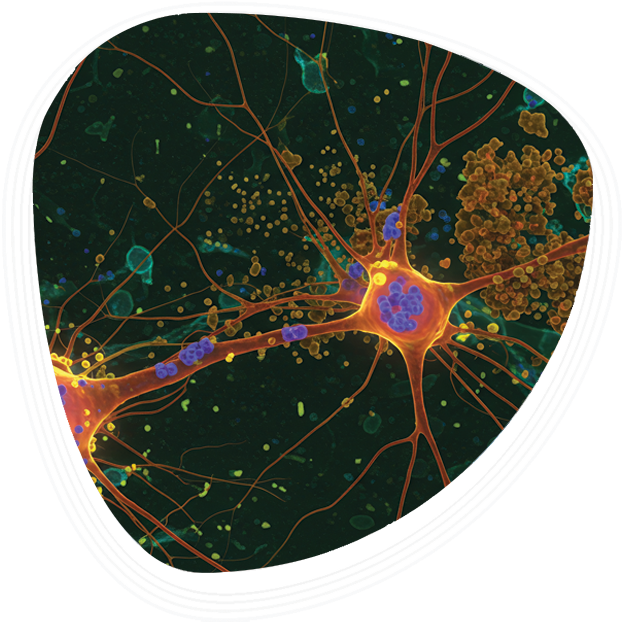
Complications of Alzheimer’s Disease
As Alzheimer’s disease progresses, it affects not only memory and cognition but also physical health, behaviour, and daily functioning. Without proper management, the condition can lead to complications that impact both the patient and their caregivers.
Common complications include:
- Loss of independence: Gradual inability to perform daily tasks such as dressing, eating, and personal hygiene.
- Malnutrition and dehydration: Forgetting to eat or difficulty swallowing can lead to nutritional deficiencies.
- Infections: Weakened immunity and reduced mobility increase the risk of respiratory and urinary infections.
- Falls and injuries: Impaired balance and disorientation can result in serious accidents.
- Emotional and behavioural changes: Depression, anxiety, or aggression may occur due to frustration or confusion.
- Sleep disturbances: Restlessness and altered sleep-wake cycles are common in later stages.
- Social withdrawal: Declining communication skills and memory loss often lead to isolation.
Preventive and Supportive Care for Alzheimer’s Disease
While Alzheimer’s disease cannot always be prevented, certain lifestyle and health measures can reduce the risk or delay its onset. At Graphic Era Hospital, preventive care and supportive therapies are integrated into every treatment plan to help patients maintain mental function and emotional stability.
Preventive and supportive strategies include:
- Staying mentally active: Engaging in reading, puzzles, and memory exercises helps strengthen cognitive function.
- Regular physical activity: Moderate exercise improves blood flow to the brain and supports cardiovascular health.
- Healthy diet: A diet rich in fruits, vegetables, whole grains, and omega-3 fatty acids supports brain health and reduces inflammation.
- Managing underlying conditions: Controlling diabetes, hypertension, and cholesterol can lower dementia risk.
- Social interaction: Staying connected with family and friends reduces isolation and supports emotional well-being.
- Adequate sleep: Good sleep habits are vital for memory consolidation and brain repair.
- Routine neurological check-ups: Early detection of changes allows for timely adjustments in treatment and care.
These measures, combined with medical and psychological support, empower patients and families to manage the disease more effectively and preserve quality of life.
Top Alzheimer’s Disease Treatments Available at Graphic Era Hospital
- Medication Therapy
- Cognitive Rehabilitation
- Behavioural and Psychological Therapy
- Nutritional and Lifestyle Counselling
- Occupational and Physical Therapy
- Family and Caregiver Support Programmes
Blog








Frequently Asked Questions
Can Alzheimer’s disease be cured?
There is currently no cure for Alzheimer’s disease. However, early diagnosis, medication, and lifestyle management can help slow progression, reduce symptoms, and improve quality of life.
Is Alzheimer’s the same as dementia?
No. Dementia is a general term for a group of symptoms that affect memory and thinking, while Alzheimer’s disease is the most common cause of dementia.
Is Alzheimer’s disease hereditary?
Having a family member with Alzheimer’s slightly increases the risk, but genetics alone do not determine whether a person will develop the disease. Lifestyle and environmental factors also play a role.
What age does Alzheimer’s disease usually start?
Most people develop Alzheimer’s after the age of 65, though early-onset cases can appear in people in their 40s or 50s.
Can lifestyle changes really help prevent Alzheimer’s disease?
Yes. Staying physically active, eating a balanced diet, controlling blood pressure, and keeping the mind engaged can help reduce the risk of developing Alzheimer’s.
Where can I find advanced Alzheimer’s disease treatment near me in Dehradun?
Graphic Era Hospital in Dehradun provides comprehensive Alzheimer’s treatment, including advanced diagnostics, medication therapy, rehabilitation, and caregiver support — all under one roof.
Are there Alzheimer’s treatment options near me in Uttarakhand?
Yes. Graphic Era Hospital offers specialised Alzheimer’s care in Uttarakhand with expert neurologists, neuroimaging facilities, and personalised long-term management plans.
Does Alzheimer’s disease require surgery?
No. Alzheimer’s disease is treated through medication, cognitive therapy, and supportive care and not surgery.
How long can a person live with Alzheimer’s disease?
Life expectancy varies depending on the stage at diagnosis and overall health. With proper management and family support, patients can live comfortably for many years after diagnosis.
What does long-term Alzheimer’s care and support involve?
It includes regular neurological check-ups, medication, cognitive stimulation, physical therapy, and emotional counselling for both patients and caregivers.
Does Graphic Era Hospital offer rehabilitation and therapy services for Alzheimer’s?
Yes. The hospital provides cognitive therapy, physiotherapy, and counselling programmes tailored to help Alzheimer’s patients maintain independence and improve daily function.
 Emergency 24×7 : 1800 889 7351