World Cerebral Palsy Day 2026: A Global Call for Awareness, Inclusion, and Action
While cerebral palsy affects movement, posture and coordination, its impact extends far beyond physical challenges. Many people with cerebral palsy also face barriers to education, healthcare, employment and participation in everyday life. World Cerebral Palsy Day 2026 provides an opportunity to challenge these barriers, promote greater understanding and amplify the voices of people living with the condition. It is a global call for families, healthcare professionals, educators, policymakers and communities to work together towards a more accessible and inclusive world, where every person with cerebral palsy has the support, opportunities and respect they deserve.
What is Cerebral Palsy?
Cerebral palsy (CP) is a group of neurological conditions that affect movement and posture, caused by abnormal brain development or damage to the developing brain, usually before birth or during early childhood. Children showing developmental or movement-related concerns may require assessment through paediatric neurology to understand the underlying cause and plan appropriate care.
Types of Cerebral Palsy
- Spastic cerebral palsy: The most common type, characterised by increased muscle tone and stiffness that may make movement difficult.
- Dyskinetic cerebral palsy: Characterised by involuntary movements and changes in muscle tone. These movements may make it difficult to control the arms, legs, hands, feet and, in some cases, the face and tongue.
- Ataxic cerebral palsy: Mainly affects balance and coordination, which may lead to an unsteady gait and difficulty with movements that require precise control.
- Mixed cerebral palsy: Some people have features of more than one type of cerebral palsy, most commonly a combination of spastic and dyskinetic CP.
While cerebral palsy is not progressive, symptoms and related complications may change as a child grows. Early diagnosis, physiotherapy and rehabilitation can help improve movement, function and independence.
What are the Early Signs of Cerebral Palsy in Children?
Cerebral palsy often shows signs in early childhood, and recognising them promptly allows for timely diagnosis and intervention. Common early indicators include:
- Delayed milestones: Difficulty in sitting, crawling, or walking compared to other children of the same age.
- Muscle stiffness or weakness: Either unusually tight or floppy muscles, affecting movement and posture.
- Poor coordination and balance: Trouble with controlling movements, frequent falls, or unsteady gait.
- Speech and swallowing difficulties: Challenges in speaking clearly, chewing, or swallowing food safely.
Not all children show the same symptoms. Persistent delays in movement, coordination or developmental milestones should be assessed by a paediatric neurologist so that appropriate evaluation and early intervention can begin.
What Causes Cerebral Palsy?
Cerebral palsy develops when the brain develops differently or when the developing brain is damaged, affecting the areas responsible for movement, balance and posture. Most cases are congenital, meaning the brain changes occur before or during birth, although cerebral palsy may also develop after birth during the early years of life. In many cases, the exact cause is not known.
Factors associated with cerebral palsy include:
- Premature birth and low birth weight: Babies born early, particularly before 32 weeks, or with a very low birth weight have a higher risk because the developing brain is more vulnerable to injury.
- Infections during pregnancy: Certain maternal infections may affect the developing baby’s brain and increase the risk of cerebral palsy.
- Bleeding or stroke in the developing brain: Disruption of blood flow or bleeding in the brain before, during or shortly after birth may damage areas that control movement.
- Severe untreated jaundice: Very high bilirubin levels may lead to kernicterus, a form of brain damage associated with cerebral palsy.
- Certain birth complications: Problems such as placental separation, uterine rupture or umbilical cord complications may interrupt the baby’s oxygen supply and contribute to brain injury. Lack of oxygen during birth is one possible cause, but it does not account for most cases of cerebral palsy.
- Brain infection or injury after birth: Infections such as meningitis or encephalitis, or a serious brain injury during early childhood, may lead to acquired cerebral palsy.
Having one of these risk factors does not mean a child will necessarily develop cerebral palsy. Regular prenatal care, timely management of pregnancy-related complications and appropriate newborn care may help reduce some preventable risks.
Challenges Faced by People with Cerebral Palsy
Living with cerebral palsy often means coping with difficulties that extend beyond physical movement. Many individuals face barriers in everyday life that affect their independence and participation in society. Common challenges include:
- Mobility issues: Difficulty walking or needing assistive devices such as crutches, wheelchairs, or walkers.
- Communication barriers: Speech difficulties can make it harder to interact and express needs.
- Educational limitations: Children may require special education support and adaptive learning methods.
- Employment restrictions: Adults with cerebral palsy may encounter fewer job opportunities due to physical limitations or workplace inaccessibility.
- Social exclusion: Misunderstanding and stigma often lead to reduced participation in community and social activities.
Addressing these challenges often requires multidisciplinary support involving paediatric care, neurological assessment, rehabilitation, education and appropriate social support.
Rehabilitation and Treatment Options for Cerebral Palsy
Although cerebral palsy cannot be cured, timely intervention and paediatric rehabilitation can help improve mobility, communication and independence. Treatment options for cerebral palsy include:
- Physiotherapy: Helps improve muscle strength, flexibility, and coordination.
- Occupational therapy: Supports children and adults in performing daily tasks more independently.
- Speech therapy: Assists in overcoming speech, language, and swallowing difficulties.
- Medications: May be prescribed to manage muscle stiffness, seizures, or associated conditions.
- Assistive devices: Wheelchairs, braces, and communication aids enable greater independence.
World Cerebral Palsy Day 2026: Date, Campaign and Significance
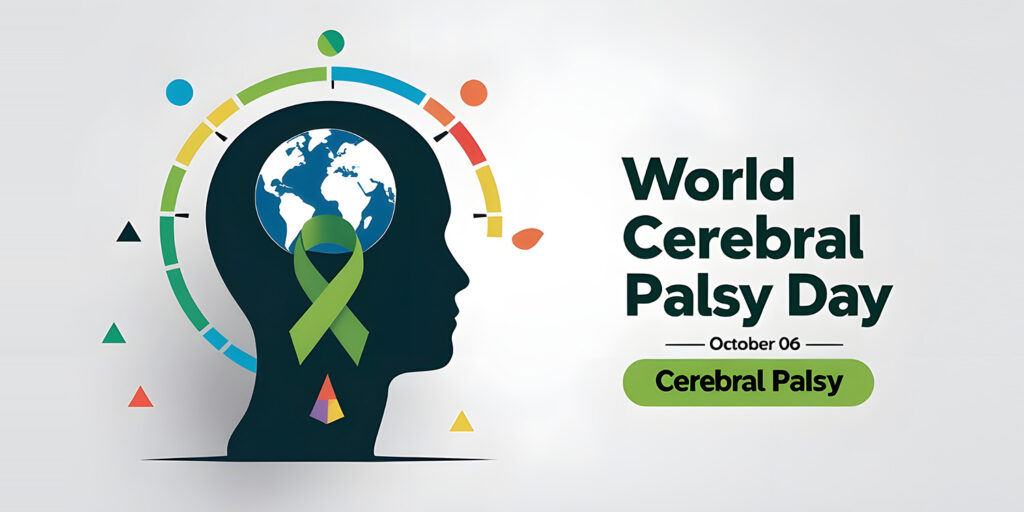
World Cerebral Palsy Day is observed every year on 6 October, bringing together people with cerebral palsy, families, healthcare professionals, advocacy groups and communities around the world. The global movement represents an estimated 50 million people living with cerebral palsy and provides a platform to celebrate their experiences, raise awareness and advocate for meaningful change.
In 2026, the #UniqueANDUnited campaign continues to recognise that every person with cerebral palsy has different experiences, priorities and ideas about what needs to change. At the same time, it encourages people to bring these individual perspectives together to strengthen the collective call for better access, representation and participation.
The campaign also encourages people to share the changes they want to see and reach out to local leaders, organisations or communities that may help turn those ideas into action. This makes World Cerebral Palsy Day not only an awareness initiative, but also an opportunity to ensure that people with cerebral palsy have a stronger voice in decisions that affect their everyday lives.
The colour green continues to be widely associated with cerebral palsy awareness and is used across events, campaigns and community initiatives held around World Cerebral Palsy Day.
How is World Cerebral Palsy Day Observed Globally?
World Cerebral Palsy Day is marked through activities that turn awareness into participation and advocacy. Under the #UniqueANDUnited campaign, the focus is on sharing lived experiences, identifying changes that matter and encouraging communities and organisations to support more inclusive practices.
Activities around the day may include:
- Awareness campaigns: Social media posts, educational sessions and community outreach help improve understanding of cerebral palsy and challenge common misconceptions.
- Sharing lived experiences: People with cerebral palsy and their families are encouraged to share their stories, priorities and perspectives so that their voices remain central to the conversation.
- Advocacy initiatives: Individuals and organisations may raise concerns about accessibility, education, healthcare, employment or community participation and reach out to local leaders, businesses or organisations that can support change.
- Workshops and community events: Seminars, discussions and local programmes may focus on rehabilitation, assistive technology, accessibility and inclusion.
- Green awareness activities: Communities may use green lighting, clothing or campaign materials as part of cerebral palsy awareness initiatives.
Together, these activities help move World Cerebral Palsy Day beyond awareness alone and towards greater representation, participation and action.
How Can You Support People with Cerebral Palsy?
Supporting people with cerebral palsy starts with listening to their experiences and recognising their individual needs, strengths and choices.
Meaningful ways to offer support include:
- Listen to people with cerebral palsy: Give individuals the opportunity to speak about the changes, support or accommodations that matter to them rather than making assumptions on their behalf.
- Challenge misconceptions: Share accurate information about cerebral palsy and speak up against stereotypes or language that reduces a person to their condition.
- Support accessibility and inclusion: Encourage accessible schools, workplaces, healthcare facilities, transport and recreational spaces that allow fuller participation.
- Promote equal opportunities: Support participation in education, employment, sport and community life according to each person’s abilities and interests.
- Support advocacy and community organisations: Volunteer, contribute resources or participate in initiatives led by organisations working with people with cerebral palsy and their families.
- Take part in #UniqueANDUnited: Share a story, start a conversation or highlight a change that could improve everyday life for people with cerebral palsy, and involve people or organisations that may help make it happen.
Support becomes more meaningful when people with cerebral palsy are included in decisions that affect their own lives rather than simply being spoken about.
Conclusion: Unique, United and Moving Towards Change
World Cerebral Palsy Day 2026 is a reminder that every person with cerebral palsy has different needs, strengths and experiences. The #UniqueANDUnited campaign brings attention to these individual voices while encouraging wider action to improve accessibility, participation and opportunities across everyday life.
For children and adults living with cerebral palsy, consistent medical care, physiotherapy and rehabilitation can support mobility, communication and independence over time.Families seeking specialised assessment can consult our Neurology team at Graphic Era Hospital,Dehradun for evaluation and multidisciplinary management of paediatric neurological conditions, including cerebral palsy. To book a consultation at Graphic Era Hospital, simply call 1800-889-7351.
Frequently Asked Questions
What colour represents cerebral palsy awareness?
The colour green symbolises cerebral palsy awareness, representing hope and new beginnings.
How many people are living with cerebral palsy worldwide?
It is estimated that more than 17 million people across the globe live with cerebral palsy, making it the most common physical disability in childhood.
What role do NGOs play in cerebral palsy support?
NGOs provide rehabilitation services, educational support, awareness programmes, and advocacy for the rights of people with cerebral palsy.
How can I participate in World Cerebral Palsy Day events near me?
You can join awareness campaigns, volunteer with local organisations, support fundraising initiatives, or take part in social media movements using official hashtags.
Which hospital offers advanced care and rehabilitation for cerebral palsy in Dehradun?
Graphic Era Hospital in Dehradun provides specialised support for children and adults with cerebral palsy, including physiotherapy, rehabilitation, and expert consultations to help improve mobility, independence, and quality of life.
When is World Cerebral Palsy Day celebrated?
World Cerebral Palsy Day is observed every year on 6th October to raise awareness and advocate for the rights of people with cerebral palsy.
What colour represents cerebral palsy awareness?
The colour green symbolises cerebral palsy awareness, representing hope and new beginnings.
How many people are living with cerebral palsy worldwide?
It is estimated that more than 17 million people across the globe live with cerebral palsy, making it the most common physical disability in childhood.
What role do NGOs play in cerebral palsy support?
NGOs provide rehabilitation services, educational support, awareness programmes, and advocacy for the rights of people with cerebral palsy.
How can I participate in World Cerebral Palsy Day events near me?
You can join awareness campaigns, volunteer with local organisations, support fundraising initiatives, or take part in social media movements using official hashtags.
Which hospital offers advanced care and rehabilitation for cerebral palsy in Dehradun?
Graphic Era Hospital in Dehradun provides specialised support for children and adults with cerebral palsy, including physiotherapy, rehabilitation, and expert consultations to help improve mobility, independence, and quality of life.
When is World Cerebral Palsy Day celebrated?
World Cerebral Palsy Day is observed every year on 6th October to raise awareness and advocate for the rights of people with cerebral palsy.
What is the World Cerebral Palsy Day 2026 theme?
The World Cerebral Palsy Day 2026 campaign, #UniqueANDUnited, celebrates the unique experiences, priorities and ideas of people with cerebral palsy. It calls on individuals and communities to unite their voices and advocate for meaningful changes that promote inclusion, accessibility and participation.
What are the early signs of cerebral palsy in children?
Early signs may include delayed developmental milestones, unusually stiff or floppy muscles, difficulty controlling movement, poor balance or coordination, and problems with feeding, swallowing or speech. Since these signs may also occur with other developmental conditions, persistent concerns should be assessed by a paediatrician or paediatric neurologist.
Can cerebral palsy be cured completely?
Cerebral palsy has no cure, but treatment and rehabilitation can help manage symptoms and improve movement, communication and independence. Support may include physiotherapy, occupational therapy, speech and swallowing therapy, medicines, assistive devices and other treatments based on individual needs.
How does rehabilitation help people with cerebral palsy?
Rehabilitation helps people with cerebral palsy improve or maintain movement, posture, strength, balance, communication and day-to-day skills. Physiotherapy, occupational therapy and speech therapy may be combined according to the person’s age, symptoms and level of independence.













 Emergency 24×7 : 1800 889 7351