
World Alzheimer’s Day 2026: Why Early Dementia Diagnosis Matters
While a missed appointment, difficulty finding familiar words or confusion during routine tasks may seem minor at first, persistent or worsening changes in memory and thinking deserve timely medical attention. With Alzheimer’s disease and other forms of dementia affecting millions of people worldwide, recognising these changes early helps individuals and families understand what may be causing them and seek appropriate medical support.
World Alzheimer’s Day 2026 brings this need into focus by highlighting the importance of timely dementia diagnosis. Although an earlier diagnosis does not remove the challenges of the condition, it gives individuals and families more time to understand what the diagnosis means, explore treatment options, plan future care and prepare for changing support needs. To understand the condition better, in this article, we’ll discuss the early signs of Alzheimer’s disease, how diagnosis takes place and why knowing earlier can make a meaningful difference to care and planning.
World Alzheimer’s Day 2026: Date, Theme and Significance
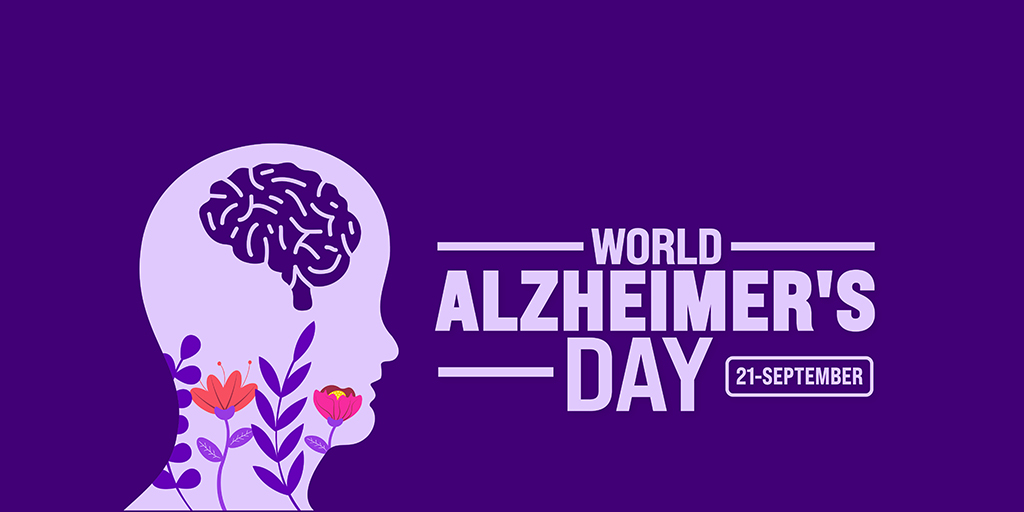
World Alzheimer’s Day is observed every year on 21 September as part of World Alzheimer’s Month, a global campaign led by Alzheimer’s Disease International (ADI). The observance draws attention to dementia, challenges misconceptions surrounding the condition and encourages better access to diagnosis, treatment, care and support for people living with dementia and their families.
What is the Theme of World Alzheimer’s Day 2026?
The 2026 World Alzheimer’s Month campaign focuses on “The Earlier You Know, The More You Can Do: A Dementia Diagnosis Matters.” The theme places early diagnosis at the centre of the conversation, highlighting why persistent changes in memory, thinking or everyday function deserve timely medical evaluation.
An earlier diagnosis gives individuals and families more time to understand the condition, access appropriate care and support, discuss treatment options and make informed decisions about future needs. The campaign also aims to address stigma and misconceptions that may discourage people from seeking an assessment when cognitive changes first become noticeable.
In 2026, World Alzheimer’s Day therefore reinforces a clear message: recognising possible signs of dementia and seeking an evaluation sooner can create more opportunities for care, support and planning.
What is Alzheimer’s Disease?
Alzheimer’s disease is a progressive brain condition and the most common form of dementia, accounting for an estimated 60-70% of dementia cases. It gradually affects memory, thinking, reasoning and behaviour, eventually interfering with everyday activities and independence.
The condition develops as changes occur in the brain over time. Two characteristic changes associated with Alzheimer’s disease are the abnormal build-up of beta-amyloid plaques between nerve cells and tau tangles inside them. These changes disrupt communication between brain cells and contribute to their gradual damage and loss.
Alzheimer’s disease is different from occasional age-related forgetfulness. While forgetting a name or appointment from time to time may occur with ageing, persistent changes that begin to affect familiar tasks, communication, judgement or daily functioning require medical attention. Dementia is not considered a normal part of ageing, even though the risk increases with age.
Early Signs of Alzheimer’s Disease and When to Consult a Doctor
Alzheimer’s disease usually develops gradually, so the earliest changes may be subtle or mistaken for normal ageing. Memory problems are often among the first signs, although changes in language, reasoning, judgement and the ability to manage familiar activities may also occur. What matters most is whether these changes persist, become more noticeable or begin to interfere with everyday life.
Early changes that deserve attention include:
- Memory loss affecting daily life: Frequently forgetting recently learned information, conversations, appointments or important events may signal a change in memory function.
- Difficulty planning or solving problems: Managing finances, following familiar instructions or completing tasks involving several steps may become increasingly difficult.
- Trouble completing familiar activities: Routine activities such as preparing a familiar meal, managing household tasks or navigating a known route may become confusing.
- Confusion about time or place: Losing track of dates, seasons or locations, or becoming disoriented in familiar surroundings, warrants attention.
- Difficulty with words or conversations: A person may struggle to find familiar words, follow a conversation or express thoughts as clearly as before.
- Misplacing items and being unable to retrace steps: Objects may repeatedly be placed in unusual locations, with increasing difficulty remembering where they were kept.
- Changes in judgement or decision-making: Problems managing money, recognising unsafe situations or making familiar decisions may become more noticeable.
- Withdrawal or changes in mood and personality: Reduced interest in usual activities, increased anxiety, suspicion, fearfulness or other noticeable behavioural changes may accompany cognitive decline.
When Do These Changes Need Medical Attention?
Medical evaluation becomes important when memory, thinking or behavioural changes persist, worsen over time or begin to affect daily activities, independence or safety. A consultation is also advisable when family members notice a consistent decline, even if the changes are less apparent to the individual.
These symptoms do not automatically mean Alzheimer’s disease. Memory and thinking problems may also result from other conditions, medicines, sleep disturbances or other potentially treatable causes. Seeking medical advice early helps identify the underlying cause and determine whether further cognitive or neurological assessment is required.
Normal Ageing vs Early Alzheimer’s: What is the Difference?
Some changes in memory and thinking may occur with age, but Alzheimer’s disease causes changes that are more persistent and begin to interfere with everyday life. Dementia is not a normal part of ageing, which makes it important to understand when forgetfulness may require medical attention.
A few differences may help distinguish common age-related changes from possible signs of Alzheimer’s:
| Normal Age-Related Changes | Changes That May Suggest Alzheimer’s Disease |
| Occasionally forgetting an appointment or name but remembering it later | Frequently forgetting recently learned information or important events |
| Misplacing an item from time to time and retracing steps to find it | Repeatedly losing items and being unable to retrace steps |
| Occasionally forgetting which day it is and remembering later | Losing track of dates, seasons or the passage of time |
| Making an occasional poor decision | Showing noticeable and repeated changes in judgement or decision-making |
| Sometimes struggling to find the right word | Frequently losing track of conversations or having increasing difficulty finding familiar words |
| Taking a little longer to complete familiar tasks | Finding routine activities increasingly difficult to manage independently |
These differences are not diagnostic on their own. Memory and thinking changes may also result from other conditions, medicines, sleep problems, depression or nutritional deficiencies. Persistent changes that affect daily function warrant a medical evaluation to identify the underlying cause.
Why an Early Dementia Diagnosis Matters
A dementia diagnosis may feel difficult for individuals and families, but knowing the cause of persistent memory or thinking changes can provide clarity and help guide the next steps. The 2026 World Alzheimer’s Month campaign emphasises that diagnosis opens access to treatment, care and support options that may otherwise be delayed.
An earlier diagnosis matters for several reasons:
Identifying the Cause of Cognitive Changes
Memory loss and changes in thinking do not always mean Alzheimer’s disease. Similar symptoms may occur with depression, medicine-related effects, thyroid problems, vitamin deficiencies or other medical conditions. A thorough assessment helps doctors investigate these possibilities and determine whether dementia or another condition is responsible.
Accessing Appropriate Treatment and Support
Once Alzheimer’s disease or another form of dementia is diagnosed, doctors can discuss suitable treatment and symptom-management options according to the type and stage of the condition. A diagnosis also helps individuals and families access information, support services and ongoing medical care.
Planning for Future Care and Everyday Needs
An earlier diagnosis gives individuals more opportunity to participate in decisions about their future while they are able to express their preferences clearly. Families can discuss living arrangements, safety, long-term care, financial matters and other practical needs before greater support becomes necessary.
Helping Families and Caregivers Prepare
Dementia affects not only the person diagnosed but also those involved in their care. Understanding the condition earlier gives families time to learn what changes to expect, organise support and prepare for evolving care needs.
An early diagnosis does not change every aspect of Alzheimer’s disease, but it gives individuals and families more time to understand the condition, consider available options and make informed decisions about care and the future.
How is Alzheimer’s Disease Diagnosed?
Diagnosing Alzheimer’s disease involves more than checking memory alone. Doctors assess changes in thinking and daily function, review possible medical causes and use different tests to understand whether Alzheimer’s disease or another condition is responsible. A comprehensive evaluation is particularly important because several conditions may cause symptoms that resemble dementia.
The diagnostic process may include:
- Medical history and symptom review: The doctor asks when memory or thinking changes began, how they have progressed and whether they affect everyday activities. Information from a family member or caregiver may also help provide a clearer picture.
- Cognitive assessment: Tests evaluate areas such as memory, attention, language, reasoning and problem-solving to identify patterns of cognitive change.
- Physical and neurological examination: The doctor assesses movement, balance, reflexes, coordination and other neurological functions while looking for conditions that may contribute to the symptoms.
- Blood and laboratory tests: These help identify other possible causes of cognitive problems, such as thyroid disorders or nutritional deficiencies.
- Brain imaging:MRI or CT scans help doctors look for strokes, tumours, fluid build-up or other structural changes that may explain the symptoms. PET imaging may provide additional information in selected cases.
- Alzheimer’s biomarker tests: In specialist care, doctors may use selected blood, cerebrospinal fluid or PET-based tests to look for biological markers associated with Alzheimer’s disease when the results are likely to clarify the diagnosis or guide treatment decisions.
No single assessment provides the complete picture for every patient. Doctors interpret the medical history, cognitive findings, imaging and laboratory results together to reach the most appropriate diagnosis and determine the next steps in care.
What Happens After an Alzheimer’s Diagnosis?
An Alzheimer’s diagnosis gives individuals and families a clearer understanding of what is causing changes in memory, thinking and daily function. It also helps the healthcare team plan treatment, monitor symptoms and organise support according to the person’s needs. Care usually evolves over time as the condition progresses.
The next steps may include:
Treatment and Symptom Management
There is currently no cure for Alzheimer’s disease, but treatment may help manage symptoms and, for some people in the early stages, certain disease-modifying therapies may be considered where clinically appropriate and available. Doctors recommend treatment based on the stage of the condition, overall health and individual suitability.
Supporting Overall Health
Managing general health remains an important part of dementia care. Regular physical activity, a balanced diet, social engagement and appropriate management of conditions such as high blood pressure, diabetes and high cholesterol support overall health and may help reduce additional risks that affect cognitive and physical function. WHO’s updated 2026 guidance also highlights lifestyle and health interventions as part of dementia risk reduction.
Maintaining Cognitive and Everyday Function
Support may include cognitive stimulation, structured routines and practical changes that make everyday activities easier and safer. The goal is to preserve independence for as long as possible while adapting support as memory, communication or functional abilities change.
Planning for Future Needs
An earlier diagnosis gives individuals an opportunity to take part in decisions about future healthcare, living arrangements, finances and long-term support. Planning while decision-making ability remains stronger helps ensure that personal preferences are understood and documented.
Supporting Families and Caregivers
Alzheimer’s disease also affects family members and caregivers who often take on increasing responsibilities as the condition progresses. Education, practical guidance, emotional support and respite or community services may help families manage changing care needs while also protecting caregiver well-being.
Regular follow-up remains important after diagnosis. It allows the medical team to review symptoms, assess changes in daily function, adjust treatment and help families prepare for evolving care needs.
Why Choose Graphic Era Hospital for Alzheimer’s Diagnosis and Care?
Alzheimer’s care begins with an accurate diagnosis and continues with regular monitoring, symptom management and support as needs change over time. At Graphic Era Hospital, our neurology team combines clinical assessment, diagnostic support and personalised care to help individuals and families understand the condition and plan the next steps with greater clarity.
Our approach to Alzheimer’s diagnosis and care includes:
Experienced Neurology Team
Our neurologists evaluate memory, thinking, behaviour and neurological function while considering medical history and other possible causes of cognitive changes. This detailed assessment helps guide diagnosis and an appropriate care plan.
Advanced Diagnostic Support
Graphic Era Hospital provides access to brain imaging, cognitive assessment and laboratory investigations that support the evaluation of memory and thinking problems. These tests help doctors assess neurological changes and rule out other conditions that may cause similar symptoms.
Personalised Treatment and Care Plans
Alzheimer’s disease affects each person differently. Our team plans treatment and ongoing care according to symptoms, stage of the condition, overall health and functional needs, with regular reviews as the condition progresses.
Support for Families and Caregivers
Families often play an important role in Alzheimer’s care. Our team provides guidance on changing care needs, everyday challenges and ways to support safety, comfort and independence as far as possible.
Continued Monitoring and Follow-Up
Alzheimer’s care requires ongoing assessment rather than a one-time consultation. Regular follow-up helps our specialists review changes in symptoms and daily function, adjust treatment where required and guide families as care needs evolve.
Through coordinated neurological care, diagnostic support and personalised follow-up, Graphic Era Hospital helps individuals and families navigate Alzheimer’s disease with clarity, dignity and continued support.
Early Diagnosis Creates More Options for Care
World Alzheimer’s Day 2026 reinforces an important message: recognising cognitive changes early and seeking medical evaluation can create more time for diagnosis, treatment, planning and support. While Alzheimer’s disease progresses differently from one person to another, timely assessment helps clarify the cause of memory or thinking changes and guides the next steps in care.
At Graphic Era Hospital, our neurology team supports patients and families with neurological evaluation, diagnostic testing, personalised treatment and continued follow-up based on individual needs. Early consultation also gives families more time to understand the condition, plan care and prepare for changing support requirements. To book a consultation at Graphic Era Hospital, call 1800-889-7351.
Frequently Asked Questions
What is the theme of World Alzheimer’s Day 2026?
The 2026 World Alzheimer’s Month campaign focuses on “The Earlier You Know, The More You Can Do. A Dementia Diagnosis Matters.” It highlights the importance of recognising cognitive changes early and seeking timely diagnosis, care and support.
When is World Alzheimer’s Day observed?
World Alzheimer’s Day is observed every year on 21 September as part of World Alzheimer’s Month, the global awareness campaign led by Alzheimer’s Disease International.
Does every memory problem mean Alzheimer’s disease?
No. Memory problems may also result from other medical conditions, medicines, depression, sleep problems or nutritional deficiencies. Persistent or worsening changes require medical evaluation to identify the underlying cause.
Which doctor should be consulted for suspected Alzheimer’s disease?
A neurologist is commonly involved in evaluating persistent memory loss, cognitive decline and other neurological changes. Depending on the symptoms and medical history, additional specialists may also contribute to assessment and care.
Why does early diagnosis of Alzheimer’s disease matter?
An earlier diagnosis provides more time to understand the condition, discuss treatment and support, address safety concerns and make decisions about future healthcare, finances and living arrangements.
Is there a single test that confirms Alzheimer’s disease?
Diagnosis usually involves several assessments rather than one test alone. Doctors may review medical history, assess memory and thinking, perform neurological examinations and use laboratory tests or brain imaging. Biomarker testing may also support diagnosis in selected cases.
Can Alzheimer’s disease be cured if diagnosed early?
There is currently no cure for Alzheimer’s disease. Early diagnosis may provide earlier access to appropriate treatment, symptom management, support and planning, and some treatments work best during earlier stages of the condition.
Is Alzheimer’s disease a normal part of ageing?
No. Age increases the risk of Alzheimer’s disease and other forms of dementia, but dementia is not considered a normal consequence of ageing. Persistent cognitive changes that affect everyday functioning warrant medical assessment.
Where can I get evaluated for Alzheimer’s disease near me in Dehradun?
Graphic Era Hospital, Dehradun, provides neurological consultation and diagnostic support for people experiencing persistent memory, thinking or behavioural changes. Assessment may include clinical evaluation, cognitive testing, laboratory investigations and brain imaging according to individual needs.
What happens after an Alzheimer’s diagnosis?
The healthcare team discusses treatment, symptom management, follow-up and support according to the stage of the condition and individual needs. An earlier diagnosis also gives individuals and families more time to plan future care and build appropriate support systems.
Does health insurance cover Alzheimer’s diagnosis and treatment?
Coverage varies by insurer and policy. Diagnostic investigations, consultations, medicines or hospital-based care may have different eligibility conditions, limits or exclusions. Policy details and pre-authorisation requirements are best confirmed with the insurer before treatment.
Can lifestyle changes reduce the risk of dementia?
Some dementia risk is potentially modifiable. WHO’s updated 2026 guidance supports measures such as regular physical activity, managing cardiovascular risk factors and maintaining cognitive and social engagement as part of dementia risk reduction. These measures do not guarantee prevention.
Which is the best hospital for Alzheimer’s diagnosis and treatment near me in Dehradun?
Graphic Era Hospital, Dehradun, offers neurological evaluation, cognitive assessment, brain imaging and personalised care for people with memory and thinking changes. Our neurology team supports diagnosis, treatment planning and follow-up according to the individual’s condition and care needs.
















 Emergency 24×7 : 1800 889 7351