At Graphic Era Hospital, cervical cancer treatment follows a comprehensive, multidisciplinary approach focused on accurate diagnosis and stage-appropriate management. Care is coordinated through close collaboration between gynaecologists, surgical oncologists, and medical oncologists to ensure that every woman receives a carefully structured treatment plan.
Using advanced diagnostic tools and precision-based therapies such as surgery and chemotherapy, treatment is tailored to the individual stage and overall health of the patient. The aim is not only to control the disease but also to preserve quality of life through evidence-based, patient-centred cancer care delivered within a well-equipped oncology infrastructure.
When is Cervical Cancer Treatment Recommended?
Cervical cancer treatment is recommended as soon as a medical evaluation confirms the presence of malignant (cancerous) cells in the cervix or high-grade precancerous lesions that carry a significant risk of progression. At Graphic Era Hospital, our oncology team uses advanced diagnostic imaging and pathology to determine the precise stage of the disease. This ensures that treatment is initiated at the right time, whether to achieve a complete cure in early stages or to control the disease and manage symptoms in more advanced cases. Cervical cancer treatment is generally indicated in the following scenarios:

- Biopsy-Confirmed Malignancy: When a cervical biopsy or colposcopy confirms the presence of invasive cancer cells.
- High-Grade Precancerous Changes: Treatment is recommended for high-grade cervical intraepithelial neoplasia (CIN II or CIN III) to prevent it from developing into invasive cancer.
- Symptoms & Abnormal Screening Results: When symptoms such as abnormal vaginal bleeding, post-coital bleeding, persistent pelvic or back pain, or foul-smelling vaginal discharge are present, or when a Pap smear or HPV DNA test repeatedly shows high-risk abnormalities requiring surgical or medical intervention.
- Advanced-Stage Disease: When imaging (MRI/CT) shows the cancer has spread to nearby pelvic tissues, lymph nodes, or distant organs.
- Recurrent Cancer: If cervical cancer returns after initial treatment, requiring a secondary, often multimodal, treatment plan.
Things to Know Before Undergoing Cervical Cancer Treatment
Before beginning treatment, it is essential to understand that every plan is uniquely tailored to the patient's diagnosis, overall health, and personal goals. At Graphic Era Hospital, we prioritise a transparent approach, ensuring you and your family are fully informed about the clinical path ahead, including fertility considerations and long-term well-being. Key considerations before starting your treatment journey:
- Treatment is determined by the stage of cancer, tumour size, and involvement of nearby lymph nodes.
- Each case is reviewed by a multidisciplinary team of gynaecologists, oncologists, and radiologists to ensure a comprehensive treatment plan.
- In selected early-stage cases, fertility-sparing procedures such as radical trachelectomy may be considered for women who wish to conceive in the future.
- A multimodal approach combining surgery and/or chemotherapy may be recommended depending on disease stage.
- Side effects vary by treatment type; surgical recovery differs from the systemic effects of chemotherapy.
- Length of hospital stay and recovery timelines depend on the procedure performed, with minimally invasive techniques often allowing faster recovery than open surgery.
- Emotional wellbeing is an important part of cancer care, and counselling or support services can help women cope during and after treatment.
- Completion of the primary treatment is just the first step; regular surveillance and follow-up visits are essential to monitor your health and prevent recurrence.
Types of Cervical Cancer Treatment Available at Graphic Era Hospital
Graphic Era Hospital offers a complete range of therapeutic interventions, ranging from organ-preserving surgeries to advanced medical therapies. Our treatment strategy is designed to achieve maximum tumour control while preserving the patient's quality of life and functional well-being.
Surgical Treatment
Surgery is often the primary treatment for early-stage cervical cancer. Our Department of Surgical Oncology specialises in both traditional and minimally invasive techniques:
- Radical Hysterectomy: Removal of the uterus, cervix, part of the vagina, and surrounding tissues in early to locally advanced cases.
- Simple Hysterectomy: Removal of the uterus and cervix; typically reserved for very early-stage or micro-invasive cancer.
- Radical Trachelectomy: Removal of the cervix while preserving the uterus, allowing fertility in selected women.
- Pelvic Lymph Node Dissection: Removal of lymph nodes in the pelvic region to determine if the cancer has spread beyond the cervix.
- Pelvic Exenteration: An extensive surgical procedure for recurrent cancer that involves removing the uterus, vagina, and surrounding affected organs.
- Minimally Invasive and Laparoscopic Surgery: Using the hospital's advanced modular OTs, our surgeons perform Total Laparoscopic Hysterectomy (TLH), which results in smaller incisions and faster recovery.
Medical Treatment
Medical oncology at Graphic Era involves the use of systemic therapies to destroy cancer cells throughout the body:
- Chemotherapy: The use of potent drugs to kill rapidly dividing cancer cells. It may be used before surgery (neoadjuvant) or as a standalone systemic treatment.
- Targeted Therapy: Specialised medications that identify and attack specific proteins or pathways that allow cervical cancer cells to grow and spread.
- Immunotherapy: Advanced treatments that stimulate the patient's own immune system to recognise and destroy cancer cells, often used in recurrent or metastatic cases.
Why Choose Graphic Era Hospital for Cervical Cancer Treatment?
Choosing the right institution for oncology care is a critical decision. Graphic Era Hospital (Dehradun) stands out as a premier destination for cervical cancer treatment in Uttarakhand, combining world-class infrastructure with a compassionate, patient-centered approach. Here is why patients and families trust Graphic Era Hospital for their care:

Surgeons’ Expertise : The hospital is home to a distinguished team of gynaecologic and surgical oncologists who possess deep expertise in performing complex pelvic surgeries. These specialists are supported by a multidisciplinary tumour board that ensures every patient benefits from the collective wisdom of surgeons and medical oncologists working in perfect clinical alignment.

State-of-the-Art Diagnostic and Surgical Infrastructure : Precision in cancer care is driven by advanced technology including our 3 Tesla MRI and 128-slice CT scan which allow for highly accurate staging and treatment planning. The hospital features advanced modular oncology operation theatres designed to facilitate complex minimally invasive procedures that ensure greater surgical accuracy and significantly reduced recovery times for our patients.

Advanced Medical Oncology Systems : Our modern medical oncology unit offers the latest in chemotherapy, immunotherapy, and targeted drug therapies administered under the supervision of highly trained specialists.
Cervical Cancer Recovery & Follow-Up Care
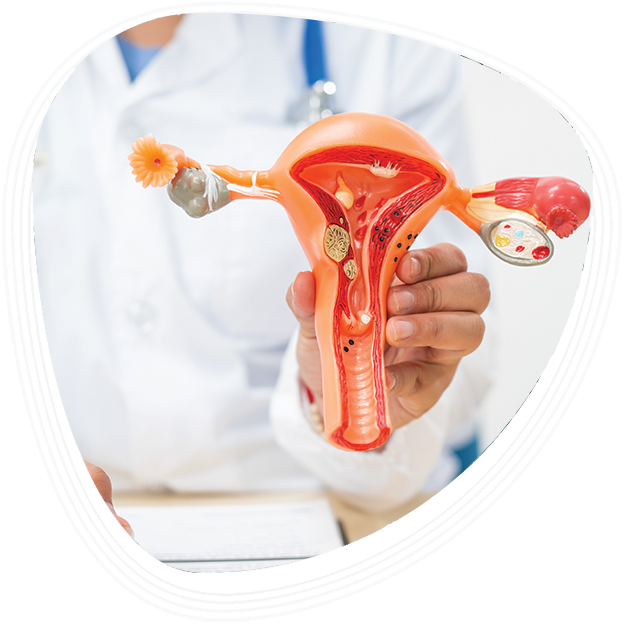
The recovery process following cervical cancer treatment is a journey that extends beyond the hospital walls. Whether you have undergone surgery or chemotherapy, Graphic Era Hospital provides a structured support system designed to monitor your healing, manage the physiological transitions, and ensure long-term wellness. We provide:
- Post-Treatment Transition & Discharge Planning: Before leaving the hospital, our team provides a detailed roadmap for your recovery, including personalised instructions on activity levels, medication schedules, and a clear timeline for returning to daily routines.
- Post-operative Wound Care and Monitoring: For patients who have undergone surgical procedures, our nursing and surgical teams provide specialised wound care and closely monitor surgical sites to prevent infection.
- Chemotherapy Side-Effect Management: Recovery from medical oncology involves careful monitoring of the body's response to treatment, including regular blood count assessments and targeted support to manage side effects such as fatigue or nausea.
- Integrated Pain Management and Nutritional Guidance: Our pain management specialists create personalised plans to ensure comfort, while our clinical nutritionists provide individualised diet recommendations to rebuild strength and maintain overall vitality.
- Psychological Support and Emotional Wellbeing: Our counselling services offer a safe space for patients and their families to navigate the psychological challenges of survivorship with resilience and hope.
- Recurrence Surveillance and Long-term Survivorship: Through scheduled follow-up visits, blood tests, and advanced imaging, we maintain a strict recurrence surveillance protocol focused on maintaining a high quality of life.
Screening & Early Detection for Cervical Cancer at Graphic Era Hospital
Early detection is the most powerful tool in the fight against cervical cancer, often allowing for intervention long before malignant cells develop. By identifying and treating pre-cancerous changes early, we can significantly improve long-term outcomes and, in many cases, prevent the cancer from developing entirely.
- Pap Smear & HPV Testing: The Department of Obstetrics & Gynaecology at Graphic Era Hospital offers routine Pap smears and high-risk HPV DNA testing as the first line of defense. These screenings are designed to identify subtle cellular changes and the presence of the Human Papillomavirus, which is the primary cause of most cervical malignancies.
- Colposcopy: When screening results indicate abnormalities, our specialists perform a colposcopy - an advanced diagnostic procedure using a specialised magnifying instrument. This allows the clinical team to closely examine the cervix, vagina, and vulva for precancerous tissues that are not visible to the naked eye.
- Cervical Biopsy: If suspicious areas are identified during a colposcopy, a cervical biopsy is performed to collect a small tissue sample. This sample is analysed by our pathology department to confirm the exact nature of the cells and determine the extent of the disease, ensuring an accurate diagnosis.
- Early Lesion Management: Once pre-cancerous changes are confirmed, Graphic Era Hospital provides targeted management options such as LEEP (Loop Electrosurgical Excision Procedure) or cryotherapy. These minor interventions remove or destroy abnormal tissues, effectively halting the progression to invasive cervical cancer.
Top Cervical Cancer Treatment Procedures at Graphic Era Hospital
- Radical hysterectomy
- Radical trachelectomy (fertility-preserving surgery)
- Pelvic exenteration for advanced or recurrent cases
- Chemotherapy and targeted medical therapy
- Minimally invasive cervical cancer surgery
Blog







World Cancer Day 2026: Spreading Awareness, Inspiring Action


Frequently Asked Questions
How long can cervical cancer go unnoticed?
Cervical cancer is often called a “silent” disease because it grows slowly and typically does not cause symptoms in its earliest stages. It can go unnoticed for several years, which is why regular Pap smears and HPV testing are vital for catching cellular changes before they turn into cancer.
What does cervical cancer look like?
In its early stages, cervical cancer is usually invisible to the naked eye and is only detected through a microscope or colposcopy. In more advanced stages, it may appear as a growth, mass, or ulcer on the cervix during a pelvic examination.
Who's at risk for cervical cancer?
The primary risk factor is a persistent infection with high-risk types of Human Papillomavirus (HPV). Other factors include smoking, a weakened immune system, long-term use of oral contraceptives, and a history of multiple sexual partners.
What is the role of the HPV vaccine in preventing cervical cancer?
The HPV vaccine is highly effective at preventing the types of HPV that cause the majority of cervical cancers. It is most effective when administered before any exposure to the virus (typically between ages 9 and 26), though it can still provide benefits for older adults.
Can you live a long life after cervical cancer?
Yes. With early detection and modern treatment, many women go on to live full, healthy lives. The key to long-term survival is early intervention and strictly following the post-treatment surveillance plan.
Can cervical cancer be cured completely?
Yes, cervical cancer is considered highly curable, especially when it is detected in the early stages or as pre-cancerous lesions.
What are the warning signs of cervical cancer?
Common warning signs include abnormal vaginal bleeding (between periods or after menopause), bleeding after intercourse, unusual discharge (watery, bloody, or foul-smelling), and persistent pelvic pain.
Does practicing safe sex reduce the risk of cervical cancer?
Yes. Since HPV is a sexually transmitted infection, using condoms and limiting sexual partners can reduce the risk of transmission. However, condoms do not provide 100% protection as HPV can infect areas not covered by a condom.
What is the difference between a Pap smear and an HPV test?
A Pap smear looks for physical changes or abnormal cells on the cervix caused by the virus. An HPV test looks specifically for the presence of the high-risk virus DNA itself. Both are often performed together (co-testing) for maximum accuracy.
Can cervical cancer be detected through regular check-ups?
Absolutely. A routine pelvic exam combined with a Pap smear or HPV test is the most effective way to detect cervical cancer or pre-cancerous changes during an annual wellness visit.
Is surgery always required for cervical cancer treatment?
No. While surgery is common for early-stage cancer, some patients may be treated with chemotherapy or targeted medical therapy depending on the stage and clinical assessment.
Do you need chemo for Stage I cervical cancer?
Not always. Many Stage I cases are treated successfully with surgery alone (like a hysterectomy). However, if the pathology report shows high-risk features after surgery, adjuvant chemotherapy may be recommended.
Is cervical cancer curable at Stage IV?
Stage IV cancer is more challenging to cure because it has spread to other organs. The focus usually shifts to palliative care, which aims to manage the disease, relieve symptoms, and extend a high quality of life for as long as possible.
What are the survival rates for cervical cancer?
The 5-year survival rate for localised cervical cancer (found only in the cervix) is over 90%. This rate decreases as the cancer spreads to lymph nodes or distant organs, emphasising the importance of early screening.
What are the side effects of cervical cancer treatments?
Side effects depend on the treatment but may include fatigue, nausea, and early menopause following certain surgical procedures. Our team provides active supportive care to manage these effects.
Can cervical cancer be prevented?
Yes, it is one of the most preventable cancers. Prevention is possible through a combination of HPV vaccination, regular screenings (Pap/HPV tests), and lifestyle choices like quitting smoking.
 Emergency 24×7 : 1800 889 7351