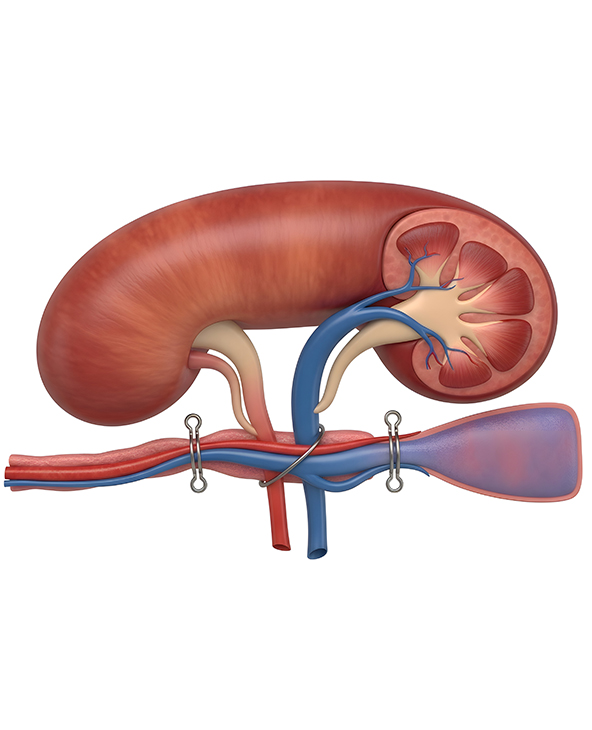
Pyeloplasty is a surgical procedure used to treat a blockage at ureteropelvic junction (UPJ) – the point where the kidney connects to the ureter. This blockage can affect the normal flow of urine from the kidney to the bladder, leading to pain, swollen kidney (hydronephrosis), and an increased risk of kidney damage. For patients requiring pyeloplasty, Graphic Era Hospital provides comprehensive care, supported by a team of experienced urologists and modern surgical facilities, ensuring accurate diagnosis, careful surgical, and world-class post-operative care. With access to minimally invasive techniques and advanced imaging support, Graphic Era Hospital focuses on safe and effective treatment outcomes for patients undergoing pyeloplasty.
When is Pyeloplasty Recommended?
Pyeloplasty is advised when a blockage at the ureteropelvic junction obstruction begins to affect urine drainage and places strain on the kidney. The recommendation is usually based on a combination of symptoms, imaging results, and evidence of reduced kidney function. Here are the key signs and clinical situations that may indicate the need for pyeloplasty:
- Persistent Flank or Abdominal Pain: Ongoing discomfort caused by pressure build-up in the kidney due to poor urine drainage.
- Recurrent Urinary Tract Infections: Repeated infections that occur when urine remains stagnant, creating a favourable environment for bacteria.
- Hydronephrosis: Noticeable swelling of the kidney seen onultrasound or other imaging tests, often indicating a significant obstruction.
- Declining Kidney Function: Reduced performance of the affected kidney observed through nuclear scans or other functional tests.
- Kidney Stones: Increased risk of stone formation due to slow or blocked urine flow.
- Blood in Urine: Presence of blood that may be linked to irritation or pressure changes within the urinary tract.
- Symptoms in Infants or Children: Signs such as irritability, poor feeding, vomiting, or abdominal swelling, often detected during prenatal or early childhood screening.
Surgical correction is typically recommended when these factors suggest that the obstruction is persistent, worsening, or likely to affect kidney health over time.
Schedule Your Appointment with
Our Expert Doctors
We are dedicated to driving lasting, positive transformation in healthcare management through innovation and patient-centered solutions.
Things to Know Before Undergoing Pyeloplasty
Pyeloplasty is a planned surgical procedure, and proper preparation plays an important role in ensuring a smooth surgical experience and recovery. Here are some important points to be aware of before undergoing pyeloplasty:
- Pre-Surgical Evaluation: Imaging tests such as ultrasound, CT scan and nuclear renal scan are conducted to confirm the presence and severity of ureteropelvic junction obstruction and to assess kidney function.
- Medical History Review: Existing health conditions, past surgeries, and ongoing treatments are carefully evaluated to plan the procedure safely.
- Fasting Guidelines: Food and fluid intake is usually restricted for a few hours before surgery as per medical advice.
- Type of Surgery: Pyeloplasty may be performed using open, laparoscopic, or robotic-assisted techniques, depending on the condition and clinical suitability.
- Anaesthesia Details: The procedure is carried out under general anaesthesia, ensuring that no pain is felt during surgery.
- Hospital Stay: A short hospital stay is generally required for monitoring and initial recovery after the procedure.
- Temporary Stent Placement: A small tube is placed inside the ureter to support urine flow during healing, which is removed later.
- Post-Surgery Expectations: Mild pain, fatigue, and temporary discomfort during urination may occur, with gradual improvement over time.
Being aware of these aspects helps in preparing both physically and mentally for the procedure and supports a more structured recovery process.
Types of Pyeloplasty Available at Graphic Era Hospital
Pyeloplasty can be performed using different surgical approaches depending on the severity of ureteropelvic junction obstruction, patient age, and overall clinical condition. The following options are commonly used in practice:
- Open Pyeloplasty: This is the conventional approach that involves a single small incision to access the kidney and ureter directly. It allows precise reconstruction and is often preferred in complex cases, with consistently high success rates.
- Laparoscopic Pyeloplasty: A minimally invasive technique performed through small holes in abdomen using a camera and specialised instruments. It offers reduced pain, smaller scars, and faster recovery compared to open surgery.
- Robot-assisted Pyeloplasty: An advanced minimally invasive method where robotic systems improve precision and control during surgery. It is particularly useful in delicate reconstructive steps and supports quicker recovery.
- Endopyelotomy (Selected Cases): A less invasive option carried out using endoscopic instruments to treat the obstruction internally. It is suitable for carefully selected cases based on the type and extent of blockage.
Why Choose Graphic Era Hospital for Pyeloplasty
Graphic Era Hospital provides structured and reliable care for managing ureteropelvic junction obstruction, with a focus on accurate diagnosis and effective surgical treatment. The approach combines clinical expertise with appropriate surgical techniques to support good outcomes. Key reasons to consider include:

Experienced Urologists: A skilled team with experience in performing open and laparoscopic surgery ensuring appropriate technique selection based on clinical needs.

Advanced Surgical Facilities: Well-equipped operation theatres and access to minimally invasive technology that support precision and safer procedures.

Comprehensive Care Approach: Detailed evaluation, structured treatment planning, and post-surgery monitoring to support recovery and long-term kidney function.
Post-Surgery Care and Recovery After Pyeloplasty
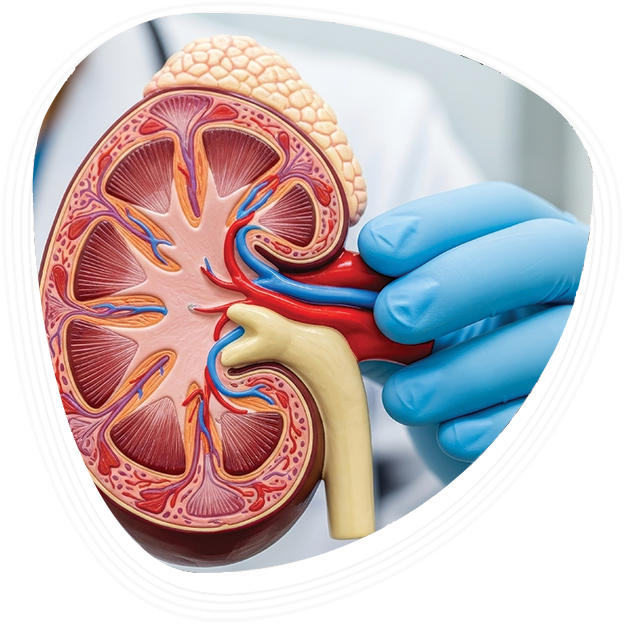
Recovery after pyeloplasty focuses on healing, maintaining proper urine flow, and preventing complications. The post-surgical phase is usually gradual, with most patients showing steady improvement over a few weeks. The following points outline what to expect during recovery and the key aspects of post-surgery care:
- Hospital Recovery Period: Initial monitoring is done in the hospital to assess pain control, urine output, and overall stability in the first few days after surgery.
- Pain Management: Mild to moderate discomfort around the surgical site is common and is managed with prescribed medication.
- Urinary Stent Care: A temporary stent may be placed to support urine flow from the kidney. Some discomfort, urgency, or mild burning during urination can occur until it is removed.
- Activity Restrictions: Light activities can usually be resumed within a few days, but heavy lifting and strenuous movement should be avoided for a few weeks.
- Wound Care: Surgical incisions need to be kept clean and dry to reduce the risk of infection and support proper healing.
- Hydration and Diet: Adequate fluid intake is encouraged to maintain urine flow and support recovery, along with a balanced diet.
- Follow-Up Visits: Regular check-ups and imaging tests help assess healing and confirm that the obstruction related to ureteropelvic junction obstruction has been successfully resolved.
- Return to Normal Routine: Most patients gradually return to daily activities within a few weeks, depending on the type of surgery performed and overall recovery progress.
Proper adherence to post-surgery instructions supports healing and helps maintain long-term kidney function.
Risks and Possible Complications After Pyeloplasty
Pyeloplasty is generally a safe and effective procedure, but like any surgery, it carries certain risks. The following are some potential risks and complications associated with pyeloplasty:
- Infection: There may be a risk of infection at the surgical site or within the urinary tract, which may require medical treatment.
- Bleeding: Mild bleeding is expected, but in rare cases, significant bleeding may require further intervention.
- Urine Leakage: Leakage of urine from the surgical site can occur if healing is delayed, though it is usually temporary.
- Stent-Related Discomfort: A temporary ureteral stent may cause symptoms such as urinary urgency, burning, or mild pain until it is removed.
- Recurrence of Obstruction: In some cases, the blockage related to ureteropelvic junction obstruction may recur, requiring further evaluation or treatment.
- Injury to Surrounding Structures: Rarely, nearby tissues or organs may be affected during surgery.
- Delayed Healing: Recovery may take longer in some cases, especially if there are underlying health conditions.
Regular follow-up and timely reporting of symptoms such as fever, severe pain, or difficulty in urination help in managing these risks effectively and support a smoother recovery process.
Top Pyeloplasty Procedures Available at Graphic Era Hospital
- Open Pyeloplasty
- Laparoscopic Pyeloplasty
- Endopyelotomy
- Mini-Laparoscopic Pyeloplasty
- Percutaneous Endopyelotomy
- Balloon Dilation (Endopyeloplasty)
- Hybrid Laparoscopic-Assisted Pyeloplasty
- Redo/Secondary Pyeloplasty
Patient Stories





Blog






Frequently Asked Questions (FAQs)
How long does a typical pyeloplasty surgery take?
Pyeloplasty usually takes between 2 to 3 hours depending on the type of surgery and complexity of the obstruction.
Is pyeloplasty suitable for both children and adults?
Yes, pyeloplasty can be performed in patients of all ages, including infants, children, and adults, with techniques adapted to suit the patient’s age and anatomy.
What type of anaesthesia is used during pyeloplasty?
General anaesthesia is administered to ensure the patient remains fully unconscious and pain-free throughout the procedure.
Are there non-surgical alternatives to pyeloplasty?
Some minor obstructions may be managed temporarily with stents or balloon dilation, but definitive correction usually requires surgery.
How soon after pyeloplasty can normal diet be resumed?
Patients can typically resume a normal diet within a day or two after surgery, once nausea or discomfort from anaesthesia subsides.
When can patients return to work or school after surgery?
Light activities can usually resume within 1 to 2 weeks, while more strenuous tasks are advised to be avoided for 4 to 6 weeks, depending on recovery progress.
Are imaging tests needed after pyeloplasty to confirm success?
Yes, follow-up imaging such as ultrasound or a nuclear renal scan is usually performed to confirm that the obstruction has been resolved and urine flow is normal.
Can pyeloplasty affect overall kidney function long-term?
When performed successfully, pyeloplasty preserves kidney function and helps prevent long-term damage caused by obstruction.
What precautions are needed at home after stent removal?
Maintaining hydration, monitoring urine output, and observing for symptoms such as pain, burning, or fever are important after stent removal.
How often should follow-up visits be scheduled post-surgery?
Follow-up visits are generally scheduled at 2 weeks, 6 weeks (for stent removal) and then periodically based on recovery progress and imaging results.
 Emergency 24×7 : 1800 889 7351