A ventricular septal defect (VSD), commonly referred to as a “hole in the heart,” is a congenital condition in which an abnormal opening exists between the heart’s lower chambers (ventricles). This opening allows oxygen-rich and oxygen-poor blood to mix, placing extra strain on the heart and lungs over time. While some small defects may close on their own, larger or symptomatic VSDs require timely medical evaluation and appropriate intervention.
At Graphic Era Hospital, Dehradun, VSD treatment is delivered through a comprehensive, multidisciplinary approach involving paediatric cardiologists, cardiothoracic surgeons, interventional cardiologists, and critical care specialists. Using advanced imaging, minimally invasive techniques, and evidence-based treatment protocols, care is tailored to the patient’s age, defect size, and overall clinical condition, with a strong focus on long-term cardiac function and quality of life.
What Causes Ventricular Septal Defect (Hole in the Heart)?
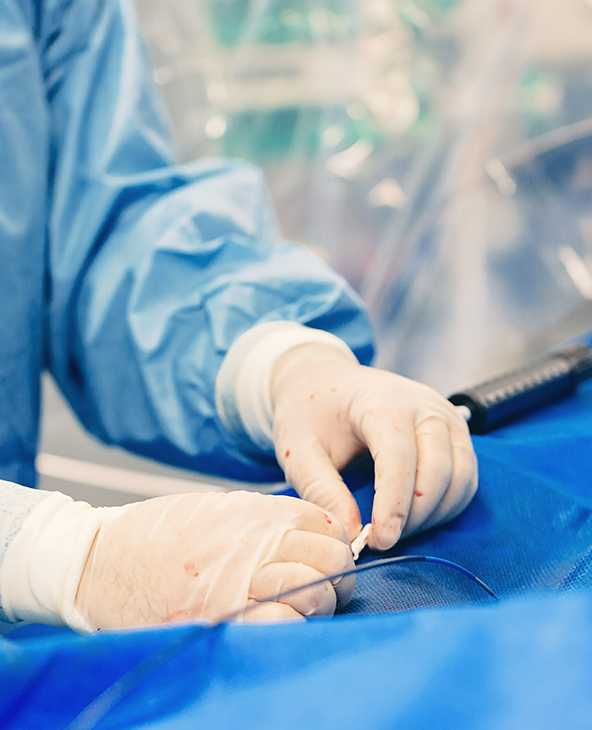
A ventricular septal defect is primarily a congenital heart condition, meaning it develops before birth due to incomplete formation of the wall (septum) separating the heart’s ventricles. In most cases, the exact causes of VSD are not clearly identified, but they are believed to result from disruptions in normal heart development during early pregnancy.
Certain factors may increase the likelihood of a hole in the heart, including genetic conditions, maternal infections, uncontrolled diabetes during pregnancy, or exposure to certain medications. In some cases, VSD may occur as part of a broader congenital heart defect. Understanding the causes of holes in heart conditions helps guide early diagnosis and appropriate treatment planning.
What are the Symptoms of Ventricular Septal Defect?
The symptoms of ventricular septal defect vary depending on the size of the defect and the extent of blood flow between the heart chambers. Small defects may not cause noticeable symptoms and are often detected incidentally during routine examinations.
In infants, common hole in heart baby symptoms include rapid breathing, difficulty feeding, poor weight gain, excessive sweating, and fatigue. Larger defects may lead to frequent respiratory infections or signs of heart failure.
In older children and adults, symptoms of hole in heart in adults may include shortness of breath, reduced exercise tolerance, fatigue, or palpitations. Some individuals with small defects may remain asymptomatic for years before diagnosis.
When is VSD Treatment Recommended and Why is it Done?
VSD treatment is recommended when the defect leads to significant blood flow imbalance, symptoms, or risk of long-term complications. Early intervention is essential in moderate to large defects to prevent damage to the lungs and avoid irreversible cardiac strain.
Treatment may be advised in the following situations:
- Moderate to large ventricular septal defect confirmed on echocardiography
- Symptoms such as rapid breathing, poor feeding, or failure to thrive in infants
- Shortness of breath, fatigue, or reduced exercise tolerance in older children or adults
- Signs of heart failure or recurrent chest infections
- Elevated pressure in the pulmonary arteries (pulmonary hypertension)
- Enlargement of the heart chambers due to increased blood flow
- Persistent defect that does not close spontaneously over time
- Complications such as valve involvement or risk of endocarditis
Types of Ventricular Septal Defect
Ventricular septal defects are classified based on their location within the septum, which plays an important role in determining their behaviour, potential complications, and treatment approach. The main types include:
- Perimembranous VSD: The most common type, located in the upper part of the septum near the heart valves. These defects may vary in size and, in some cases, can affect nearby valves.
- Muscular VSD: Found in the lower, muscular portion of the septum. These may be single or multiple (sometimes described as “Swiss cheese” defects) and have a higher likelihood of closing spontaneously over time.
- Inlet VSD: Located near the tricuspid and mitral valves, this type is often associated with more complex congenital heart conditions and may require specialised evaluation.
- Outlet (Supracristal) VSD: Found near the outflow tracts of the heart, close to the pulmonary and aortic valves. These are less common but may lead to valve-related complications if untreated.
The type and location of the defect influence its severity, associated risks, and whether monitoring, catheter-based intervention, or surgical repair is the most appropriate treatment option.
Things to Know Before Starting VSD Treatment
Treatment for ventricular septal defect depends on the size, location, and haemodynamic impact of the defect. At Graphic Era Hospital, care ranges from observation and medical management to advanced interventional and surgical correction.
Medical Management
- Observation and Monitoring: Small, asymptomatic VSDs are regularly monitored through periodic clinical evaluations and echocardiography, as many may close spontaneously over time without intervention.
- Medications for Heart Failure: Diuretics and other medications are used to reduce fluid overload, improve symptoms, and decrease the workload on the heart in patients with significant defects.
- Nutritional Support: Especially important in infants, nutritional support helps ensure adequate growth and development in children who may have feeding difficulties due to increased cardiac demand.
Interventional Treatment
- Device Closure (Transcatheter VSD Closure): A minimally invasive procedure in which a specialised device is delivered through a catheter to close the defect, avoiding the need for open-heart surgery in suitable cases.
- Cardiac Catheterisation: This procedure is used to assess pressure and blood flow within the heart and may also assist in planning or performing device-based closure.
Surgical Treatment
- Open Heart VSD Repair: Surgical closure of the defect using sutures or a patch is performed under cardiopulmonary bypass, offering a definitive solution for large or complex defects.
- Minimally Invasive VSD Repair (Axillary Approach): In selected patients, VSD closure can be performed through a small incision in the underarm (axilla), avoiding a full chest incision. This approach offers the benefits of reduced visible scarring, potentially shorter recovery time, and improved cosmetic outcomes, while maintaining surgical precision.
- Complex VSD Repair: Required for patients with multiple defects or associated congenital abnormalities, this involves advanced surgical techniques tailored to the individual anatomy.
- Valve Repair (if needed): If the defect affects nearby heart valves, surgical correction is performed to restore normal valve function and prevent long-term complications.
Doctors Available

Why Choose Graphic Era Hospital for VSD Treatment?
Ventricular septal defect management requires specialised cardiac expertise, particularly in infants and children. At Graphic Era Hospital, care is guided by precise diagnosis, multidisciplinary collaboration, and a strong emphasis on safety and long-term outcomes

Specialised Cardiac Expertise : Our team includes paediatric cardiologists, cardiothoracic surgeons, and interventional specialists experienced in managing congenital heart defects across all age groups. Treatment plans are tailored based on detailed cardiac evaluation and patient-specific needs.

Advanced Cardiac Diagnostics : Accurate diagnosis is supported by high-resolution echocardiography, Doppler studies, and advanced imaging techniques that help assess defect size, blood flow dynamics, and associated complications.

Minimally Invasive & Surgical Excellence : Where appropriate, minimally invasive catheter-based closure is offered to reduce recovery time and hospital stay. For complex cases, advanced surgical techniques ensure precise repair with excellent clinical outcomes.
VSD Diagnostic & Evaluation Services at Graphic Era Hospital
A detailed diagnostic workup is essential to confirm the presence of a ventricular septal defect and determine the most appropriate treatment approach.
The evaluation pathway includes:
- 2D Echocardiography with Doppler: The primary tool used to detect the defect, assess its size, and evaluate blood flow between the ventricles.
- Electrocardiogram (ECG): Helps assess heart rhythm and detect signs of chamber enlargement or strain.
- Chest X-ray: Provides information about heart size and any associated lung changes due to increased blood flow.
- Cardiac Catheterisation: Performed in selected cases to measure pressures within the heart and lungs and guide treatment planning.
- Pulse Oximetry: Measures oxygen levels in the blood and helps assess the functional impact of the defect.
- Advanced Imaging (CT/MRI): Used when detailed anatomical evaluation is required, particularly in complex cases.
VSD Recovery & Follow-Up Care
Treatment of a ventricular septal defect requires ongoing monitoring and supportive care to ensure optimal recovery and long-term heart health.
Post-treatment care includes:
- Post-Procedural Monitoring: Close observation after device closure or surgery to ensure stable cardiac function and early detection of any complications.
- Paediatric Cardiac Follow-Up: Regular echocardiograms are performed to monitor healing, assess residual defects, and evaluate heart function over time.
- Growth and Development Monitoring: Especially important in infants and children to ensure normal physical and developmental progress.
- Infection Prevention: Guidance is provided to reduce the risk of infective endocarditis, particularly in the early post-treatment period.
- Activity Guidance: Gradual return to normal physical activity is advised based on recovery status and clinical assessment.
- Medication Management: Medications may be prescribed or adjusted following treatment to support recovery and cardiac function.
Top VSD Treatment Procedures at Graphic Era Hospital
- Transcatheter (device) closure of ventricular septal defect
- Open heart surgical repair of VSD
- Minimally invasive VSD closure through axillary (underarm) approach
- Medical management for symptomatic heart failure
- Cardiac catheterisation for diagnosis and intervention
- Paediatric cardiac monitoring and long-term follow-up
Advanced Diagnostics & Technology
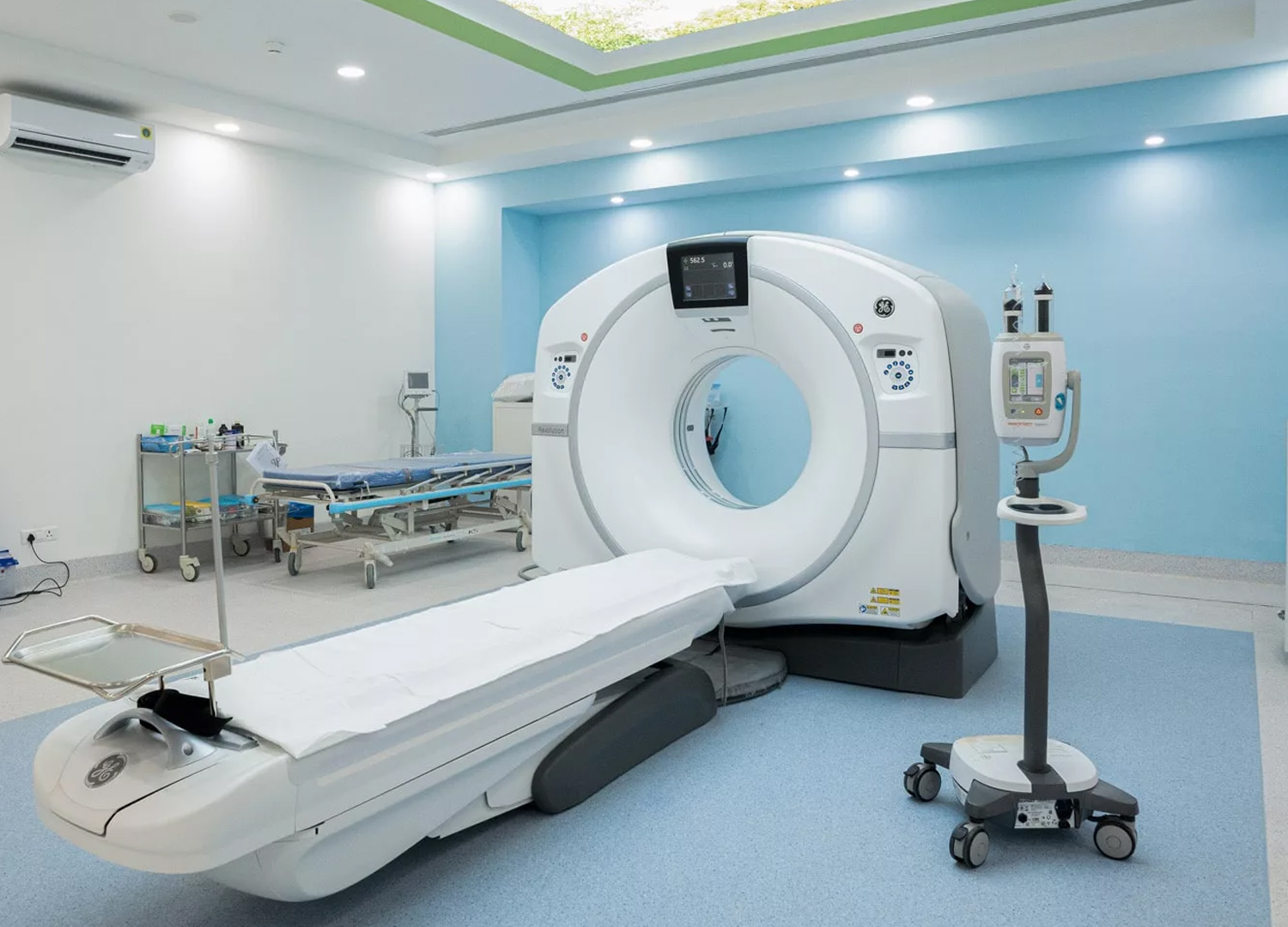
- Offers high-resolution imaging for detailed blood vessel analysis, aiding in accurate diagnosis and treatment planning.
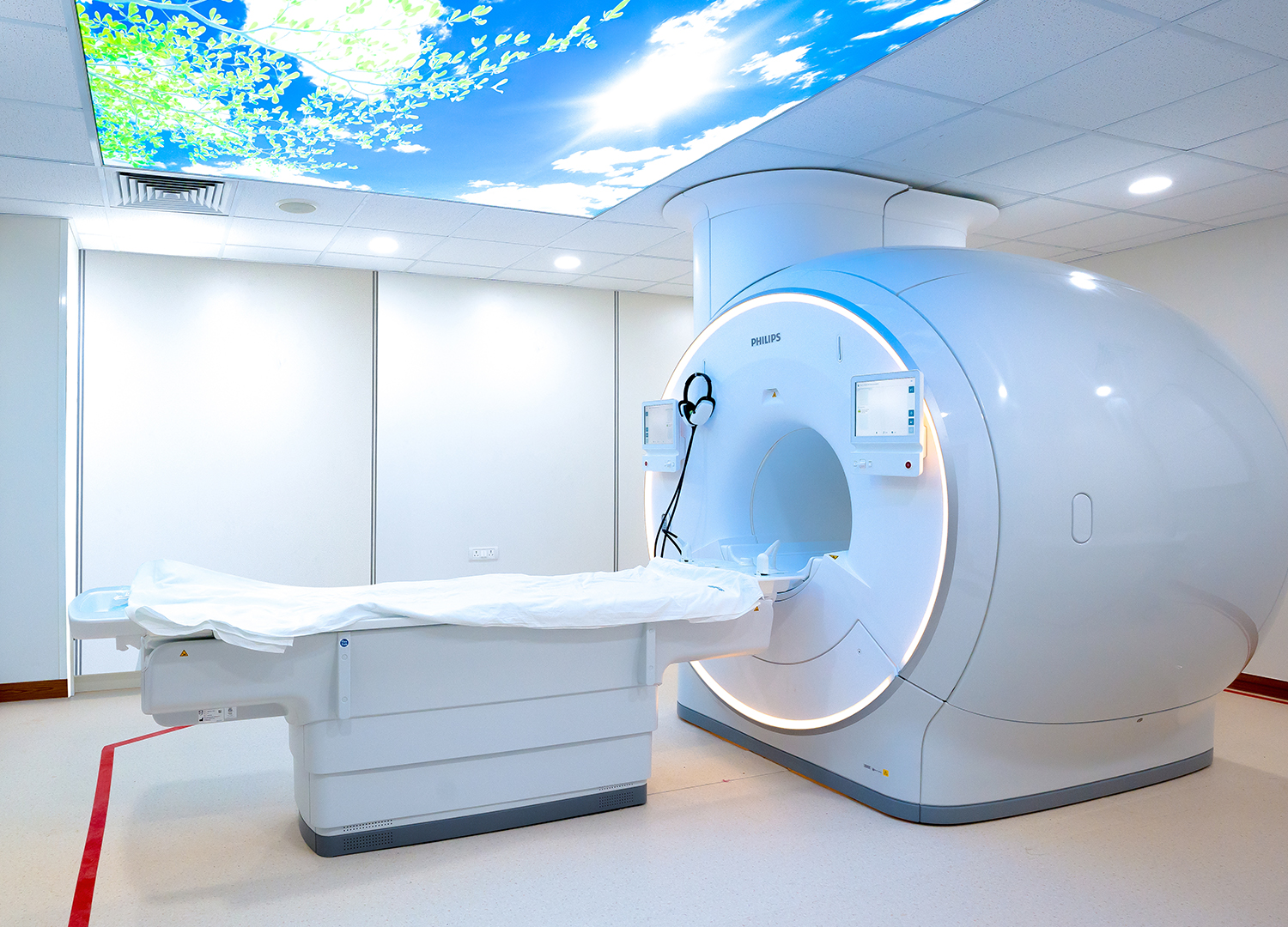
- Delivers advanced imaging with high resolution for clear, detailed views of soft tissues, ensuring precise diagnostics.
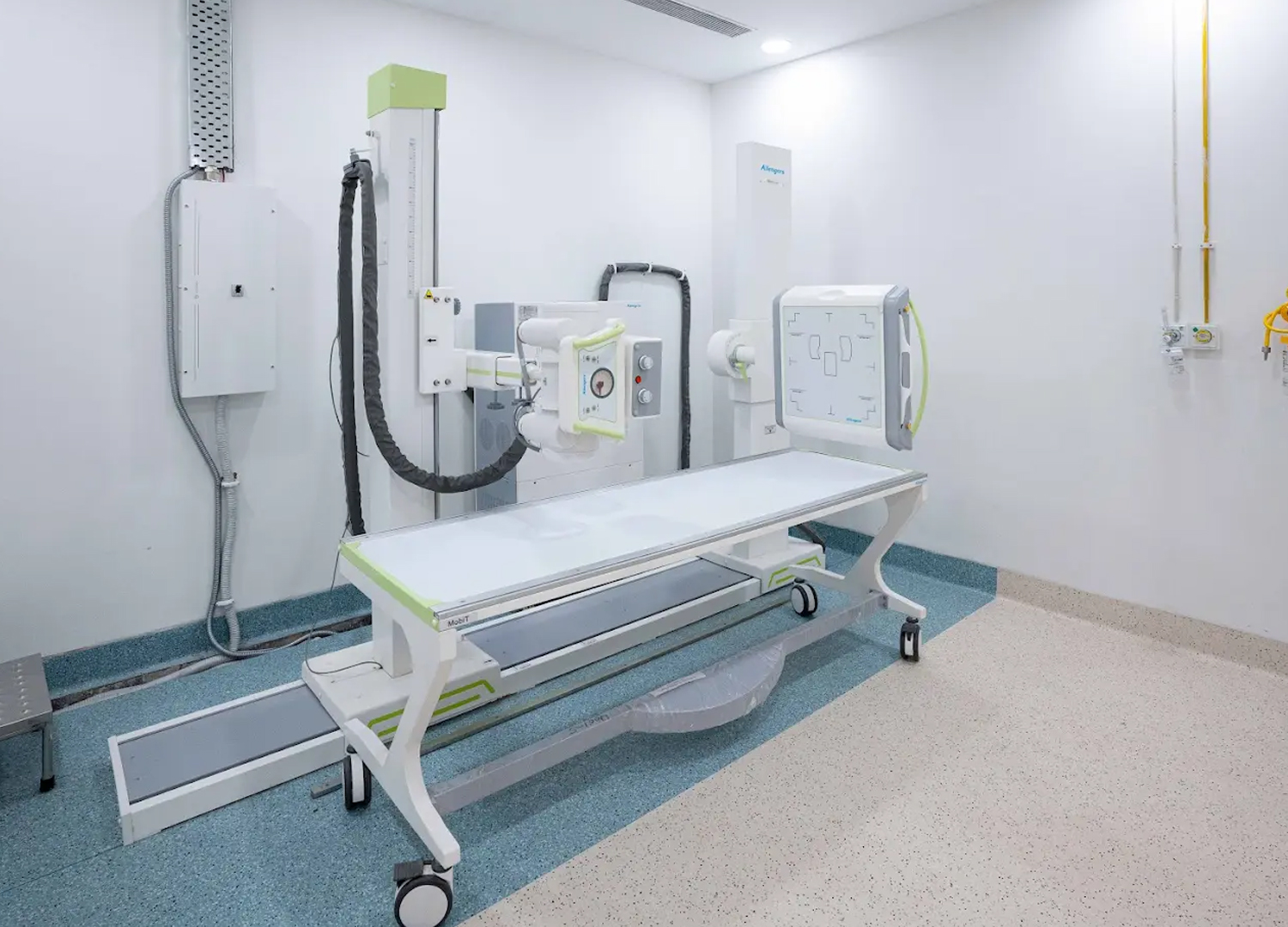
- Provides high-quality, detailed radiographic images for accurate diagnosis with minimal exposure to radiation.
Other Specialities


Patient Stories
Blog



Heart Attack: Symptoms and Treatment


Increased Heart Rate: Causes, Risks, and When to Seek Medical Attention
Frequently Asked Questions (FAQs)
Can a ventricular septal defect close on its own?
Yes, many small ventricular septal defects close naturally during infancy or early childhood. Regular monitoring is important to track changes in size and ensure no complications develop.
Is surgery always required for a hole in the heart?
No, surgery is not always necessary. Small or asymptomatic defects may only require observation, while moderate to large defects may need device closure or surgical repair based on symptoms and heart function.
What happens if a VSD is left untreated?
If a significant VSD is not treated, it can lead to complications such as pulmonary hypertension, heart failure, or damage to heart valves over time. Early evaluation helps prevent these long-term risks.
At what age is VSD treatment usually done?
Treatment timing depends on the severity of the defect and symptoms. Some infants may need intervention within the first year, while others may be monitored for spontaneous closure before deciding on treatment.
How is VSD detected in babies?
VSD is often detected through a heart murmur during routine examination and confirmed with echocardiography. Symptoms like poor feeding, rapid breathing, or poor weight gain may also prompt evaluation.
Is transcatheter (device) closure safe?
Yes, transcatheter closure is a minimally invasive and widely used procedure for suitable cases. It avoids open-heart surgery and typically involves shorter recovery time with excellent outcomes.
Can adults have a ventricular septal defect?
Yes, some individuals may reach adulthood with an undiagnosed or small VSD. Symptoms such as breathlessness or fatigue may appear later, and evaluation is recommended if such symptoms occur.
What is the recovery time after VSD surgery or device closure?
Recovery varies by treatment type. Device closure usually allows faster recovery within days, while surgical repair may require a few weeks, with gradual return to normal activity under medical guidance.
Will my child be able to live a normal life after VSD treatment?
Most children go on to live normal, active lives after successful treatment. Regular follow-up ensures healthy heart function and early detection of any residual issues.
Is follow-up necessary after VSD treatment?
Yes, follow-up care is essential to monitor heart function, check for residual defects, and ensure proper growth and development, especially in children.
What is the survival rate for babies with a hole in the heart?
The survival rate for babies with a ventricular septal defect is generally very high, especially with early diagnosis and timely treatment. Many small defects close naturally, while larger defects can be successfully managed with medical or surgical intervention.
What does a hole in the heart report show?
A hole in the heart report, usually based on echocardiography, provides detailed information about the size, location, and type of the defect, as well as its impact on blood flow and heart function. This helps doctors determine the most appropriate treatment approach.