
7 Lifestyle Choices That Can Help Lower the Risk of Cancer
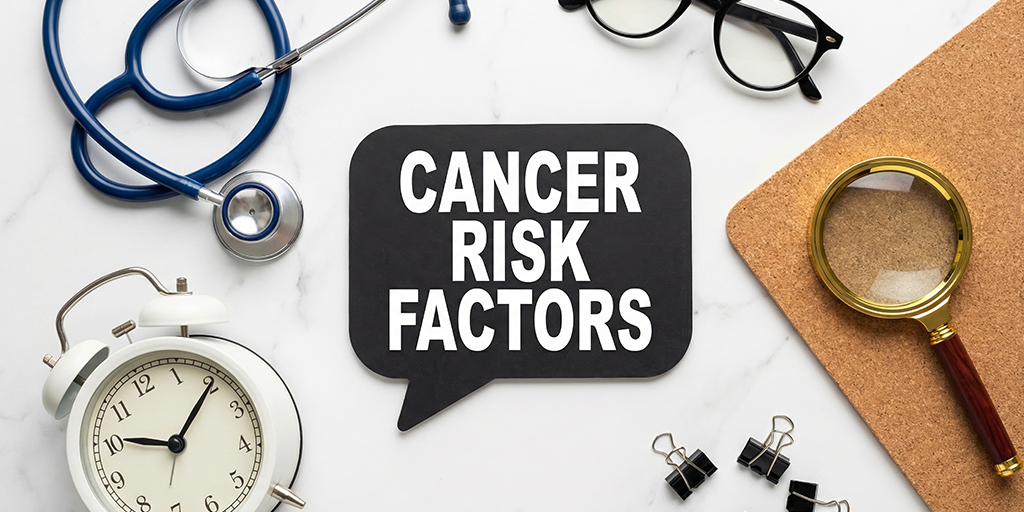
Cancer is often perceived as something that strikes without warning, shaped largely by genetics or chance. While not all cancers can be prevented, research shows that everyday lifestyle choices play an important role in influencing cancer risk. The food we eat, how active we are, our exposure to tobacco and alcohol, and even how we manage stress can affect our long-term health, and a combination of such factors could cause cancer. Understanding these connections empowers individuals to take the right steps toward prevention. That’s why, in this article, we’ll explore seven lifestyle choices that, when adopted consistently, can help lower the risk of cancer and support overall wellbeing.
1. Avoiding Tobacco
Avoiding tobacco in all forms is one of the most important steps for cancer prevention. Smoking cigarettes, using smokeless tobacco, or being exposed to secondhand smoke significantly increases the risk of many types of cancer, including lung, mouth, throat, and bladder cancer. Making the choice to stay tobacco-free not only lowers cancer risk but also supports heart and lung health, improves energy levels, and enhances overall wellbeing. Even small steps, such as avoiding smoke-filled environments or seeking support to quit, can have a meaningful impact.
2. Maintaining a Healthy Weight
Maintaining a healthy weight plays an important role in lowering the risk of several cancers, including breast, colorectal, and endometrial cancer. Excess body fat can affect hormone levels, increase inflammation, and place added stress on the body’s normal regulatory processes. Keeping weight within a healthy range supports better metabolic balance and overall body function. Regular physical activity, mindful portion sizes, and balanced meals contribute to weight stability over time and also support energy levels, mobility, and long-term health beyond cancer prevention.
3. Engaging in Regular Physical Activity
Regular physical activity plays a key role in reducing the risk of several types of cancer, including breast, colon, and endometrial cancer. Staying active helps regulate hormone levels, reduce inflammation, and support healthy digestion, all of which contribute to better control of abnormal cell growth. Physical activity also supports immune function and helps maintain a healthy body weight, both of which are closely linked to cancer prevention.
Simple ways to stay physically active include:
- Daily movement: Walking, cycling, or using stairs instead of lifts
- Planned exercise: Structured workouts or sports on most days
- Reduced sitting time: Taking short breaks from prolonged sitting
Simple daily movement can make a meaningful difference when done consistently.
4. Following a Diet Rich in Plant-Based Foods
A plant-forward diet focuses on eating more fruits, vegetables, whole grains, legumes, nuts, and seeds. These foods are rich in fibre, antioxidants, and natural compounds that help protect cells from damage and support normal cell function. Diets higher in plant-based foods have been linked to a lower risk of several cancers, particularly those affecting the digestive system.
Key components of a plant-forward diet include:
- Fruits and vegetables: Provide vitamins, minerals, and protective antioxidants
- Whole grains and legumes: Support digestion and help regulate blood sugar levels
- Limiting processed foods: Reduces intake of additives, excess salt, and unhealthy fats
Shifting meals to include more plant-based foods on a regular basis supports cancer prevention and overall health without requiring strict dietary restrictions.
5. Limiting Alcohol Consumption
Limiting alcohol intake is an important step in reducing the risk of several cancers, including cancers of the mouth, throat, liver, breast, and colon. Alcohol can damage cells directly and interfere with the body’s ability to absorb and use essential nutrients. Regular or excessive drinking can increase inflammation and disrupt hormone balance, both of which are linked to cancer development. Reducing alcohol consumption, even gradually, can help lower cancer risk and support overall health over time.
6. Using Sun Protection
Using sun protection is essential for lowering the risk of skin cancer and preventing long-term skin damage caused by ultraviolet radiation. Repeated or unprotected sun exposure can damage skin cells and affect the body’s ability to repair cellular changes, increasing the risk of abnormal cell growth over time. Consistent sun protection also helps maintain healthy skin and reduces premature ageing.
Effective sun protection includes:
- Regular sunscreen application: Using broad-spectrum sunscreen and reapplying as needed, especially during prolonged outdoor exposure
- Protective clothing: Wearing wide-brimmed hats, sunglasses, and clothing that covers exposed skin
- Limiting peak exposure: Reducing time spent in direct sunlight during peak daylight hours
Making sun protection a regular part of daily life, rather than an occasional effort, supports long-term skin health and cancer prevention.
7. Opting for Regular Screening and Vaccinations
Opting for regular screening and recommended vaccinations plays an important role in both cancer prevention and early detection. Screening tests can identify precancerous changes or early-stage cancers before noticeable symptoms develop, which allows treatment to begin at an earlier and more manageable stage. Vaccinations help protect against certain viral infections that are known to increase cancer risk by causing long-term changes in healthy cells.
Keeping up with age-appropriate screening schedules and vaccination guidance supports timely medical care and reduces the likelihood of cancer progressing unnoticed.
Consult a Specialist at Graphic Era Hospital
Cancer prevention isn’t about achieving perfection or overhauling your entire life overnight. It’s about understanding your personal risk factors, staying aware of what your body is telling you, and taking practical steps when it matters most – with the support of experienced medical professionals who can guide you through the process. If you have concerns about your cancer risk, aren’t sure whether you need screening, or simply want clarity on what steps are right for you, the specialists at Graphic Era Hospital are here to help. To schedule an appointment, call us at 1800 889 7351. Our team is ready to listen, support you, and work with you every step of the way.
Frequently Asked Questions
Can family history increase cancer risk even with a healthy lifestyle?
Yes, a family history of cancer can increase risk for certain types of cancer. However, lifestyle and preventive care still play a strong role in lowering overall risk and improving early detection. Genetics may influence risk, but they do not determine outcomes on their own.
Does stress directly cause cancer?
Stress alone does not cause cancer, but long-term unmanaged stress can weaken immune function and affect overall health. Chronic stress may indirectly influence cancer risk by disrupting sleep, appetite, and other body processes that support cellular repair.
Are dietary supplements effective for cancer prevention?
Most supplements have not shown the same protective benefits as nutrients obtained from whole foods. Taking supplements without medical advice can sometimes do more harm than good. A healthcare professional can guide appropriate use based on individual needs.
Can exposure to pollution and chemicals increase cancer risk?
Long-term exposure to air pollution, industrial chemicals, and certain household substances may increase cancer risk. Reducing exposure where possible and following safety guidelines at work and home can help lower this risk.
Is cancer prevention only important after a certain age?
Cancer prevention matters at every stage of life. Healthy habits, risk awareness, and timely medical care started early can have lasting benefits and reduce the likelihood of developing cancer later on.
Should symptoms always be present before seeing a doctor?
No. Many cancers develop without noticeable symptoms in the early stages. Seeking medical advice based on risk factors, family history, or routine health checks is often more effective than waiting for symptoms to appear.










 Emergency 24×7 : 1800 889 7351