
World Leprosy Day 2026: Why Awareness is Still Important Today
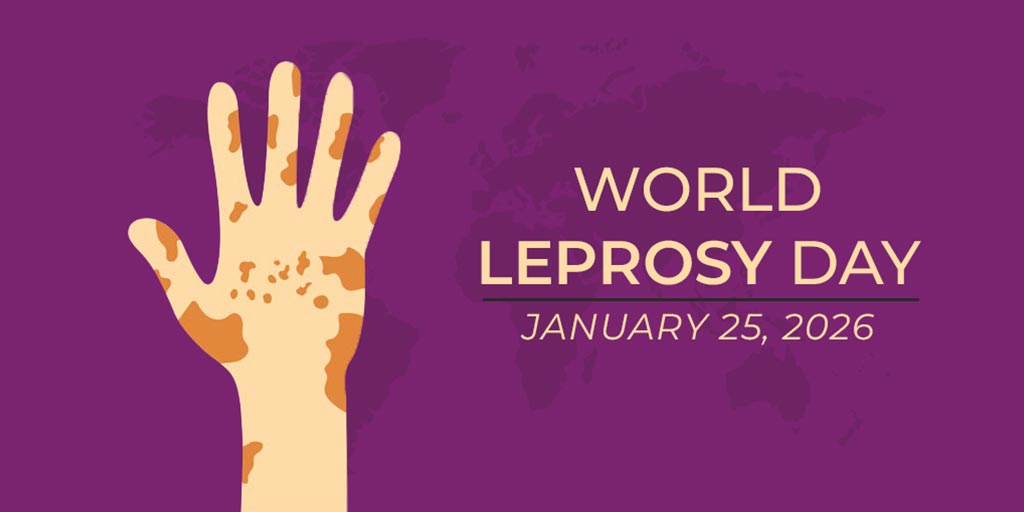
Leprosy is often perceived as a disease of the past, yet it continues to affect thousands of people every year, particularly in countries such as India. Despite being completely curable with early diagnosis and timely treatment, leprosy remains surrounded by myths, fear, and social stigma. These misconceptions not only delay medical care but also contribute to discrimination and social exclusion for those affected.
World Leprosy Day serves as an important reminder that awareness still matters. The day highlights the need to recognise early signs, encourage timely treatment, and promote dignity and inclusion for people living with or affected by leprosy. By keeping the conversation alive, World Leprosy Day reinforces a simple but powerful message: leprosy is a medical condition, not a social label, and awareness is key to ending both the disease and the stigma associated with it.
World Leprosy Day: History, Purpose, and When it is Observed
World Leprosy Day is observed every year on the last Sunday of January to focus global attention on leprosy and the need for sustained awareness, early care, and social inclusion. The observance was initiated in 1954 by French humanitarian Raoul Follereau, whose work highlighted the dignity, rights, and rehabilitation of people affected by the disease at a time when leprosy was widely misunderstood and neglected.
The purpose of World Leprosy Day extends beyond medical awareness. It seeks to challenge long-standing myths, reduce fear driven by misinformation, and encourage acceptance of people affected by leprosy in everyday social life. A central message of the day is that leprosy is curable, and that early diagnosis can prevent disability and long-term complications.
In India, World Leprosy Day is commonly observed on 30 January, coinciding with Martyrs’ Day, the death anniversary of Mahatma Gandhi. This alignment reinforces the values of compassion, service, and social responsibility. On this occasion, government bodies, health institutions, and community organisations conduct awareness programmes, screening activities, and outreach initiatives to encourage early reporting and reduce stigma at the grassroots level.
Leprosy in India: Why Awareness Still Matters
India has witnessed a significant decline in leprosy prevalence due to sustained public health efforts under the National Leprosy Elimination Programme (NLEP). The prevalence rate has fallen from 57.2 per 10,000 population in 1981 to approximately 0.57 per 10,000 in 2024–25, reflecting a 99% reduction over more than four decades. Widespread availability of free multidrug therapy and improved surveillance systems have been central to this progress.
Despite these gains, leprosy transmission has not been completely interrupted. India continues to detect over 100,000 new cases annually, contributing to nearly half of the world’s newly reported cases. This persistent case load highlights gaps in early detection rather than a lack of treatment access.
Awareness therefore remains critical. Because leprosy progresses slowly and early symptoms are often mild or painless, diagnosis is frequently delayed until nerve damage or visible disability occurs. Continued public education helps promote timely medical evaluation, prevents avoidable complications, and supports national efforts to move closer to the goal of zero transmission while ensuring dignity and care for those affected.
Understanding Leprosy
Leprosy, also known as Hansen’s disease, is a long-term infectious condition that primarily affects the skin, nerves, and, in some cases, the eyes and nasal lining. It develops slowly, often over several years, which is why early changes may go unnoticed or be mistaken for minor skin or nerve issues. Importantly, leprosy is a medical condition caused by bacteria and is not linked to personal hygiene, lifestyle, or moral beliefs.
With timely medical care, leprosy can be effectively treated and cured. The condition does not automatically lead to disability, and most complications arise only when diagnosis and treatment are delayed. Understanding leprosy as a manageable health condition is essential to reducing fear, encouraging early care, and supporting affected individuals with respect and dignity.
Types of Leprosy
Leprosy can present in different forms depending on how an individual’s immune system responds to the infection. These variations influence the number of skin lesions, the extent of nerve involvement, and the duration of treatment required. Understanding the types of leprosy helps explain why symptoms and treatment plans may differ from one person to another.
Broadly, leprosy is classified into the following types:
Paucibacillary (PB) Leprosy
This is a milder form of the disease.
- Usually involves a small number of skin patches
- Nerve involvement is limited or mild
- Skin lesions may show reduced sensation
- Requires a shorter duration of treatment when diagnosed early
With timely medical care, people with paucibacillary leprosy typically recover well without long-term complications.
Multibacillary (MB) Leprosy
This form involves a higher bacterial load and requires closer medical monitoring.
- May cause multiple skin lesions across different body areas
- Nerve involvement can be more extensive if left untreated
- Symptoms may include numbness, weakness, or thickened nerves
- Requires a longer course of multidrug therapy
Early diagnosis and consistent treatment help prevent nerve damage and disability, even in multibacillary cases.
Borderline Forms of Leprosy
Some people may show features that fall between the milder and more extensive forms.
- Symptoms can vary over time
- The disease may shift towards milder or more severe forms without treatment
- Regular follow-up is important to monitor progression and response to therapy
Regardless of the type, leprosy is a fully treatable medical condition. Early diagnosis, appropriate classification, and completion of treatment play a key role in ensuring recovery and preventing complications.
Stages of Leprosy Disease
Leprosy develops gradually and may progress over time if not identified and treated. In the early stage, changes are often mild and may involve limited skin patches or altered sensation. Because these changes are usually painless, they may not immediately draw attention.
In later stages, untreated leprosy can involve deeper nerve changes, which may affect strength or sensation in the hands, feet, or face. In more advanced stages, prolonged nerve involvement can interfere with normal function. Understanding this gradual progression highlights how leprosy evolves over time rather than appearing suddenly.
How Leprosy Spreads: What People Should Know
Leprosy spreads through prolonged and close contact with an untreated person who has the infection. It is believed to be transmitted mainly through respiratory droplets released during coughing or sneezing over long periods, not through casual or brief interactions. Everyday activities such as shaking hands, sharing meals, hugging, or sitting together do not spread leprosy.
It is also important to know that most people have natural immunity to the bacteria that cause leprosy. This is one of the reasons why the disease does not transmit easily and why early treatment is highly effective in stopping further transmission. Clear understanding of leprosy transmission helps reduce unnecessary fear and supports timely medical care.
Recognising Early Signs of Leprosy and When to Seek Medical Advice
The early signs of leprosy often develop gradually and may not cause pain, which is why they are sometimes overlooked or mistaken for minor skin issues or nerve concerns. These changes usually begin in the skin or peripheral nerves and can remain stable for long periods. Awareness of early warning signs helps people seek medical advice before the condition progresses.
Early signs that may require medical evaluation include:
- Persistent light-coloured or reddish skin patches that do not fade or heal over time
- Reduced or altered sensation in affected skin areas, including difficulty sensing touch, heat, or pain
- Numbness or tingling in the hands, feet, or face
- Weakness in fingers or toes, affecting grip or fine movements
- Dry, rough, thickened, or shiny skin patches, particularly when sensation is reduced
- Changes around the eyes, nose, or face that do not resolve
Medical advice should be sought if these changes persist for weeks or months, even if they do not cause discomfort. Because leprosy develops slowly, waiting for symptoms to worsen is not advisable. Early consultation allows doctors to assess concerns accurately, start treatment when required, and provide reassurance when symptoms are due to other conditions.
Why Early Awareness and Diagnosis Matter
Early awareness allows leprosy to be identified before it interferes with nerve function or daily activities. When medical care is sought at an early stage, treatment can be started promptly, supporting better recovery and long-term outcomes.
Awareness also helps people feel confident about seeking medical advice without fear or hesitation. Recognising that leprosy is curable encourages timely consultation and treatment completion. At a community level, early awareness contributes to better health outcomes and reduces the overall impact of the disease.
How is Leprosy Diagnosed?
Leprosy is diagnosed through a structured medical evaluation carried out by a skin specialist. The process focuses on confirming the condition early while avoiding unnecessary tests.
Diagnosis may include:
- Detailed clinical examination to assess skin changes and areas of reduced sensation
- Nerve assessment to check for numbness, tingling, or weakness
- Skin smear or skin biopsy, when required, to confirm the presence of infection
- Classification of disease type, which helps guide treatment duration and follow-up
These steps help doctors make an accurate diagnosis and start appropriate treatment at the earliest stage.
Is Leprosy Curable? Understanding Treatment and Recovery
Leprosy is a completely curable condition when diagnosed and treated appropriately. The standard treatment involves multidrug therapy (MDT), a combination of antibiotics that targets the bacteria responsible for the disease. The duration of treatment varies based on the type and extent of leprosy but follows a clearly defined course to ensure complete cure. Once treatment begins, the infection rapidly becomes non-infectious, meaning it no longer poses a risk to others.
Most people respond very well to treatment and can continue their daily activities, including work and social interactions, during recovery. Early initiation of therapy significantly reduces the risk of nerve damage, deformities, and long-term complications. Completing the full course of medication as prescribed is essential, even if symptoms improve early, to prevent relapse and ensure lasting results.
Advances in Leprosy Treatment and Care
In recent years, improvements in leprosy management have focused on earlier detection, simplified treatment protocols, and better prevention of complications. Key developments include:
- Improved diagnostic techniques, allowing doctors to identify the disease earlier and assess nerve involvement more accurately
- Refined MDT regimens, which are effective, well-tolerated, and easier for patients to complete
- Better management of reactional episodes, which are inflammatory responses that can occur during treatment and require timely medical care
- Integrated rehabilitation and nerve care, including physiotherapy and protective strategies to preserve function
Research continues to focus on shortening treatment duration where possible, improving nerve recovery, and strengthening community-based follow-up. These advancements have helped transform leprosy from a feared condition into a manageable and curable disease, provided medical care is sought early and followed consistently.
Breaking Myths and Reducing Stigma
Although leprosy is a curable medical condition, long-standing myths continue to shape how it is perceived in society. These misconceptions often create fear, delay diagnosis, and affect the emotional well-being of those living with the condition. Addressing stigma is therefore just as important as medical treatment.
Some of the most common myths include:
- Leprosy spreads easily through casual contact, such as touching or sharing food
- The disease is incurable or always leads to disability
- People affected by leprosy should live in isolation
- Leprosy is linked to poor hygiene or personal behaviour
In reality, leprosy does not spread through everyday contact, is fully treatable with timely care, and most complications are preventable with early treatment. People receiving treatment can continue normal social interactions without risk to others.
Reducing stigma requires:
- Accurate public education to replace fear with facts
- Encouraging early medical consultation without shame or hesitation
- Promoting dignity and inclusion in families, workplaces, and communities
- Supporting individuals emotionally, alongside medical care
By challenging myths and fostering understanding, awareness efforts help ensure that people affected by leprosy receive care early and live with respect and confidence.
Can Leprosy Be Prevented?
Leprosy cannot always be fully prevented, but the risk of transmission can be significantly reduced through timely medical care and public health measures. Key preventive steps include:
- Early diagnosis and treatment: Prompt detection and initiation of multidrug therapy (MDT) quickly make an affected person non-infectious, helping stop further spread.
- Screening of close contacts: Regular examination of household members and close contacts helps identify cases early, even before symptoms become obvious.
- Awareness of early signs: Recognising subtle symptoms and seeking medical advice early reduces delays in diagnosis and prevents complications.
- Improved living conditions: Reducing overcrowding and maintaining basic hygiene lowers the risk associated with prolonged close contact.
- Addressing stigma: Reducing fear and misconceptions encourages people to report symptoms early rather than delaying care.
Although there is no specific vaccine for leprosy, sustained awareness and early medical intervention remain the most effective tools for prevention and long-term disease control.
How Individuals and Communities Can Contribute
Creating meaningful change around leprosy does not require medical expertise. Informed, everyday actions by individuals and communities play a vital role in supporting early care, dignity, and inclusion. Here’s how individuals and communities can contribute on this day:
Promote Accurate Information
Misinformation remains one of the biggest barriers to timely care. Sharing reliable, fact-based information helps replace fear with understanding. In addition:
- Talk openly about leprosy as a curable medical condition
- Correct myths around transmission and isolation when they arise
- Encourage fact-checking through trusted health sources
Encourage Early Medical Consultation
People often delay seeking care due to uncertainty or fear of judgement. Supportive conversations can make a difference.
- Encourage individuals to consult a doctor for persistent skin or nerve changes
- Reinforce that seeking medical advice early is responsible and preventive
- Offer reassurance rather than assumptions or labels
Support Dignity and Inclusion
Social acceptance is a critical part of recovery and well-being.
- Use respectful, non-stigmatising language
- Support continued participation in work, education, and social life
- Avoid isolation or exclusion based on fear or misinformation
Strengthen Community Awareness
Community engagement helps extend awareness beyond individuals.
- Participate in or organise local awareness activities on World Leprosy Day
- Encourage discussions in schools, workplaces, and community groups
- Support public health efforts aimed at education and early reporting
Stand Against Discrimination
Addressing stigma requires collective responsibility.
- Speak up against discriminatory behaviour or language
- Promote empathy and understanding within families and social networks
- Advocate for equal rights and access to healthcare for all
By taking informed and compassionate steps, individuals and communities can help ensure that leprosy is addressed with knowledge, respect, and timely care, supporting both prevention and long-term well-being.
Closing Note
World Leprosy Day highlights the importance of staying informed, recognising concerns early, and responding with empathy rather than fear. With effective treatment available, leprosy can be managed successfully when medical advice is sought on time. Building awareness within families and communities helps reduce stigma and supports better health outcomes.
At Graphic Era Hospital, highly skilled and experienced doctors, including dermatologists (skin specialists), provide thorough evaluation and appropriate treatment for leprosy and related skin and nerve conditions, with a focus on patient safety, dignity, and long-term well-being. If you or a family member notice persistent skin or nerve-related changes, timely medical consultation can make a meaningful difference. To seek guidance or book a consultation, call 1800 889 7351.
Frequently Asked Questions (FAQs)
What is World Leprosy Day and why is it observed?
World Leprosy Day is observed to raise awareness about leprosy, promote early diagnosis and treatment, and reduce stigma associated with the disease. It emphasises dignity, inclusion, and access to timely medical care.
When is World Leprosy Day 2026 celebrated?
World Leprosy Day 2026 will be observed on the last Sunday of January, following the global tradition established to maintain consistent awareness each year.
Is World Leprosy Day the same as Leprosy Awareness Day?
Yes, World Leprosy Day is also commonly referred to as Leprosy Awareness Day. Both focus on education, early care, and reducing discrimination linked to the disease.
What is leprosy disease and what causes it?
Leprosy is a chronic infectious disease caused by Mycobacterium leprae. It mainly affects the skin and peripheral nerves and develops slowly over time.
What are the early symptoms of leprosy that should not be ignored?
Early symptoms may include light-coloured or reddish skin patches, reduced sensation, numbness, or tingling in the hands and feet. These signs are often painless but persistent.
Is leprosy contagious and how does it spread?
Leprosy is not highly contagious. It spreads only through prolonged, close contact with an untreated person, mainly via respiratory droplets, not through casual contact.
Who is at higher risk of developing leprosy?
Risk factors include prolonged close contact with an untreated person, living in areas where leprosy is more common, and having weakened immunity.
What are the different types and stages of leprosy disease?
Leprosy is classified into different types based on immune response, ranging from milder forms to more extensive disease. Staging depends on nerve involvement, skin lesions, and bacterial load.
How is leprosy diagnosed?
Leprosy is diagnosed through clinical examination, assessment of skin and nerve changes, and, in some cases, laboratory tests such as skin smears or biopsies.
What treatment options are available for leprosy?
Leprosy is treated using multidrug therapy (MDT), which involves a combination of antibiotics taken over a fixed period. Treatment is effective and leads to complete cure when completed.
Can leprosy be prevented and managed effectively?
Early diagnosis, timely treatment, regular follow-up, and proper nerve care help prevent complications. Community awareness also plays a key role in prevention and long-term management.
Where can I consult a doctor for leprosy diagnosis or treatment near me in Uttarakhand?
If you notice persistent skin or nerve-related symptoms, you should consult a skin specialist experienced in managing infectious and skin conditions. At Graphic Era Hospital, Dehradun patients can seek evaluation and guidance for leprosy and related concerns by calling 1800 889 7351.
















 Emergency 24×7 : 1800 889 7351