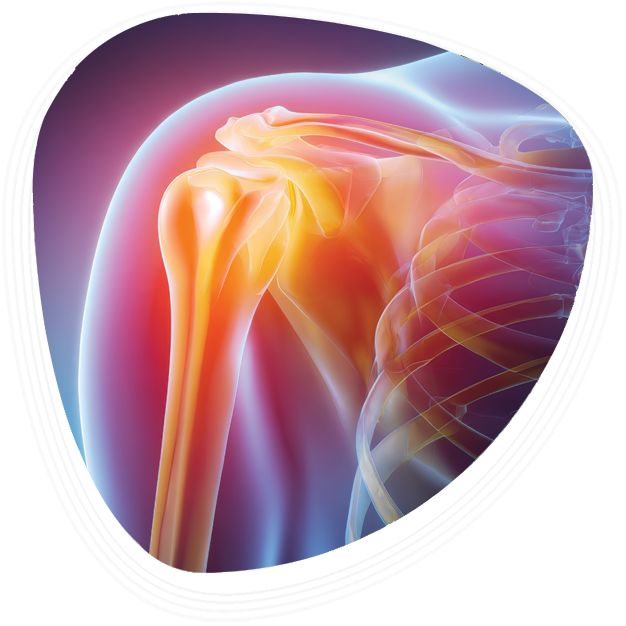
Frozen shoulder, also known as adhesive capsulitis, is a condition where the shoulder joint capsule thickens and tightens, leading to stiffness, pain, and restricted movement. At Graphic Era Hospital, Dehradun, we offer various frozen shoulder treatments, from early-stage pain management and physiotherapy to advanced procedures such as manipulation under anaesthesia and arthroscopic surgery. Supported by modern diagnostic imaging and dedicated physiotherapy units, our orthopaedics team is equipped to manage both routine and complex shoulder conditions. With experienced specialists and a patient-centred approach, our treatments focus on restoring mobility, reducing pain, and ensuring faster recovery, helping patients regain independence in their daily activities.
Causes and Risk Factors of Frozen Shoulder
Frozen shoulder can occur when the connective tissue around the shoulder joint thickens and tightens, restricting movement. Several factors can increase the risk of developing this condition, such as:

- Diabetes and thyroid disorders: Common medical conditions linked to adhesive capsulitis.
- Shoulder injury or surgery: Immobilisation after trauma or procedures can trigger stiffness.
- Prolonged immobility: Keeping the arm inactive for long periods due to illness or recovery.
- Chronic illnesses: Conditions such as Parkinson’s disease or heart disease raise the likelihood.
- Ageing: Most cases occur between the ages of 40 and 60.
- Gender: Frozen shoulder is slightly more common in women.
Signs and Stages of Frozen Shoulder
Frozen shoulder, or adhesive capsulitis, develops gradually and is marked by increasing shoulder pain and stiffness. These signs can make simple tasks, such as lifting objects, reaching overhead, or wearing clothes, very difficult. Many patients also report night-time pain that disturbs sleep.
The condition progresses through three stages:
- Freezing stage: Pain and stiffness gradually worsen, with a steady loss of shoulder movement.
- Frozen stage: Stiffness remains, but pain may begin to reduce, although daily activities remain limited.
- Thawing Stage: shoulder movement slowly improves, with pain subsiding over time.
Complications of Frozen Shoulder
If frozen shoulder is not treated on time, it can lead to long-term problems that affect quality of life. Common complications include:
- Chronic shoulder pain that may persist even after the condition improves.
- Permanent stiffness in the joint, making it hard to move the arm freely.
- Reduced strength and mobility, limiting daily activities such as dressing, lifting, or reaching.
- Impact on lifestyle and work, as prolonged shoulder pain can interfere with sleep, productivity, and overall well-being.
Diagnosis of Frozen Shoulder
Diagnosing frozen shoulder involves a combination of medical history, physical examination, and imaging tests. Orthopaedic specialists first check shoulder movement and pain patterns to confirm stiffness and restricted motion. To rule out other conditions such as arthritis or rotator cuff injuries, imaging may be recommended:
- X-rays: To detect bone-related issues or other causes of shoulder pain.
- MRI scans: To examine soft tissues and confirm adhesive capsulitis.
- Radiology assessments: to provide a detailed view of the shoulder joint and guide treatment planning.
Treatment Options for Frozen Shoulder at Graphic Era Hospital
Treatment for frozen shoulder focuses on reducing pain, improving movement, and preventing stiffness from returning. At Graphic Era Hospital in Dehradun, orthopaedic specialists combine medicines, physiotherapy, and advanced procedures to provide personalised care. Treatment options at Graphic Era Hospital include:
- Medicines for frozen shoulder pain: Anti-inflammatory drugs to reduce pain and swelling.
- Physiotherapy and frozen shoulder exercises: Targeted stretching and strengthening routines to restore movement.
- Hot and cold compresses: Simple methods for pain relief and stiffness management.
- Transcutaneous Electrical Nerve Stimulation (TENS): Electrical impulses to ease pain and improve muscle activity.
- Manipulation under anaesthesia (MUA): Gentle stretching of the shoulder joint while the patient is asleep.
- Arthroscopic shoulder surgery:Minimally invasive surgery to release tight tissues in severe cases.
Why Choose Graphic Era Hospital for Frozen Shoulder Treatment in Dehradun?
At Graphic Era Hospital, frozen shoulder treatment goes beyond pain relief to address the root causes of stiffness and restore long-term shoulder function. With a dedicated team, modern facilities, and a patient-first approach, the hospital provides care that is both comprehensive and reliable. Our strengths lie in three key areas that set us apart in providing advanced and patient-focused care:

Experienced Orthopaedic Specialists: The hospital is home to leading orthopaedic surgeons and physiotherapists in Dehradun who specialise in shoulder conditions, including adhesive capsulitis. Their expertise ensures accurate diagnosis, timely treatment, and safe management of complex cases, whether through conservative therapies or surgical procedures.

Advanced Technology and Minimally Invasive Procedures: Equipped with state-of-the-art diagnostic imaging, physiotherapy units, and arthroscopic surgery facilities, the hospital offers precise and effective treatment. Minimally invasive procedures reduce recovery time and discomfort, allowing patients to regain shoulder mobility sooner and return to daily activities with confidence.

Comprehensive Rehabilitation and Personalised Care: Treatment does not stop at the hospital. Individualised rehabilitation plans, guided physiotherapy sessions, and home exercise programmes are designed to maintain recovery and prevent recurrence. With continuous follow-up and patient education, every individual receives personalised care tailored to their condition and lifestyle.
Recovery and Management of Frozen Shoulder
Recovery from frozen shoulder is gradual and may take several months, depending on the stage of the condition and the treatment provided. Consistency in physiotherapy and exercises plays the most important role in regaining shoulder mobility.
Key aspects of management include:
- Recovery timeline: Improvement is usually seen over 6–12 months, with full recovery sometimes taking longer.
- Physiotherapy support: Regular stretching and strengthening exercises guided by specialists help restore shoulder function.
- Home remedies: Hot or cold compresses, gentle movement, and maintaining activity help reduce discomfort.
- Lifestyle changes: Avoiding long periods of immobility and staying active lowers the risk of recurrence.
Blog






Frequently Asked Questions
What is frozen shoulder and how does it develop?
Frozen shoulder, also known as adhesive capsulitis, develops when the tissues around the shoulder joint thicken and tighten. This leads to stiffness, pain, and reduced range of motion, often worsening gradually over time.
Can frozen shoulder go away without treatment?
In some cases, frozen shoulder may improve over a few years, but without treatment, stiffness and pain can severely affect daily activities. Early physiotherapy and medical care at an orthopaedic hospital in Dehradun can speed up recovery.
What is the fastest way to cure a frozen shoulder?
There is no instant cure, but combining medicines, frozen shoulder physiotherapy, and exercises offers the best chance for quick improvement. In severe cases, manipulation under anaesthesia or arthroscopic surgery may be advised.
How long does it take to recover from a frozen shoulder?
Recovery usually takes 6–12 months, though some patients may need longer depending on the stage of the condition and adherence to physiotherapy. Regular frozen shoulder exercises help restore mobility faster.
Does frozen shoulder always require surgery?
No. Most patients improve with medicines, exercises, and physiotherapy. Surgery, such as arthroscopic release, is only recommended if conservative treatments fail.
Can physiotherapy completely cure frozen shoulder?
Yes, in many cases physiotherapy and home exercises are enough to restore function and relieve pain. Treatment guided by an experienced orthopaedic specialist in Dehradun ensures safe and effective recovery.
Which is the best hospital in Dehradun for frozen shoulder treatment?
Graphic Era Hospital is among the leading centres in Dehradun for frozen shoulder treatment, offering advanced diagnostic imaging, physiotherapy, and minimally invasive procedures under one roof. To consult an experienced orthopaedic specialist, call 1800-889-7351 and book an appointment today.
 Emergency 24×7 : 1800 889 7351