Knee pain can make daily activities such as walking, climbing stairs, or standing for long periods difficult and uncomfortable. It may result from injuries, overuse, age related changes, or underlying conditions such as arthritis. At Graphic Era Hospital, we offer comprehensive evaluation and treatment for all types of knee pain, ranging from sudden injuries to chronic joint conditions. Our orthopaedic surgeons use advanced diagnostic tools, including digital radiography, MRI-based joint evaluation, and comprehensive musculoskeletal assessments, to identify the exact cause of discomfort and guide personalised treatment. With evidence based care, modern facilities, and focused rehabilitation support, we help individuals regain mobility and comfort.
Understanding Knee Pain and When to Seek Medical Care
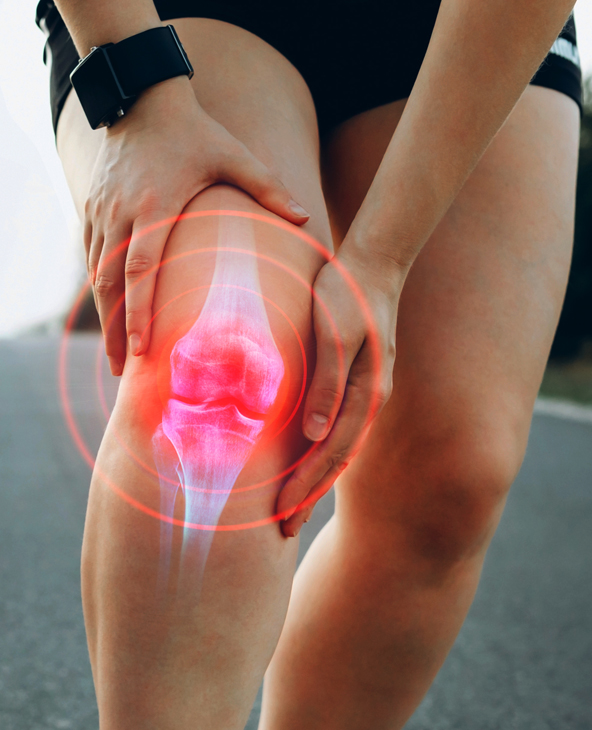
Knee pain can result from a variety of problems, including ligament or meniscal injuries, tendon inflammation, overuse strain, cartilage wear in osteoarthritis, or sudden twisting incidents during daily activities or sports. Symptoms may range from mild discomfort to sharp pain, swelling, stiffness, or difficulty bearing weight. Early assessment is important because untreated knee issues can worsen over time, affect mobility, and lead to long term joint damage. Common signs that indicate the need for medical attention include:
- Pain lasting more than a few days or gradually worsening
- Swelling, stiffness, or warmth around the knee joint
- Difficulty bending, straightening, or bearing weight on the knee
- Pain during routine activities such as walking, climbing stairs, or standing up
- Sharp or sudden pain following an injury or twist
- A popping sound accompanied by immediate swelling or instability
- Pain behind, inside, or on the sides of the knee
- Persistent knee discomfort in women due to hormonal or structural factors
- Knee pain in children or adolescents, which may indicate conditions such as Osgood Schlatter disease
- Recurrent knee pain in individuals with arthritis or previous injuries
How Knee Pain is Diagnosed at Graphic Era Hospital
Accurate diagnosis is essential to identify the cause of knee pain and determine the most effective treatment plan. At Graphic Era Hospital, orthopaedic surgeons use a combination of detailed clinical assessment and advanced imaging to pinpoint injuries, detect inflammation, and evaluate joint function. The diagnostic process involves:
- Clinical examination: The orthopaedic specialist assesses knee movement, stability, swelling, and areas of tenderness to understand the source of pain.
- X ray imaging: X rays help detect fractures, arthritis changes, joint space narrowing, and bone related issues.
- MRI scans: MRI provides detailed views of ligaments, cartilage, tendons, and menisci, helping diagnose soft tissue injuries.
- Ultrasound evaluation: Ultrasound is used to identify tendon inflammation, fluid accumulation, or soft tissue abnormalities around the knee.
- Blood tests: Blood work may be done to check for infection, gout, rheumatoid arthritis, or inflammation markers.
- Gait and posture assessment: Doctors evaluate walking patterns and limb alignment to identify biomechanical issues contributing to knee pain.
- Evaluation for arthritis: Individuals with persistent or chronic discomfort are assessed for osteoarthritis, rheumatoid arthritis, or early joint degeneration.
Knee Pain Treatment Options at Graphic Era Hospital
Knee pain treatment focuses on reducing discomfort, improving joint mobility, addressing inflammation, and preventing further injury. The treatment plan depends on the cause of pain, whether it is due to an injury, arthritis, overuse, or mechanical imbalance. At Graphic Era Hospital, orthopaedic surgeons design personalised care plans that combine medical therapy, targeted exercises, and supportive measures to promote long term recovery and joint health. The treatment approach includes:
- Medication Therapy: Pain relievers and anti-inflammatory medicines help reduce discomfort, swelling, and joint stiffness.
- Physiotherapy: Strengthening and flexibility exercises improve joint stability, muscle balance, and movement, supporting long term recovery.
- Cold and Heat Therapy: Ice packs help reduce swelling after injury, while heat improves blood flow and eases stiffness in chronic conditions.
- Intra Articular Injections: Steroid or hyaluronic acid injections may be recommended to relieve pain and inflammation in arthritis related knee pain.
- Knee Braces and Supports: Braces help stabilise the knee, reduce pressure on affected areas, and provide comfort during daily activities.
- Management of Sports Injuries: Treatment includes rest, joint protection, physiotherapy, and targeted rehabilitation for ligament or meniscal injuries.
- Treatment for Chronic Knee Arthritis: Individuals with osteoarthritis or rheumatoid arthritis receive long term plans focusing on pain control, mobility improvement, and joint preservation.
- Lifestyle and Weight Management Guidance: Advice on maintaining a healthy weight, posture correction, and activity modification reduces strain on the knee joint.
- Surgical Referral When Required: Severe ligament tears, advanced arthritis, or persistent pain may require surgical consultation for procedures such as arthroscopy or joint replacement.
Why Choose Graphic Era Hospital for Knee Pain Treatment?
At Graphic Era Hospital, we understand how knee pain can limit daily movement, affect confidence, and reduce overall quality of life. Our team works closely with each individual to identify the underlying cause of discomfort and create a personalised treatment plan that supports safe and steady recovery. From early diagnosis to long term joint care, we provide guidance and reassurance at every step, ensuring that individuals receive comprehensive orthopaedic support tailored to their needs. Here is what makes Graphic Era Hospital a trusted choice for knee pain treatment:

Expert Orthopaedic Specialists: Our experienced orthopaedic surgeons evaluate all types of knee pain, including injuries, arthritis, mechanical strain, and chronic joint conditions. They conduct detailed assessments of movement, stability, joint alignment, and surrounding muscles to identify the exact source of discomfort. This thorough approach allows them to recommend targeted treatment that improves mobility, reduces pain, and helps prevent long term joint damage.

Advanced Diagnostic and Treatment Technology: We use digital X rays, MRI scans, ultrasound imaging, and gait analysis to assess knee structure and function with accuracy. Our treatment facilities include physiotherapy units, rehabilitation support, and pain management services designed to help individuals recover safely and effectively.

Compassionate, Patient Centred Care: As India’s first medical college hospital accredited under the 6th Edition of NABH standards, we provide care that prioritises safety, comfort, and ethical medical practice. Our team offers consistent guidance throughout diagnosis, treatment, and follow up care, helping individuals feel supported and informed at every stage of their recovery.
Preventing Knee Pain and Supporting Long Term Joint Health
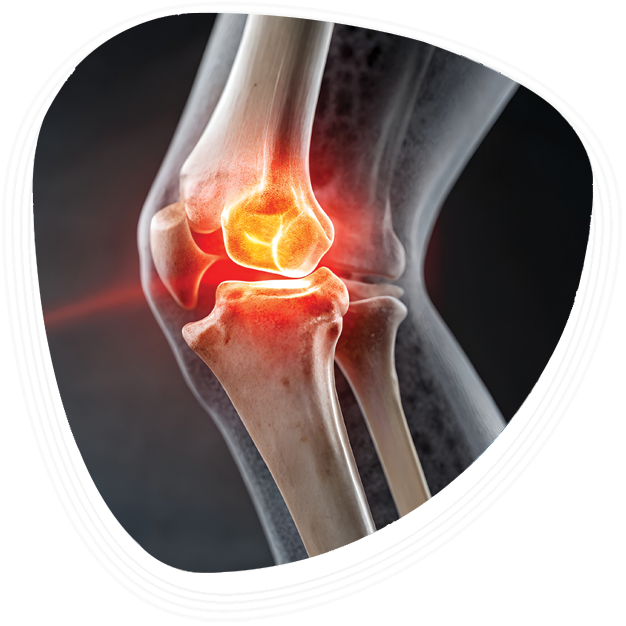
Preventing knee pain involves protecting the joints from excess strain, maintaining muscle strength, and adopting habits that support overall mobility. These measures not only reduce the risk of injury but also help individuals with existing knee conditions avoid flare ups and maintain an active lifestyle. Here’s how to promote knee health and lower the chances of recurring knee pain:
Strengthening the Muscles Around the Knee
Strong thigh, hip, and calf muscles help stabilise the knee joint and reduce pressure on ligaments and cartilage. Regular strengthening exercises, as advised by a physiotherapist, support better movement and reduce injury risk.
Maintaining a Healthy Body Weight
Excess weight increases pressure on the knee joint, especially during walking and climbing stairs. Weight control helps slow arthritis progression and reduces everyday knee strain.
Avoiding High Impact Strain
Limiting activities such as running on hard surfaces, sudden directional changes, or repetitive jumping helps protect the knee from wear and tear. Individuals with arthritis benefit from low impact exercises such as walking, cycling, or swimming.
Protecting the Knee During Exercise
Wearing proper footwear, warming up before activity, and using knee braces when recommended can help prevent injuries. Gradually increasing workout intensity also reduces the risk of sudden knee pain.
Managing Arthritis and Joint Conditions
Individuals with osteoarthritis, rheumatoid arthritis, or early joint degeneration should follow medical advice, attend physiotherapy sessions, and maintain consistent joint care to prevent worsening symptoms.
Reducing Occupational and Lifestyle Strain
Improving posture, avoiding prolonged kneeling or squatting, and taking breaks during long periods of standing help protect the knee from mechanical stress.
Top Knee Pain Treatments Available at Graphic Era Hospital
- Acute knee injury treatment
- Chronic knee pain management
- Physiotherapy and rehabilitation therapy
- Intra articular injections for arthritis
- Knee braces and joint support solutions
- Sports injury management and ligament care
Blog
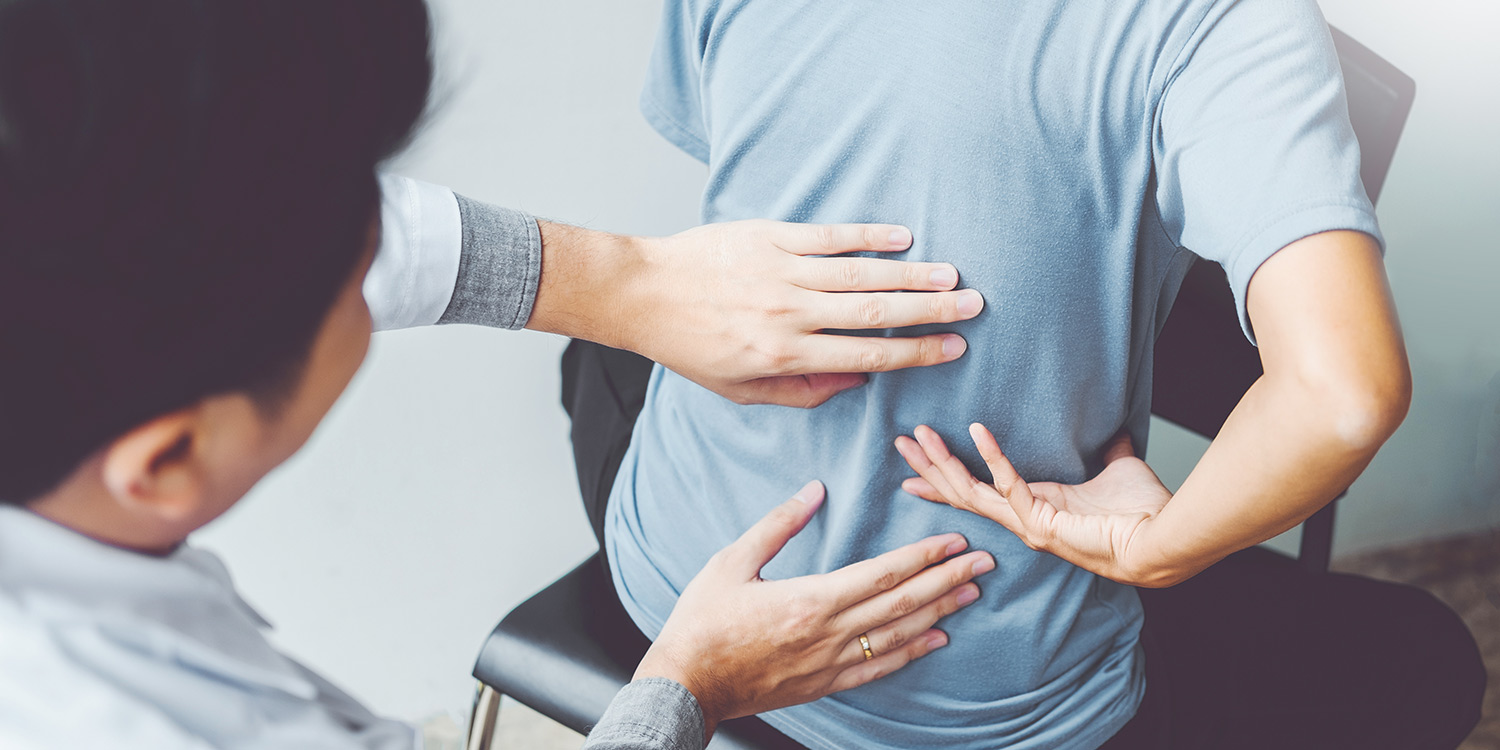
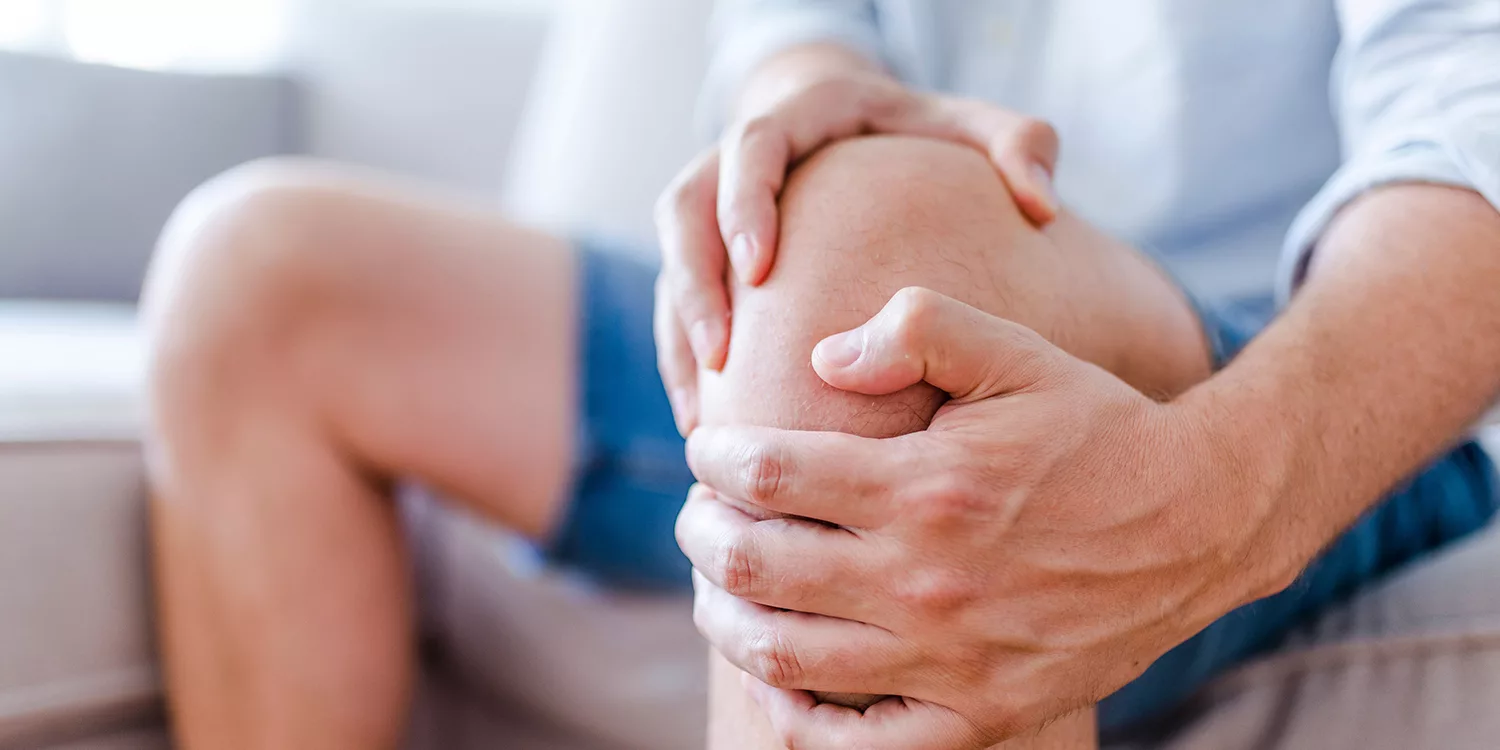
Inflammatory Arthritis Explained: From Symptoms to Management
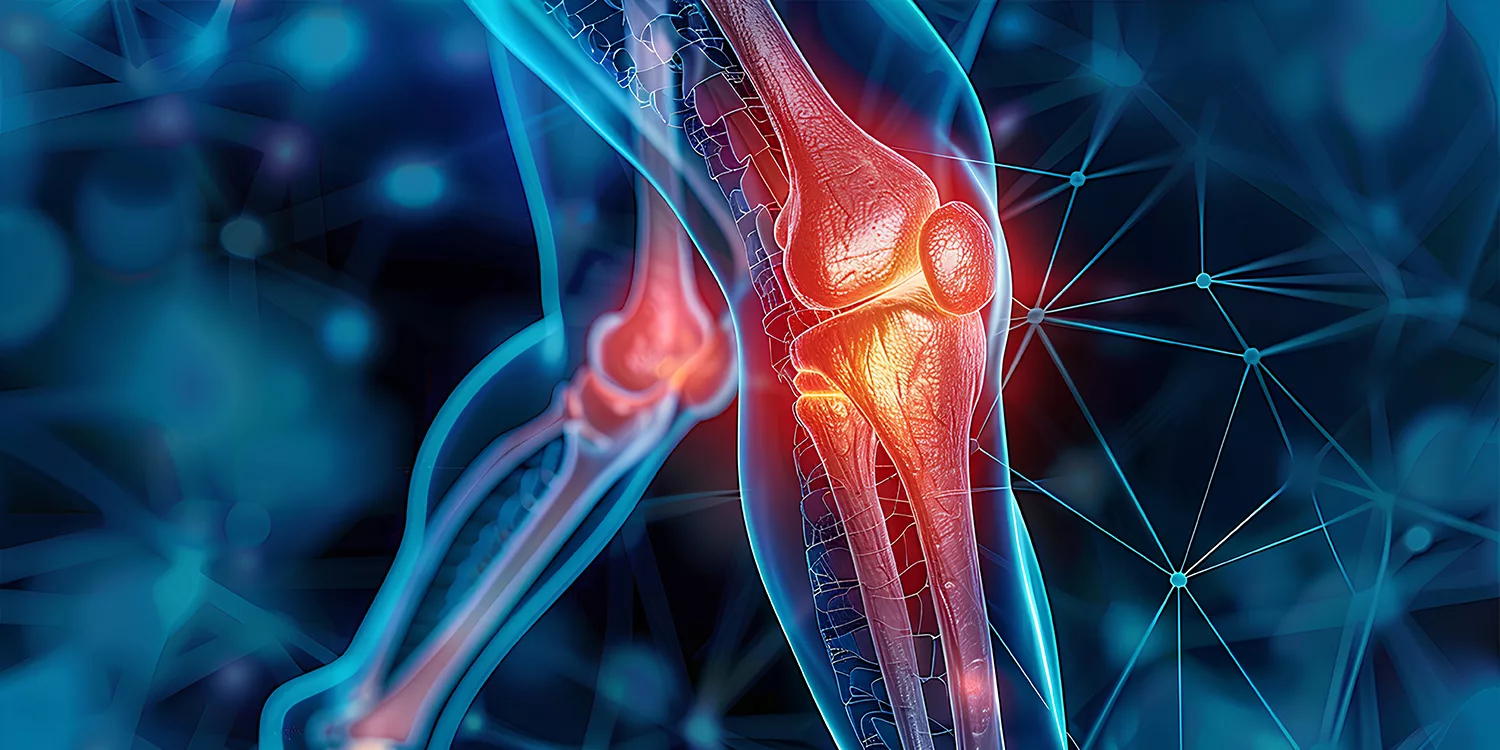
Understanding Frozen Shoulder: Causes, Symptoms, and Treatments

Frequently Asked Questions
What are the most common causes of knee pain?
Knee pain commonly results from ligament or meniscal injuries, tendon inflammation, overuse strain, arthritis, cartilage wear, or biomechanical issues affecting joint movement.
When should I seek knee pain treatment?
You should seek medical care if knee pain lasts more than a few days, causes swelling, limits movement, follows an injury, or interferes with daily activities such as walking or climbing stairs.
How is knee pain diagnosed at hospitals in Uttarakhand?
Diagnosis may include a clinical examination, digital X rays, MRI scans, ultrasound evaluation, gait assessment, and blood tests to check for inflammation or arthritis.
What type of doctor should I consult for knee joint pain?
You should consult an orthopaedic surgeon, as they specialise in diagnosing and treating joint pain, injuries, arthritis, and chronic knee conditions.
Can sudden knee pain happen without an injury?
Yes. Sudden knee pain may occur due to gout, infections, cyst rupture, early arthritis, or sudden strain on the joint. A prompt evaluation helps identify the cause.
Is physiotherapy effective for knee pain?
Physiotherapy is highly effective for knee pain caused by muscle imbalance, early arthritis, overuse, and post injury recovery. Strengthening and flexibility exercises support long term joint health.
What are the treatment options for knee pain in Dehradun?
Treatment may include medication, physiotherapy, knee braces, injections for arthritis, cold or heat therapy, and lifestyle guidance. Severe cases may require surgical consultation.
Can knee arthritis cause pain even at rest?
Yes. Advanced osteoarthritis or rheumatoid arthritis can cause knee pain during rest, sleep, or routine activities due to ongoing joint inflammation and cartilage wear.
Is knee pain more common in women?
Yes. Women may experience knee pain more often due to hormonal factors, joint alignment differences, and increased risk of conditions such as patellofemoral pain syndrome and early osteoarthritis.
How can I prevent knee pain from recurring?
Strengthening the muscles around the knee, maintaining a healthy weight, avoiding high impact activities, wearing proper footwear, and managing arthritis symptoms can reduce flare ups.
Where can I find reliable knee pain treatment near me in Dehradun?
Graphic Era Hospital offers advanced knee pain evaluation and treatment, including diagnostics, physiotherapy, arthritis management, and orthopaedic surgical consultation when required.
 Emergency 24×7 : 1800 889 7351