At Graphic Era Hospital, our medical oncology team delivers evidence-based cancer care across a wide range of malignancies, from early-stage diagnosis and systemic treatment to advanced disease management and supportive care. With access to modern treatment options such as chemotherapy, targeted therapy, and immunotherapy, our oncologists ensure that every patient receives care aligned with the latest clinical standards.
Working within a multidisciplinary framework, our specialists collaborate closely with surgical oncologists, radiation oncologists, radiologists, and pathologists to develop personalised treatment plans based on the cancer type, stage, and the patient’s overall health. Care at Graphic Era Hospital is guided by clinical precision, compassionate support, and a commitment to achieving the best possible outcomes at every stage of the cancer journey.
Doctors Available

What Does a Medical Oncologist Do?
A medical oncologist is a specialist trained in the diagnosis and non-surgical treatment of cancer using systemic therapies. These are medications that travel through the bloodstream to reach cancer cells throughout the body. Medical oncologists play a central role in cancer care, guiding patients from diagnosis to treatment and long-term follow-up.
They work closely with surgical and radiation oncology teams to develop personalised treatment plans and ensure that each stage of care is well-coordinated. At Graphic Era Hospital, medical oncologists provide continuous support, helping patients understand their condition, treatment options, and expected outcomes.
Key responsibilities of a medical oncologist include:
- Cancer Diagnosis and Staging: Interprets biopsy results, imaging, tumour markers and molecular profiling to confirm the cancer diagnosis and determine its stage and biological characteristics.
- Chemotherapy: Prescribes and manages chemotherapy regimens using cytotoxic drugs given orally or intravenously to destroy cancer cells or slow their growth.
- Targeted Therapy: Uses drugs that specifically target molecular abnormalities driving cancer growth, offering more precise treatment with fewer off-target effects than conventional chemotherapy.
- Immunotherapy: Activates the body’s immune system to identify and attack cancer cells using treatments such as checkpoint inhibitors, monoclonal antibodies, and other immune-based therapies.
- Hormonal Therapy: Treats hormone-sensitive cancers such as breast and prostate cancer by blocking or lowering hormone levels that support tumour growth.
- Multidisciplinary Team Coordination: Works closely with surgical oncologists, radiation oncologists, and other specialists, often through tumour board discussions, to ensure a coordinated and well-aligned treatment approach.
- Supportive and Palliative Care: Focuses on managing side effects, relieving pain, supporting nutrition, and improving overall quality of life throughout treatment, including in advanced stages of cancer.
- Long-Term Follow-Up and Surveillance: Monitors patients after treatment to detect any signs of recurrence, manages late effects of therapy, and guides ongoing cancer surveillance and recovery.
When to Consult a Medical Oncologist?
A medical oncologist should be consulted when cancer has been diagnosed or is strongly suspected, when systemic treatment is being considered, or when expert guidance is needed to plan and manage cancer care. Seeking an early consultation, even before treatment begins, helps ensure that all appropriate options are evaluated and that care is well-coordinated from the start. You should consult a medical oncologist if you or a family member:
- Has received a confirmed cancer diagnosis and needs expert advice on systemic treatment options
- Has been advised chemotherapy, targeted therapy, immunotherapy, or hormonal therapy by another specialist
- Experiences unexplained weight loss, persistent fatigue, night sweats, a new lump, or abnormal bleeding that requires further evaluation
- Has abnormal tumour markers or imaging findings that may indicate cancer and needs detailed assessment
- Has a strong family history of cancer and wishes to discuss screening, genetic testing, or preventive strategies
- Is undergoing cancer treatment and is experiencing significant side effects that require specialised management
- Has completed primary cancer treatment and needs long-term follow-up and monitoring for recurrence
- Wants a second opinion on an existing cancer diagnosis or a proposed treatment plan
Medical Oncology vs. Other Cancer Specialties: Understanding the Difference
Cancer care is delivered by a team of specialists, each with a distinct role in the overall treatment plan. Understanding who does what helps patients navigate their care more confidently and ensures they consult the right specialist at the right time.
Medical Oncology
Medical oncology focuses on the systemic treatment of cancer using medications that act throughout the body. This includes chemotherapy, targeted therapy, immunotherapy, and hormonal therapy. The medical oncologist plays a central role in planning and coordinating treatment, guiding patients from diagnosis through active care and into long-term follow-up.
Surgical Oncology
Surgical oncology involves the removal of tumours and affected tissues through operative procedures. For many cancers, such as early-stage breast, bowel, or lung cancer, surgery may be the primary treatment. It is also often combined with other therapies to improve outcomes. Surgical oncologists work closely with medical oncologists, especially when treatments are given before or after surgery to enhance effectiveness and reduce the risk of recurrence.
Radiation Oncology
Radiation therapy uses precisely targeted high-energy beams to destroy cancer cells or shrink tumours. It may be used as a primary treatment, alongside chemotherapy or surgery, or to relieve symptoms in advanced stages of disease.
At Graphic Era Hospital, radiation therapy is delivered as part of an integrated cancer care programme. Treatment sequencing is planned collaboratively through multidisciplinary tumour board discussions, ensuring that each patient receives a well-coordinated and appropriate combination of therapies.
The Multidisciplinary Tumour Board
At Graphic Era Hospital, complex cancer cases are reviewed through multidisciplinary tumour board meetings. In these discussions, medical oncologists, surgical oncologists, radiation oncologists, radiologists, and pathologists come together to evaluate each patient’s condition in detail and determine the most appropriate course of treatment. This collaborative approach ensures that treatment decisions are not made in isolation. Instead, each patient benefits from the combined expertise of a full team of specialists, leading to more informed, balanced, and personalised care plans.
Why Choose Graphic Era Hospital for Medical Oncology

Specialist Medical Oncology Expertise : Our medical oncologists bring focused training and extensive experience across a wide range of cancers, including haematological malignancies, gastrointestinal cancers, lung cancer, breast cancer, and genitourinary tumours. Treatment decisions are guided by international oncology protocols, tumour biology, and individual patient factors rather than a one-size-fits-all approach. Patients with complex or rare cancers benefit from the team’s expertise, with cases often reviewed in tumour board discussions before treatment begins.

Access to Modern Systemic Treatment Modalities : Graphic Era Hospital offers a comprehensive range of medical oncology treatments, including chemotherapy, targeted therapy, immunotherapy, and hormonal therapy. These treatments are delivered in a dedicated oncology unit equipped with appropriate monitoring and supportive care facilities. Each treatment plan is based on the latest clinical evidence and tailored to the patient’s cancer type, stage, molecular profile, and overall health, ensuring personalised and up-to-date care.

Integrated Multidisciplinary Cancer Care : Cancer care often requires the involvement of multiple specialties. At Graphic Era Hospital, medical oncologists work within a collaborative, multidisciplinary framework alongside surgical oncologists, radiation oncologists, radiologists, pathologists, and supportive care teams. Diagnostic services such as CT scans, PET-CT, biopsy, and molecular testing are available in-house, allowing for timely diagnosis and well-informed treatment planning.

Medical Oncology Care at Graphic Era Hospital: From Diagnosis to Treatment
Cancer care follows a stepwise approach, beginning with accurate diagnosis and moving through personalised treatment planning and delivery. At Graphic Era Hospital, every stage is carefully coordinated to ensure timely, evidence-based, and patient-centred care.
Diagnostic and Staging Workup
Accurate diagnosis and staging form the foundation of an effective cancer treatment plan. Our oncology team follows a comprehensive diagnostic pathway:
- Biopsy and Histopathology: Tissue is obtained from the tumour through core needle biopsy, excisional biopsy, or endoscopic sampling. This is followed by detailed histopathological evaluation to confirm the cancer type, grade, and receptor status.
- Imaging Studies: Advanced imaging techniques such as CT scan, MRI, PET-CT, and bone scan help determine the extent of disease, detect metastatic spread, and guide treatment planning with precise anatomical and functional insights.
- Tumour Marker Testing: Blood-based tumour markers, including CEA, CA-125, PSA, AFP, and CA 19-9, support diagnosis, help monitor treatment response, and are used for surveillance during and after therapy.
- Molecular and Genomic Profiling: Next-generation sequencing and biomarker testing identify specific genetic mutations and molecular targets, such as EGFR, HER2, BRAF, and PD-L1. These findings guide the selection of targeted therapy and immunotherapy.
- Bone Marrow Examination: In haematological cancers, bone marrow evaluation helps assess the extent of disease involvement and informs systemic treatment decisions.
Treatment Modalities
Treatment is personalised based on cancer type, stage, molecular profile, and the patient’s overall health and preferences. The following modalities are commonly used:
- Chemotherapy: Cytotoxic drugs are administered orally or intravenously in planned cycles. Chemotherapy may be used as primary treatment, alongside other therapies, or to relieve symptoms in advanced disease.
- Targeted Therapy: These therapies act on specific proteins or pathways involved in cancer growth. Examples include tyrosine kinase inhibitors, CDK inhibitors, and anti-HER2 agents, selected based on molecular profiling.
- Immunotherapy: Immune-based treatments such as checkpoint inhibitors and monoclonal antibodies enhance the body’s ability to recognise and destroy cancer cells. They are increasingly used across multiple cancer types.
- Hormonal Therapy: Endocrine treatments, including aromatase inhibitors, anti-androgens, and LHRH agonists, are used in hormone-sensitive cancers such as breast and prostate cancer to block growth signals.
- Neoadjuvant and Adjuvant Therapy: Systemic treatment may be given before surgery to shrink tumours or after surgery to reduce the risk of recurrence. These decisions are planned in close coordination with the surgical oncology team.
Supportive and Palliative Care
Managing the patient as a whole, not just the cancer, is a core part of our oncology approach. Alongside active treatment, dedicated supportive and palliative care services help improve comfort, maintain strength, and enhance overall quality of life at every stage of the cancer journey.
- Side Effect Management: Proactive care is provided to manage treatment-related side effects such as nausea, fatigue, neuropathy, mucositis, and bone marrow suppression through appropriate medications and close monitoring.
- Nutritional Support: Dietitian-led assessment and personalised guidance help patients maintain strength, support immunity, and reduce the risk of weight loss and malnutrition during treatment.
- Pain and Symptom Management: Specialist palliative care focuses on relieving symptoms such as pain, breathlessness, and fatigue, particularly in advanced stages, to ensure comfort and dignity.
- Psychological Support: Access to counselling and mental health support helps patients and their families cope with the emotional and psychological impact of a cancer diagnosis and its treatment.
Top Medical Oncology Treatments and Procedures
- Chemotherapy
- Targeted Therapy
- Immunotherapy
- Hormonal Therapy
- Neoadjuvant Chemotherapy
- Adjuvant Chemotherapy
- Palliative Chemotherapy
- Checkpoint Inhibitor Therapy
- Monoclonal Antibody Therapy
- Anti-HER2 Therapy
- EGFR Inhibitor Therapy
- CDK 4/6 Inhibitor Therapy
- Aromatase Inhibitor Therapy
- Anti-Androgen Therapy
- Bone Marrow Biopsy
- PET-CT Staging
- Molecular and Genomic Profiling
- Tumour Marker Testing
- Supportive and Palliative Care
- Long-Term Cancer Surveillance
Cancers Treated at Graphic Era Hospital
Advanced Diagnostics & Technology
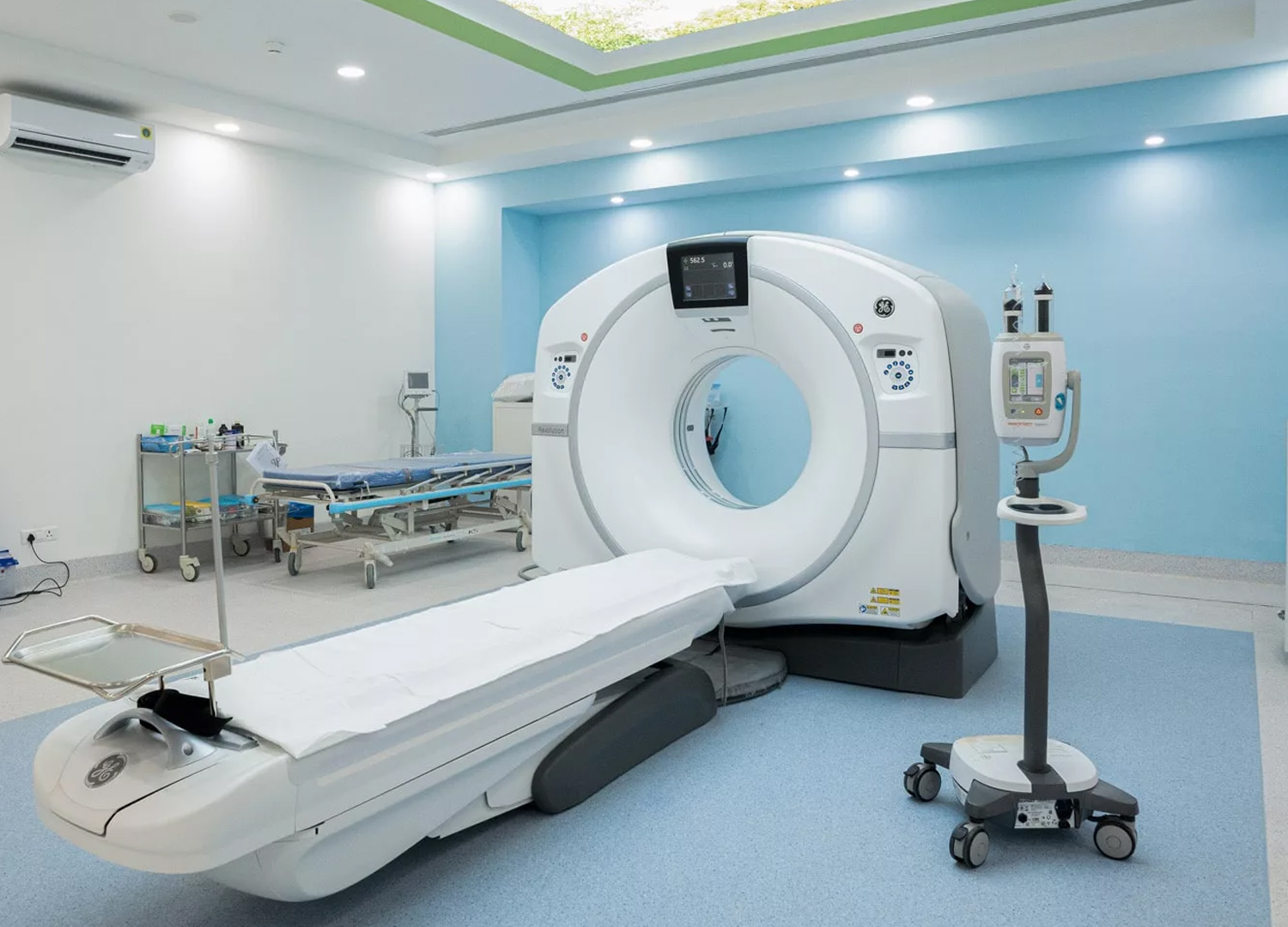
- Offers high-resolution imaging for detailed blood vessel analysis, aiding in accurate diagnosis and treatment planning.
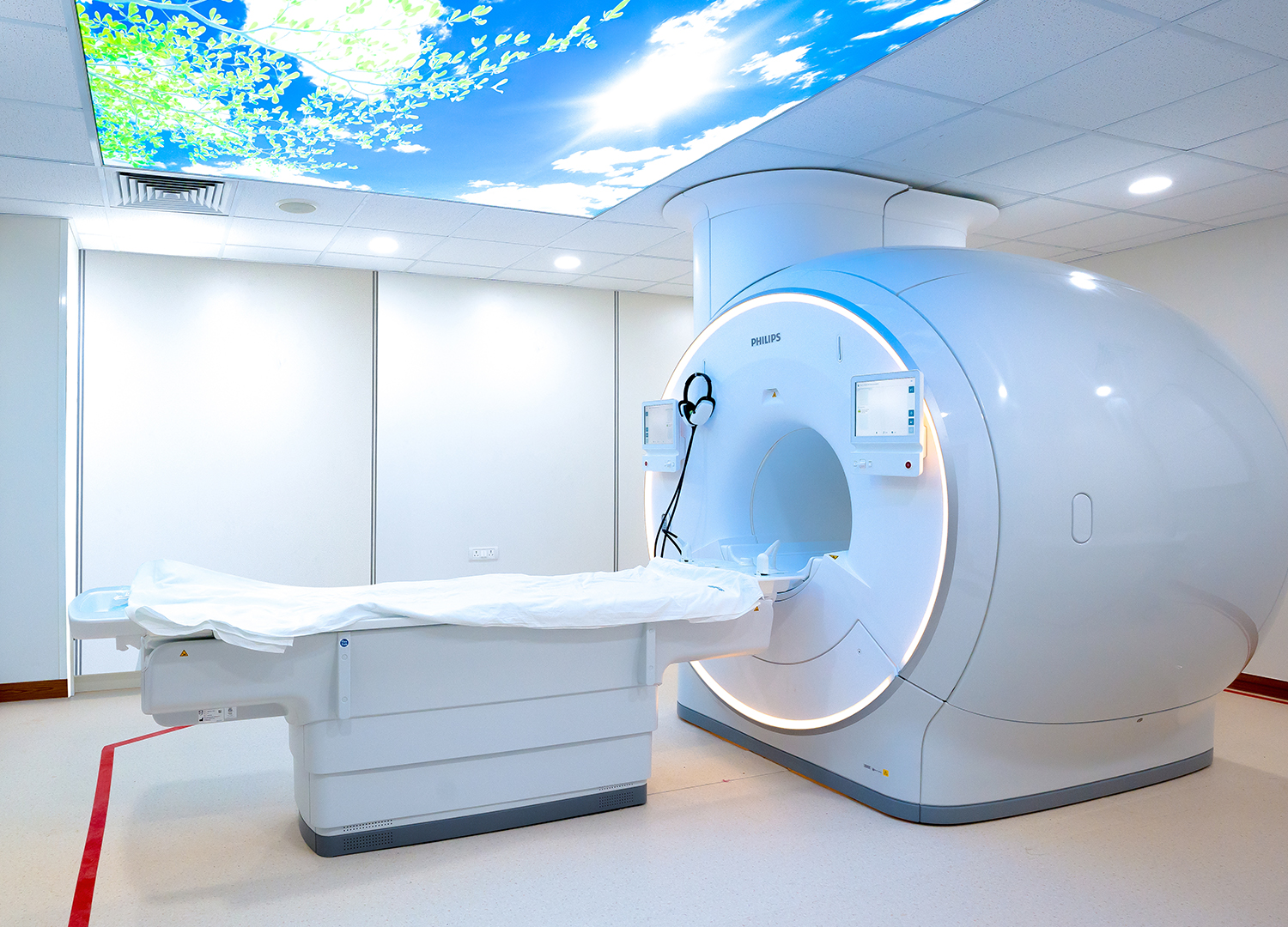
- Delivers advanced imaging with high resolution for clear, detailed views of soft tissues, ensuring precise diagnostics.
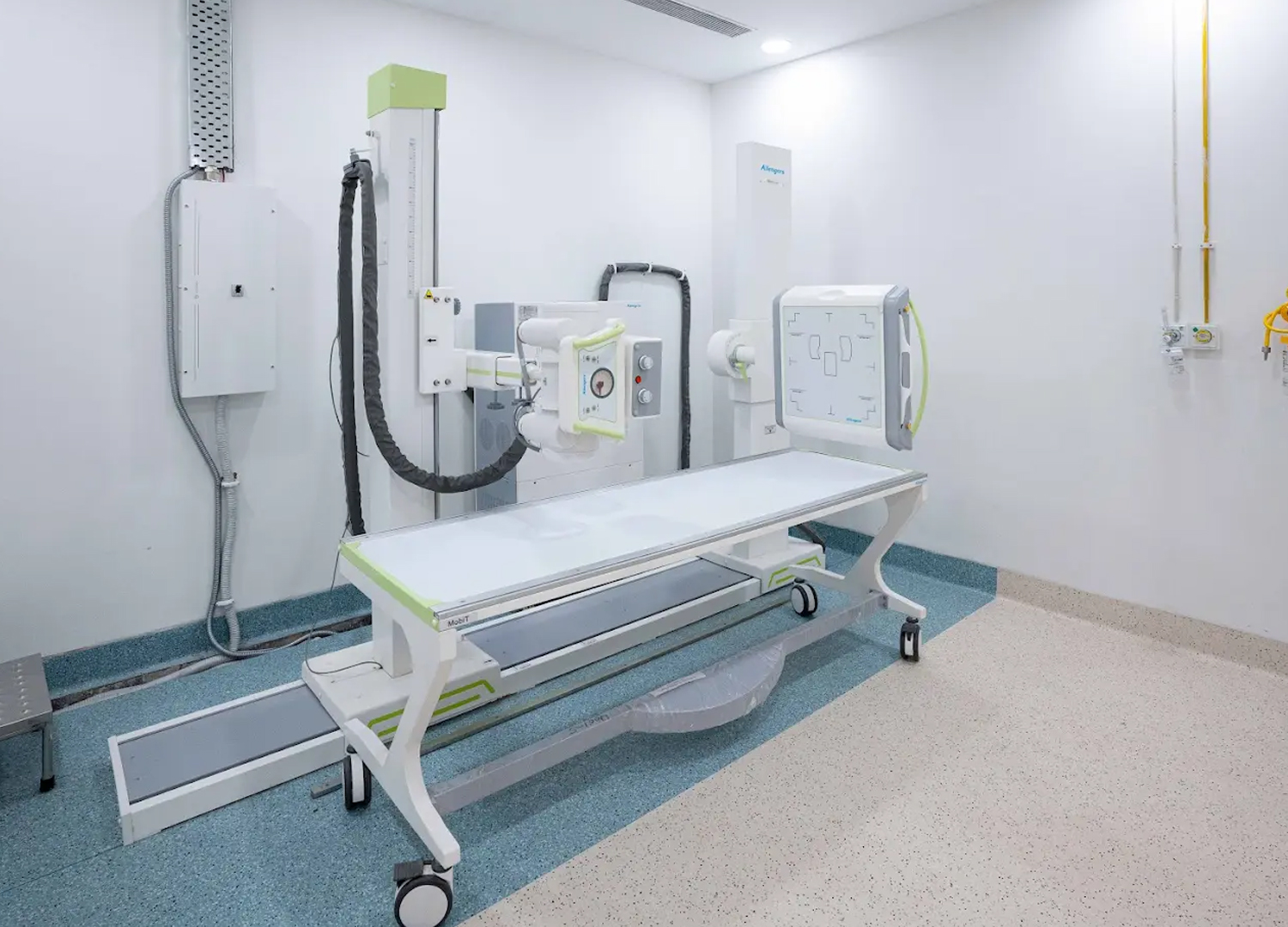
- Provides high-quality, detailed radiographic images for accurate diagnosis with minimal exposure to radiation.
Other Specialities


Patient Stories





Blog







Frequently Asked Questions (FAQs)
What is the difference between a medical oncologist and a surgical oncologist?
A medical oncologist treats cancer using systemic therapies, such as chemotherapy, targeted therapy, immunotherapy and hormonal therapy. A surgical oncologist removes tumours and affected tissue through surgery. Most cancer patients are managed by both specialists working together, with the medical oncologist coordinating systemic treatment before, during and after any surgical intervention.
How long does chemotherapy treatment last?
The duration of chemotherapy depends on the cancer type, stage and treatment intent. Curative regimens typically involve four to eight cycles administered over three to six months. Palliative chemotherapy in advanced disease may continue for longer, with regular response assessments guiding ongoing treatment decisions.
What are the side effects of immunotherapy?
Immunotherapy side effects differ from chemotherapy and are caused by immune activation rather than direct drug toxicity. Common effects include fatigue, skin rash, diarrhoea and joint pain. Less commonly, immune-related inflammation can affect the lungs, liver, kidneys or endocrine glands. Our oncology team monitors patients closely throughout immunotherapy and manages side effects promptly to minimise their impact on treatment.
Can I get a second opinion on my cancer diagnosis or treatment plan?
Yes. Seeking a second opinion is entirely appropriate and encouraged in oncology. Our medical oncologists at Graphic Era Hospital review existing pathology, imaging and treatment plans and provide an independent assessment. In many cases, a second opinion confirms the existing plan and occasionally identifies additional options worth considering.
Is palliative care the same as end-of-life care?
No. Palliative care focuses on managing symptoms, pain and quality of life at any stage of cancer, including alongside active treatment. It is not limited to end-of-life care. At Graphic Era Hospital, palliative care is integrated into the oncology treatment plan from the outset for patients with advanced disease, supporting both the patient and their family throughout the treatment journey.
How do I book an appointment with a medical oncologist at Graphic Era Hospital?
You can book an appointment through our website, call 1800-889-7351, or visit the outpatient department directly. Our team schedules your consultation at the earliest available slot.
How is targeted therapy different from chemotherapy?
Chemotherapy uses cytotoxic drugs that kill rapidly dividing cells, including both cancer cells and some healthy cells, which accounts for many of its side effects. Targeted therapy uses drugs designed to block specific molecular drivers of cancer growth, acting more precisely on cancer cells and typically producing a different and often more manageable side effect profile. Eligibility for targeted therapy depends on whether the tumour carries the specific molecular target the drug is designed to address.