At Graphic Era Hospital, immunotherapy is delivered by an experienced medical oncology team as part of a comprehensive, multidisciplinary cancer care programme. Treatment is administered in a dedicated Daycare Chemotherapy Unit, supported by a sterile oncology pharmacy, laminar airflow drug preparation systems, and structured clinical monitoring to ensure safety and precision at every step.
Immunotherapy may be used as a primary treatment, in combination with chemotherapy, or after surgery depending on the clinical scenario. Each treatment plan is individualised based on the cancer type, stage, molecular profile, and the patient’s overall health. All cases are reviewed through multidisciplinary tumour board discussions before treatment begins, ensuring a well-coordinated and evidence-based approach to care.
What is Immunotherapy?
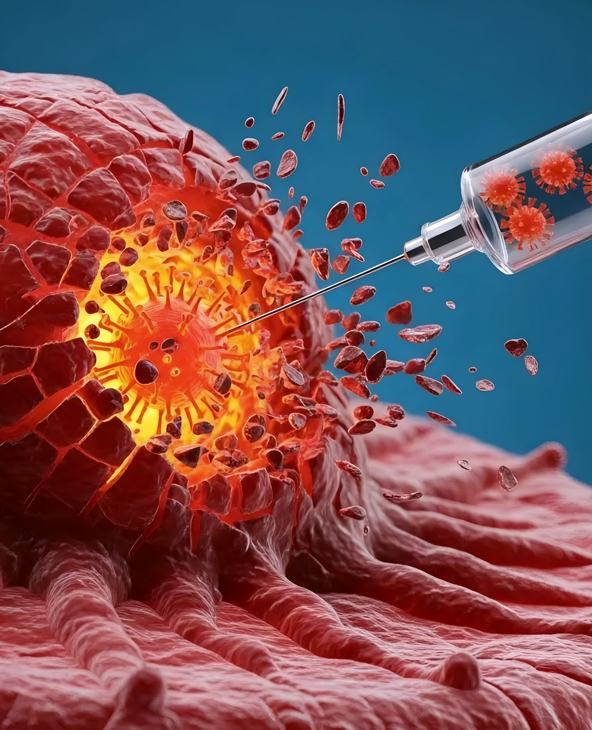
Immunotherapy is a form of cancer treatment that works by activating or enhancing the body’s own immune system to identify and destroy cancer cells. Instead of directly attacking the tumour, it helps the immune system recognise cancer cells and respond more effectively.
Cancer cells often survive by evading immune detection or suppressing immune responses. Immunotherapy works by disrupting these mechanisms, allowing the immune system to detect and target malignant cells more efficiently. At Graphic Era Hospital, immunotherapy is used as part of an evidence-based treatment plan tailored to the patient’s cancer type, stage, and molecular profile.
The main types of immunotherapy used in cancer treatment include:
- Checkpoint Inhibitors: These drugs block proteins such as PD-1, PD-L1, and CTLA-4 that cancer cells use to switch off immune responses. By inhibiting these pathways, the immune system is able to recognise and attack tumour cells more effectively. Examples include pembrolizumab, nivolumab, and atezolizumab.
- Monoclonal Antibodies: Laboratory-engineered proteins that bind to specific targets on cancer cells or immune cells. They may directly destroy cancer cells, mark them for immune attack, or deliver targeted treatment to the tumour site.
- Cancer Vaccines: Therapeutic vaccines designed to train the immune system to recognise cancer-specific antigens and mount a targeted response against tumour cells.
- Cytokine Therapy: Uses immune-regulating proteins such as interferons and interleukins to enhance and amplify the body’s immune response against cancer in selected cases.
- Adoptive Cell Therapy: Involves collecting immune cells from the patient, modifying or expanding them in a laboratory, and reinfusing them to target cancer cells. This includes advanced approaches such as CAR T-cell therapy used in certain blood cancers.
- Immune System Modulators: These treatments alter immune activity to help control cancer growth. Examples include BCG therapy for bladder cancer and thalidomide-based drugs used in conditions such as multiple myeloma.
Schedule Your Appointment with
Our Expert Doctors
We are dedicated to driving lasting, positive transformation in healthcare management through innovation and patient-centered solutions.
When is Immunotherapy Recommended?
Immunotherapy is not suitable for every cancer or every patient. Its use depends on the cancer type, stage, molecular and biomarker profile, and the patient’s overall health. At Graphic Era Hospital, the decision to use immunotherapy is made through multidisciplinary tumour board discussions to ensure the most appropriate and personalised treatment approach.
Immunotherapy may be recommended in the following situations:
- As a Primary Treatment: For certain cancers, such as melanoma, non-small cell lung cancer, and renal cell carcinoma with high PD-L1 expression, immunotherapy may be used as the first-line systemic treatment.
- In Combination With Chemotherapy: Immunotherapy is often combined with chemotherapy to improve treatment response, particularly in cancers such as lung cancer, triple-negative breast cancer, and gastric cancer.
- Following Surgery: Adjuvant immunotherapy may be advised after surgery to reduce the risk of cancer recurrence in conditions such as melanoma and non-small cell lung cancer.
- As Second- or Third-Line Therapy: When cancer progresses despite initial treatments such as chemotherapy or targeted therapy, immunotherapy may be considered as an alternative approach with the potential for durable response.
- In Combination With Targeted Therapy: Certain cancers, including renal cell carcinoma and hepatocellular carcinoma, may benefit from combining immunotherapy with targeted agents to enhance treatment effectiveness.
- For Metastatic Disease: In cancers that have spread to other parts of the body, immunotherapy may help achieve longer disease control and improve survival outcomes compared to conventional treatments alone.
- Based on Biomarker Eligibility: The use of immunotherapy is guided by biomarker testing, including PD-L1 expression, tumour mutational burden (TMB), microsatellite instability (MSI), and mismatch repair (MMR) status. These factors help determine whether a patient is likely to benefit from specific immunotherapy agents.
Immunotherapy vs. Chemotherapy: Understanding the Difference
Both immunotherapy and chemotherapy are systemic cancer treatments, but they work in different ways and have distinct effects on the body. Understanding these differences helps patients make informed decisions in discussion with their oncologist.
How They Work
Chemotherapy: Chemotherapy uses cytotoxic drugs to destroy rapidly dividing cells. While effective against cancer cells, it also affects healthy fast-dividing cells in the bone marrow, hair follicles, and digestive tract. This is why side effects such as nausea, hair loss, and low blood counts are common.
Immunotherapy: Immunotherapy works by modifying the body’s immune system. It helps immune cells recognise and attack cancer more effectively by removing inhibitory signals or stimulating immune activity. It does not directly target dividing cells, which results in a different side effect pattern.
Side Effects
Chemotherapy: Side effects are generally predictable and depend on the drugs used. Common effects include nausea, fatigue, hair loss, mouth ulcers, and reduced blood counts.
Immunotherapy: Side effects are immune-related and can affect organs such as the lungs, liver, colon, skin, and endocrine glands. These are known as immune-related adverse events and require prompt medical attention. Patients are closely monitored to ensure early detection and management.
Duration of Response
Chemotherapy: Responses are usually maintained while treatment continues, and the effect may reduce once therapy stops.
Immunotherapy: Some patients experience long-lasting responses that continue even after treatment ends. This is due to immune memory, which allows the body to keep recognising and controlling cancer cells over time.
Who is Eligible
Not all cancers or patients are suitable for immunotherapy. Eligibility depends on cancer type, stage, biomarker profile, immune status, and overall health. At Graphic Era Hospital, detailed assessment including PD-L1 testing, MSI status, and tumour mutational burden helps guide treatment decisions.
Can They Be Used Together
Immunotherapy and chemotherapy are often used together in modern cancer care. In cancers such as lung and breast cancer, combining both approaches has shown improved outcomes compared to using either treatment alone. The decision to use them together, sequentially, or individually is made through multidisciplinary tumour board discussions to ensure the most effective and personalised treatment plan.
Why Choose Graphic Era Hospital for Immunotherapy

Specialist-Led Immunotherapy Planning and Delivery : Immunotherapy at Graphic Era Hospital is prescribed and managed by experienced medical oncologists with expertise in systemic cancer treatments, including checkpoint inhibitors and monoclonal antibody therapies. Every patient undergoes a detailed pre-treatment evaluation, including biomarker testing, organ function assessment, and tumour board review, before treatment begins. This ensures that immunotherapy is recommended only when clinically appropriate and that the selected therapy aligns with the tumour’s biological profile.

Dedicated Oncology Infrastructure for Safe Administration : Immunotherapy infusions are delivered in a dedicated Daycare Chemotherapy Unit designed for continuous patient monitoring and prompt management of any adverse reactions. Drug preparation is carried out in a specialised oncology pharmacy using laminar airflow systems and strict cold-chain protocols to maintain drug safety and effectiveness. Patients receive treatment in a monitored and comfortable setting, with clinical assessment prior to discharge to ensure stability.

Integrated Multidisciplinary and Supportive Care : Managing immunotherapy requires close coordination across specialties. At Graphic Era Hospital, medical oncologists work alongside gastroenterologists, pulmonologists, endocrinologists, and dermatologists to identify and manage immune-related side effects at an early stage. Advanced imaging facilities, including PET-CT and 3 Tesla MRI, support treatment monitoring and response evaluation. Psychological counselling, nutritional support, and structured follow-up are incorporated into the care plan, ensuring patients receive comprehensive support throughout their treatment journey.
Immunotherapy at Graphic Era Hospital: Administration and Care
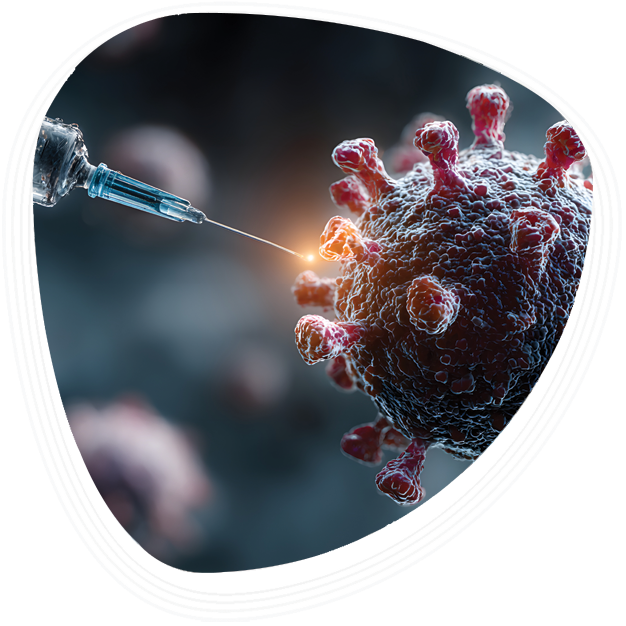
Immunotherapy at Graphic Era Hospital is delivered through a carefully coordinated process that begins with detailed patient evaluation and continues through monitored treatment and ongoing supportive care. Each step is designed to ensure safety, effectiveness, and a personalised approach to treatment.
Patient Assessment and Eligibility
Before starting immunotherapy, a comprehensive evaluation determines suitability and helps select the most appropriate treatment:
- Biomarker and Molecular Testing: PD-L1 expression, microsatellite instability (MSI), mismatch repair (MMR) status, and tumour mutational burden (TMB) are assessed to guide eligibility and predict response.
- Organ Function Assessment: Baseline evaluation of liver, kidney, thyroid, lung, and cardiac function helps identify any risks and ensures safe treatment planning.
- Autoimmune History Review: A detailed review of pre-existing autoimmune conditions is conducted, as these may influence treatment selection and monitoring requirements.
- Multidisciplinary Tumour Board Review: Each immunotherapy plan is reviewed by a team of medical oncologists, surgical oncologists, radiation oncologists, radiologists, and pathologists to ensure a well-informed treatment strategy.
- Informed Consent and Patient Education: Patients are counselled on how immunotherapy works, expected outcomes, possible side effects, and the importance of early reporting of new symptoms.
Administration
Immunotherapy is delivered through a structured and closely monitored process:
- Intravenous Infusion: Most immunotherapy drugs are administered as IV infusions in the Daycare Unit, typically lasting 30 to 90 minutes, with treatment cycles scheduled every two to six weeks depending on the protocol.
- Pre-Infusion Assessment: Vital signs, laboratory tests, and clinical evaluation are performed before each session to confirm fitness for treatment.
- Infusion Monitoring: Patients are continuously monitored during infusion for any reactions, with immediate access to trained staff and emergency care if required.
- Post-Infusion Review: Before discharge, patients are assessed and given clear instructions on symptoms that should be reported in the days following treatment.
Side Effect Monitoring and Management
Ongoing surveillance helps detect and manage immune-related adverse events at an early stage:
- Baseline and On-Treatment Blood Tests: Regular monitoring includes liver function, thyroid profile, cortisol levels, blood glucose, complete blood count, and inflammatory markers.
- Immune-Related Adverse Event Protocols: Established protocols guide the identification and management of conditions such as colitis, pneumonitis, hepatitis, thyroiditis, and skin reactions.
- Corticosteroid Management: If significant immune-related effects occur, corticosteroids are introduced promptly to control immune activity and protect affected organs.
- Treatment Interruption and Restart Decisions: Decisions to pause or discontinue immunotherapy are made by the oncology team based on severity and clinical guidelines.
Supportive Care Throughout Treatment
Comprehensive support is integrated into the treatment plan to maintain overall wellbeing:
- Nutritional Support: Dietitian-led guidance helps patients maintain adequate nutrition, especially when gastrointestinal symptoms affect appetite or tolerance.
- Psychological Support: Counselling services are available to support patients and families in coping with the emotional aspects of cancer treatment.
- Response Assessment: Periodic imaging with PET-CT or MRI is used to evaluate treatment response, guide ongoing decisions, and detect early signs of progression or treatment-related changes.
Top Immunotherapy Treatments
- PD-1 checkpoint inhibitor therapy
- PD-L1 checkpoint inhibitor therapy
- CTLA-4 checkpoint inhibitor therapy
- Monoclonal antibody therapy
- Adoptive cell therapy (including CAR T-cell therapy)
- Cancer vaccine therapy
- Cytokine therapy (interferons and interleukins)
- Immune system modulator therapy
- BCG therapy for bladder cancer
- Combination immunotherapy and chemotherapy
- Combination immunotherapy and targeted therapy
Cancers Treated With Immunotherapy at Graphic Era Hospital
Immunotherapy is used across a growing range of cancers, with treatment selection guided by tumour biology, stage, and biomarker profile. At Graphic Era Hospital, immunotherapy is integrated into personalised treatment plans to achieve the best possible outcomes.
Patient Stories





Blog









Frequently Asked Questions (FAQs)
How is immunotherapy different from chemotherapy?
Immunotherapy activates the immune system to attack cancer cells, while chemotherapy directly destroys rapidly dividing cells. As a result, immunotherapy has a different side effect profile and does not typically cause hair loss or severe nausea seen with chemotherapy.
How long does immunotherapy treatment last?
Treatment duration varies by cancer type and response. It is usually given every two to six weeks and may continue for up to one to two years or until disease progression or side effects occur.
What are the side effects of immunotherapy?
Common side effects include fatigue, skin rash, and diarrhoea. Less common but serious effects may involve the lungs, liver, thyroid, or intestines and require prompt medical attention.
Is immunotherapy suitable for all cancer patients?
No. Suitability depends on cancer type, stage, biomarker status, and overall health. A detailed evaluation is required before starting treatment.
Can immunotherapy be used alongside chemotherapy?
Yes. In several cancers, combining immunotherapy with chemotherapy improves outcomes. The approach is decided based on the individual treatment plan.
How do I book an appointment with a medical oncologist at Graphic Era Hospital?
You can book an appointment through the hospital website, call 1800-889-7351, or visit the outpatient department.
How will I know if immunotherapy is working?
Response to immunotherapy is assessed through regular imaging, using PET-CT or MRI, at defined intervals during treatment. Tumour markers and clinical symptoms are also monitored. Our oncology team reviews each patient’s response at every cycle and adjusts the treatment plan based on the findings.
 Emergency 24×7 : 1800 889 7351