
World COPD Day 2026: Theme, Importance, Symptoms & Prevention | Graphic Era Hospital
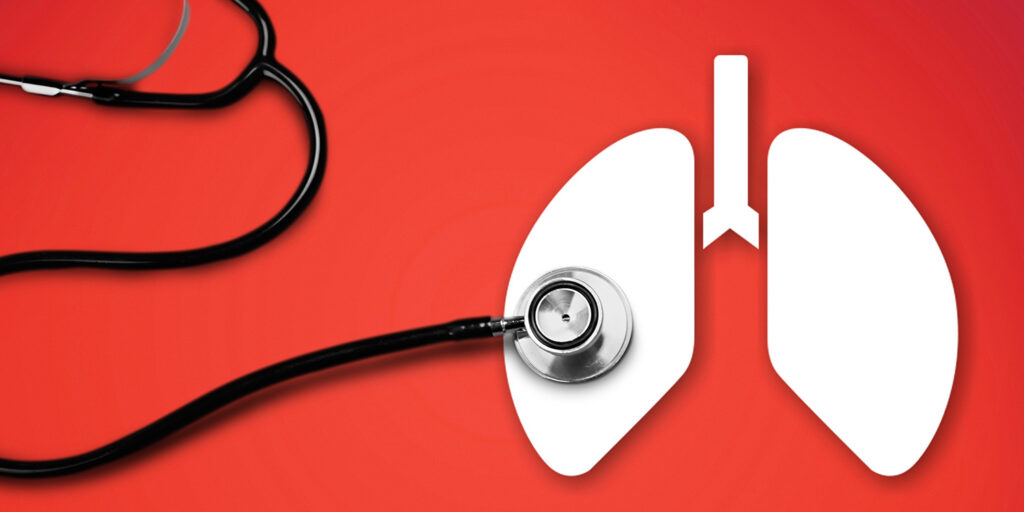
According to the World Health Organization (WHO), Chronic Obstructive Pulmonary Disease (COPD) is the fourth leading cause of death globally, following heart disease, stroke, and lower respiratory infections. In India, COPD continues to be a major respiratory health burden, driven by risk factors such as tobacco smoking, indoor air pollution from cooking fuels, and occupational dust exposure. Despite its prevalence, COPD often remains underdiagnosed or misdiagnosed, delaying proper treatment and management.
To address this growing global health concern, World COPD Day is observed every year to increase public awareness about this condition, promote early diagnosis, and encourage preventive care for better lung health. In this article, we will discuss World COPD Day 2026, its theme, causes, symptoms, and prevention strategies for long-term respiratory care.
World COPD Day 2026: History, Theme and Significance
World COPD Day, observed annually on the third Wednesday of November, falls on 18 November in 2026. It is a global health initiative dedicated to spreading awareness about Chronic Obstructive Pulmonary Disease (COPD) – a common, preventable, and treatable respiratory condition that affects millions of people worldwide. Organised by the Global Initiative for Chronic Obstructive Lung Disease (GOLD) in collaboration with healthcare professionals and COPD patient groups, the day focuses on promoting early diagnosis, improving care, and reducing the burden of COPD through education and community engagement. Since its first observance in 2002, the event has grown into one of the most recognised respiratory awareness campaigns, with activities taking place in over 50 countries every year.
Theme of World COPD Day 2026: “Early Diagnosis and Management for a Better Life”
The official theme for World COPD Day 2026, “Early Diagnosis and Management for a Better Life”, was announced by the Global Initiative for Chronic Obstructive Lung Disease (GOLD). It highlights the importance of identifying COPD early and ensuring timely, appropriate treatment to improve patients’ quality of life. Despite being one of the leading causes of death globally, COPD often remains undiagnosed or misdiagnosed, resulting in delayed treatment and potentially avoidable complications.
This year’s theme encourages healthcare providers and the general public to recognise common COPD symptoms and associated risk factors, including:
- Persistent shortness of breath, particularly during everyday activities.
- Chronic cough, with or without sputum production.
- Repeated respiratory infections.
- Exposure to tobacco smoke, household air pollution, or occupational dust and fumes.
Beyond early detection, the theme emphasises the importance of accurate diagnosis through spirometry, access to appropriate treatment, smoking cessation support, and ongoing disease management. By encouraging timely intervention and improved access to respiratory care, World COPD Day 2026 highlights how effective management can help reduce symptoms, prevent exacerbations, and enable people living with COPD to lead healthier, more active lives.
Global Significance
World COPD Day plays a crucial role in uniting governments, hospitals, and public health organisations to raise global awareness about chronic respiratory diseases. The day encourages collaborative action, from community-level screening camps to nationwide health programmes, aimed at reducing preventable deaths and promoting lung health.
In India, it also serves as a timely reminder of the growing impact of air pollution, smoking, and indoor fuel exposure on respiratory health.
What is COPD?
Chronic Obstructive Pulmonary Disease (COPD) is a long-term lung condition that causes difficulty in breathing due to narrowing and inflammation of the airways. It is a progressive disease, meaning it develops slowly and worsens over time if not managed properly.
People with COPD often experience symptoms such as persistent cough, mucus production, and shortness of breath, especially during physical activity. The disease limits airflow in and out of the lungs, making even simple daily tasks feel exhausting in advanced stages.
COPD usually develops as a result of long-term exposure to harmful particles or gases, most commonly from tobacco smoke, indoor air pollution, or occupational dust. Although it cannot be completely cured, COPD is both preventable and treatable with the right medical care, early diagnosis, and lifestyle changes.
Types of COPD Disease
COPD is not a single condition but a group of chronic lung diseases that cause breathing difficulties. The two main types are chronic bronchitis and emphysema, and in some cases, people may experience features of both.
Chronic Bronchitis
This form of COPD causes long-term inflammation of the airways (bronchial tubes), leading to persistent cough and mucus production. Over time, the airways become swollen and narrowed, making it harder for air to move in and out of the lungs.
Emphysema
In this condition, the tiny air sacs (alveoli) in the lungs are damaged, reducing the surface area available for oxygen exchange. This results in shortness of breath and a feeling of tightness in the chest, especially during exertion.
Asthma-COPD Overlap (ACO)
Some individuals may have features of both asthma and COPD. Known as Asthma-COPD Overlap, this condition requires careful diagnosis and a personalised treatment plan to control symptoms effectively.
Warning Signs and Symptoms of COPD
COPD develops gradually, and many people may ignore early symptoms, assuming they are part of ageing or the result of smoking. Recognising these signs early is essential for timely diagnosis and effective treatment.
Common symptoms of COPD include:
- Persistent cough: Often referred to as a “smoker’s cough,” usually accompanied by mucus (phlegm).
- Shortness of breath: Difficulty breathing, especially during physical activity or exertion.
- Wheezing: A whistling or squeaky sound while breathing.
- Chest tightness: A feeling of heaviness or pressure in the chest.
- Frequent respiratory infections: Recurrent colds, bronchitis, or lung infections.
- Fatigue and weakness: Low energy levels due to reduced oxygen supply.
- Bluish lips or fingernails: Indicating low oxygen levels in the blood in advanced stages.
As COPD progresses, simple activities such as climbing stairs, walking short distances, or performing household chores can become increasingly difficult. Seeking medical attention at the first signs of persistent cough or breathlessness can lead to early detection and significantly improve long-term outcomes.
Causes and Risk Factors of COPD
COPD usually develops after long-term exposure to substances that irritate and damage the lungs. While cigarette smoking remains the most common cause, several environmental and lifestyle factors also contribute to its development.
Major Causes of COPD
- Smoking: The leading cause of COPD. Both active and passive (second-hand) smoking can severely damage lung tissue over time.
- Indoor air pollution: Exposure to smoke from burning wood, coal, or kerosene for cooking and heating, common in poorly ventilated homes, can harm the lungs, especially in women and children.
- Outdoor air pollution: Long-term exposure to vehicle exhaust, industrial fumes, and dust contributes to the risk.
- Occupational exposure: Inhaling dust, chemical fumes, or vapours at workplaces such as factories, mines, and construction sites can increase the risk.
Other Risk Factors
- Genetic predisposition: A deficiency of a protective protein called alpha-1 antitrypsin may cause early-onset COPD.
- Age: Most people diagnosed with COPD are over 40 years old, though symptoms may appear earlier with high exposure to pollutants.
- Recurrent respiratory infections: Frequent infections in childhood can affect lung development and increase vulnerability in adulthood.
- Poor nutrition and weak immunity: Inadequate dietary intake and low body weight can worsen the progression of COPD.
Understanding and avoiding these risk factors, especially smoking and indoor air pollution, plays a key role in preventing COPD and improving overall lung health.
How is COPD Diagnosed?
Early diagnosis of Chronic Obstructive Pulmonary Disease (COPD) is vital for effective treatment and to slow the progression of symptoms. Since COPD often develops gradually, many people are diagnosed only after significant lung damage has occurred. Timely screening and medical evaluation can help detect the condition in its early stages.
Common diagnostic methods for COPD include:
- Spirometry (Lung Function Test): This is the most important test for diagnosing COPD. It measures how much air a person can inhale and exhale, and how quickly they can do so. Reduced airflow indicates airway obstruction typical of COPD.
- Chest X-ray or CT Scan: These imaging tests help doctors assess lung structure, detect damage caused by emphysema, and rule out other conditions such as asthma or lung infections.
- Arterial Blood Gas Test: This test measures oxygen and carbon dioxide levels in the blood to determine how well the lungs are functioning.
- Pulse Oximetry: A simple, non-invasive test that estimates oxygen levels in the blood using a fingertip sensor.
- Laboratory Tests: In some cases, blood tests are conducted to check for alpha-1 antitrypsin deficiency, a genetic cause of COPD.
Regular lung health check-ups and screening for individuals with risk factors, such as smokers, older adults, or people exposed to dust and pollution, can help in early detection and better management of COPD.
Treatment Options for COPD
While Chronic Obstructive Pulmonary Disease (COPD) cannot be completely cured, it can be effectively managed with the right combination of medical treatment, lifestyle changes, and regular monitoring. Early and consistent care helps reduce symptoms, prevent flare-ups, and improve quality of life.
Main treatment approaches include:
Medications
- Bronchodilators: Help relax the muscles around the airways, making it easier to breathe.
- Inhaled corticosteroids: Reduce airway inflammation and help prevent symptom flare-ups.
- Combination inhalers: Include both bronchodilators and steroids for better symptom control.
- Antibiotics or antiviral drugs: May be prescribed during respiratory infections to prevent complications, when clinically indicated.
Oxygen Therapy
For patients with low blood oxygen levels, supplemental oxygen can help relieve symptoms and support essential body functions.
Pulmonary Rehabilitation
A structured programme that combines exercise training, breathing techniques, nutrition guidance, and counselling to improve endurance, strength, and overall well-being.
Vaccinations
Influenza and pneumococcal vaccines help prevent respiratory infections that can worsen COPD symptoms. Follow your doctor’s advice regarding the appropriate vaccination schedule.
Lifestyle Modifications
- Quitting smoking completely is the most effective way to slow disease progression.
- Avoiding air pollutants, having a balanced diet, and staying physically active are key to long-term management.
Surgical Interventions in Advanced Cases
In severe COPD, procedures such as lung volume reduction surgery or lung transplantation may be considered when other treatments are no longer effective and the patient meets the eligibility criteria.
How COPD Affects a Person’s Life
Living with Chronic Obstructive Pulmonary Disease (COPD) can affect both physical and emotional well-being. The impact varies from person to person, depending on the stage of the condition and how early treatment begins. Here’s how COPD affects a person’s life:
Physical Challenges
- Shortness of breath and fatigue: Even routine tasks such as walking, climbing stairs, or cooking may cause breathlessness and tiredness.
- Reduced stamina: Limited oxygen intake can make daily activities more strenuous and decrease overall endurance.
- Frequent respiratory infections: Recurrent chest infections may cause flare-ups, further worsening symptoms.
- Dependence on oxygen or medication: Some patients may require long-term oxygen therapy or regular inhaler use to manage symptoms.
Emotional and Social Impact
- Anxiety and depression: Constant breathlessness or fear of flare-ups can lead to stress and emotional distress.
- Loss of confidence: Many patients may withdraw from social interactions or physical activity due to embarrassment or fatigue.
- Lifestyle limitations: Difficulty maintaining usual routines or hobbies can affect overall quality of life.
While COPD can bring physical limitations and emotional strain, it does not define a person’s life. With the right care and mindset, many patients adapt, recover strength, and find new balance in daily living. Pulmonary rehabilitation, gentle physical activity, and guided breathing exercises can restore confidence and help patients regain control over their health. Support from family, counsellors, and medical professionals plays an equally vital role in reducing anxiety and isolation.
Complications and Stages of COPD
Without timely diagnosis and proper treatment, Chronic Obstructive Pulmonary Disease (COPD) can lead to serious health complications that affect not only the lungs but also other organs. Understanding these complications and disease stages helps patients and families take proactive steps toward better management.
Common Complications of COPD
- Respiratory infections: Frequent lung infections such as bronchitis or pneumonia can cause sudden worsening of symptoms.
- Lung damage: Chronic inflammation may lead to structural damage to lung tissue, reducing oxygen exchange.
- Pulmonary hypertension: Increased blood pressure in the lungs can strain the heart.
- Heart problems: Reduced oxygen levels and associated lung disease can put extra strain on the heart and contribute to cardiovascular complications.
- Weight loss and muscle weakness: Difficulty eating or reduced physical activity can cause loss of strength and body weight.
Stages of COPD (Based on GOLD Classification)
- Mild (Stage I):
- Persistent cough with slight mucus production.
- Minimal shortness of breath during exertion.
- Moderate (Stage II):
- Noticeable breathlessness during routine activities.
- Increased frequency of cough and chest discomfort.
- Severe (Stage III):
- Significant airflow limitation and fatigue.
- Frequent flare-ups and difficulty performing daily tasks.
- Very Severe (Stage IV):
- Severe breathlessness, even at rest.
- Increased risk of respiratory failure and serious complications.
Recognising symptoms early and adhering to a treatment plan can help slow disease progression and improve quality of life. Regular follow-ups with a pulmonologist are essential to monitor lung function and prevent complications.
Prevention of COPD
Although Chronic Obstructive Pulmonary Disease (COPD) is a long-term condition, many of its causes are preventable. Simple lifestyle changes, timely medical intervention, and environmental awareness can go a long way in protecting lung health and preventing disease progression. Key measures to prevent COPD include:
- Quit smoking: Avoid both active and passive smoking, as it is the leading cause of COPD. Seek medical or counselling support if needed.
- Minimise exposure to air pollutants: Use appropriate respiratory protection in areas with heavy traffic or industrial smoke, and limit outdoor activities during periods of high pollution.
- Improve indoor air quality: Ensure proper ventilation while cooking, especially in homes using wood, coal, or kerosene fuels. Switching to cleaner alternatives like LPG or electric stoves helps reduce risk.
- Follow a healthy diet: Eat a balanced diet rich in fibre, antioxidants, fruits, and vegetables to support overall health.
- Exercise regularly: Engage in suitable physical activities such as walking or yoga, according to your health and doctor’s advice, to improve fitness and endurance.
- Get vaccinated: Influenza and pneumococcal vaccines can help prevent respiratory infections that often worsen COPD.
- Seek early medical care: Consult a doctor promptly if there is a persistent cough, wheezing, or breathlessness. Early diagnosis leads to better management and outcomes.
When to See a Doctor
Recognising the early warning signs of Chronic Obstructive Pulmonary Disease (COPD) and seeking medical help at the right time can prevent serious complications and improve long-term outcomes. Many people delay consultation, assuming symptoms such as cough or breathlessness are temporary, but early intervention is key.
Consult a pulmonologist if you experience:
- Persistent cough lasting more than three weeks, with or without mucus.
- Shortness of breath during regular activities or at rest.
- Wheezing or chest tightness that does not improve with routine care.
- Recurrent respiratory infections, such as bronchitis or pneumonia.
- Unexplained fatigue, weakness, or weight loss.
Those with a history of smoking, exposure to air pollution, or a family history of lung disease should discuss regular lung health check-ups or spirometry testing with a healthcare professional.
Why Choose Graphic Era Hospital for COPD Care?
At Graphic Era Hospital, Dehradun, comprehensive care for Chronic Obstructive Pulmonary Disease (COPD) focuses on early detection, personalised management, and long-term respiratory support. The hospital combines advanced technology with compassionate expertise to help patients breathe easier and live healthier lives. The following pillars define the hospital’s approach to respiratory care:
Experienced Pulmonologists with Specialised Expertise
The hospital’s team of pulmonologists and respiratory therapists brings experience in managing COPD, asthma, and other chronic lung conditions. Each specialist focuses on evidence-based practices to support accurate diagnosis, appropriate medication use, and effective long-term disease management.
Advanced Respiratory Diagnostics and Technology
Graphic Era Hospital is equipped with diagnostic tools such as:
- Spirometry and pulmonary function testing for airflow measurement.
- High-resolution CT imaging to assess lung structure and detect signs of emphysema when clinically indicated.
- Arterial blood gas analysis and pulse oximetry for oxygen monitoring.
These facilities help clinicians assess COPD and tailor treatment according to disease severity and individual patient needs.
Comprehensive Pulmonary Rehabilitation Programmes
Rehabilitation plays a vital role in helping patients regain strength and confidence. The hospital’s pulmonary rehabilitation programmes may include:
- Supervised breathing exercises and physiotherapy sessions.
- Nutritional and lifestyle counselling to support energy levels and overall health.
- Psychological guidance to manage anxiety and stress associated with chronic breathlessness.
Holistic and Patient-Centred COPD Care
At Graphic Era Hospital, every patient receives a personalised care plan built around their unique health needs. The hospital emphasises long-term follow-up, preventive monitoring, and patient education, empowering individuals to actively manage their condition and improve their quality of life.
Together for Better Respiratory Health
COPD remains one of the world’s leading causes of respiratory illness, but with early diagnosis, preventive care, and consistent treatment, patients can lead active, fulfilling lives. Awareness initiatives such as World COPD Day remind us that every instance of persistent breathlessness deserves attention, and that timely medical care can make a lasting difference.
At Graphic Era Hospital, Dehradun, our team of pulmonologists, supported by diagnostic technology and pulmonary rehabilitation programmes, helps patients manage COPD effectively and enhance their overall quality of life.
To consult a pulmonologist or book a COPD screening at Graphic Era Hospital, call 1800-889-7351 today.
Frequently Asked Questions (FAQs)
When is World COPD Day observed?
World COPD Day is observed annually on the third Wednesday of November. In 2026, it falls on 18 November. The day aims to raise global awareness about Chronic Obstructive Pulmonary Disease (COPD), encourage early diagnosis, and promote timely treatment and effective disease management to improve lung health and quality of life.
What is the theme for World COPD Day 2026?
The official theme for World COPD Day 2026 is “Early Diagnosis and Management for a Better Life.” It emphasises the importance of recognising COPD symptoms early, improving access to accurate diagnosis, and ensuring timely treatment and ongoing care to reduce complications and improve patients’ quality of life.
What are the main causes and risk factors of COPD?
COPD is mainly caused by long-term exposure to harmful substances that irritate the lungs, such as tobacco smoke, air pollution, and indoor cooking fumes. Occupational exposure to dust or chemicals, frequent respiratory infections, and family history can also increase the risk.
What are the stages of COPD disease?
COPD progresses through four stages based on the severity of airflow limitation:
- Mild (Stage I): Persistent cough and slight breathlessness.
- Moderate (Stage II): Noticeable shortness of breath during routine activities.
- Severe (Stage III): Frequent flare-ups and reduced physical endurance.
- Very Severe (Stage IV): Difficulty breathing even at rest, with risk of respiratory failure.













 Emergency 24×7 : 1800 889 7351