Hernia repair surgery is a commonly-performed procedure used to treat hernias – a condition in which an internal organ or tissue pushes through a weak area or a defect in the surrounding muscle or connective tissue. Surgical repair of hernia involves repositioning the protruding tissue and strengthening the weakened area (usually with the support of mesh) to reduce the risk of recurrence. Graphic Era Hospital provides hernia repair surgery with an acute focus on accurate diagnosis, appropriate surgical planning, and safe recovery. The hospital is equipped to manage different types of hernias, including inguinal, umbilical, incisional, and hiatal/diaphragmatic hernias, with an emphasis on maintaining surgical precision, reducing post-operative discomfort, and supporting a smooth recovery through structured postoperative care and follow-ups.
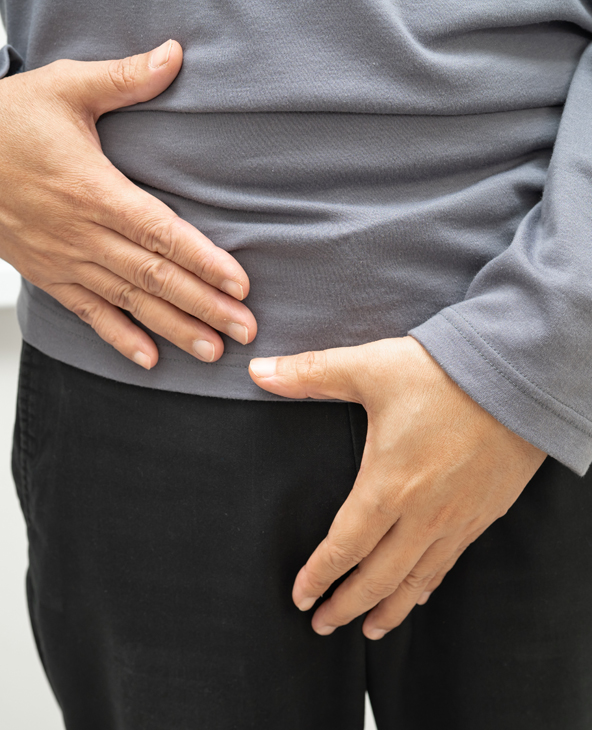
When is Hernia Repair Surgery Recommended?
Hernia repair surgery is recommended in the following situations, where symptoms, progression, or potential complications make surgical intervention necessary:
- Visible Swelling or Increasing size: When a noticeable bulge is present and continues to grow over time, indicating weakening of the surrounding muscle and a higher risk of complications
- Persistent Pain or Discomfort: When the hernia leads to ongoing pain, pressure, or a dragging sensation that does not improve with rest and tends to worsen during activities such as lifting, coughing, or prolonged standing
- Interference with Daily Activities: When routine movements, physical tasks, or work-related activities become difficult or limited due to discomfort or pain caused by the hernia
- Risk of Complications: When there are signs that the hernia may become obstructed or strangulated, which can cut off blood supply to the trapped tissue and require urgent medical attention
- Recurrent Hernia: When a hernia reappears after a previous repair, often requiring further surgical correction to strengthen the affected area
Schedule Your Appointment with
Our Expert Doctors
We are dedicated to driving lasting, positive transformation in healthcare management through innovation and patient-centered solutions.
Things to Know Before Undergoing Hernia Repair Surgery
Before undergoing hernia repair surgery, it is important to be aware of key aspects related to preparation, procedure options, and recovery expectations:
- Type of Surgery: Hernia repair can be performed using open or laparoscopic techniques. The choice depends on the type, size, and location of the hernia, along with overall health status
- Pre-Surgical Evaluation: Medical history, physical examination, and imaging tests may be required to assess the hernia and plan the procedure appropriately
- Fasting and Medication Guidelines: Instructions are usually provided regarding fasting before surgery and managing existing medications, especially those related to blood thinning or chronic conditions
- Anaesthesia: The procedure may be carried out under general, spinal, or local anaesthesia, depending on the surgical approach and patient factors
- Hospital Stay: Some hernia repairs are done as day-care procedures, although some cases may require a short hospital stay based on the complexity of the surgery
- Recovery Timeline: Most individuals can resume light activities within a few days, though complete recovery and return to strenuous tasks may take a few weeks
- Post-Surgical Care: Proper wound care, avoiding heavy lifting, and following medical advice are important to support healing and reduce the risk of recurrence
Types of Hernia Repair Surgeries Available at Graphic Era Hospital
Graphic Era Hospital offers a range of hernia repair procedures based on the type, size, and location of the hernia, along with the overall clinical condition:
- Open Hernia Repair Surgery: A traditional approach in which a single incision is made over the hernia site to reposition the protruding tissue and repair the weakened muscle. Surgical mesh may be used to strengthen the area and reduce recurrence risk
- Laparoscopic Hernia Repair Surgery: A minimally invasive technique performed using small incisions, a camera, and specialised instruments. This approach is associated with smaller scars, reduced post-operative discomfort, and quicker recovery in suitable cases
- Mesh Hernia Repair: A widely used technique in which a medical mesh is placed to reinforce the weakened tissue, helping lower the chances of recurrence. It can be used in both open and minimally invasive procedures
- Non-Mesh (Tissue) Repair: In selected cases, especially for smaller hernias, the repair may be performed using sutures alone without mesh, based on clinical assessment.
- Emergency Hernia Repair: Hernias causing acute pain and intestinal obstruction need emergency surgery and based on clinical status of the patient can be approached using laparoscopic/open techniques.
The choice of procedure is guided by detailed evaluation to ensure safe repair and optimal recovery outcomes.
Why Choose Graphic Era Hospital for Hernia Repair Surgery
Key reasons to consider Graphic Era Hospital for hernia repair surgery include

Experienced Surgical Team: Hernia procedures are performed by skilled general and laparoscopic surgeons with experience in managing simple as well as complex and recurrent cases, ensuring precise surgical care and better outcomes

Advanced Minimally Invasive Techniques: Use of laparoscopic and other modern surgical methods helps reduce pain, scarring, and hospital stay, supporting faster recovery and early return to daily activities

Comprehensive Care and Recovery Support: Structured care includes pre-surgical evaluation, post-operative monitoring, and guided recovery planning to promote smooth healing and reduce the risk of complications
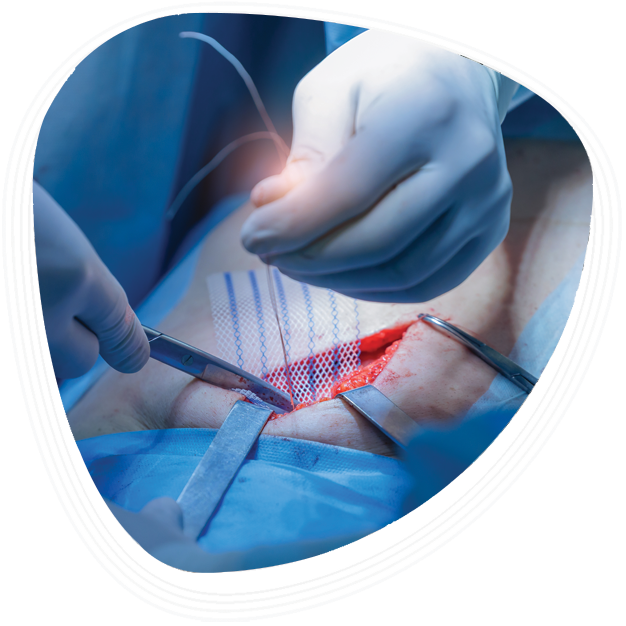
Post-Surgery Care and Recovery After Hernia Repair Surgery
The following care measures are important after hernia repair surgery to support healing, manage discomfort, and reduce the risk of complications:
- Wound Care: Keep the surgical site clean and dry. Dressings should be changed as advised, and the area should be monitored for signs of infection such as redness, swelling, or discharge
- Pain Management: Mild to moderate discomfort is common in the initial days. Pain relief measures are provided to help manage symptoms and support mobility
- Physical Activity: Light movement is encouraged early to improve circulation, but heavy lifting, strenuous exercise, and sudden movements should be avoided for a few weeks
- Diet and Hydration: A balanced diet with adequate fluids supports healing and helps prevent constipation, which can put strain on the surgical site
- Follow-up Care: Scheduled follow-up visits are important to assess healing, remove sutures if required, and address any concerns
- Gradual Return to Routine: Most individuals can resume normal daily activities within a short period, though complete recovery may take a few weeks depending on the type of surgery
Risks and Possible Complications After Hernia Repair Surgery
The following risks and complications may occur after hernia repair surgery, although most cases recover without major concerns:
- Infection: Redness, swelling, warmth, or discharge at the surgical site may indicate an infection that requires medical attention
- Pain or Discomfort: Mild pain is common after surgery, but in some cases, it may persist for a longer duration
- Bleeding or Bruising: Minor bleeding or bruising around the incision site can occur during the early recovery period
- Recurrence of Hernia: There is a possibility of the hernia returning, especially if proper care is not followed during recovery
- Fluid Accumulation: Build-up of fluid near the surgical site may cause swelling and may need monitoring or drainage
- Nerve Irritation or Numbness: Temporary or, in rare cases, long-term numbness or tingling may be experienced around the operated area
- Complications Related to Mesh: In cases where mesh is used, there may be risks such as irritation or rejection, though these are uncommon
Top Hernia Repair Surgical Procedures at Graphic Era Hospital
- Open Inguinal Hernia Repair
- Laparoscopic Inguinal Hernia Repair (TAPP)
- Laparoscopic Inguinal Hernia Repair (TEP)
- Umbilical Hernia Repair
- Incisional Hernia Repair
- Hiatal Hernia Repair
- Femoral Hernia Repair
- Recurrent Hernia Repair
Patient Stories





Blog








Frequently Asked Questions (FAQs)
How long does hernia repair surgery take?
The duration of hernia repair surgery usually ranges from 30 minutes to 2 hours, depending on the type of hernia and the surgical approach used.
Is hernia repair surgery safe?
Hernia repair is considered a safe and routine procedure when performed after proper evaluation. Outcomes are generally favourable with appropriate surgical planning and follow-up care.
Will a hernia go away without surgery?
A hernia does not resolve on its own. In most cases, it may gradually increase in size over time, making surgical repair the definitive treatment.
Are there any restrictions before the surgery?
Certain dietary and activity-related instructions may be advised before the procedure. Specific guidance is provided based on the planned surgery and overall health condition.
Can hernia repair surgery be performed in elderly patients?
Yes, hernia repair can be performed in elderly individuals after careful assessment of overall health and fitness for surgery.
What type of doctor performs hernia repair surgery?
Hernia repair procedures are typically performed by general surgeons, often with additional training in laparoscopic or minimally invasive techniques.
Can hernia affect digestion or bowel movements?
In some cases, a hernia may lead to symptoms such as temporary discomfort, bloating, or changes in bowel habits, especially if it affects abdominal structures.
Is hospital admission always required for hernia surgery?
Not all cases require prolonged hospitalisation. Many hernia repairs are performed as day-care procedures, depending on the type of surgery and recovery status.
 Emergency 24×7 : 1800 889 7351