
Health Checks to Get in 20s, 30s, and 40s: Taking Charge of Your Long-Term Health
Key Takeaways
- Preventive health checks can identify risk factors before symptoms appear.
- Screening priorities change through the 20s, 30s and 40s.
- Family history, lifestyle, existing conditions and sex can change the checks a person needs.
- A larger health package is not always a better health check. Relevant screening matters more.
- Test results should be reviewed by a doctor so that abnormalities can lead to appropriate follow-up.
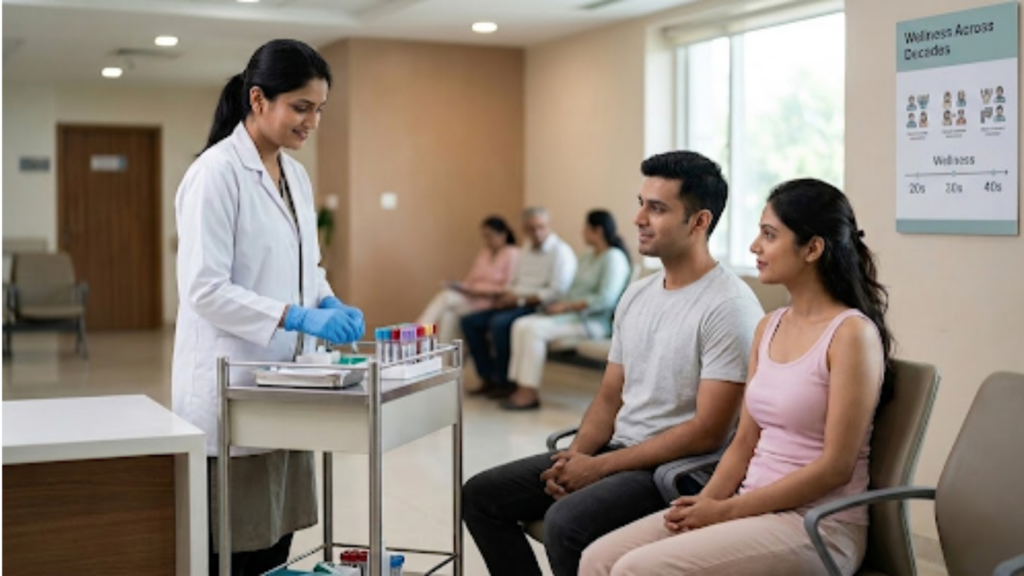
Feeling healthy may not always mean that everything is alright. Many disorders such as high blood pressure, increased blood sugar and high cholesterol may not present any obvious symptoms, while many other health risks may increase with age, family history or lifestyle. Preventive health checks can help establish a baseline and identify changes that may need attention. That said, screening needs can change with age. In this article, we’ll explain which health areas to prioritise in the 20s, 30s and 40s, why preventive checks are often ignored, and how individual risk factors can guide screening.
Health Checks to Prioritise in Your 20s
The 20s are a good time to establish basic health measurements and identify risk factors early. People with no known health problems may not need an extensive package, but routine preventive care can include:
- Blood pressure and weight: Blood pressure should be checked periodically, while weight and body composition can help identify obesity-related health risks.
- Blood sugar when indicated: Screening for diabetes becomes more relevant when there are risk factors such as overweight or obesity, a family history of diabetes or other clinical concerns.
- Cholesterol when appropriate: A lipid profile may be useful based on personal and family risk, particularly when there is a family history of premature heart disease or other cardiovascular concerns.
- Mental health and lifestyle review: Sleep, stress, physical activity, smoking, alcohol use and diet can affect long-term health and should form part of preventive discussions.
- Sex- and age-appropriate reproductive health screening: Women may need cervical screening according to current recommendations and individual risk, while reproductive or sexual health concerns should be assessed when relevant.
The aim in this decade is not to collect as many test reports as possible. It is to establish healthy habits and identify risks that may otherwise go unnoticed.
Health Checks to Prioritise in Your 30s
Health priorities often expand in the 30s as the effects of sedentary routines, stress, weight gain and family history become more relevant. Routine preventive care may include:
- Blood pressure and metabolic health: Regular blood pressure, blood glucose and weight assessment can help identify early signs of hypertension, diabetes and metabolic risk.
- Cholesterol testing: A lipid profile can help assess cardiovascular risk, particularly when combined with blood pressure, weight, smoking status and family history.
- Kidney and liver health when indicated: Blood or urine tests may be recommended when a person has risk factors, symptoms, medication-related concerns or an existing condition.
- Thyroid assessment when clinically appropriate: Thyroid testing is generally guided by symptoms, personal history and risk rather than automatically performed in every healthy adult.
- Women’s health: Depending on age and individual needs, preventive care may include cervical screening and assessment of menstrual, reproductive or hormonal concerns.
- Men’s health: Preventive consultations can address weight, blood pressure, metabolic health, lifestyle risks and reproductive concerns based on individual needs.
Graphic Era Hospital’s current basic male package, for example, includes blood sugar, lipid profile, liver and kidney function, thyroid testing, urine examination, ECG, BMI and blood pressure, along with physician review.
Health Checks to Prioritise in Your 40s
The 40s are an important stage for reviewing cardiovascular and metabolic risk and adding age-appropriate screening. Depending on individual risk, preventive care may include:
- Heart health: Blood pressure, cholesterol and diabetes risk should receive regular attention. A doctor may recommend additional cardiac assessment when symptoms or risk factors justify it.
- Diabetes screening: Blood glucose or HbA1c may be used to screen for diabetes or assess blood sugar control where appropriate.
- Kidney and liver function: These tests may help monitor organ health, particularly in people with diabetes, hypertension, obesity, medication use or other risk factors.
- Eye health: Regular eye assessment becomes increasingly relevant with age and should not be limited to people who already use glasses.
- Bone health: Bone-density assessment may be considered according to age, sex, menopause status and other risk factors rather than as a universal test for every person in their 40s.
- Cancer screening: Breast, cervical, colorectal, prostate and other cancer screening should follow age-appropriate recommendations and individual risk. Not every screening test is suitable for every person.
Graphic Era’s annual screening packages currently cover areas such as blood, diabetes, kidney, heart, liver, hormone, lung, eye, bone and nutritional health, with specialist consultations included in relevant packages. Our female annual packages are also differentiated for women below and above 40 years.
Why Preventive Health Checks are Often Ignored
People often postpone preventive health checks because:
- No symptoms: Feeling healthy can make screening seem unnecessary.
- Busy schedules: Work and family responsibilities often take priority.
- Uncertainty: Some people are unsure which tests they actually need.
- Fear of results: Concern about finding a health problem may lead to avoidance.
- Unnecessary testing: Choosing a large package without considering individual risk can make screening less purposeful.
The better approach is to discuss screening needs with a doctor and choose checks that are relevant to age, health history and individual risk.
Factors That Determine the Right Health Checks
There is no single set of health checks that suits every adult. The tests a person may need can depend on:
- Age
- Sex
- Family history
- Weight and lifestyle
- Smoking or alcohol use
- Existing medical conditions
- Previous test results
- Current symptoms
- Medicines and other health risks
For example, a person with a strong family history of diabetes or heart disease may need earlier or more frequent monitoring. Women’s and men’s preventive needs may also differ because of reproductive, hormonal and sex-specific health risks.
Graphic Era Hospital offers health packages designed for different age groups, health profiles and lifestyle needs, including general, men’s and women’s screening options.
Why Health Check-ups Matter
A preventive health check can help identify health risks before symptoms appear. Reviewing the results with a doctor helps determine what needs attention and what to do next.
Depending on the findings, a doctor may recommend:
- Lifestyle changes to reduce identified health risks
- Repeat testing to monitor an abnormal result
- Further investigations to understand a finding
- Specialist consultation when required
- Regular follow-up to track health over time
A health check is most useful when the results lead to appropriate action.
Preventive Health Check-ups at Graphic Era Hospital
Preventive health check-ups in the 20s, 30s and 40s can help identify health concerns early and guide age- and risk-appropriate screening. At Graphic Era Hospital, Dehradun, our preventive health screening services bring diagnostic investigations and medical consultations together to help people assess their health and understand what their results may mean. We offer multiple screening options, including Silver, Gold, Titanium and Diamond health packages, along with basic, advanced and annual packages for different health needs.
Depending on the selected package, screening may cover areas such as blood health, diabetes, cholesterol, kidney and liver function, thyroid, heart health, lung health, eye health, bone and joint health and nutritional status. Relevant packages also include consultations with physicians and specialists.
For appointments or assistance, contact Graphic Era Hospital at 1800 889 7351.
Frequently Asked Questions (FAQs)
Which health checks should I get in my 20s?
Most adults in their 20s should keep track of blood pressure, weight and overall lifestyle health. Blood sugar, cholesterol, reproductive health or other tests may be added when symptoms, family history or other risk factors make them relevant.
Which tests become important after 30?
Blood pressure, blood sugar, cholesterol and weight-related risk generally become more important to monitor regularly. Kidney, liver or thyroid tests may also be advised based on symptoms, family history, medicines or existing health conditions.
What health checks should I get after 40?
Health screening after 40 commonly focuses on cardiovascular and metabolic risk, along with age- and sex-appropriate screening for conditions such as certain cancers, eye problems and bone health concerns. The exact tests should depend on individual risk.
How often should adults get a health check-up?
There is no single interval that applies to everyone. Frequency depends on age, health history, family history and risk factors. People with existing conditions or higher risk may need more frequent monitoring than healthy individuals with no significant risk factors.
Is a full body check-up necessary if I feel healthy?
Not necessarily. Feeling well does not rule out conditions such as high blood pressure or abnormal blood sugar, but that does not mean every person needs every available test. A preventive check should match age, risk and medical needs.
What tests are usually included in a preventive health check?
Preventive health screening may include blood and urine tests, blood sugar, cholesterol, kidney and liver function tests, thyroid testing, ECG and other assessments, depending on the package and individual needs. At Graphic Era Hospital, Dehradun, our preventive health packages offer different combinations of diagnostic tests and medical consultations based on age, health profile and screening needs. Selected packages also include eye, dental, nutritional and specialist consultations.
Does family history change the health checks I need?
Yes. A family history of conditions such as diabetes, hypertension, heart disease, thyroid disorders or certain cancers may lead a doctor to recommend earlier, more frequent or more targeted screening.
Are health check-ups different for men and women?
Some screening needs differ because of sex-specific risks and reproductive health. Graphic Era Hospital offers separate basic, advanced and annual screening packages for men and women, with relevant specialist consultations included in selected packages.
What happens after abnormalities are found in a health check?
A doctor reviews the findings to determine whether they require repeat testing, further investigation, lifestyle changes, treatment or specialist referral. An abnormal screening result does not automatically mean a person has a disease.
How can I choose the right health check-up package?
Start with age, sex, family history, lifestyle, existing conditions and any current symptoms. A doctor can then help determine which tests are relevant. Graphic Era Hospital offers multiple preventive screening packages with different combinations of investigations and consultations.
















 Emergency 24×7 : 1800 889 7351