
Protein in Indian Diet: Debunking Common Myths
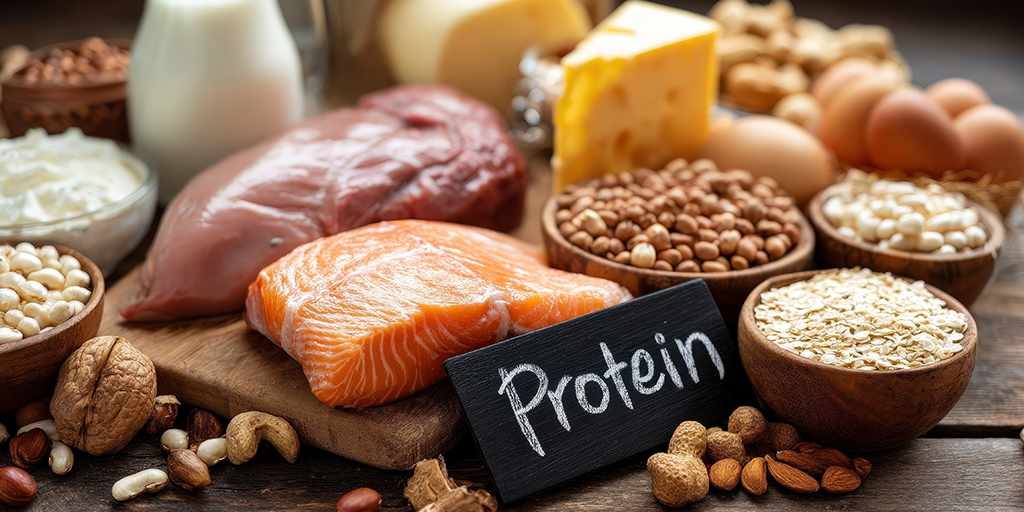
Thanks to increasing awareness; protein has moved from being a niche buzzword in fitness circles, to a mainstream nutrition conversation across Indian households. Yet, studies suggest that about 70 to 80 percent of Indians do not meet their daily protein requirements. For starters, many people are still unsure about how much protein they actually need, where it should come from, and whether traditional Indian diets provide enough of it. The situation becomes even more concerning when myths surrounding protein begin to overshadow facts. Today we will be debunking some such common misconceptions around protein, and will also provide some simple tips to help ensure your diet contains an adequate amount of protein. Let’s start with understanding the body’s protein requirements.
How Much Protein Does an Adult Actually Need
Protein requirements vary based on age, gender, and level of physical activity, but general guidelines offer a useful starting point. For a healthy adult, the recommended daily protein intake is around 0.8 to 1 gram per kilogram of body weight. This means:
- A person weighing 60 kg may need about 48 to 60 grams of protein per day
- Someone weighing 70 kg may require around 56 to 70 grams daily
These needs can increase in certain situations, such as:
- Higher Physical Activity Levels: Regular exercise or strength training increases protein requirements
- Pregnancy and Breastfeeding: Additional protein supports the growth and development of the baby
- Recovery from Illness or Surgery: Protein helps in tissue repair and healing
In the Indian context, daily meals often include cereals including rice and wheat as staples, with smaller portions of protein-rich foods such as pulses, dairy, or eggs. This imbalance can make it harder to meet daily protein needs unless meals are planned carefully. Including a variety of protein sources across meals can help bridge this gap and support overall health.
Common Protein Myths in Indian Diets
Protein intake is often shaped by long-held beliefs and everyday eating habits. Many of these ideas may sound convincing, but they do not always reflect the full picture. Here are some of the most common myths and the facts behind them:
Myth1 : Indians Get Enough Protein from Their Daily Diet
This is one of the most widely believed ideas, especially because Indian meals include foods like dal, roti, and rice. Although these foods do contain protein, the quantity is often not sufficient to meet daily requirements. A typical plate may be high in carbohydrates and lower in protein, which creates an imbalance. Meeting protein needs usually requires careful inclusion of adequate portions of pulses, dairy, eggs, or other protein-rich foods across meals.
Myth 2: Only Non-Vegetarian Foods are Good Sources of Protein
Non-vegetarian foods like eggs, chicken, and fish are rich in protein, but they are not the only sources. Indian vegetarian diets include several protein-rich foods such as lentils, chickpeas, kidney beans, paneer, curd, nuts, and seeds. The key lies in variety and quantity. A well-planned vegetarian diet can meet daily protein needs without relying on animal-based foods.
Myth 3: Plant Proteins are Not as Effective as Animal Proteins
Plant-based proteins are sometimes considered inferior because many of them do not contain all essential amino acids in a single source. However, Indian diets naturally combine foods that complement each other. For example, cereals and pulses eaten together help provide a more complete amino acid profile. Regularly including a mix of plant-based protein sources can support the body’s needs effectively.
Myth 5: Protein Supplements are Necessary for Everyone
The growing popularity of fitness culture has led to the belief that supplements are essential for daily protein intake. In reality, most people can meet their requirements through regular meals if they include sufficient protein-rich foods. Supplements may be useful in specific cases, such as for athletes or individuals with increased needs, but they are not required for everyone.
Myth 6: A High-Protein Diet is Harmful
There is a common concern that higher protein intake can harm the kidneys or overall health. For healthy individuals, consuming protein within recommended limits is generally safe. Problems are more likely to arise when intake is extremely high or when there are existing health conditions. A balanced approach that includes appropriate portions is important.
Myth 7: Protein Is Only Important for Muscle Building
Protein is often linked only to fitness and muscle gain, but its role goes far beyond that. It is essential for maintaining immunity, supporting hormone production, repairing tissues, and keeping the body functioning well. Adequate protein intake is important for people of all ages, not just those focused on exercise.
Tips to Include Adequate Protein in Your Diet
Meeting daily protein needs does not always require major dietary changes. Simple adjustments to everyday meals can help improve overall protein intake and support better balance in the diet:
- Include a protein source in every meal: Add foods such as dal, curd, paneer, eggs, or lean meats to each meal to maintain steady intake through the day.
- Improve cereal and pulse combinations: Pair foods such as rice with dal or roti with legumes to improve overall protein quality in meals.
- Increase portion size of protein-rich foods: Slightly larger servings of pulses, dairy, or eggs can help meet daily requirements more easily.
- Add dairy to daily meals: Include milk, curd, or paneer in meals or snacks to boost protein intake without major changes to the diet.
- Choose protein-rich snacks: Replace low-nutrient snacks with options like roasted chana, peanuts, sprouts, or boiled eggs.
- Include a variety of protein sources: Rotate between different foods such as lentils, beans, soy products, dairy, and non-vegetarian options to ensure balanced intake.
- Plan meals in advance: Simple planning helps ensure that protein is evenly distributed across breakfast, lunch, and dinner.
- Support higher needs when required: Pay closer attention to protein intake during periods such as illness recovery, pregnancy, or increased physical activity.
Consult a Clinical/Therapeutic Dietitian at Graphic Era Hospital
Protein intake is often shaped by daily habits and common beliefs, which can make it easy to miss gaps in the diet. Once these myths are addressed, it becomes clear that meeting protein needs does not require major changes, but small and consistent improvements in everyday meals. This approach can support better energy, recovery, and overall health over time, especially when meals include a good mix of protein sources. If there is any confusion about dietary needs or existing health concerns, consult a qualified dietitian at Graphic Era Hospital to get clear and practical guidance that suits individual requirements. Book a consultation today by calling at 1800 889 7351.
Frequently Asked Questions
Can protein intake affect weight management?
Yes, protein can help in weight management by improving satiety and reducing overall calorie intake. Meals with adequate protein may help control hunger and support better portion control.
Is it better to spread protein intake throughout the day?
Distributing protein across meals can help the body use it more efficiently. Including protein in breakfast, lunch, and dinner supports steady absorption and utilisation.
Are traditional Indian breakfasts low in protein?
Many common breakfast options are higher in carbohydrates and lower in protein. Small additions like curd, paneer, or eggs can help improve their protein content.
Do older adults need more protein than younger adults?
Protein needs may increase with age due to changes in muscle mass and metabolism. Adequate intake becomes important to maintain strength and overall health.
Can cooking methods affect protein content in food?
Cooking does not significantly reduce protein content, but methods like deep frying may add excess fat. Simple methods such as boiling, steaming, or grilling are better choices.
Is it possible to get enough protein on a budget?
Yes, affordable foods like lentils, chickpeas, peanuts, milk, and eggs can provide good amounts of protein without increasing food costs significantly.
Does protein intake play a role in immunity?
Protein supports the production of antibodies and immune cells, which are important for the body’s defence system. Low intake may affect immune function over time.














 Emergency 24×7 : 1800 889 7351