Yellow Eyes and Liver Health: What You Need to Know
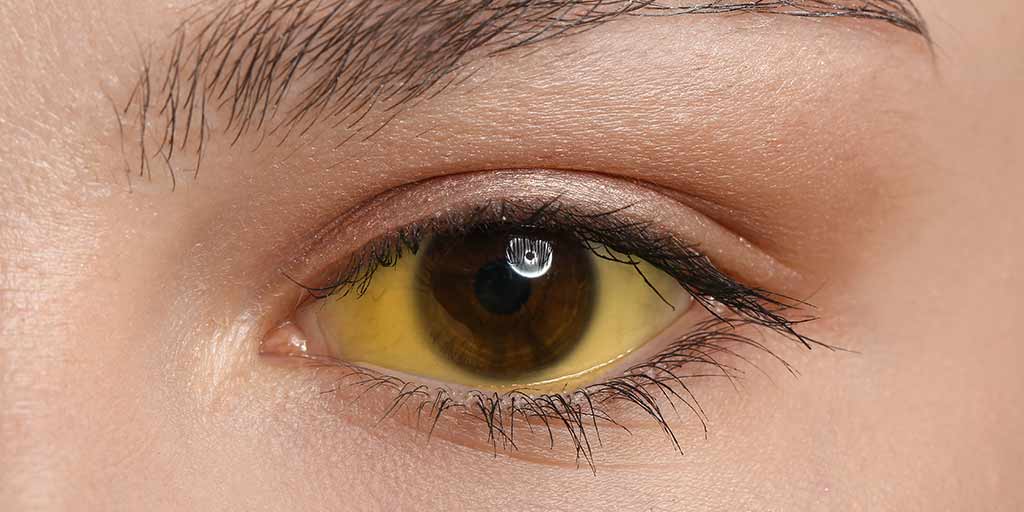
Yellowing of the eyes is often one of the first visible signs that something may be affecting liver health. This change in colour usually occurs when bilirubin, a yellow pigment produced during the normal breakdown of red blood cells, builds up in the bloodstream, which is linked to several liver-related problems. As the eyes are often the first place where this yellow tint becomes noticeable, it can act as an important warning sign. Whether you spotted it in yourself, a family member, or are simply curious about what it means, this guide will walk you through everything you need to know about yellow eyes, what causes them, and ways to support liver health. Let’s start by understanding the role of the liver in the body.
The Liver’s Role in the Body
The liver is one of the most important organs in the body and performs several functions that support overall health. It processes nutrients, filters harmful substances from the blood, and plays a key role in digestion and metabolism. The main functions of the liver include:
- Processing nutrients: Helps convert nutrients from food into forms that the body can use for energy, growth, and repair.
- Filtering toxins: Removes harmful substances such as alcohol, waste products, and certain chemicals from the blood.
- Producing bile: Produces bile, a digestive fluid that helps break down fats in food.
- Processing bilirubin: Breaks down bilirubin, a yellow pigment formed during the natural breakdown of red blood cells, and helps remove it from the body through bile.
- Storing essential substances: Stores vitamins, minerals, and glycogen, which the body can use when needed.
What Causes Yellow Eyes?
Yellowing of the eyes usually occurs due to a condition called Jaundice. This happens when bilirubin, a yellow pigment formed during the breakdown of red blood cells, builds up in the bloodstream. Under normal conditions, the liver processes bilirubin and removes it from the body through bile. When this process is disrupted, bilirubin levels rise and the yellow pigment begins to deposit in body tissues, including the whites of the eyes.
Common Liver Conditions Linked to Yellow Eyes
Yellowing of the eyes often points to a problem with liver function. Several liver conditions can interfere with this process including:
Hepatitis
Hepatitis refers to inflammation of the liver. It can occur due to viral infections, excessive alcohol intake, certain toxins, or autoimmune conditions. Inflammation affects the liver’s ability to process bilirubin effectively. As bilirubin levels rise in the bloodstream, jaundice may develop, leading to yellowing of the eyes. Other symptoms may include fatigue, nausea, abdominal discomfort, and dark-coloured urine.
Cirrhosis
Cirrhosis develops when long-term liver damage leads to scarring of liver tissue. Healthy liver cells gradually get replaced with scar tissue, which interferes with normal liver function. This scarring can reduce the liver’s ability to process bilirubin and produce bile. As a result, bilirubin may accumulate in the body and cause yellow eyes. Cirrhosis may develop due to chronic hepatitis infections, long-term alcohol use, or fatty liver disease.
Fatty Liver Disease (Steatotic Liver Disease)
Fatty liver disease occurs when excess fat builds up in liver cells. In the early stages, it may not cause noticeable symptoms. Over time, fat accumulation can lead to inflammation and liver damage. If the condition progresses, liver function may become affected, making it harder for the liver to process bilirubin. This may eventually lead to jaundice and yellowing of the eyes in advanced cases.
Alcohol-Associated Liver Disease
Long-term alcohol consumption can gradually damage liver cells and impair normal liver function. Repeated injury to the liver may cause inflammation, fatty changes, and eventually scarring. As liver function declines, the organ becomes less effective at removing bilirubin from the bloodstream. This buildup can lead to jaundice, which may appear as yellowing of the eyes and skin.
Liver Cancer
Liver cancer develops when abnormal cells grow uncontrollably in liver tissue. Tumours in the liver can damage healthy liver cells or block the flow of bile. When bile flow is obstructed or liver function is affected, bilirubin may accumulate in the bloodstream. This can result in jaundice, which is often noticed through yellowing of the eyes. Other symptoms may include unexplained weight loss, abdominal pain, and fatigue.
Warning Signs to Watch For
Yellowing of the eyes may not appear alone. In many cases, other symptoms develop as bilirubin levels rise or liver function becomes affected. Symptoms to watch out for include:
- Yellowing of the skin: The yellow tint may gradually spread from the whites of the eyes to the skin. This change occurs when bilirubin continues to accumulate in body tissues.
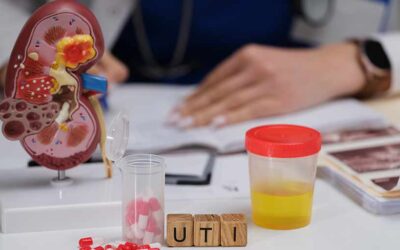
- Dark-coloured urine: Urine may appear deep yellow or brownish in colour. This happens when excess bilirubin is filtered by the kidneys and passed out of the body through urine.
- Pale or clay-coloured stools: Bile plays an important role in giving stools their usual brown colour. When bile flow is reduced or blocked, stools may appear lighter than normal.
- Persistent fatigue: Ongoing tiredness and low energy levels may occur when the liver is unable to perform its normal metabolic functions efficiently.
- Loss of appetite: Reduced interest in food can develop due to digestive discomfort or liver inflammation.
- Nausea or vomiting: Digestive disturbances may appear as the body struggles to process waste products effectively.
- Abdominal pain or discomfort: Pain or tenderness may develop in the upper right side of the abdomen, which is the area where the liver is located.
- Abdominal swelling: Fluid accumulation in the abdomen may occur in certain liver conditions, leading to noticeable swelling.
- Unexplained weight loss: Sudden weight loss without a clear reason can sometimes indicate a serious underlying condition affecting the liver.
How to Support Liver Health
Maintaining good liver health plays an important role in preventing problems that may lead to symptoms such as yellowing of the eyes. Certain lifestyle habits can support normal liver function and reduce the risk of liver-related conditions.
- Follow a balanced diet: A diet that includes fruits, vegetables, whole grains, and lean sources of protein can help support normal liver function. Limiting foods high in added sugar, salt, and unhealthy fats may also reduce the risk of fat buildup in the liver.
- Limit alcohol consumption: Excessive alcohol intake can damage liver cells over time and may lead to conditions such as fatty liver disease or cirrhosis. Reducing or avoiding alcohol can help protect the liver from long-term damage.
- Maintain a healthy body weight: Excess body weight can increase the risk of fatty liver disease. Maintaining a healthy weight through balanced eating and regular physical activity can support liver health.
- Use medicines carefully: Some medicines can affect liver function if taken in high doses or for long periods. Medicines should be taken only as prescribed and under medical guidance.
- Get vaccinated for hepatitis: Vaccination can help prevent certain forms of hepatitis that may cause liver inflammation and long-term liver damage.
- Practice safe hygiene and health habits: Proper hygiene, safe food handling, and avoiding exposure to contaminated water or blood can reduce the risk of infections that may affect the liver.
- Schedule regular health check-ups: Routine medical check-ups and blood tests can help detect liver problems early, especially in individuals with risk factors such as alcohol use, obesity, or viral infections.
Adopting these habits can support liver function and lower the chances of developing conditions that may lead to jaundice or other liver-related complications.
When to See a Doctor
Medical attention is recommended if any of the following signs appear:
- Sudden yellowing of the eyes: A noticeable change in the colour of the whites of the eyes may indicate a rapid rise in bilirubin levels.
- Yellow eyes along with yellow skin: Spread of the yellow tint to the skin may suggest worsening jaundice symptoms.
- Dark urine or pale stools: These changes may indicate problems with bile production or bile flow.
- Persistent abdominal pain: Discomfort or pain in the upper right side of the abdomen may be linked to liver inflammation or bile duct problems.
- Unexplained fatigue or weakness: Constant tiredness without a clear reason may be associated with liver dysfunction.
- Fever, nausea, or vomiting: These symptoms may point to infection or inflammation affecting the liver.
- Unintentional weight loss: Sudden weight loss may indicate a more serious underlying condition that requires medical assessment.
Early medical evaluation can help identify the cause of yellow eyes and guide the right treatment.
Consult a Gastroenterologist at Graphic Era Hospital
Yellowing of the eyes is often the body’s way of signalling that something may be affecting liver function. Ignoring this change can allow an underlying condition to progress without attention. If yellow eyes or related symptoms appear, schedule a consultation with a gastroenterologist at Graphic Era Hospital by calling at 1800 889 7351 for proper evaluation of liver health and guidance on the next steps for diagnosis and treatment.
Frequently Asked Questions
Can lack of sleep cause yellow eyes?
Lack of sleep can make the eyes appear tired, red, or slightly dull, but it does not cause true yellowing of the eyes. Yellow eyes usually occur due to a buildup of bilirubin in the body and often point to an underlying medical condition that requires evaluation.
Can yellow eyes go away on their own?
In some cases, yellow eyes may improve once the underlying cause is treated or resolved. However, this symptom should not be ignored, as it often indicates a problem affecting liver function, bile flow, or red blood cells.
Are yellow eyes always related to a serious condition?
Not every case indicates a severe disease, but yellow eyes should still be taken seriously. Even mild jaundice may point to an issue that needs medical attention and proper diagnosis.
Can dehydration make the eyes look yellow?
Dehydration can make the eyes appear dry or slightly dull, but it does not usually cause the whites of the eyes to turn yellow. A true yellow colour in the eyes is more commonly linked to increased bilirubin levels.
Is yellowing of the eyes different in children and adults?
Yellowing of the eyes can occur at any age, but the causes may differ. In adults, it is often linked to liver or bile duct conditions. In newborns, jaundice is relatively common and usually related to the immature function of the liver in early life.






 Emergency 24×7 : 1800 889 7351