For couples unable to conceive naturally, intrauterine insemination (IUI) could be the answer to their prayers. IUI is a fertility treatment where concentrated, healthy sperm is placed directly into a woman’s uterus around ovulation to help fertilization. At Graphic Era Hospital, Dehradun, IUI procedures are performed by experienced fertility specialists who carefully monitor each cycle and guide patients through every stage of treatment. Each treatment plan is personalised based on the couple’s medical history, fertility evaluation, and reproductive goals, ensuring comprehensive care and optimal outcomes in a supportive environment.
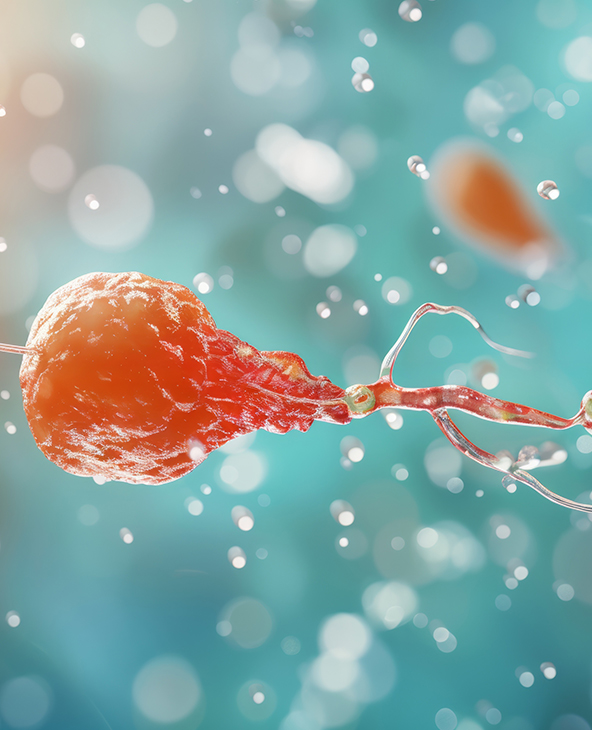
When is Intrauterine Insemination (IUI) Performed?
Intrauterine insemination is recommended for couples who have been unable to conceive despite regular, unprotected intercourse, or when specific fertility-related challenges are identified. By improving the timing and placement of sperm, IUI helps overcome certain barriers that may prevent natural fertilisation. Doctors may recommend IUI in situations such as:
- Unexplained infertility: When routine fertility tests do not identify a clear cause, IUI may improve the chances of conception by optimising sperm delivery during ovulation.
- Mild male factor infertility: Low sperm count, reduced motility, or mild abnormalities in sperm shape can be managed by selecting and concentrating healthy sperm before insemination.
- Ovulation-related issues: Women with irregular ovulation or hormonal imbalances may benefit from IUI when combined with ovulation-inducing medications.
- Cervical factor infertility: Changes in cervical mucus or structural issues may prevent sperm from passing through the cervix, which IUI helps bypass.
- Endometriosis (mild cases): In early-stage endometriosis, IUI may improve pregnancy chances when timed accurately with ovulation.
- Use of donor sperm: IUI is commonly used when donor sperm is required due to male infertility or genetic concerns.
At Graphic Era Hospital, each recommendation for IUI is made after a thorough fertility evaluation of both partners, ensuring the procedure is appropriate, timely, and aligned with the couple’s treatment goals.
Schedule Your Appointment with
Our Expert Doctors
We are dedicated to driving lasting, positive transformation in healthcare management through innovation and patient-centered solutions.
How IUI Procedure is Performed
The intrauterine insemination procedure is a carefully timed process that aligns with the woman’s ovulation cycle to maximise the chances of fertilisation. At Graphic Era Hospital, each step of the IUI procedure is planned and monitored by experienced fertility specialists to ensure accuracy, safety, and patient comfort.
The procedure typically involves the following stages:
- Cycle monitoring and ovulation tracking: Before insemination, the woman’s menstrual cycle is closely monitored through ultrasound scans and, in some cases, blood tests. This helps identify the most fertile period, ensuring the procedure is performed at the optimal time for conception. Ovulation may occur naturally or be supported with fertility medications, depending on individual needs.
- Semen collection and preparation: On the day of the procedure, a semen sample is collected from the male partner or prepared donor sperm is used. The sample is processed in the laboratory to separate healthy, motile sperm from seminal fluid and non-motile sperm. This preparation improves sperm quality and reduces the risk of uterine irritation.
- Insemination process: Once ovulation is confirmed, the prepared sperm is gently introduced into the uterus using a thin, flexible catheter passed through the cervix. The procedure is usually painless, does not require anaesthesia, and takes only a few minutes to complete.
- Post-procedure rest and guidance: After insemination, the patient is advised to ensure proper rest before resuming normal activities. The fertility team provides guidance on medications, activity levels, and follow-up steps during the two-week waiting period before pregnancy testing.
How to Prepare for IUI Procedure
Proper preparation before intrauterine insemination helps ensure the procedure is carried out smoothly and at the most fertile time in the cycle. At Graphic Era Hospital, patients receive clear guidance and counselling before treatment so they feel informed, prepared, and comfortable throughout the process.
Key aspects of preparation include:
- Fertility evaluation of both partners: Before starting IUI, both partners undergo a detailed fertility assessment. This may include hormone tests, ultrasound scans to assess the uterus and ovaries, evaluation of ovulation, and semen analysis. These tests help confirm that IUI is an appropriate treatment option.
- Cycle planning and ovulation assessment: The fertility specialist explains how the menstrual cycle will be tracked. Some women proceed with natural cycles, while others may be prescribed ovulation-inducing medications to improve egg development and timing. Regular monitoring helps determine the most suitable day for insemination.
- Medication guidance: If fertility medicines are prescribed, patients are advised on how and when to take them. Any ongoing medications or supplements should be discussed with the doctor to avoid interference with treatment.
- Lifestyle considerations: Couples may be advised to avoid smoking, alcohol, and excessive caffeine during the treatment cycle. Maintaining a balanced diet, managing stress, and getting adequate rest can support overall reproductive health.
- Practical planning for the procedure day: On the day of IUI, the semen sample is usually collected at the hospital or brought from home as advised. Patients are encouraged to wear comfortable clothing and plan light activities for the remainder of the day.
Careful preparation allows the fertility team to carry out the procedure with precision and helps optimise the chances of conception while ensuring patient safety and comfort.
Types of IUI Cycles
Intrauterine insemination can be performed using different cycle approaches, depending on the woman’s ovulation pattern, fertility evaluation, and overall treatment plan. At Graphic Era Hospital, fertility specialists select the most appropriate type of IUI cycle to align with individual reproductive needs and maximise the chances of conception. The common types of IUI cycles include:
- Natural Cycle IUI: In a natural cycle, IUI is performed without the use of fertility medications. Ovulation occurs naturally and is tracked through ultrasound or ovulation tests. This approach may be suitable for women who ovulate regularly and prefer minimal medical intervention.
- Stimulated Cycle IUI: In a stimulated cycle, fertility medications are prescribed to encourage the development of one or more eggs. This helps improve the chances of fertilisation by increasing the number of available eggs. Ovulation is carefully monitored to reduce the risk of multiple pregnancies.
- IUI with Ovulation Trigger: In some cases, an injection is used to trigger ovulation once the follicles reach the appropriate size. This allows precise timing of the insemination, improving coordination between egg release and sperm placement.
- Donor Sperm IUI: When donor sperm is required due to male factor infertility or genetic considerations, IUI is performed using carefully screened and prepared donor sperm. The process follows the same clinical steps, with added counselling and consent procedures.
Each cycle type is selected after careful discussion with the couple, taking into account medical findings, treatment goals, and previous fertility outcomes.
Risks of IUI
Intrauterine insemination is a commonly performed fertility procedure and is generally considered safe. As it is non-surgical and minimally invasive, serious complications are uncommon. However, like any medical procedure, IUI does carry certain risks and considerations. Understanding these helps couples feel prepared and informed during treatment.
- Mild cramping or discomfort: Some women may experience light cramping, pressure, or spotting during or shortly after the procedure. This usually settles on its own within a short time.
- Risk of infection: There is a very small risk of uterine or pelvic infection due to catheter insertion. Strict hygiene protocols and sterile techniques are followed to minimise this risk.
- Multiple pregnancy: When fertility medications are used alongside IUI, the chance of twins or multiple pregnancies increases. Careful cycle monitoring and controlled medication dosing help reduce this risk.
- Ovarian hyperstimulation (rare): In stimulated IUI cycles, the ovaries may occasionally respond too strongly to fertility medicines, leading to bloating or discomfort. Monitoring through ultrasound helps detect and manage this early.
- Procedure failure: IUI does not guarantee pregnancy, and some couples may require more than one cycle or alternative fertility treatments. Success rates depend on factors such as age, cause of infertility, and cycle type.
- Emotional impact: The waiting period after IUI and the uncertainty of outcomes can be emotionally challenging for some couples. Ongoing counselling and support play an important role during treatment.
At Graphic Era Hospital, IUI is approached with careful planning and close medical oversight. Each step of the process is carried out with attention to safety, accuracy, and patient well-being, ensuring that appropriate precautions are taken at every stage of treatment.
Why Choose Graphic Era Hospital for IUI Treatment in Dehradun?

Experienced Fertility Specialists: IUI procedures are managed by qualified obstetricians, gynaecologists, and fertility specialists with extensive experience in diagnosing and treating a wide range of infertility conditions. Each case is evaluated individually to ensure the most appropriate and effective treatment plan.

Advanced Diagnostic and Laboratory Support: The hospital is equipped with modern ultrasound systems and well-equipped laboratories for accurate cycle monitoring and sperm preparation. Strict quality and hygiene protocols are followed during semen processing to optimise sperm quality and ensure patient safety.

Personalised Treatment Planning: Every couple receives a customised treatment approach based on medical findings, age, and fertility goals. Careful cycle monitoring and tailored medication protocols help improve timing and outcomes while reducing unnecessary interventions.
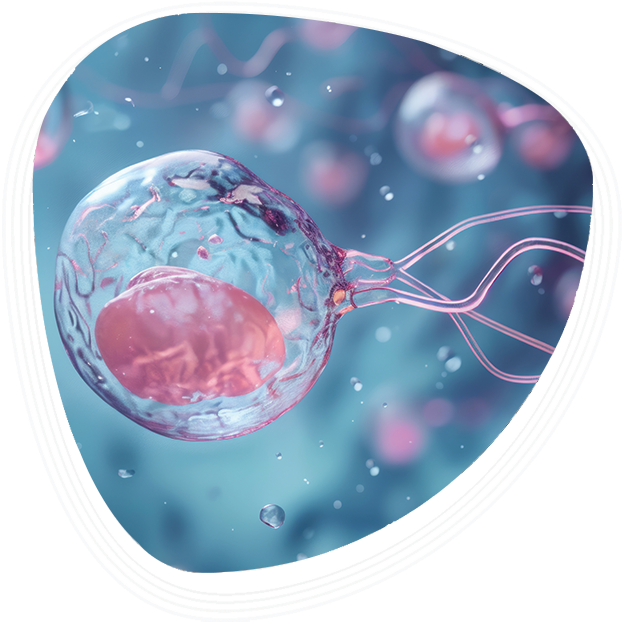
Recovery and Aftercare Following IUI
Recovery after intrauterine insemination is usually quick, as the procedure is non-surgical and minimally invasive. Most women are able to resume their normal routine on the same day. At Graphic Era Hospital, patients receive clear aftercare guidance to support comfort and help manage the waiting period before pregnancy testing.
Immediately after the procedure
A short period of rest may be advised after insemination. Mild cramping or light spotting can occur but usually settles on its own without intervention.
Activity and lifestyle guidance
Normal daily activities can be continued after IUI. Patients are generally advised to avoid strenuous exercise on the day of the procedure and to maintain a balanced routine that supports overall well-being.
Medication and hormonal support
In some cases, doctors may prescribe medications such as progesterone to support the uterine lining after insemination. It is important to take these as advised and report any unusual symptoms.
The two-week waiting period
The period between IUI and pregnancy testing can be emotionally challenging. Patients are advised to avoid early testing and wait for the recommended time to ensure accurate results. The fertility team remains available to address concerns during this phase.
Follow-up and pregnancy testing
A pregnancy test is usually scheduled around two weeks after the procedure. Based on the result, doctors discuss the next steps, whether that involves early pregnancy care or planning further treatment cycles if needed.
IUI Treatment Cost in Dehradun
The cost of intrauterine insemination (IUI) can vary from one couple to another, as treatment is planned based on individual fertility needs. Factors such as the type of IUI cycle, required medications, and the level of monitoring involved can influence the overall cost. At Graphic Era Hospital, couples are guided through the treatment plan and associated expenses in advance, allowing for informed and transparent decision-making.
Factors that may influence the cost of IUI include:
- Type of IUI cycle: Natural cycles and medication-assisted cycles may differ in cost depending on the level of medical support required.
- Fertility medications: The use and duration of ovulation-inducing medicines can affect treatment expenses.
- Cycle monitoring: Ultrasound scans and hormone tests needed to track ovulation and timing may influence the overall cost.
- Semen preparation: Laboratory processing of the semen sample is an essential part of the procedure and contributes to treatment costs.
- Number of cycles: Some couples may require more than one IUI cycle to achieve pregnancy.
- Use of donor sperm (if applicable): Additional screening and preparation steps may apply when donor sperm is used.
At Graphic Era Hospital, IUI treatment is planned with clarity and care. Couples receive a clear explanation of expected costs before starting treatment, ensuring there are no unexpected expenses during the process.
Patient Stories



Blog








Frequently Asked Questions (FAQs)
How many IUI cycles are usually recommended before trying another treatment?
Most fertility specialists recommend trying two to four IUI cycles, depending on age, diagnosis, and response to treatment. If pregnancy does not occur, further evaluation or alternative options such as IVF may be discussed.
Can IUI work if I have blocked fallopian tubes?
IUI is generally not effective if both fallopian tubes are blocked, as fertilisation cannot occur naturally. However, if one tube is open, IUI may still be considered in selected cases after proper evaluation.
Is bed rest required after the IUI procedure?
Extended bed rest is not necessary after IUI. A short period of rest immediately after the procedure may be advised, after which normal daily activities can usually be resumed.
Does age affect the success of IUI?
Yes. Age plays an important role in fertility outcomes. IUI tends to be more effective in younger women, particularly those under 35, though individual factors are always considered during treatment planning.
Can IUI be performed in consecutive cycles?
Yes. IUI can be performed in consecutive menstrual cycles if medically appropriate. Your fertility specialist will decide this based on ovarian response, overall health, and emotional readiness.
Will IUI affect my menstrual cycle if pregnancy does not occur?
If pregnancy does not occur, the menstrual cycle usually resumes normally. In some cases, medication use may cause slight changes in timing or flow for that cycle only.
When should I contact the doctor after an IUI procedure?
You should contact your doctor if you experience severe abdominal pain, persistent bloating, fever, heavy bleeding, or any symptoms that cause concern during or after the treatment cycle.
Can IUI be combined with other fertility treatments later if needed?
Yes. IUI is often used as an initial treatment step. If needed, couples can move on to other assisted reproductive techniques, such as IVF, based on medical advice and treatment response.
Is emotional counselling available during fertility treatment?
Fertility treatment can be emotionally demanding. Many patients benefit from counselling or support services, especially during repeated cycles or the waiting period after treatment.
How do I find the best hospital near me in Dehradun for IUI?
When considering IUI, it is important to choose a hospital with experienced fertility specialists, reliable diagnostic and laboratory support, and careful cycle monitoring. Clear communication, personalised treatment planning, and adherence to safety protocols also play a key role. At Graphic Era Hospital, IUI is provided through a structured, patient-focused approach that supports both safety and informed decision-making throughout the fertility journey.
 Emergency 24×7 : 1800 889 7351