Chemotherapy is a key component of cancer treatment that uses specialised medications to destroy cancer cells, slow their growth, or reduce the risk of recurrence. It may be recommended as a primary treatment, before surgery to shrink tumours, after surgery to eliminate remaining cancer cells, or alongside other treatments such as radiation therapy and targeted therapy.
At Graphic Era Hospital, chemotherapy is administered by experienced medical oncologists using individualised, evidence-based protocols tailored to the type and stage of cancer. With a dedicated Daycare Chemotherapy Unit, safe drug preparation systems, and structured monitoring, the focus remains on delivering effective treatment while minimising side effects and supporting overall wellbeing.
When is Chemotherapy Recommended?
Chemotherapy is recommended based on the type of cancer, its stage, and the specific goals of the treatment plan. At Graphic Era Hospital, our medical oncologists use chemotherapy as a versatile tool, either as a standalone therapy or in combination with surgery and radiation, to achieve the best possible clinical outcome.
Chemotherapy may be recommended in the following scenarios:
- Primary Treatment: As the main therapy to eliminate cancer cells and achieve complete remission, particularly in blood cancers like leukemia and lymphoma.
- Neoadjuvant Therapy: Administered before surgery or radiation to shrink a tumour, making it easier and safer to remove or treat.
- Adjuvant Therapy: Given after surgery or radiation to destroy any remaining microscopic cancer cells and reduce the risk of recurrence.
- Palliative Care: To manage and shrink tumours in advanced stages, focusing on relieving symptoms, reducing pain, and improving the patient’s quality of life.
- Metastatic Disease: When cancer has spread (metastasised) from the primary site to other organs, requiring a systemic approach to treat cells throughout the body.
- Chemoradiation: Used simultaneously with radiation therapy to "sensitise" cancer cells, making the radiation more effective at destroying the tumour.
- Resistance to Other Therapies: When a tumour does not respond sufficiently to targeted therapies or hormonal treatments alone.
Schedule Your Appointment with
Our Expert Doctors
We are dedicated to driving lasting, positive transformation in healthcare management through innovation and patient-centered solutions.
Things to Know Before Undergoing Chemotherapy
Starting chemotherapy is an important step in cancer treatment, and being well prepared can make the physical and emotional transition smoother. At Graphic Era Hospital, a structured pre-treatment approach focuses on assessing overall health, optimising readiness, and helping patients understand what to expect before therapy begins. Before the first cycle, several essential aspects are carefully addressed:
- Pre-Treatment Health Screening: Comprehensive evaluations such as ECG/ECHO, lung assessment, and kidney function tests help ensure the body can safely tolerate chemotherapy medicines.
- Multidisciplinary Tumour Board Review: Treatment plans are reviewed by a panel of surgical, medical, and radiation oncologists along with radiologists to ensure accurate, evidence-based decision-making.
- Understanding Chemotherapy Cycles: Chemotherapy is delivered in cycles, periods of treatment followed by rest, allowing the body’s healthy cells to recover between cycles.
- Venous Access Planning: To reduce repeated needle pricks, options such as chemoports or PICC lines may be recommended to make medicine administration safer and more comfortable.
- Preparation for Side Effects: Preventive supportive care medicines are prescribed in advance to help manage common effects such as nausea, fatigue, and reduced appetite.
- Blood Count Monitoring:Regular blood tests (CBC) are essential to monitor white blood cells, haemoglobin, and platelets, ensuring treatment continues safely.
- Fertility and Hormonal Considerations: When relevant, discussions around fertility preservation and hormonal health take place before treatment begins.
- Nutritional Readiness: Maintaining a balanced, protein-rich diet supports recovery between cycles, and nutrition experts provide personalised guidance to help patients stay strong throughout treatment.
Types of Chemotherapy Available at Graphic Era Hospital
Chemotherapy is delivered in different ways depending on the type of cancer, stage of disease, and overall treatment goal. At Graphic Era Hospital, medical oncologists select the most appropriate approach to maximise effectiveness while maintaining patient safety and comfort.
- Intravenous (IV) Chemotherapy: Anti-cancer medicines administered directly into the bloodstream through a vein, commonly delivered in the Daycare Chemotherapy Unit for convenience and monitoring.
- Oral Chemotherapy: Cancer-fighting medicines taken in tablet or capsule form under strict medical supervision, allowing part of the treatment to continue at home.
- Combination Chemotherapy Regimens: Carefully selected combinations of drugs used together to enhance cancer cell destruction and reduce the risk of resistance.
- Neoadjuvant Chemotherapy: Treatment given before surgery or radiation therapy to shrink tumours and improve the success of subsequent procedures.
- Adjuvant Chemotherapy: Post-surgical treatment aimed at eliminating microscopic cancer cells and reducing the risk of recurrence.
- Concurrent Chemoradiation: Chemotherapy administered alongside radiation therapy to enhance tumour control in selected cancers.
- Targeted Therapy: Specialised medicines that act on specific molecular pathways involved in cancer growth, often with a more focused mechanism of action.
- Immunotherapy: Treatments that stimulate the body’s immune system to recognise and attack cancer cells more effectively.
- Palliative Chemotherapy: Lower-intensity regimens focused on symptom relief, tumour control, and improving quality of life in advanced-stage cancers.
Why Choose Graphic Era Hospital for Chemotherapy?
Choosing where to receive chemotherapy is a critical milestone in any cancer treatment journey. It requires not only medical expertise but also a safe clinical environment, reliable monitoring systems, and coordinated supportive care to ensure treatment is both effective and manageable. Here’s why patients across Dehradun and nearby areas trust Graphic Era Hospital for Chemotherapy:

Expertise in Precision Oncology and Evidence-Based Protocols: Our Medical Oncology department is led by a distinguished team of specialists who design treatment regimens strictly aligned with global clinical standards. Every protocol is individualised through a multidisciplinary tumour board, ensuring that chemotherapy is delivered with maximum therapeutic precision. By integrating advanced dosing calculations with the latest research in systemic therapy, the hospital ensures that each patient receives a treatment plan optimised for their specific diagnosis and physiological profile.

Advanced Biosafety Infrastructure and Pharmacy Integrity: Graphic Era Hospital prioritises clinical safety through a specialised oncology pharmacy equipped with Laminar Airflow systems. This technology provides a sterile, controlled environment for medication preparation, protecting the integrity of the medication and ensuring patient safety. Furthermore, the hospital maintains a rigorous cold-chain management protocol, ensuring that temperature-sensitive chemotherapy agents are stored and handled under optimal conditions to preserve their full pharmacological potency until the moment of administration.

Patient-Centric Daycare Excellence and Supportive Care: To enhance the patient experience and minimise the need for prolonged hospitalisation, the hospital features a dedicated Daycare Chemotherapy Unit. This facility allows patients to receive their infusions in a modern, comfortable, and monitored environment before returning to the comfort of their homes the same day. This clinical efficiency is supported by a comprehensive ecosystem of care, including proactive side-effect management, specialised venous access through Chemoports, and integrated nutritional and psychological counseling to support the patient’s holistic recovery.
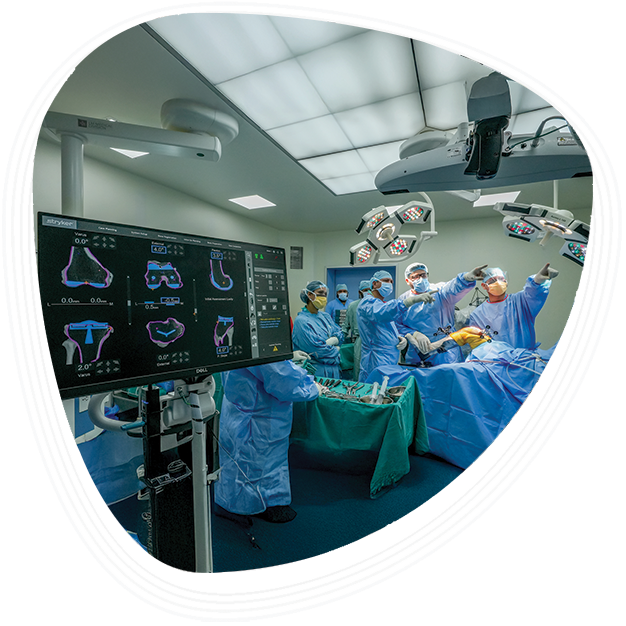
Chemotherapy Services & Supportive Ecosystem
The journey through chemotherapy involves more than just the administration of drugs; it requires a comprehensive ecosystem to support the patient’s physical and mental health. At Graphic Era Hospital, chemotherapy is supported by an integrated clinical framework that combines advanced diagnostics with proactive symptom management to ensure each treatment cycle is delivered safely and effectively. To provide comprehensive support during chemotherapy, the following services are integrated into the treatment pathway:
- Diagnostic & Response Monitoring: In-house PET-CT and 3 Tesla MRI imaging are used to assess tumour response and guide timely adjustments in treatment plans when required.
- Proactive Symptom Management: Evidence-based anti-emetic protocols are initiated to prevent nausea and reduce treatment-related discomfort.
- Haematological Support: Growth factor therapy and supportive injections are administered when necessary to maintain healthy blood counts and reduce infection risk.
- Hydration and Electrolyte Therapy: Specialised IV hydration protocols help protect kidney function and maintain electrolyte balance during intensive treatment phases.
- Holistic Wellness Counselling: Nutritional guidance and psychological counselling support patients and families in managing the physical and emotional impact of cancer treatment.
Top Chemotherapy Treatments at Graphic Era Hospital
- Intravenous (IV) chemotherapy regimens
- Oral chemotherapy protocols
- Combination chemotherapy cycles
- Neoadjuvant chemotherapy
- Adjuvant chemotherapy
- Concurrent chemoradiation therapy
- Targeted therapy
- Immunotherapy
Patient Stories


Blog

Inflammatory Arthritis Explained: From Symptoms to Management

Understanding Frozen Shoulder: Causes, Symptoms, and Treatments






Frequently Asked Questions (FAQs)
Is chemotherapy painful?
The administration of chemotherapy is generally not painful. While the insertion of a standard IV line may feel like a minor prick, many patients at Graphic Era Hospital opt for a Chemoport or PICC line. These specialised devices make the infusion process entirely painless and protect the veins from irritation caused by certain medications.
How many chemotherapy cycles are required?
The number of cycles depends entirely on the type of cancer, its stage, and the treatment goals. A typical course may range from 4 to 8 cycles, with each cycle lasting 21 to 28 days to allow the body time to recover. Our medical oncologists provide a personalised timeline after a thorough clinical evaluation.
Can chemotherapy cure cancer?
Yes, chemotherapy can be curative for many types of cancer, particularly when detected early or in cases of blood-related malignancies like leukemia and lymphoma. In more advanced stages, it is highly effective at shrinking tumours, preventing the spread of the disease, and significantly extending a high quality of life.
Does chemotherapy always cause hair loss?
Not all chemotherapy drugs cause hair loss (alopecia). Whether hair thins or falls out depends on the specific drug and dosage used. If hair loss does occur, it is almost always temporary, and hair typically begins to grow back a few weeks after the final cycle of treatment is completed.
Can I continue normal activities during treatment?
Many patients continue with their daily routines, especially those receiving treatment in a daycare setting. While energy levels may fluctuate, especially in the 48–72 hours following an infusion, most people can maintain a moderate level of activity. Our team provides guidance on balancing rest with daily responsibilities.
How long do side effects last?
Most immediate side effects, such as nausea or fatigue, subside within a few days of completing a cycle. Long-term side effects vary by individual and treatment type, but our proactive “supportive care” protocols are designed to minimise these effects and speed up the recovery process between doses.
Is chemotherapy safe for elderly patients?
Yes, chemotherapy can be safely administered to elderly patients. At Graphic Era Hospital, we perform a “Geriatric Assessment” to evaluate organ function and overall fitness. We then tailor the drug dosages and delivery methods to ensure the treatment is effective while being gentle on the patient’s system.
 Emergency 24×7 : 1800 889 7351