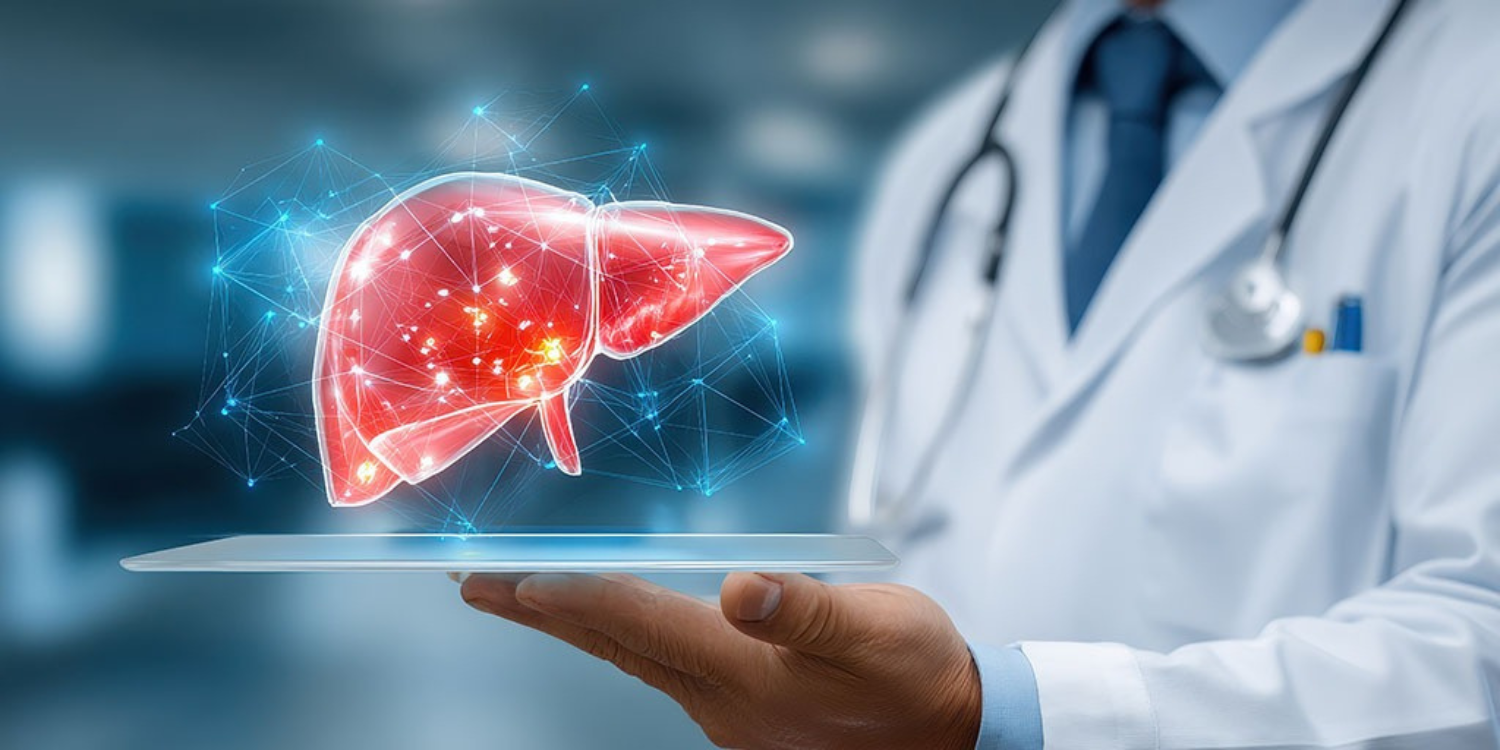
An enlarged liver, medically known as hepatomegaly, is not a disease in itself but a sign of an underlying liver, metabolic, or systemic condition. Since liver enlargement can sometimes develop gradually without noticeable symptoms in the early stages, timely medical evaluation is important for identifying the underlying cause and preventing further liver damage or related complications.
At Graphic Era Hospital in Dehradun, hepatomegaly is evaluated and managed by a team of experienced gastroenterologists and hepatology specialists within a dedicated liver and digestive diseases department. The hospital offers advanced diagnostic investigations, targeted medical management, lifestyle and dietary guidance where required, and structured long-term follow-up for patients with acute and chronic liver conditions.
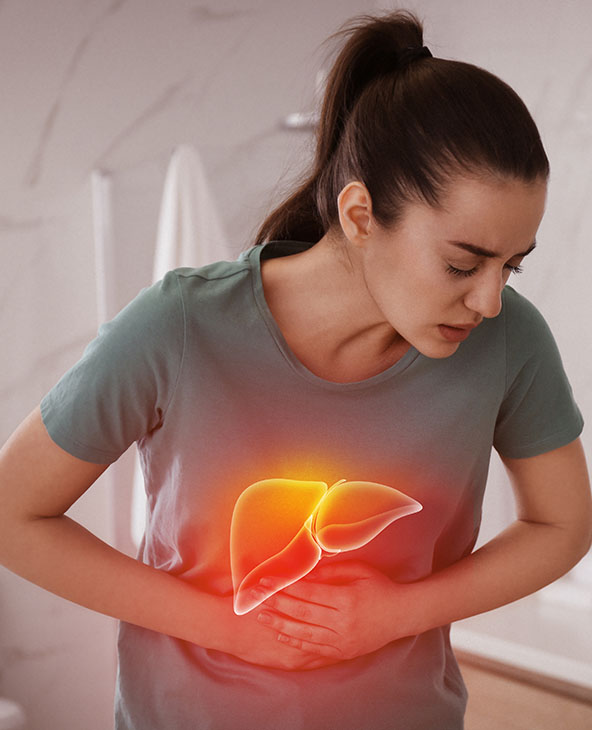
Types of Hepatomegaly
Hepatomegaly is not a single disease but a clinical finding that can occur due to several underlying liver, metabolic, infectious, vascular, or systemic conditions. Identifying the exact cause is important because treatment depends on the underlying condition affecting the liver. At Graphic Era Hospital, hepatologists and gastroenterologists evaluate hepatomegaly based on its cause to guide accurate diagnosis and appropriate treatment planning. Common types include:
- Fatty Liver-Related Hepatomegaly: Liver enlargement caused by excess fat accumulation within liver cells. This may occur in non-alcoholic fatty liver disease (NAFLD), metabolic dysfunction-associated steatotic liver disease (MASLD), or alcohol-related liver disease. It is among the most common causes of hepatomegaly seen in clinical practice.
- Infection-Related Hepatomegaly: Liver enlargement caused by infections affecting the liver, including viral hepatitis, infectious mononucleosis, malaria, tuberculosis, and amoebic liver abscess. Inflammation during infection can cause the liver to swell temporarily or progressively.
- Alcohol-Related Hepatomegaly: Chronic or excessive alcohol consumption can lead to fat accumulation, inflammation, alcoholic hepatitis, fibrosis, and eventually cirrhosis, all of which may enlarge the liver over time.
- Metabolic Hepatomegaly: Enlargement associated with obesity, type 2 diabetes, metabolic syndrome, or inherited metabolic disorders such as Wilson’s disease, haemochromatosis, and glycogen storage disorders, where abnormal substances accumulate within the liver.
- Cancer-Related Hepatomegaly: Liver enlargement caused by primary liver cancers such as hepatocellular carcinoma or cholangiocarcinoma, as well as cancers that spread to the liver from other organs. These conditions require prompt specialist evaluation and treatment planning.
- Vascular Hepatomegaly: Enlargement caused by impaired blood flow within or around the liver. Conditions such as congestive heart failure, Budd–Chiari syndrome, and hepatic vein obstruction can cause blood to back up into the liver, leading to swelling and congestion.
- Structural Hepatomegaly: Liver enlargement caused by structural abnormalities such as liver cysts, haemangiomas, benign liver tumours, or polycystic liver disease, which increase the overall size of the liver by occupying space within the organ.
Symptoms of an Enlarged Liver
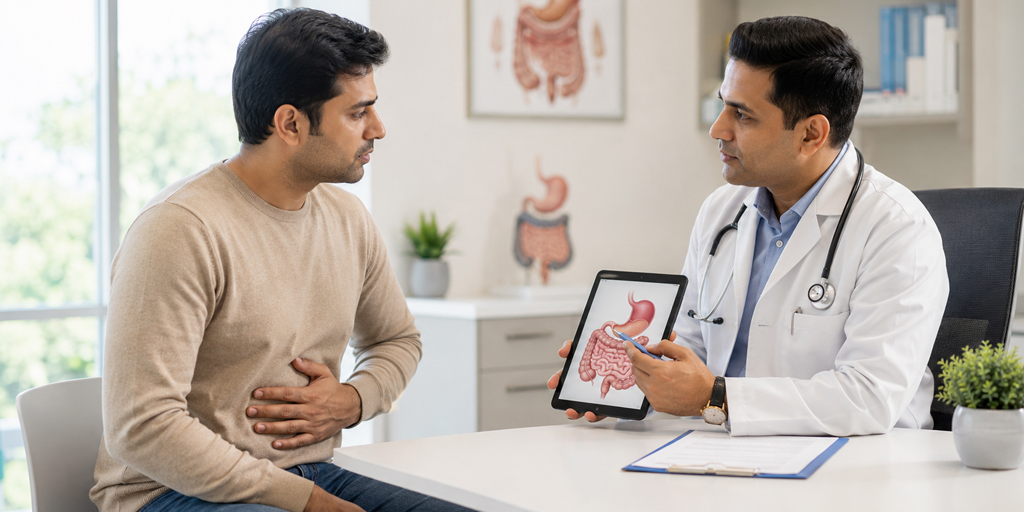
Mild hepatomegaly may not cause noticeable symptoms and is often discovered incidentally during a physical examination or imaging test performed for another reason. When symptoms do occur, they usually depend on the degree of liver enlargement and the underlying condition affecting the liver. At Graphic Era Hospital, hepatologists assess symptoms alongside laboratory and imaging investigations to determine the cause and severity of hepatomegaly. Common symptoms include:
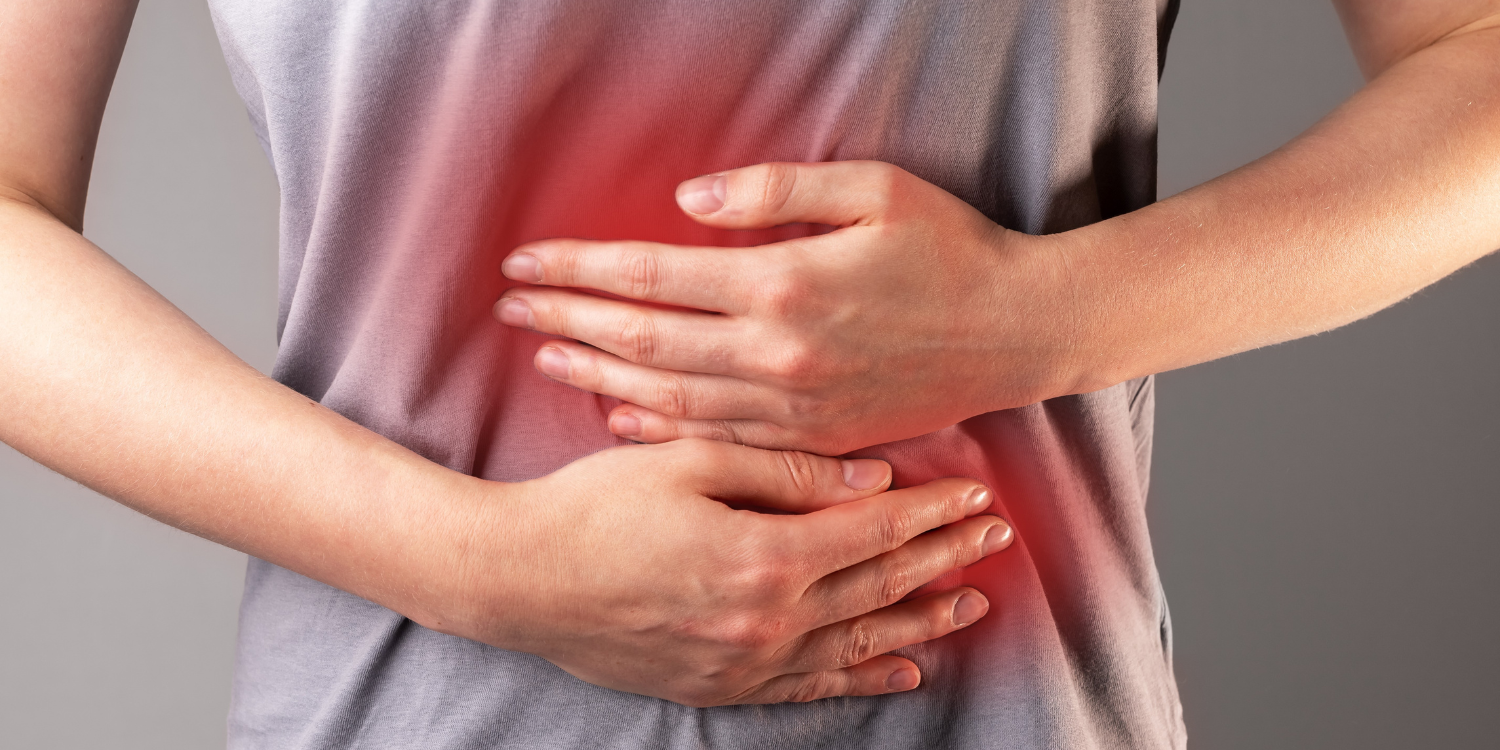
- Abdominal Fullness or Discomfort: A feeling of heaviness, pressure, bloating, or fullness in the upper right side of the abdomen is one of the most common symptoms of an enlarged liver.
- Pain in the Upper Right Abdomen: Some patients may experience a dull ache or tenderness in the upper right abdomen, especially if the liver is inflamed or enlarging rapidly.
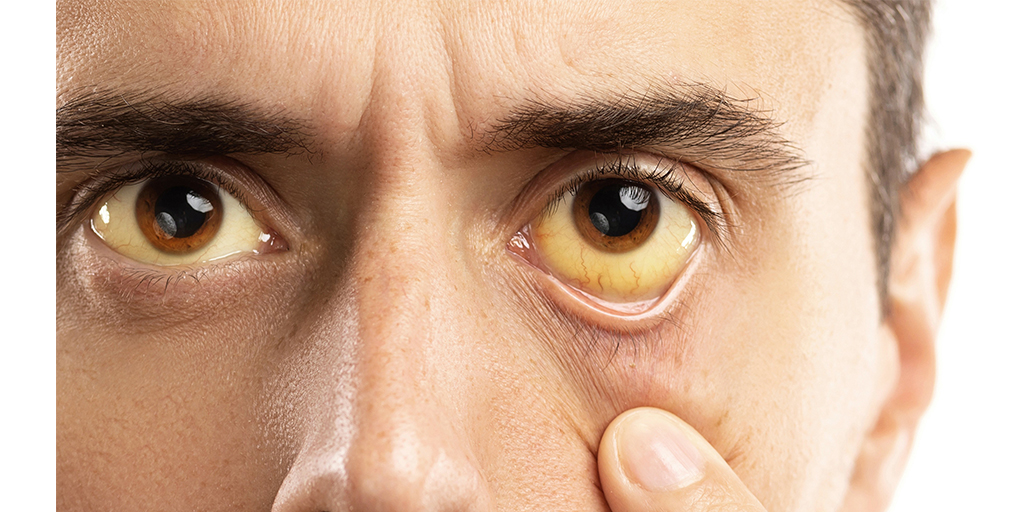
- Jaundice: Yellowing of the skin and the whites of the eyes may occur when the liver is unable to process bilirubin properly. Jaundice associated with hepatomegaly requires prompt medical evaluation.
- Fatigue and Weakness: Persistent tiredness, low energy levels, and generalised weakness are common in many liver conditions associated with hepatomegaly, including hepatitis and chronic liver disease.
- Nausea and Loss of Appetite: Liver dysfunction may cause nausea, reduced appetite, early fullness after meals, and unintended reduction in food intake.
- Fever: Fever along with hepatomegaly may suggest an infection such as viral hepatitis, liver abscess, or another systemic infection affecting the liver.
- Unexplained Weight Loss: Significant unintentional weight loss together with liver enlargement may indicate serious underlying conditions such as chronic liver disease or liver-related cancers and requires timely evaluation.
- Leg Swelling and Fluid Accumulation: Swelling in the legs (oedema) or fluid buildup in the abdomen (ascites) may occur in advanced liver disease or conditions affecting blood flow through the liver.
What Causes an Enlarged Liver?
Hepatomegaly is usually a sign of an underlying liver, metabolic, infectious, vascular, or systemic condition rather than a disease itself. Identifying the exact cause is important because treatment depends on the condition affecting the liver. At Graphic Era Hospital, hepatologists perform detailed clinical, laboratory, and imaging evaluations to determine the underlying cause before planning treatment. Common causes include:
- Non-Alcoholic Fatty Liver Disease (NAFLD): One of the most common causes of hepatomegaly, caused by excess fat accumulation in the liver and strongly associated with obesity, metabolic syndrome, insulin resistance, and type 2 diabetes.
- Viral Hepatitis: Hepatitis A, B, C, D, and E infections can inflame and enlarge the liver. Chronic hepatitis B and C may lead to progressive liver damage over time.
- Alcohol-Related Liver Disease: Long-term excessive alcohol consumption can cause fatty liver, alcoholic hepatitis, fibrosis, and cirrhosis, leading to liver enlargement.
- Liver Cancer and Metastatic Disease: Primary liver cancers or cancers spreading to the liver from other organs may cause focal or diffuse enlargement of the liver.
- Liver Cysts and Structural Conditions: Benign cysts, haemangiomas, and polycystic liver disease can increase liver size by occupying space within the organ.
- Heart and Vascular Conditions: Congestive heart failure and conditions such as Budd–Chiari syndrome can impair blood flow through the liver, causing congestion and swelling.
- Metabolic and Inherited Disorders: Conditions such as Wilson’s disease, haemochromatosis, glycogen storage disorders, and alpha-1 antitrypsin deficiency can cause abnormal substance buildup within the liver.
- Infections and Parasitic Diseases: Malaria, amoebic liver abscess, hydatid disease, tuberculosis, and infectious mononucleosis can enlarge the liver through infection or inflammation.
- Cirrhosis: Chronic liver damage from conditions such as alcohol-related liver disease, hepatitis, or fatty liver disease may initially enlarge the liver before advanced scarring develops.
- Medications and Toxins: Certain medicines, herbal preparations, and toxic exposures can cause drug-induced liver injury associated with hepatomegaly.
Doctors Available

Dr. Sachin Dev Munjal
Senior Consultant and Head
Gastroenterology, Hepatology and Advanced Endoscopy
Experience: 15 Years
Book An Appointment

Why Choose Graphic Era Hospital for Enlarged Liver Treatment

Experienced Hepatologists and Gastroenterologists : At Graphic Era Hospital, hepatomegaly is evaluated by experienced hepatologists and gastroenterologists with expertise in managing a wide range of liver conditions, from fatty liver disease and viral hepatitis to cirrhosis, vascular liver disorders, and liver cancers. The focus is not only on treating symptoms but also on identifying and managing the underlying cause through a structured clinical evaluation and evidence-based treatment approach.

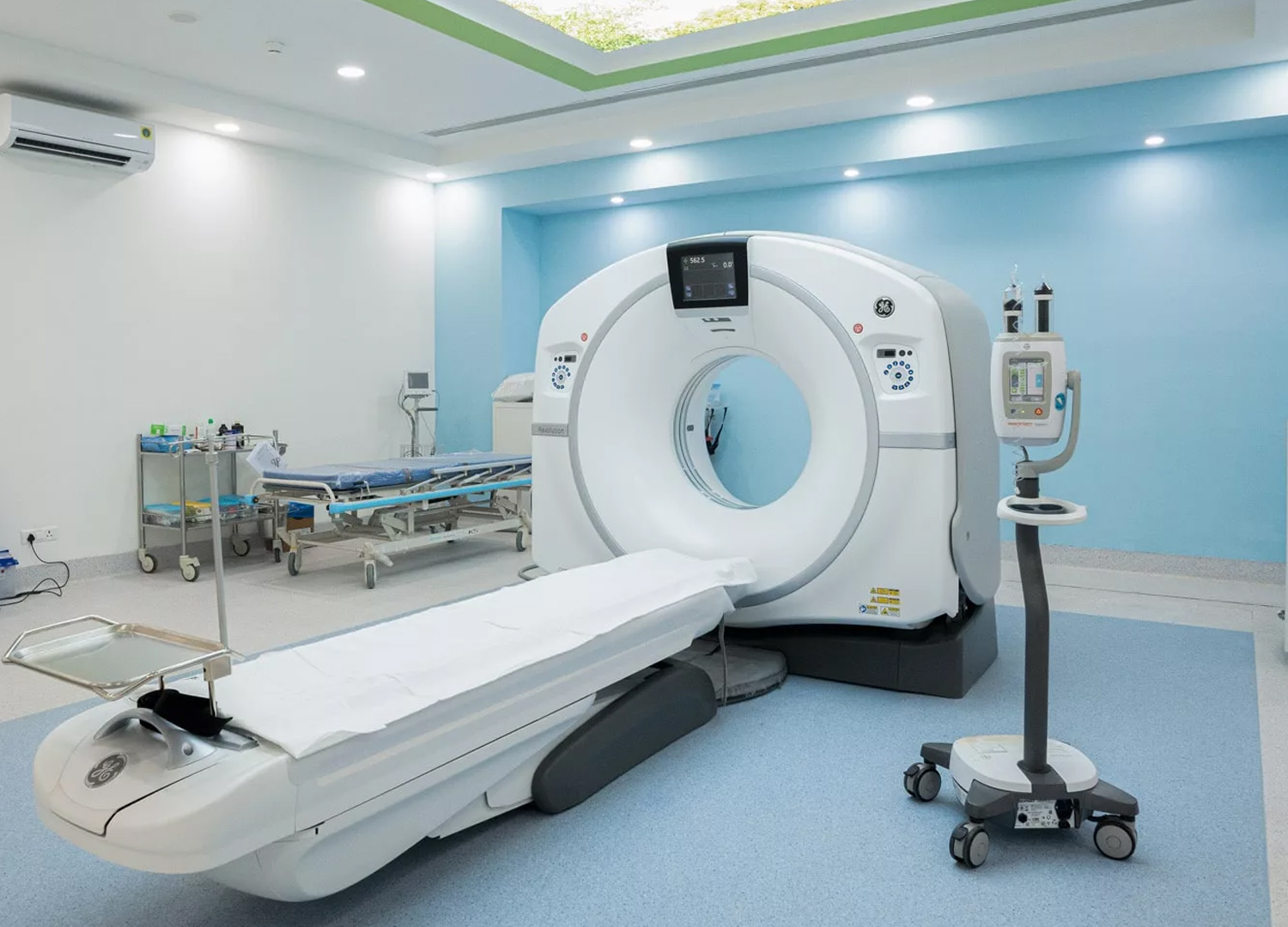
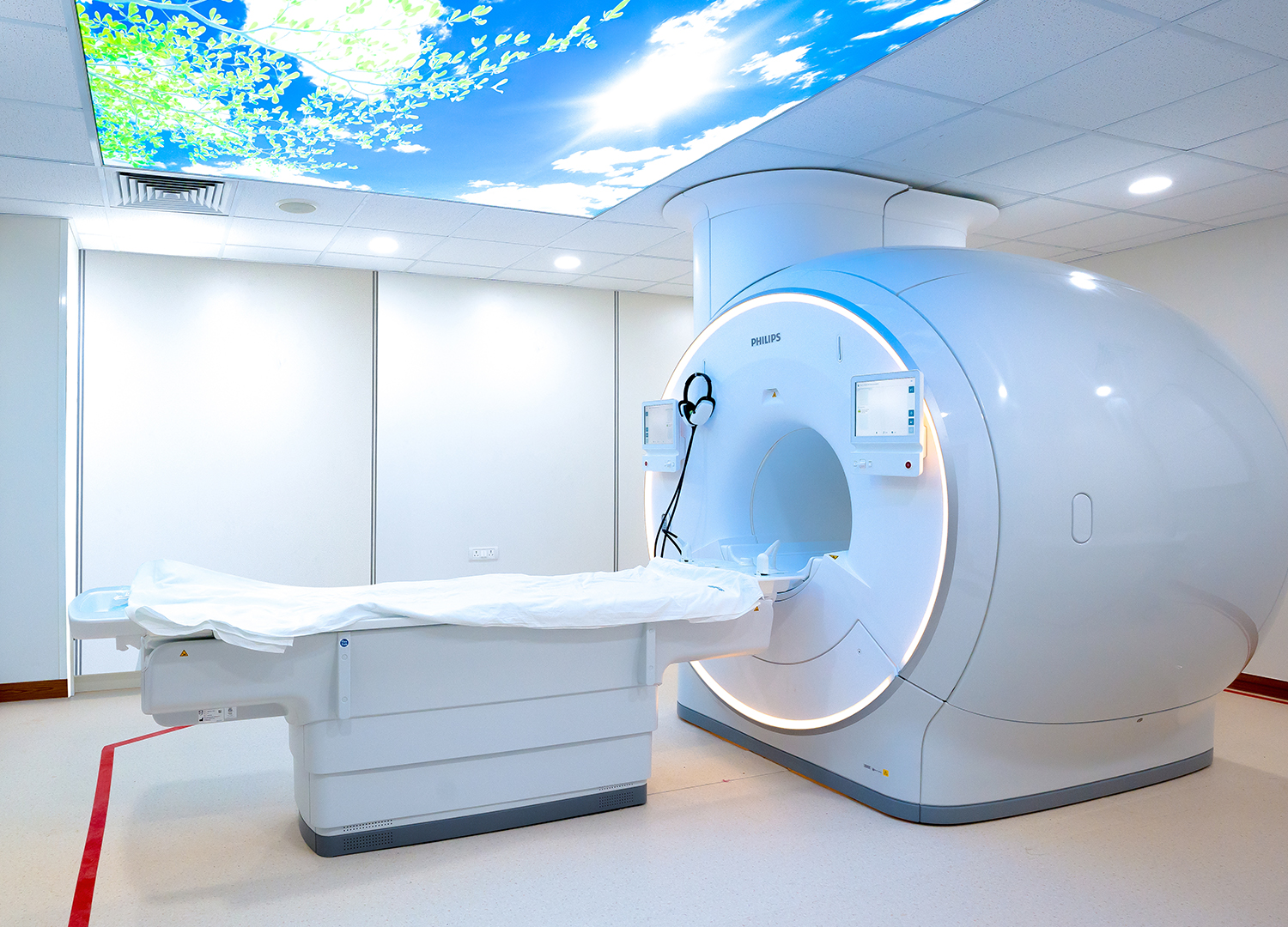
Comprehensive In-House Diagnostic Facilities : Accurate diagnosis of an enlarged liver often requires multiple investigations, including blood tests, liver function assessment, imaging, and occasionally liver biopsy. Graphic Era Hospital offers comprehensive in-house diagnostic support, including liver function tests, viral hepatitis screening, ultrasound, CT scan, MRI, and advanced endoscopy services, enabling timely and coordinated evaluation without the need for multiple external referrals.

Multidisciplinary Care for Complex Liver Conditions : Many causes of hepatomegaly are linked with conditions involving the heart, metabolism, infections, or cancer. At Graphic Era Hospital, hepatologists work closely with cardiologists, oncologists, endocrinologists, radiologists, and infectious disease specialists to provide coordinated multidisciplinary care for patients with complex or overlapping medical conditions.
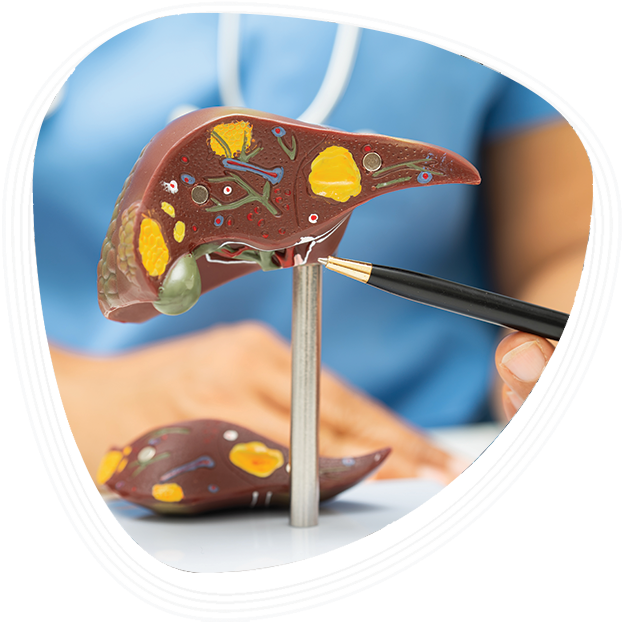
Diagnosing an Enlarged Liver at Graphic Era Hospital
Accurate diagnosis of the underlying cause is essential for effective hepatomegaly treatment. At Graphic Era Hospital, hepatologists follow a structured diagnostic approach combining clinical evaluation, laboratory investigations, and advanced imaging studies to identify the cause and assess the extent of liver involvement. The diagnostic process includes:
Clinical Assessment
Medical History and Physical Examination: Doctors assess symptoms, alcohol intake, medication history, family history of liver disease, travel history, and risk factors for viral hepatitis. A physical examination helps evaluate liver size, tenderness, and associated signs of liver disease.
Assessment of Liver Size: The liver may initially be assessed through abdominal examination, with imaging tests used to accurately measure liver enlargement and evaluate liver texture and structure.
Laboratory Investigations
Liver Function Tests (LFTs): Blood tests are performed to assess liver health, inflammation, bile flow, and overall liver function.
Tests for Underlying Conditions: Additional blood tests may be recommended to check for viral hepatitis, infections, autoimmune liver disease, iron overload, Wilson’s disease, or liver-related cancers depending on the suspected cause.
Metabolic Evaluation: Blood sugar tests, HbA1c, and lipid profile help identify conditions such as fatty liver disease, diabetes, obesity, and metabolic syndrome.
Imaging Studies
Abdominal Ultrasound: Usually the first imaging test performed to assess liver size and identify fatty liver, cysts, masses, bile duct problems, or changes in liver structure.
CT Scan and MRI: These scans provide more detailed images of the liver and surrounding organs and help evaluate liver tumours, blood vessel abnormalities, and complex liver conditions.
Fibroscan (Transient Elastography): A non-invasive test used to measure liver stiffness and assess the presence and severity of liver fibrosis or cirrhosis.
Liver Biopsy
A liver biopsy may be recommended when blood tests and imaging do not provide a clear diagnosis or when detailed assessment of inflammation, fibrosis, or specific liver diseases is required. The procedure is typically performed under imaging guidance with appropriate monitoring and safety precautions.
Treating an Enlarged Liver at Graphic Era Hospital
Treatment for hepatomegaly depends entirely on the underlying condition causing the liver enlargement. At Graphic Era Hospital, hepatologists create personalised treatment plans based on the diagnosis, severity of liver involvement, and the patient’s overall health condition. Treatment approaches may include:
Fatty Liver Disease (NAFLD and Alcohol-Related Liver Disease)
- Weight management through dietary changes and regular physical activity to reduce fat accumulation in the liver
- Complete alcohol avoidance in alcohol-related liver disease
- Management of associated conditions such as diabetes, obesity, high cholesterol, and high blood pressure
- Regular monitoring with liver function tests and imaging studies
Viral Hepatitis
- Antiviral treatment for chronic hepatitis B and hepatitis C infections
- Regular monitoring of liver function, viral load, and liver imaging during and after treatment
- Vaccination guidance and preventive counselling for close family members when appropriate
Liver Cancer and Related Conditions
- Multidisciplinary management involving hepatologists, oncologists, surgeons, and interventional radiologists
- Treatment options may include surgery, targeted therapy, interventional procedures, systemic treatment, or supportive care depending on the stage and type of cancer
- Ongoing surveillance for high-risk patients with cirrhosis or chronic hepatitis
Cardiac and Vascular Causes
- Treatment of underlying heart conditions causing liver congestion in coordination with cardiologists
- Anticoagulation therapy or interventional management for vascular conditions such as Budd–Chiari syndrome when required
Metabolic and Inherited Disorders
- Disease-specific treatment such as iron reduction therapy for haemochromatosis or copper-lowering treatment for Wilson’s disease
- Dietary management and long-term monitoring for inherited metabolic liver disorders
Long-Term Monitoring and Follow-Up
- Regular liver function tests, imaging, and clinical reviews to monitor disease progression and treatment response
- Fibroscan monitoring in patients with chronic liver disease or fibrosis
- Lifestyle and dietary counselling to support long-term liver health and reduce the risk of progression to cirrhosis or liver failure
Top Investigations and Treatments for Enlarged Liver
- Liver Function Tests (LFTs)
- Hepatitis B and C Serology
- Autoimmune Liver Markers
- Tumour Markers (AFP, CEA, CA 19-9)
- Abdominal Ultrasound
- CT Scan of the Abdomen
- MRI of the Liver
- Fibroscan (Transient Elastography)
- Liver Biopsy
- Antiviral Therapy for Hepatitis B and C
- Alcohol Cessation and Counselling
- Dietary Modification and Weight Management
- Metabolic Risk Factor Management
- Iron Chelation Therapy for Haemochromatosis
- Copper Chelation for Wilson's Disease
- Anticoagulation for Vascular Liver Disease
- Surgical and Interventional Oncology for Liver Cancer
- Cardiac Management for Congestive Hepatomegaly
- Fibroscan Monitoring
- Long-Term Hepatology Follow-Up
Conditions Associated With Enlarged Liver Treated at Graphic Era Hospital
Advanced Diagnostics & Technology
- Offers high-resolution imaging for detailed blood vessel analysis, aiding in accurate diagnosis and treatment planning.
- Delivers advanced imaging with high resolution for clear, detailed views of soft tissues, ensuring precise diagnostics.
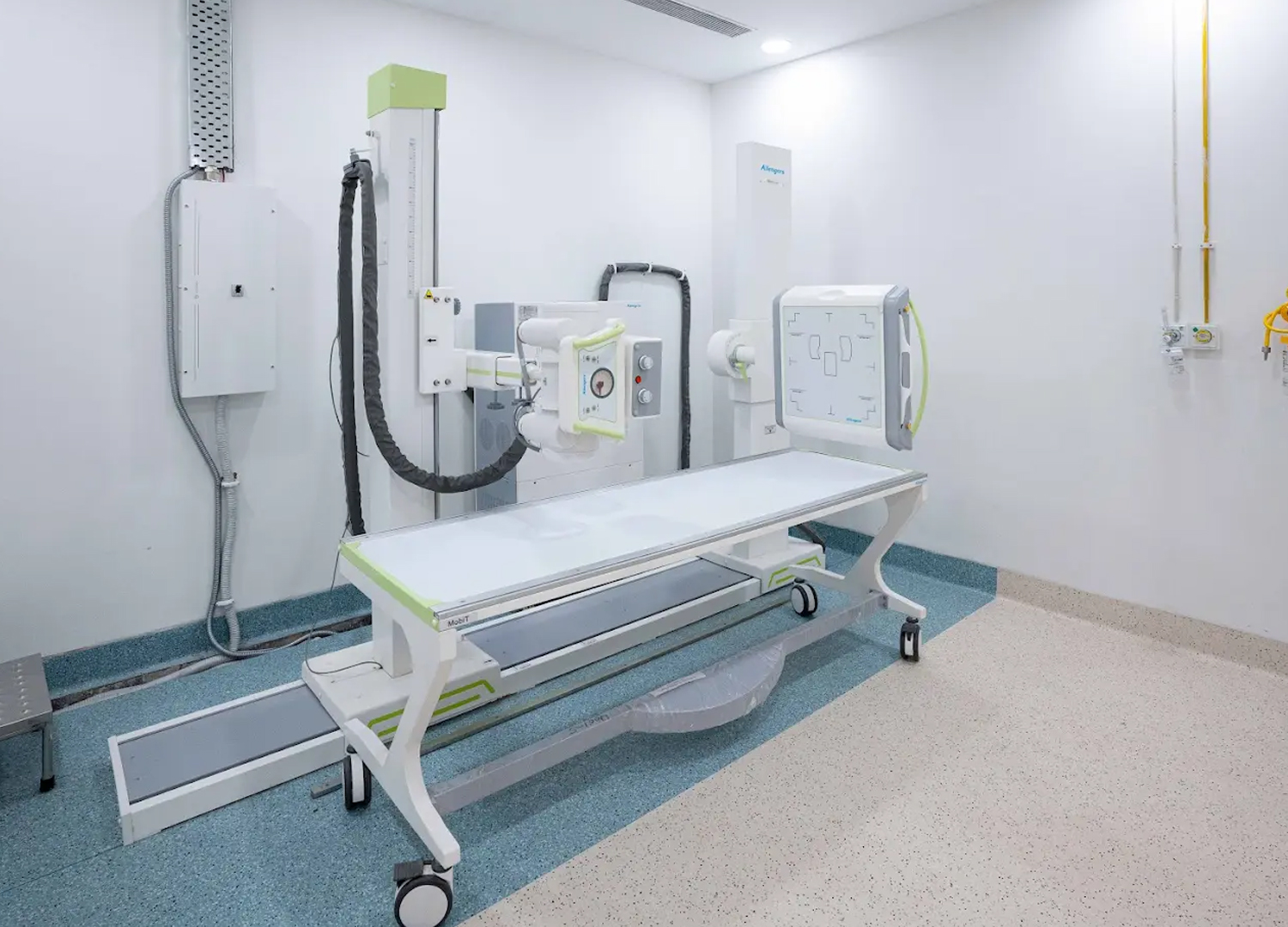
- Provides high-quality, detailed radiographic images for accurate diagnosis with minimal exposure to radiation.
Other Specialities


Patient Stories





Blog




Frequently Asked Questions (FAQs)
Is an enlarged liver serious?
An enlarged liver can range from mild and reversible conditions such as fatty liver disease to more serious conditions such as cirrhosis, liver cancer, or heart-related liver disease. Proper medical evaluation is important to identify the underlying cause.
Can an enlarged liver return to normal size?
Yes, in many cases, the liver may reduce to a normal or near-normal size once the underlying condition is treated. Early treatment and lifestyle changes are especially important in fatty liver disease and viral hepatitis.
What diet helps with an enlarged liver?
A balanced diet rich in vegetables, fruits, whole grains, lean proteins, and dietary fibre supports liver health. Limiting alcohol, processed foods, sugary drinks, and excess saturated fats is also important.
When should I see a doctor for an enlarged liver?
Seek medical attention if you experience abdominal discomfort, jaundice, persistent fatigue, unexplained weight loss, fever, abdominal swelling, or swelling in the legs. An enlarged liver detected during imaging should also be evaluated by a specialist.
Can medications cause an enlarged liver?
Yes. Certain medicines, herbal supplements, and toxins may cause liver injury and enlargement. Always inform your doctor about all medications and supplements you are taking.
How is an enlarged liver diagnosed?
Diagnosis usually involves a physical examination, blood tests, liver function tests, and imaging such as ultrasound, CT scan, or MRI. In selected cases, a liver biopsy may be required to confirm the diagnosis.
How do I book an appointment at Graphic Era Hospital for enlarged liver treatment?
You can book an appointment through the hospital website, call 1800-889-7351, or visit the outpatient department directly for consultation with a hepatology or gastroenterology specialist.