Lower abdominal pain is easy to dismiss in the beginning. Many people assume it is just indigestion, caused by something they ate, assuming that it will settle on its own. However, if the pain keeps recurring, starts affecting appetite and movement, or suddenly becomes sharp and intense, it could be a sign of something more serious. At Graphic Era Hospital, our focus is not just on managing the pain but finding out and addressing the root of the problem. Whether the pain is caused by an infection, digestive disorder, kidney stone, appendix-related condition, or a gynaecological concern, our team is equipped to offer comprehensive care under one roof, ensuring patients spend less time navigating and more time recovering.
What Does Lower Abdominal Pain Feel Like?
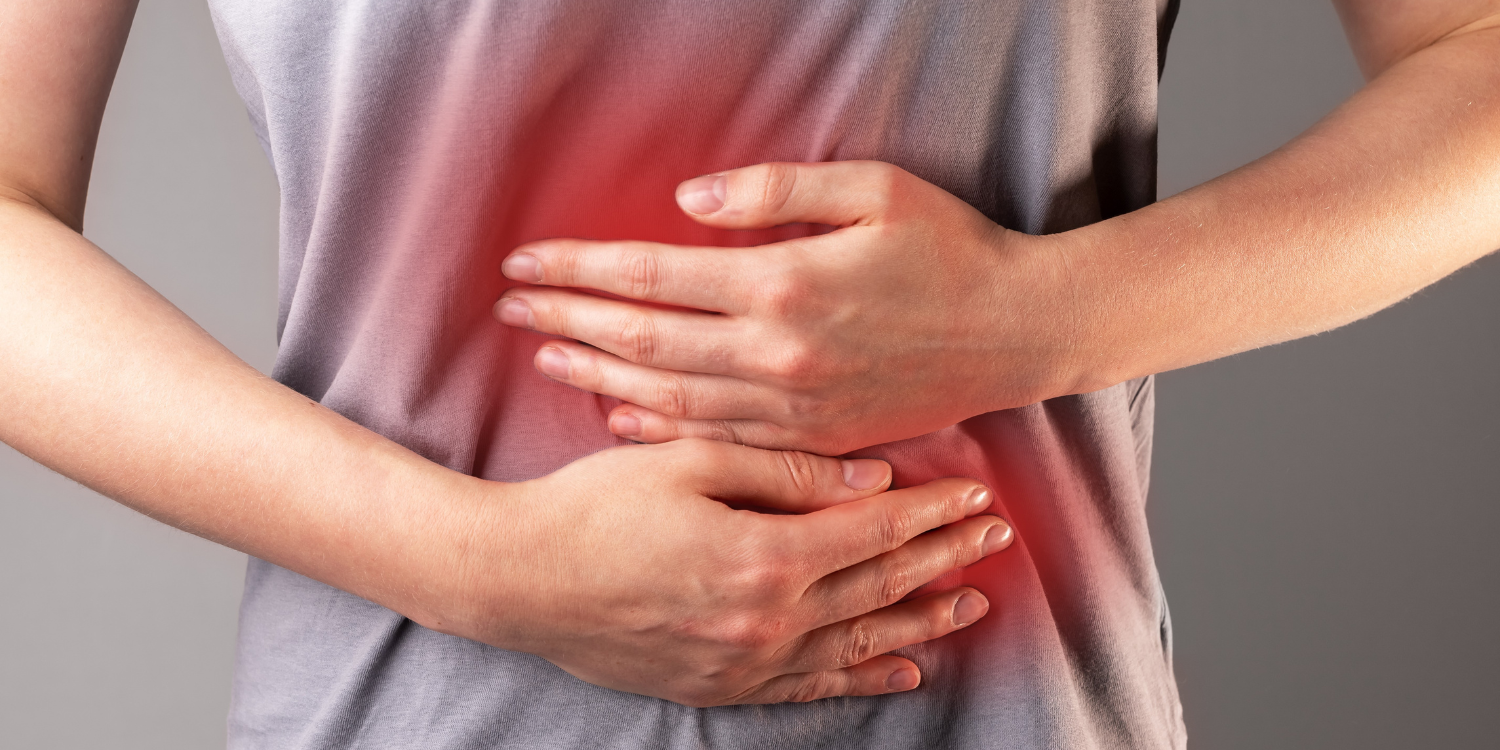
Lower abdominal pain can feel very different from person to person depending on the underlying cause. Some people experience mild cramping or a dull ache that comes and goes, while others may feel sudden sharp pain, pressure, heaviness, or discomfort that gradually worsens through the day. The pain may stay limited to one side of the lower abdomen or spread towards the pelvis, groin, lower back, or stomach area.
Lower Abdominal Pain Causes
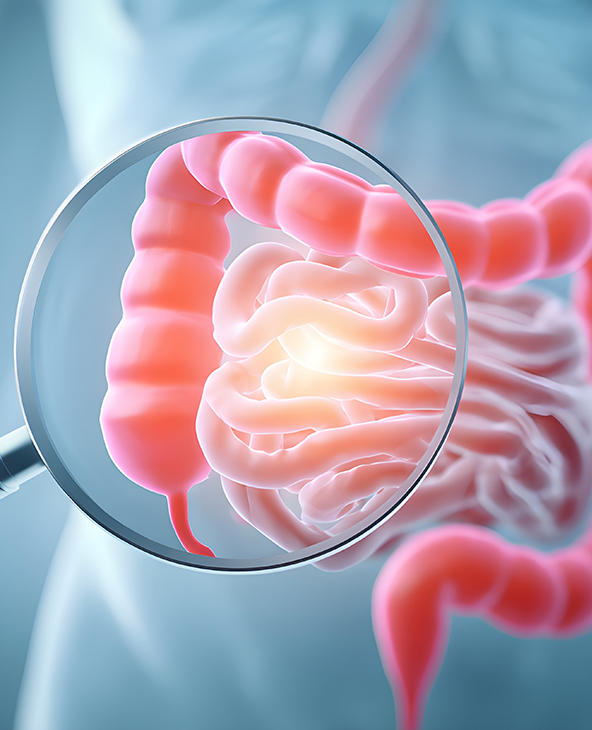
Lower abdominal pain can develop due to several different conditions affecting the digestive system, urinary tract, reproductive organs, or nearby muscles and tissues.
Digestive Issues
Conditions affecting the stomach and intestines are among the most common causes of lower abdominal pain. Problems such as constipation, gas buildup, food infections, gastritis, irritable bowel syndrome, and intestinal inflammation may lead to cramping, bloating, or discomfort in the lower abdomen.
Appendicitis
Appendicitis occurs when the appendix becomes inflamed and infected. The pain often begins around the stomach area before shifting towards the lower right side of the abdomen. It may worsen with movement, coughing, or walking and is often accompanied by fever, nausea, or vomiting.
Urinary Infections
Urinary tract infections can cause pain or pressure in the lower abdomen along with burning during urination, frequent urge to pass urine, or cloudy urine. In some cases, the infection may spread towards the kidneys and cause more severe symptoms.
Kidney Stones
Kidney stones may cause intense pain that starts from the side or back and moves towards the lower abdomen or groin. The pain can come in waves and may be associated with nausea, vomiting, or blood in urine.
Gynaecological Conditions
In women, lower abdominal pain may be linked to menstrual cramps, ovarian cysts, endometriosis, pelvic inflammatory disease, or other reproductive health conditions. The pain may occur around the menstrual cycle or alongside pelvic discomfort and irregular bleeding.
Hernia
A hernia develops when an internal organ or tissue pushes through a weak area in the abdominal wall. It may cause discomfort, heaviness, or visible swelling in the lower abdomen, especially during coughing, lifting, or physical activity.
Muscle Strain
Sometimes, lower abdominal pain may result from strained muscles due to heavy lifting, sudden movement, exercise, or physical exertion. The pain usually worsens during movement or stretching.
Other Conditions
Lower abdominal pain may also occur due to bladder problems, intestinal obstruction, inflammatory conditions, or post-surgical complications. Since the symptoms often overlap, proper diagnosis is important to determine the exact cause and treatment approach.
Other Symptoms Associated with Lower Abdominal Pain
Lower abdominal pain is not always limited to discomfort in one area. Here are some commonly associated symptoms patients may experience:
- Bloating: A feeling of fullness, tightness, or swelling in the abdomen.
- Nausea And Vomiting: Common in infections, digestive disorders, appendicitis, or kidney stones.
- Fever: May indicate an underlying infection or inflammation.
- Constipation Or Diarrhoea: Changes in bowel habits can occur alongside abdominal discomfort.
- Burning During Urination: Often linked to urinary tract or bladder infections.
- Frequent Urination: Increased urge to urinate may occur with urinary conditions.
- Loss Of Appetite: Pain and discomfort may reduce interest in eating.
- Pelvic Pressure: Some people experience heaviness or discomfort in the pelvic area.
- Menstrual Changes: Severe cramps, irregular periods, or abnormal bleeding may accompany the pain in women.
- Pain During Movement: The discomfort may worsen while walking, bending, coughing, or exercising.
- Weakness Or Fatigue: Persistent pain or infection may leave the body feeling drained or tired.
Doctors Available

Dr. Sachin Dev Munjal
Senior Consultant and Head
Gastroenterology, Hepatology and Advanced Endoscopy
Experience: 15 Years
Book An Appointment

Why Choose Graphic Era Hospital for Lower Abdominal Pain

Advanced Diagnostics: The hospital is equipped with modern diagnostic facilities including laboratory testing, ultrasound, CT scan, and other imaging support to help identify the exact cause of lower abdominal pain accurately.

Multispeciality Care: Patients receive coordinated care from experienced specialists across gastroenterology, general surgery, urology, gynaecology, and emergency medicine depending on the symptoms and underlying condition.

Emergency and Surgical Support: From infections and kidney stones to appendicitis and other urgent abdominal conditions, Graphic Era Hospital offers both emergency care and minimally invasive surgical treatment whenever required.
Diagnosing the Cause of Lower Abdominal Pain at Graphic Era Hospital
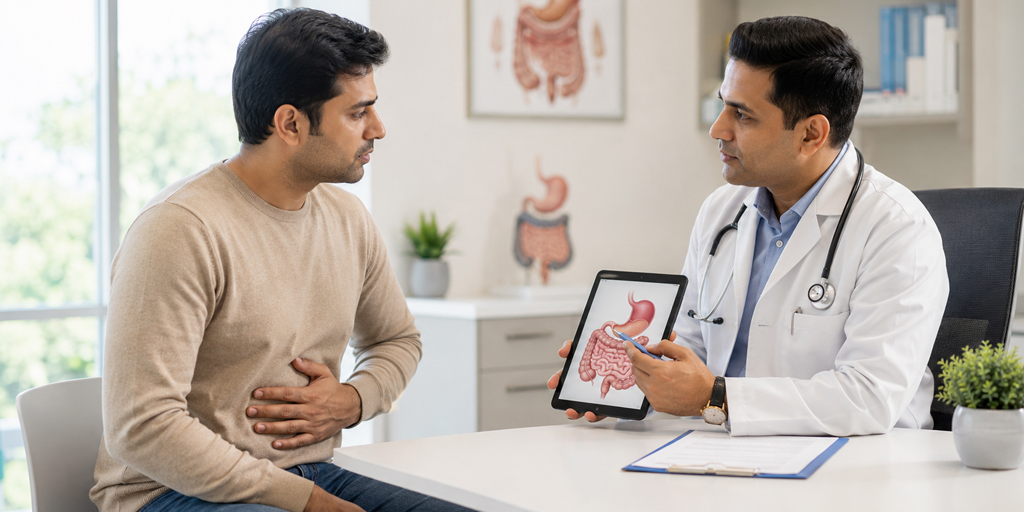
Lower abdominal pain can be caused by several different conditions, which is why identifying the exact reason behind the pain is an important part of treatment. At Graphic Era Hospital, doctors evaluate the location of pain, severity, associated symptoms, and medical history before recommending the required tests or scans. Here are some commonly used diagnostic methods:
- Physical Examination: Doctors check the abdomen for tenderness, swelling, stiffness, or signs of inflammation.
- Blood Tests: Helps detect infections, inflammation, anaemia, or other underlying health concerns.
- Urine Tests: Commonly used to identify urinary tract infections, kidney-related problems, or blood in urine.
- Ultrasound: Used to examine abdominal organs, kidneys, bladder, appendix, and reproductive organs.
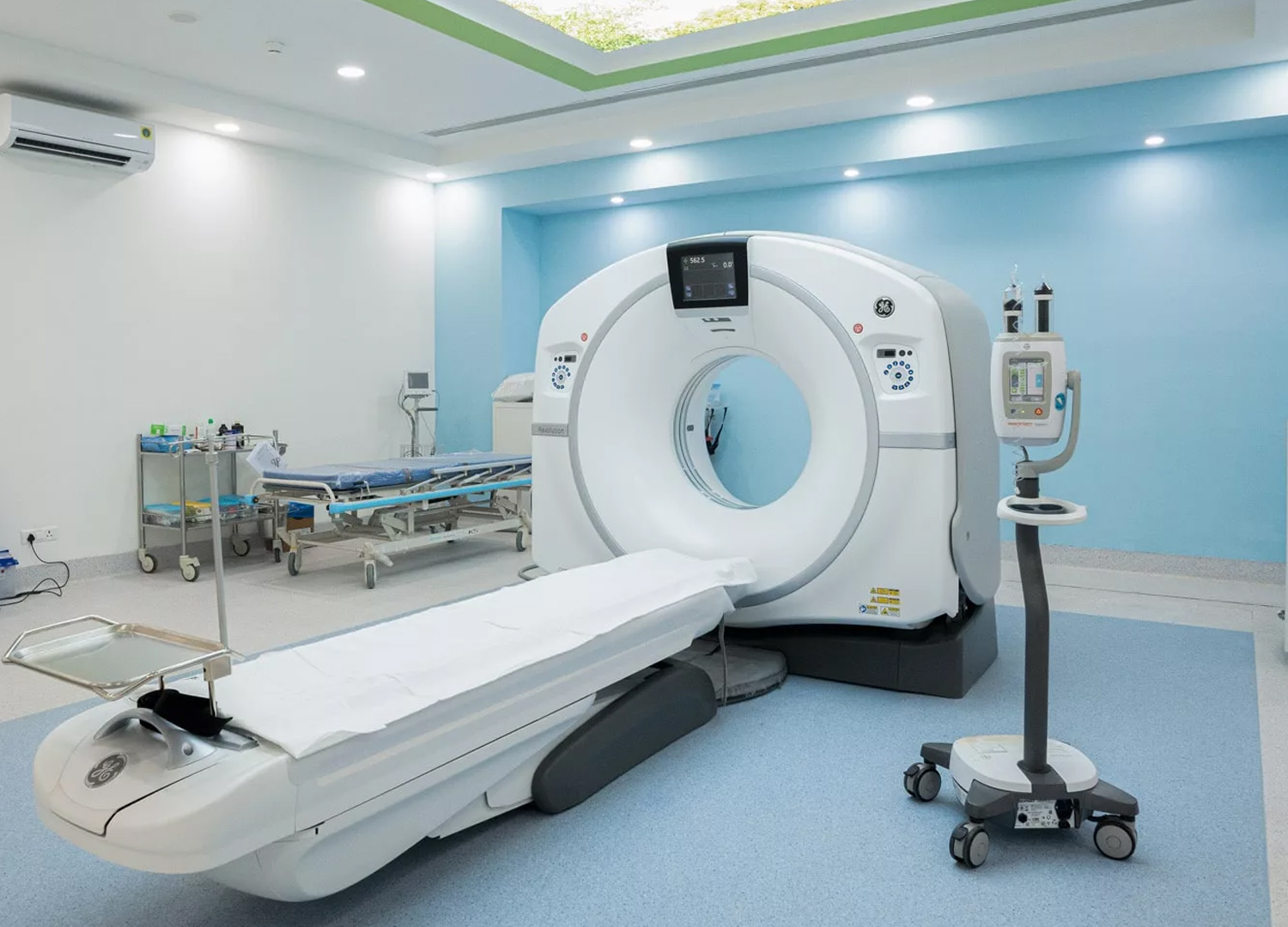
- CT Scan: Provides detailed imaging to detect appendicitis, kidney stones, intestinal issues, or internal inflammation.
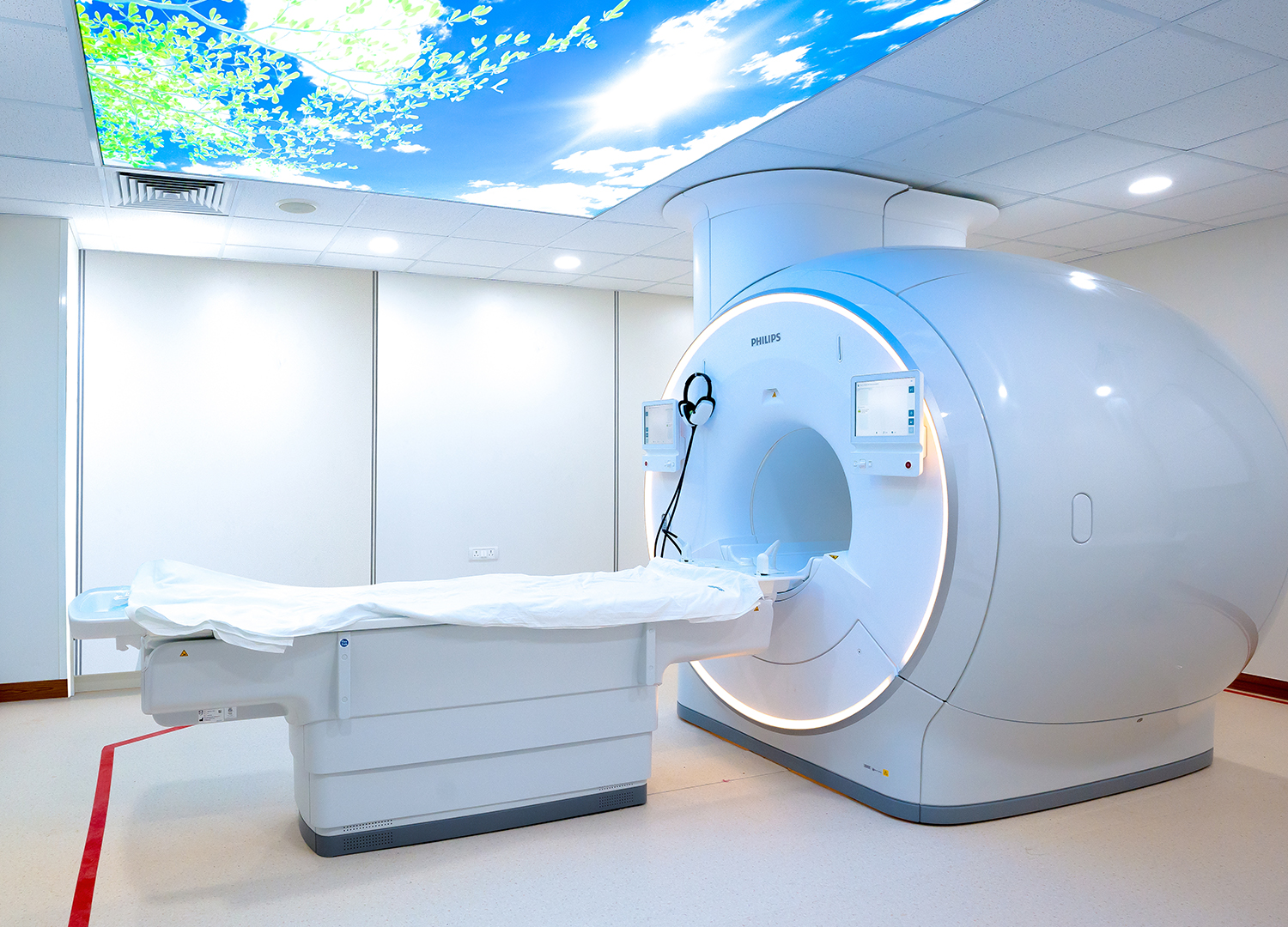
- MRI Scan: Recommended in selected cases where more detailed imaging may be required.
- Pelvic Examination: May be advised for women if the symptoms suggest a gynaecological condition.
- Endoscopy Or Colonoscopy: In some cases, doctors may recommend further evaluation of the digestive tract to identify gastrointestinal problems.
Treatments for Lower Abdominal Pain Available at Graphic Era Hospital
The treatment for lower abdominal pain depends entirely on the underlying cause, severity of symptoms, and whether the condition requires medical management or surgical intervention. At Graphic Era Hospital, treatment plans are tailored after proper diagnosis to ensure patients receive the most appropriate care for their condition. Here are some commonly used treatment approaches:
Medications
Many causes of lower abdominal pain can be treated with medicines aimed at controlling infection, reducing inflammation, relieving pain, easing muscle spasms, or managing digestive and urinary symptoms. Patients may also receive antibiotics, antacids, or supportive medications depending on the diagnosis.
Supportive Care
Some patients may require supportive treatment such as hydration therapy, dietary modifications, rest, monitoring, or observation to help the body recover and prevent symptoms from worsening. This is commonly advised in mild infections, digestive disturbances, or temporary abdominal conditions.
Minimally Invasive Procedures
For certain abdominal conditions, doctors may recommend minimally invasive or laparoscopic procedures that involve smaller incisions and shorter recovery periods. These procedures are often used for selected surgical and gynaecological conditions whenever appropriate.
Surgical Treatment
Surgery may be necessary when lower abdominal pain is caused by conditions such as appendicitis, hernia, intestinal obstruction, severe infection, or other abdominal emergencies. Depending on the condition, treatment may involve planned or emergency surgical intervention to prevent complications and provide long-term relief.
Complications of Lower Abdominal Pain Treated at Graphic Era Hospital
At Graphic Era Hospital, doctors manage a wide range of abdominal conditions before they progress into medical emergencies. Here are some complications that may require timely treatment:
- Severe Infections: Untreated infections affecting the appendix, urinary tract, intestines, or reproductive organs may spread and become serious.
- Appendix Rupture: Delayed treatment for appendicitis can cause the appendix to burst and lead to abdominal infection.
- Kidney Complications: Kidney stones or urinary infections may result in blockage, kidney damage, or severe pain episodes.
- Intestinal Obstruction: Certain digestive conditions may block the intestines and interfere with normal bowel movement.
- Internal Bleeding: Some abdominal or gynaecological conditions may lead to internal bleeding and sudden worsening of symptoms.
- Pelvic Inflammatory Complications: Untreated pelvic infections may affect reproductive health and surrounding organs.
- Dehydration and Weakness: Persistent vomiting, diarrhoea, or infection may lead to dehydration and physical exhaustion.
- Chronic Pain: Some untreated abdominal conditions may result in recurring or long-term abdominal discomfort.
Top Procedures
- Laparoscopic Appendectomy
- Hernia Repair Surgery
- Kidney Stone Removal Procedures
- Diagnostic Laparoscopy
- Colonoscopy
- Endoscopy
- Ureteroscopy
- Ovarian Cyst Removal Surgery
- Laparoscopic Gynaecological Procedures
- Intestinal Obstruction Surgery
Preventive Measures and Management of Lower Abdominal Pain
While not all causes of lower abdominal pain can be prevented, certain lifestyle habits and early medical attention may help reduce the risk of recurring abdominal problems and related complications. Here are some measures that may help manage and prevent lower abdominal discomfort:
Advanced Diagnostics & Technology
- Offers high-resolution imaging for detailed blood vessel analysis, aiding in accurate diagnosis and treatment planning.
- Delivers advanced imaging with high resolution for clear, detailed views of soft tissues, ensuring precise diagnostics.
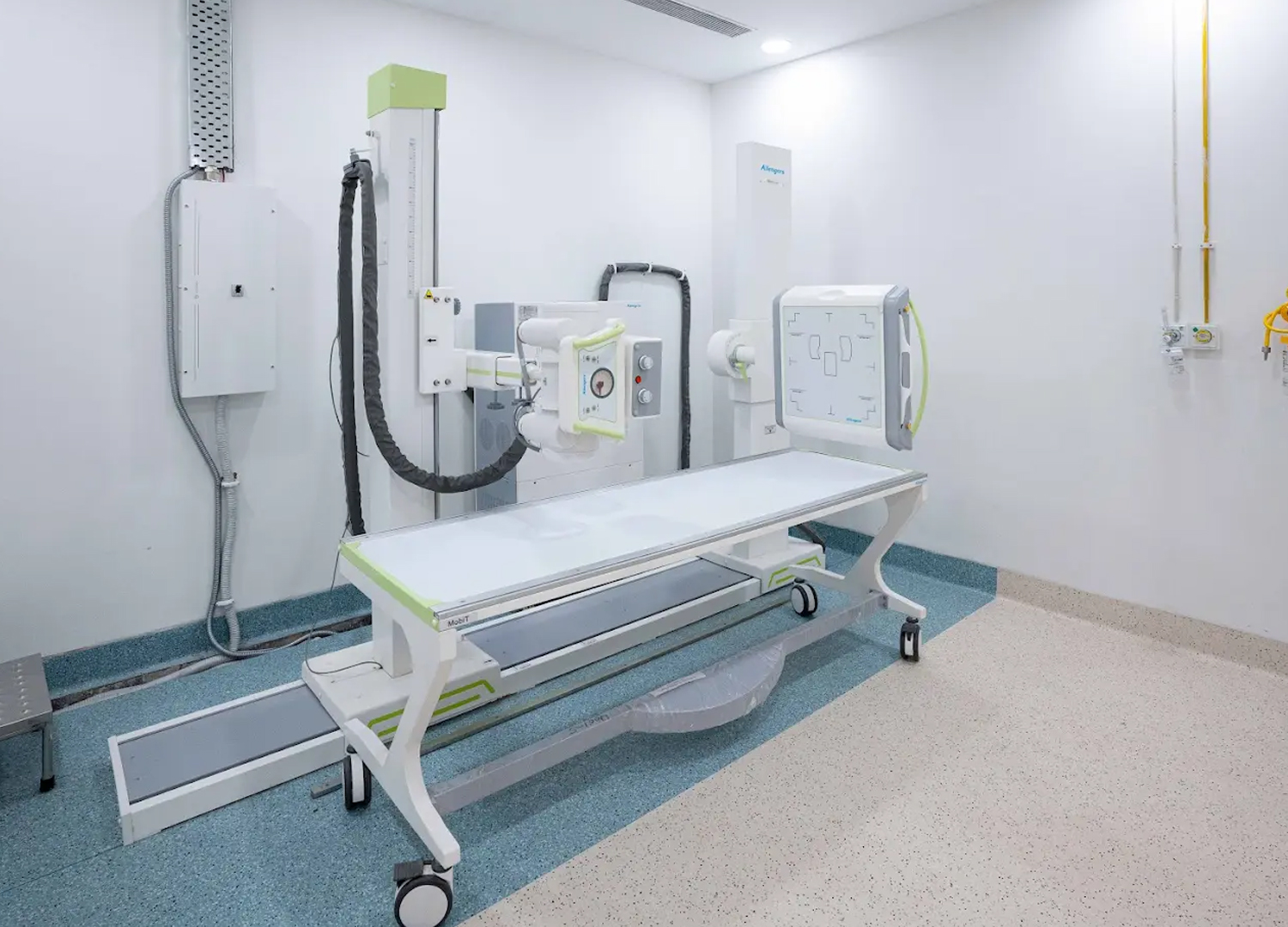
- Provides high-quality, detailed radiographic images for accurate diagnosis with minimal exposure to radiation.
Other Specialities


Patient Stories





Blog






Frequently Asked Questions (FAQs)
Can stress cause lower abdominal pain?
Is lower abdominal pain always serious?
Not always. Some cases may be caused by temporary digestive issues or mild infections, while others may require urgent medical treatment. Persistent or severe pain should not be ignored.
Can dehydration lead to lower abdominal pain?
Yes, dehydration may contribute to constipation, urinary infections, and kidney stone formation, all of which can cause lower abdominal discomfort.
Does lower abdominal pain feel different in men and women?
The symptoms may vary depending on the organs involved. In women, the pain may sometimes be linked to reproductive health conditions, while in men it may be related to urinary or digestive issues.
Can lower abdominal pain happen without fever?
Yes, not all abdominal conditions cause fever. Problems such as kidney stones, constipation, muscle strain, or ovarian cysts may occur without infection-related symptoms.
Is lower abdominal pain during pregnancy normal?
Mild discomfort can sometimes occur during pregnancy due to physical changes in the body, but severe or persistent pain should always be evaluated by a doctor.