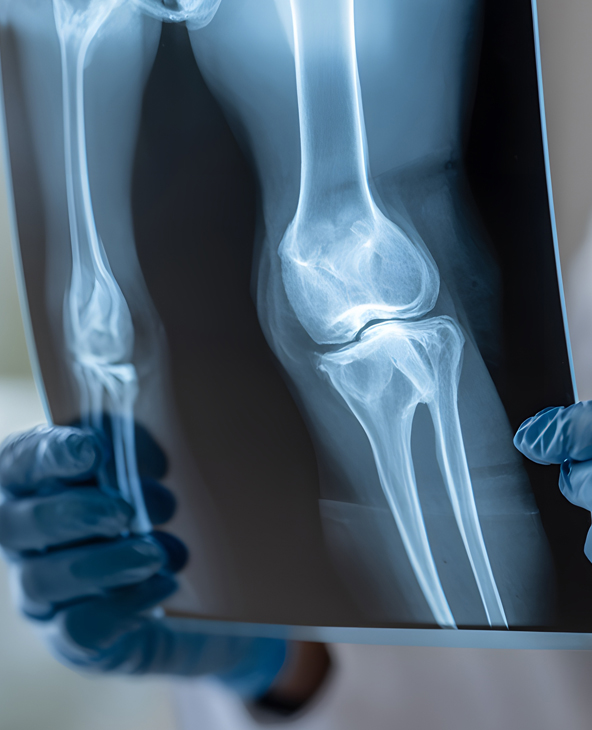
A bone fracture can happen due to a mishap or develop gradually due to conditions such as osteoporosis. No matter the cause, timely medical attention is crucial to ensure proper healing, correct bone alignment, and prevent long-term complications. At Graphic Era Hospital, Dehradun, bone fracture treatment is delivered by a team of highly skilled orthopaedic surgeons with extensive experience in trauma and reconstructive procedures. The hospital is equipped with advanced diagnostic technology, including digital X-rays, CT scans, and MRI imaging, to ensure accurate evaluation of each fracture’s location, pattern, and severity, paving the way for the best possible treatment and outcome.
Types of Bone Fractures Treated at Graphic Era Hospital
Bone fractures can differ in pattern, location, and severity, depending on the impact and the bone’s condition. Accurate classification is crucial for selecting the most appropriate treatment and ensuring complete recovery. At Graphic Era Hospital, Dehradun, orthopaedic specialists diagnose and manage all types of fractures with precision and care. Common types of bone fractures treated at Graphic Era Hospital include:
- Closed (Simple) Fracture: The bone breaks but does not pierce through the skin.
- Open (Compound) Fracture: The broken bone protrudes through the skin, increasing the risk of infection.
- Greenstick Fracture: A partial break, often seen in children, where the bone bends and cracks on one side.
- Hairline Fracture: A thin crack that may not cause deformity but can lead to pain and swelling.
- Complicated Fracture: The broken bone damages nearby muscles, nerves, or blood vessels.
- Comminuted Fracture: The bone shatters into multiple fragments, usually after high-impact trauma.
- Avulsion Fracture: A small piece of bone is pulled away by a tendon or ligament.
- Compression Fracture: The bone collapses under pressure, commonly affecting the spine in elderly patients.
Causes of Bone Fractures
Bone fractures can occur for many reasons, ranging from sudden injuries to underlying health conditions that weaken bones. At Graphic Era Hospital, specialists evaluate the exact cause to guide the most effective treatment plan. Common causes of bone fractures include:
- Trauma or Accidents: Road accidents, sports injuries, or falls are among the most frequent causes.
- Osteoporosis: Weak and brittle bones in older adults increase the risk of fractures, even with minor impact.
- Overuse or Repetitive Stress: Continuous strain on a bone, often seen in athletes, can cause stress fractures over time.
- Direct Blow or Impact: A strong hit to a limb or joint can cause a break or crack in the bone.
- Medical Conditions: Diseases such as bone cancer or infections can reduce bone strength, making fractures more likely.
- Nutritional Deficiency: Lack of calcium, vitamin D, or protein can weaken bone density and slow healing.
- Improper Posture or Falls in the Elderly: Age-related balance issues and weak muscles can lead to accidental fractures.
When to Seek Bone Fracture Screening and Consultation?
A bone fracture can cause immediate pain and visible changes in the affected area. However, in some cases, symptoms may appear mild at first and worsen over time. Early diagnosis and prompt treatment are crucial to prevent complications such as improper bone healing or joint stiffness. Common signs and symptoms of a bone fracture include:
- Severe or persistent pain at the site of injury, especially during movement.
- Swelling and tenderness around the affected area.
- Bruising or discolouration of the skin near the injury.
- Visible deformity or misalignment of the bone or joint.
- Difficulty or inability to move the affected limb or joint.
- Grinding or snapping sound at the time of injury.
- Numbness or tingling if nerves around the fracture are affected.
- Open wound with visible bone in case of a compound fracture.
- Pain that worsens at night or after minimal activity.
- Restricted daily movement, making it hard to bear weight or perform normal tasks.
How are Bone Fractures Diagnosed?
Accurate diagnosis is essential for proper fracture management and a successful recovery. At Graphic Era Hospital, orthopaedic specialists use a combination of clinical evaluation and advanced imaging to determine the exact type, location, and severity of the fracture before deciding on treatment. The main diagnostic tests used include:
- X-rays: The first-line imaging test to identify the location and pattern of the fracture.
- CT Scan: Provides a detailed 3D view of complex or multiple fractures, especially in joints or facial bones.
- MRI Scan: Detects damage to surrounding soft tissues such as ligaments, tendons, and cartilage.
- Bone Scan: Helps identify hidden or stress fractures that may not appear clearly on X-rays.
Things to Know Before Starting Bone Fracture Treatment
Before beginning treatment for a bone fracture, doctors at Graphic Era Hospital carry out a thorough evaluation to determine the most suitable approach. Understanding these key points helps patients prepare for the recovery process and set realistic expectations. Important things to know include:
- Type and Severity of Fracture: The treatment plan depends on whether the fracture is simple, compound, or involves multiple bones.
- Initial Stabilisation: Splints or casts are often used first to keep the bone in place and reduce pain.
- Need for Anaesthesia or Surgery: Complex fractures may require anaesthesia for closed reduction or surgical repair.
- Duration of Immobilisation: Casts or braces may need to stay on for several weeks depending on healing progress.
- Possible Use of Metal Implants: Plates, rods, or screws may be used to stabilise the bone during surgery.
- Nutritional Support: Adequate calcium, vitamin D, and protein intake supports faster bone healing.
- Regular Follow-ups: X-rays or scans track recovery and detect any issues such as delayed healing.
- Rehabilitation and Physiotherapy: Focused exercises and guided therapy help the body regain strength, flexibility, and normal movement once the cast or support is removed.
Bone Fracture Treatments and Procedures Available at Graphic Era Hospital
At Graphic Era Hospital, treatment for bone fractures is designed to ensure proper bone alignment, rapid healing, and full restoration of movement. Depending on the type and severity of the injury, orthopaedic surgeons use both non-surgical and surgical methods to achieve the best outcome. Common treatments and procedures include:
- Immobilisation: Casts, splints, or braces hold the bone in position and prevent further movement during healing.
- Closed Reduction: The bone is gently repositioned without surgery and secured using a cast or brace.
- Bone Fracture Surgery (Open Reduction and Internal Fixation): Involves surgically aligning the bone and using plates, screws, or rods for stability.
- External Fixation: Metal pins or frames are placed outside the body to keep the bone steady during recovery.
- Bone Grafting: Used when there is bone loss or poor healing; grafts stimulate new bone growth.
- Arthroscopic-Assisted Repair: Minimally invasive procedure for joint-related fractures, allowing faster recovery.
- Physiotherapy and Rehabilitation: Tailored exercises help restore joint flexibility, muscle strength, and overall function.
Complications of Bone Fracture Treatment
Although most bone fractures heal successfully with proper care, certain complications can arise during or after treatment. At Graphic Era Hospital, orthopaedic surgeons take every precaution to minimise these risks through early intervention, sterile surgical techniques, and close post-operative monitoring.
Possible complications of bone fracture treatment include:
- Acute Compartment Syndrome (ACS): A painful condition caused by increased pressure within the muscles, restricting blood flow and requiring urgent treatment.
- Malunion: Occurs when the bone heals in an incorrect position, leading to deformity or limited movement.
- Nonunion: When a fracture fails to heal properly, often due to infection, poor blood supply, or inadequate stabilisation.
- Bone Infection (Osteomyelitis): Infection that develops after open fractures or surgery, requiring antibiotics or surgical cleaning.
- Nerve or Blood Vessel Injury: Nearby tissues may be affected during severe trauma or complex surgeries.
- Joint Stiffness and Weakness: Lack of movement during recovery may cause temporary stiffness, which physiotherapy helps reverse.
When to Consult a Doctor?
Immediate medical attention is crucial when a bone injury causes pain, deformity, or loss of movement. Delaying treatment can lead to complications such as improper bone healing, infection, or long-term disability. At Graphic Era Hospital, orthopaedic specialists are available round the clock to provide emergency fracture care and stabilisation.
Seek medical help right away if you experience:
- Severe pain or visible deformity after a fall or accident.
- Inability to move or bear weight on the affected limb.
- Swelling, bruising, or numbness around the injured area.
- An open wound or exposed bone following trauma.
- Persistent pain or swelling even after initial first aid or immobilisation.
Graphic Era Hospital’s 24x7 emergency and trauma care unit ensures that patients with bone fractures receive immediate diagnosis, pain control, and expert treatment to prevent complications and promote faster recovery.
Why Choose Graphic Era Hospital for Bone Fracture Treatment in Dehradun?
At Graphic Era Hospital, every bone fracture case is managed with precision, compassion, and advanced medical expertise. Our focus is not only on healing the fracture but also on restoring complete mobility and quality of life.

Experienced Orthopaedic Specialists : Our team of skilled orthopaedic surgeons and trauma experts is trained in managing all types of fractures, from simple breaks to complex, multi-bone injuries. With expertise in arthroscopy, joint reconstruction, and minimally invasive fracture repair, they ensure accurate alignment and faster healing.

Advanced Technology and Minimally Invasive Procedures : The hospital is equipped with digital X-rays, CT and MRI imaging, and modern operating suites for high-precision fracture surgeries. Minimally invasive fixation and arthroscopic techniques reduce pain, shorten hospital stays, and speed up recovery.

Comprehensive Rehabilitation and Personalised Care : Every treatment plan includes physiotherapy, pain management, and rehabilitation tailored to the patient’s age, activity level, and type of fracture. Continuous follow-up and guided exercises help rebuild strength and prevent long-term stiffness or weakness.

Bone Fracture Recovery Time
The time it takes for a bone fracture to heal varies depending on its location, type, and the patient’s overall health. At Graphic Era Hospital, doctors and physiotherapists work together to monitor progress and guide recovery at every stage.
In most cases, minor fractures heal within 4 to 6 weeks, while more complex or surgically treated fractures may take 3 to 6 months for full recovery. Healing may take longer in older adults, individuals with osteoporosis, or patients with underlying health conditions that affect bone strength.
Throughout recovery, regular follow-up visits, physiotherapy sessions, and nutritional support play a vital role in regaining normal strength, flexibility, and function. Early rehabilitation and adherence to medical advice significantly improve long-term outcomes.
Top Bone Fracture Treatments at Graphic Era Hospital
- Fracture Fixation Surgery
- Closed Reduction and Casting
- External Fixation for Complex Fractures
- Bone Grafting and Reconstruction
- Arthroscopic-Assisted Fracture Repair
- Minimally Invasive Internal Fixation
- Joint Reconstruction after Fracture
- Post-Fracture Physiotherapy and Rehabilitation
Blog

Inflammatory Arthritis Explained: From Symptoms to Management
Understanding Frozen Shoulder: Causes, Symptoms, and Treatments



Frequently Asked Questions
How long does it take for a bone fracture to heal?
The healing time depends on the type and location of the fracture. Minor fractures usually heal in 4–6 weeks, while more complex ones may take several months to recover fully.
What is the best treatment for a fracture?
Treatment depends on the severity of the break. Options include immobilisation with casts, closed reduction, or surgical fixation using plates, screws, or rods for complex fractures.
Can a fracture heal without surgery?
Yes. Many simple or hairline fractures heal without surgery through immobilisation, rest, and regular monitoring. Surgery is only needed if the bones are displaced or unstable.
What is the first aid treatment for a fracture?
Yes. Immobilise the injured area, avoid movement, and apply a cold compress to reduce swelling. Seek immediate medical help for proper diagnosis and treatment.
Can a bone fracture cause swelling?
Yes. Swelling is a common response to tissue injury and inflammation around the fracture site. It typically improves with rest, elevation, and medical care.
Can bone fractures lead to infection?
Open or compound fractures where the bone pierces the skin can lead to infection if not treated promptly. Early medical intervention helps prevent complications.
Which fruits are best for strong bones?
Fruits rich in calcium and vitamin C, such as oranges, bananas, and papayas, support bone strength and healing.
Is a bone fracture life-threatening?
Most fractures are not life-threatening, but severe trauma involving multiple bones, the spine, or the skull can be serious and requires immediate hospital care.
Where can I find advanced bone fracture surgery near me in Dehradun?
Graphic Era Hospital in Dehradun offers advanced bone fracture surgery using minimally invasive techniques and modern fixation systems for faster recovery.
Are emergency bone fracture care services available near me in Dehradun?
Yes. Graphic Era Hospital provides 24×7 emergency and trauma care for all kinds of fractures. For immediate assistance, call 1800-889-7351 to reach our orthopaedic team.
 Emergency 24×7 : 1800 889 7351