
World IBD Day 2026: Understanding Inflammatory Bowel Disease and Treatment Pathways
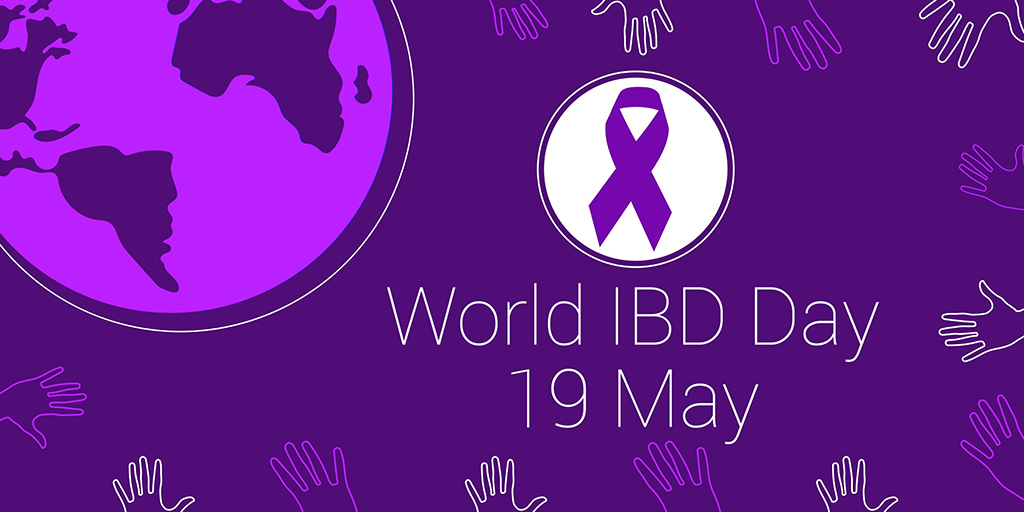
Affecting nearly 10 million people worldwide, Inflammatory Bowel Disease (IBD) is a chronic condition that requires timely care and long-term management. IBD often begins with subtle signs such as persistent stomach pain, fatigue, or changes in bowel movements – symptoms that are easy to overlook and can delay diagnosis, increasing the risk of complications such as intestinal damage or nutritional deficiencies. World IBD Day, observed every year on May 19, aims to increase awareness, encourage early detection, and help facilitate access to quality care. In this article, we’ll cover all you need to know about inflammatory bowel disease, including its types, common symptoms and causes, and treatment options. But first, let’s learn a bit more about World IBD Day.
History and Significance of World IBD Day
World Inflammatory Bowel Disease (IBD) Day was established in 2010 during Digestive Disease Week in the United States, marking a defining step in global awareness of inflammatory bowel disease. Today, the initiative is led by patient organisations across more than 50 countries and continues to grow in scale each year.
At its core, World IBD Day is observed to address critical issues such as:
- Lack of awareness
- Delayed diagnosis
- Social stigma around bowel health
Despite medical advancements, conversations around digestive symptoms remain uncomfortable for many. People often delay seeking help, which allows the condition to progress unnoticed. World IBD Day is observed each year to promote a shift in that narrative, from silence to conversation, from hesitation to action.
World IBD Day Theme 2026: Why Access to IBD Care Matters
The World IBD Day theme for 2026 is “IBD Has No Borders: Access to IBD Care”, bringing focus to a reality that cannot be overlooked.
Access to treatment and care for IBD remains limited for many people dealing with the condition. Where a person lives still plays a significant role in:
- When they are diagnosed
- Whether they can consult gastroenterologists
- What treatment options are available
- How consistently they can manage the condition
This theme builds on last year’s campaign, “IBD Has No Borders: Breaking Taboos, Talking About It”, and efforts to break taboos and encourages a more urgent conversation around equity in healthcare.
Living with IBD is already challenging. Delayed diagnosis, limited access to specialists, and high treatment costs only add to the burden. The message for 2026 is clear: access to care should not depend on geography. It should be a fundamental right.
Now that we’ve understood why World IBD Day is observed each year, let’s learn more about the disease.
What is Inflammatory Bowel Disease (IBD)?
Inflammatory bowel disease refers to a group of chronic conditions that cause inflammation in the digestive tract. This inflammation does not resolve on its own and often follows a pattern of flare-ups and remission.
IBD affects how the body processes food, absorbs nutrients, and maintains digestive balance. Over time, it can impact not only physical health but also emotional well-being and daily life.
The condition is most commonly diagnosed between the ages of 15 and 30, though it can appear at any stage of life. It affects men and women equally and requires long-term management rather than short-term treatment.
Types of Inflammatory Bowel Disease
There are two major types of inflammatory bowel disease:
Crohn’s Disease
Crohn’s disease can affect any part of the digestive tract, from the mouth to the intestines. The inflammation often appears in patches, with healthy sections in between.
What makes Crohn’s disease distinct is that the inflammation can extend deeper into the layers of the bowel wall. Over time, this may lead to swelling, ulcer formation, narrowing of the intestine, or the development of abnormal connections between different parts of the bowel. These changes can interfere with normal digestion and may result in persistent pain, diarrhoea, and nutritional issues if not managed early.
Ulcerative Colitis
Ulcerative colitis is limited to the colon and rectum. The inflammation is continuous rather than patchy and affects the inner lining of the bowel.
This inflammation often leads to the formation of ulcers along the surface of the colon, which can cause bleeding, irritation, and frequent bowel movements. Because the involvement is superficial but continuous, symptoms such as urgency, discomfort, and blood in the stool are more common.
While both conditions fall under IBD, their presentation, progression, and treatment approaches may differ.
Common Symptoms of Inflammatory Bowel Disease
Recognising inflammatory bowel disease symptoms early can make a meaningful difference in the overall prognosis.
Common symptoms include:
- Persistent stomach pain or cramping
- Chronic diarrhoea
- Fatigue and weakness
- Unexplained weight loss
- Fever
- Blood in stool
- Urgency or frequent bowel movements
In some cases, symptoms may extend beyond the digestive system, affecting joints, skin, or eyes.
What makes IBD care challenging is that not only do the symptoms resemble those of less serious conditions, but they also fluctuate. Periods of relief may be followed by sudden flare-ups, which is why early diagnosis, treatment, and ongoing monitoring is important.
Causes and Risk Factors for Inflammatory Bowel Disease
Understanding the causes of inflammatory bowel disease requires looking beyond a single trigger. IBD develops through a combination of biological and environmental factors that interact over time. While the exact cause is not fully defined, current medical understanding points to the following key contributors:
- Immune System Imbalance: The immune system, which normally protects the body from infections, begins to react abnormally. Instead of targeting harmful bacteria alone, it mistakenly attacks healthy tissue in the digestive tract. This ongoing immune response leads to chronic inflammation, which is the defining feature of IBD.
- Genetic Predisposition: Individuals with a family history of inflammatory bowel disease are more likely to develop the condition. Certain genes are linked to how the immune system responds to gut bacteria, which may increase susceptibility.
- Environmental Factors: External factors such as pollution, infections, and changes in gut microbiota can influence disease onset. Urban lifestyles and environmental exposures may alter the balance of bacteria in the intestine, contributing to inflammation.
- Lifestyle Influences: Diet, smoking, stress, and physical inactivity do not directly cause IBD but can influence its progression and severity. For example, smoking is known to worsen Crohn’s disease, while chronic stress can aggravate symptoms.
When it comes to inflammatory bowel disease prevention, there is no guaranteed way to avoid the condition entirely. However, maintaining overall health, avoiding smoking, managing stress, and seeking early medical attention when symptoms arise can help reduce complications and improve long-term outcomes.
Why Early Diagnosis of Inflammatory Bowel Disease is Critical
Delayed diagnosis remains one of the most significant challenges in IBD care. Symptoms are often mistaken for temporary infections, food intolerance, or stress-related digestive issues, which can delay appropriate treatment.
This delay allows inflammation to continue unchecked, increasing the risk of complications such as:
- Intestinal Damage: Persistent inflammation can gradually damage the lining of the digestive tract, leading to ulcers, narrowing of the intestine, or structural complications over time.
- Nutritional Deficiencies: Inflammation interferes with the body’s ability to absorb nutrients effectively. This can lead to deficiencies in essential vitamins and minerals, affecting energy levels and overall health.
- Chronic Discomfort and Reduced Quality of Life: Ongoing symptoms such as pain, diarrhoea, and fatigue can begin to affect work, social life, and daily routine if not managed early.
- Increased Long-Term Health Risks: Long-standing, untreated inflammation may increase the risk of complications, including the need for surgery or, in some cases, increased cancer risk.
Early diagnosis allows treatment to begin at the right stage. It improves symptom control, reduces disease progression, and helps patients maintain a more stable and predictable quality of life.
How is Inflammatory Bowel Disease Diagnosed?
Diagnosing IBD requires a structured and step-by-step clinical approach. Since symptoms can overlap with other digestive conditions, accurate diagnosis depends on combining multiple assessments rather than relying on a single test.
Gastroenterologists typically evaluate:
- Medical history and symptom pattern
- Physical examination, including abdominal tenderness or weight changes
- Laboratory and diagnostic investigations
Common diagnostic methods include:
- Blood Tests: These help identify signs of inflammation, anaemia, or infection. They also provide insight into the overall health status of the patient.
- Stool Analysis: Stool tests help rule out infections and detect markers of intestinal inflammation, which are useful in distinguishing IBD from other conditions.
- Imaging Studies (CT or MRI Scans): Imaging helps visualise the intestines and identify complications such as thickening of the bowel wall, abscesses, or narrowing.
- Colonoscopy: A colonoscopy remains one of the most important diagnostic tools. It allows direct visualisation of the inner lining of the colon and enables biopsy collection for confirmation. It also helps assess the severity and extent of inflammation.
Accurate diagnosis is not only about confirming the presence of IBD. It is also about understanding how extensively the disease has progressed and how it behaves, which directly influences treatment planning.
Inflammatory Bowel Disease Treatment Options
While there is no complete cure, inflammatory bowel disease treatment focuses on controlling inflammation, reducing symptoms, and maintaining long-term remission.
Treatment is tailored to the individual and may include:
- Anti-Inflammatory Medications: These are often the first line of treatment and help reduce inflammation in the digestive tract, improving symptoms during mild to moderate disease activity.
- Immunosuppressants: These medications work by reducing the activity of the immune system, preventing it from attacking the digestive tract and sustaining inflammation.
- Corticosteroids: Used for short-term control during flare-ups, corticosteroids help quickly reduce inflammation. They are typically not used for long-term management due to side effects.
- Biologic Therapies: These are advanced treatments that target specific components of the immune system. They are often used in moderate to severe cases where conventional therapies are not sufficient.
- Nutritional Support: Nutritional care is an important part of IBD management. It helps address weight loss, correct deficiencies, and support recovery, especially during flare-ups.
- Endoscopic Procedures and Surgery: In cases where complications develop, procedures such as dilation or surgery may be required. Surgical intervention is usually considered when medical management is not effective or when structural complications arise.
Living with Inflammatory Bowel Disease: Dietary and Lifestyle Changes
Living with IBD involves more than medical treatment. It requires ongoing adjustments in daily life, often shaped by the unpredictability of symptoms and the need to stay constantly aware of one’s body. What may appear routine for others, such as eating out, travelling, or maintaining a schedule, can require planning and caution.
Key aspects of management include:
- Identifying food triggers
- Maintaining a balanced diet
- Managing stress levels
- Taking medications consistently
- Monitoring symptoms closely
Equally important is addressing the emotional side of the condition. The unpredictability of symptoms can affect confidence, social interactions, and mental health.
Open conversations and supportive care can make a significant difference in how individuals cope with the condition.
Barriers to Access to Inflammatory Bowel Disease Care
Despite growing awareness, many patients continue to face barriers such as:
- Delayed or missed diagnosis
- Limited access to specialists
- High cost of treatment
- Inconsistent follow-up care
- Lack of psychological support
These challenges often lead to prolonged discomfort and worsening symptoms.
Addressing these gaps is central to the message of World IBD Day 2026. Better outcomes depend not only on medical advances but also on making care accessible and consistent.
How Graphic Era Hospital Offers World-Class IBD Care
Managing inflammatory bowel disease requires more than symptom control. It calls for coordinated care, accurate diagnosis, and long-term clinical support. At Graphic Era Hospital, Dehradun, care for conditions such as Crohn’s disease and ulcerative colitis is structured around precision, continuity, and patient-centric decision-making.
Multidisciplinary Expertise for Comprehensive IBD Care
The Department of Medical Gastroenterology brings together experienced specialists who work in close coordination with surgeons, dietitians, and counsellors. This multidisciplinary approach ensures that every aspect of IBD, from clinical management to nutritional and psychological support, is addressed through an evidence-based care plan.
Advanced Diagnostics for Accurate and Early Detection
Timely diagnosis plays a critical role in improving outcomes. The hospital is equipped with high-definition, NBI-enabled endoscopy and colonoscopy systems that support detailed evaluation of the gastrointestinal tract. From diagnostic biopsies to therapeutic interventions such as dilation, polyp removal, Endoscopic Mucosal Resection (EMR), and Endoscopic Submucosal Dissection (ESD), each procedure is performed with clinical precision.
Personalised Treatment and Long-Term Management
IBD management extends beyond medication. Treatment plans are tailored to each patient, combining medical therapy with nutritional guidance, lifestyle modification, and continuous monitoring. This structured approach focuses on maintaining remission, reducing the risk of relapse, and improving overall quality of life.
Patient Education and Ongoing Support
Living with IBD often involves navigating uncertainty and lifestyle adjustments. Patient education and counselling form an integral part of care, enabling individuals to understand their condition, recognise early warning signs, and make informed decisions about their health.
What Can You Do on World IBD Day?
World IBD Day is not limited to large campaigns or institutional efforts. It is also shaped by individual actions that help bring visibility to a condition often left unspoken. Creating awareness begins with simple, informed steps that encourage understanding, reduce hesitation around symptoms, and support those living with inflammatory bowel disease in a more practical, everyday way.
- Wear the purple ribbon
- Share awareness within your community
- Encourage open conversations about bowel health
- Support someone living with IBD
- Promote early medical consultation
Awareness is not only about information. It is about making people feel seen, heard, and supported.
Conclusion: Raising Awareness and Improving Access to IBD Care
Inflammatory bowel disease is not always visible, yet its impact shapes daily life in significant ways. On World Inflammatory Bowel Disease Day 2026, let’s focus on the need for timely diagnosis, consistent treatment, and better access to care. Persistent signs such as stomach pain, diarrhoea, fatigue, or unexplained weight loss require clinical attention rather than delay. Early consultation improves outcomes and reduces long-term complications. World IBD Day 2026 attempts to bring the focus back to patients, ensuring symptoms are recognised early and care is within reach. At Graphic Era Hospital, Dehradun, patients are supported through diagnosis, specialist evaluation, and structured long-term management. If you are experiencing ongoing symptoms or unexplained digestive concerns, seeking medical advice without delay can make a meaningful difference. To schedule a consultation, you may call 1800 889 7351 (24×7)
Frequently Asked Questions
Can people live a normal life with inflammatory bowel disease?
Yes. While IBD is a lifelong condition, many people live active and fulfilling lives with the right diagnosis, treatment, follow-up, and lifestyle support.
What colour ribbon is worn for IBD awareness?
The purple ribbon is widely used as a symbol of awareness and support for people living with IBD.
When is IBD Awareness Month observed?
World IBD Day is observed every year on 19 May, and awareness activities often continue throughout May.
Which foods should be avoided in inflammatory bowel disease?
Food triggers vary by person. There is no single list that suits everyone, so patients are usually advised to work with their doctor or dietitian to identify foods that worsen symptoms.
Can stress worsen IBD symptoms?
Stress is not considered the sole cause of IBD, but it can aggravate symptoms and affect overall well-being, which is why mental health support matters.
Is IBD curable?
There is no complete cure at present, but proper inflammatory bowel disease treatment approaches can help manage and control inflammation, reduce flares, and improve quality of life.
How does IBD affect daily life and mental health?
IBD can affect energy levels, work, education, diet, travel, relationships, and emotional health, especially when symptoms are unpredictable or stigmatised.
What lifestyle changes can help manage IBD symptoms?
Regular follow-up, medication adherence, stress management, dietary adjustment, and early consultation during symptom changes can all support better disease control.
How to prevent bowel inflammation?
There is no guaranteed inflammatory bowel disease prevention strategy because the disease arises from complex immune, genetic, and environmental factors. Still, avoiding smoking, seeking early care, and following long-term treatment may help reduce flares and complications.

















 Emergency 24×7 : 1800 889 7351