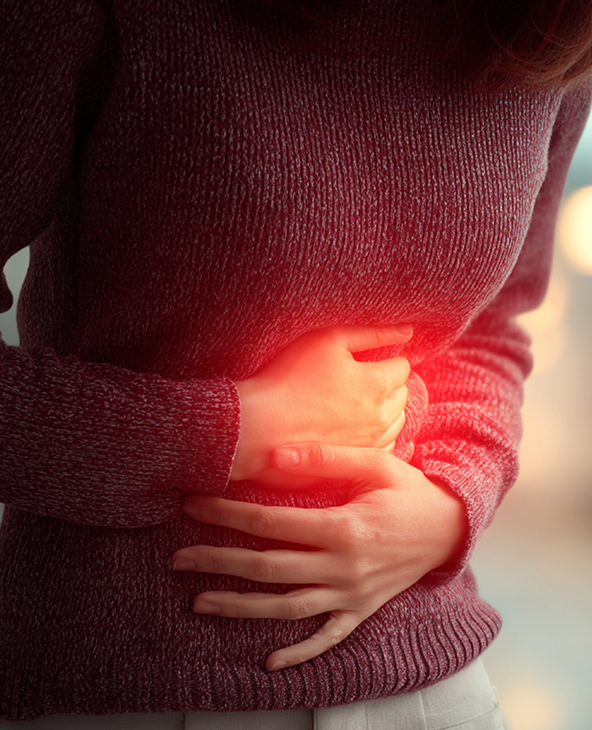
Irritable bowel syndrome (IBS) is a common disorder of gut-brain interaction that affects how the digestive system functions. It is characterised by recurring abdominal pain or discomfort associated with changes in bowel habits, including diarrhoea, constipation, or a combination of both, despite the absence of any detectable structural abnormality or inflammation in the digestive tract.
Although IBS does not cause permanent damage to the intestines, its symptoms can significantly affect daily activities, work, and overall quality of life. At Graphic Era Hospital, Dehradun, IBS is evaluated and managed by experienced gastroenterologists who provide comprehensive assessment, personalised treatment plans, dietary guidance, and long-term support to help patients achieve effective symptom control and improve their quality of life.
Types of Irritable Bowel Syndrome
IBS is classified into four subtypes based on the predominant pattern of bowel habits. Identifying the subtype helps guide treatment and long-term symptom management. At Graphic Era Hospital, our gastroenterologists carefully evaluate bowel habit patterns and associated symptoms before developing an individualised treatment plan.
IBS with Constipation (IBS-C)
IBS-C is characterised by infrequent, hard, or lumpy stools along with abdominal pain, bloating, and discomfort. Many patients experience straining during bowel movements and a sensation of incomplete evacuation.
IBS with Diarrhoea (IBS-D)
IBS-D is characterised by frequent loose or watery stools, often accompanied by urgency, abdominal cramping, and discomfort that may improve after a bowel movement.
Mixed IBS (IBS-M)
IBS-M involves alternating episodes of constipation and diarrhoea, with bowel habits changing over time. Patients may experience both hard and loose stools over the course of days or weeks.
IBS Unclassified (IBS-U)
IBS-U refers to cases that meet the diagnostic criteria for IBS but do not fit clearly into the constipation-predominant, diarrhoea-predominant, or mixed categories. Symptoms may vary over time, and treatment is tailored to the individual's predominant concerns.
Symptoms of Irritable Bowel Syndrome
IBS causes a characteristic pattern of digestive symptoms that tend to recur over time and may be triggered by certain foods, stress, or hormonal changes. At Graphic Era Hospital, symptoms are assessed alongside a detailed clinical evaluation to confirm the diagnosis and exclude other gastrointestinal conditions.
Common Symptoms of IBS
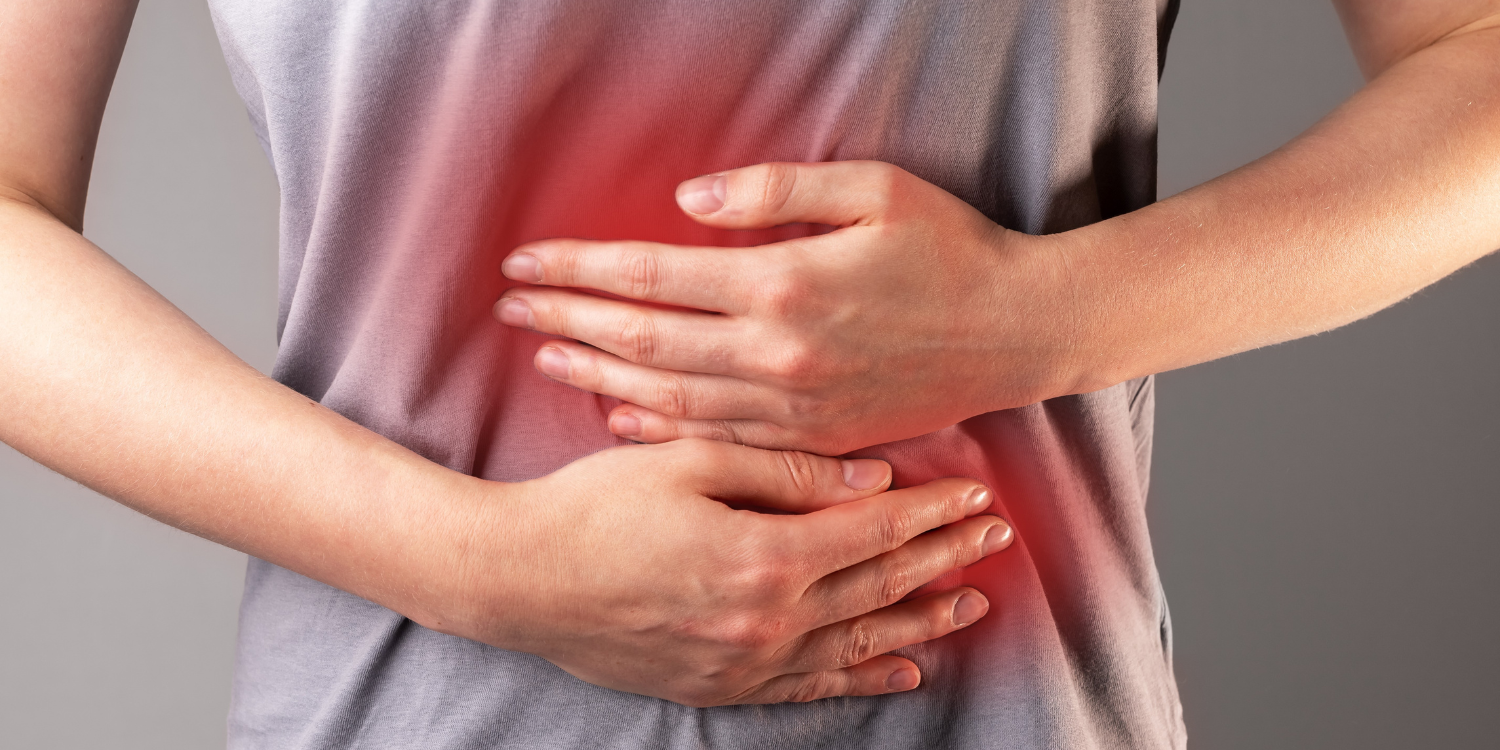
Abdominal Pain and Cramping: Recurrent abdominal pain or cramping associated with a change in bowel habits is the hallmark symptom of IBS. The discomfort often improves or changes after a bowel movement.
Bloating and Abdominal Distension: Many patients experience a sensation of fullness, abdominal pressure, or visible bloating that may worsen during the day or after meals.
Altered Bowel Habits: Constipation, diarrhoea, or alternating episodes of both are common features of IBS, depending on the subtype.
Mucus in the Stool: Some patients notice clear or white mucus in the stool, particularly during symptom flare-ups.
Urgency: A sudden need to have a bowel movement, especially in diarrhoea-predominant IBS, can interfere with daily activities and social activities.
Incomplete Evacuation: Many people with IBS feel that the bowel has not emptied completely after a bowel movement.
Nausea and Indigestion: Symptoms such as nausea, early fullness after eating, and indigestion may occur alongside IBS.
Fatigue and Sleep Disturbance: Chronic symptoms can affect energy levels, sleep quality, and overall well-being.
Persistent abdominal pain, bloating, constipation, diarrhoea, or other changes in bowel habits should be evaluated by a gastroenterologist, particularly when symptoms recur over time or interfere with daily activities. Early assessment helps confirm whether symptoms are due to IBS or another gastrointestinal condition and allows appropriate treatment to begin.
What Causes Irritable Bowel Syndrome?
The exact cause of IBS is not fully understood. Current evidence suggests that IBS develops as a result of multiple factors affecting the interaction between the digestive system and the brain. Different factors may contribute to symptoms in different individuals.
Dietary and Lifestyle Factors
Certain foods and eating habits can trigger or worsen IBS symptoms. Common dietary triggers include foods high in fermentable carbohydrates (FODMAPs), such as onions, garlic, legumes, certain fruits, dairy products, and wheat-based foods. Irregular meal patterns, inadequate fibre intake, poor hydration, excessive caffeine, and alcohol consumption may also contribute to symptoms. Physical inactivity can further worsen bowel disturbances, particularly constipation.
Stress and Psychological Factors
The digestive system and brain are closely connected through the gut-brain axis. Stress, anxiety, and other psychological factors can affect bowel movements, increase sensitivity to abdominal discomfort, and trigger symptom flare-ups. Many people notice that their IBS symptoms worsen during periods of emotional stress.
Gut Infections and Changes in the Gut Microbiome
Some people develop IBS after an episode of gastroenteritis or another intestinal infection, a condition known as post-infectious IBS. Changes in the gut microbiome, the community of microorganisms that live in the digestive tract, may also contribute to bloating, altered bowel habits, and abdominal discomfort.
Genetic and Environmental Factors
IBS tends to occur more commonly in some families, suggesting that genetic factors may influence susceptibility. Environmental factors, lifestyle habits, early-life experiences, and exposure to infections may also play a role in the development of IBS.
Risk Factors for Irritable Bowel Syndrome
While the exact cause of IBS is not fully understood, certain factors are associated with an increased likelihood of developing the condition.
- Female Sex: IBS is more commonly diagnosed in women than in men. Hormonal fluctuations may influence bowel function and symptom severity.
- Younger Age: IBS often begins in adolescence or early adulthood and is more commonly diagnosed before the age of 50.
- Anxiety, Depression, and Other Mental Health Conditions: People with anxiety, depression, or chronic stress are more likely to develop IBS and may experience more frequent symptom flare-ups.
- Previous Gastrointestinal Infection: Some individuals develop IBS following an episode of food poisoning, gastroenteritis, or another intestinal infection, a condition known as post-infectious IBS.
- Family History of IBS: Having a close family member with IBS may increase the likelihood of developing the condition.
- Food Sensitivities and Dietary Triggers: Sensitivity to certain foods, including high-FODMAP foods, lactose, or other dietary triggers, may contribute to the development or persistence of IBS symptoms.
- Frequent Antibiotic Use: Repeated or prolonged antibiotic use can alter the balance of bacteria in the gut and may increase the risk of IBS symptoms in some individuals.
- Chronic Stress: Long-term stress and significant life events can affect digestive function and are associated with an increased risk of IBS.
Prevention of Irritable Bowel Syndrome
IBS cannot always be prevented, particularly when genetic, psychological, or post-infectious factors are involved. However, certain lifestyle measures may help reduce the risk of symptom flare-ups and support long-term digestive health.
Maintain a Regular, Balanced Diet
Eating meals at consistent times and including adequate soluble fibre from foods such as oats, fruits, and vegetables can help support healthy bowel function.
Identify and Avoid Personal Food Triggers
Keeping a food and symptom diary may help identify foods that trigger symptoms, allowing dietary adjustments to be made in a targeted manner.
Stay Well Hydrated
Adequate fluid intake helps maintain normal bowel function and may reduce constipation-related symptoms.
Manage Stress Effectively
Stress can worsen IBS symptoms in many individuals. Regular exercise, adequate sleep, relaxation techniques, yoga, and other stress-management strategies may help improve symptom control.
Use Antibiotics Responsibly
Antibiotics should be taken only when medically necessary and as prescribed, as unnecessary use can disrupt the balance of bacteria in the gut.
Seek Prompt Treatment for Gastrointestinal Infections
Early management of intestinal infections may help reduce the risk of persistent digestive symptoms after recovery.
Limit Alcohol and Excess Caffeine
Alcohol and caffeine can trigger symptoms in some individuals and may be best consumed in moderation or avoided if they worsen digestive discomfort.
Doctors Available

Dr. Sachin Dev Munjal
Senior Consultant and Head
Gastroenterology, Hepatology and Advanced Endoscopy
Experience: 15 Years
Book An Appointment

Why Choose Graphic Era Hospital for IBS Treatment in Dehradun

Specialist IBS Evaluation: Our gastroenterologists use a structured clinical approach to diagnose IBS, identify symptom triggers, and develop personalised treatment plans based on the patient’s symptoms and IBS subtype.

Comprehensive Diagnostic Support: The hospital offers access to blood tests, stool analysis, colonoscopy, imaging, and other investigations required to confirm the diagnosis and exclude conditions that can mimic IBS.

Personalised, Long-Term Care: IBS management often requires a combination of dietary guidance, lifestyle modification, medications, and ongoing support. Our team works closely with patients to help achieve long-term symptom control and improve quality of life.
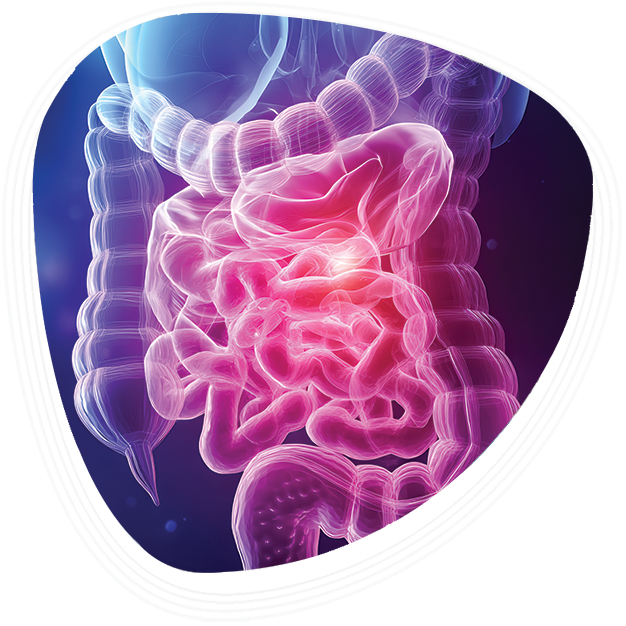
Diagnosis of Irritable Bowel Syndrome
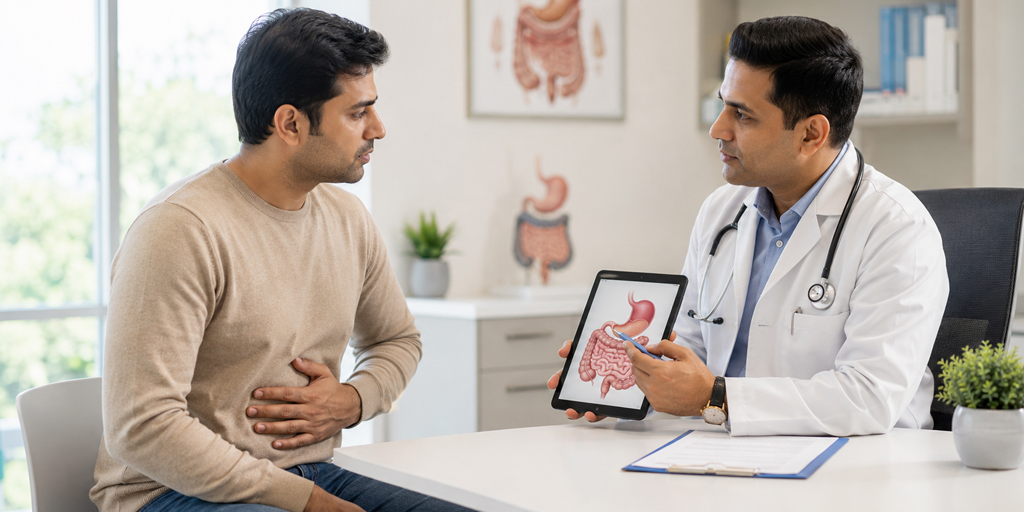
IBS is diagnosed based on a patient’s symptoms, medical history, and a careful clinical evaluation. There is no single test that confirms IBS. Instead, investigations are used selectively to rule out other conditions that may cause similar symptoms. At Graphic Era Hospital, our gastroenterologists follow a structured diagnostic approach to confirm the diagnosis and identify any underlying concerns that require further evaluation
Clinical Assessment
Symptom Evaluation: The diagnosis begins with a detailed review of symptoms, including abdominal pain, bloating, bowel habits, dietary triggers, and the impact of symptoms on daily life.
Rome IV Diagnostic Criteria: IBS is diagnosed using internationally accepted Rome IV criteria, which focus on recurrent abdominal pain associated with bowel movements and changes in stool frequency or appearance.
Medical and Family History: Assessment includes medication use, dietary habits, psychological factors, previous gastrointestinal infections, and any family history of colorectal cancer, inflammatory bowel disease, or celiac disease.
Physical Examination: A physical examination helps identify features that may suggest an alternative diagnosis and guides further investigations when required.
Laboratory Tests
Blood Tests: Tests such as a complete blood count, inflammatory markers, thyroid function tests, and celiac disease screening may be recommended to exclude other conditions that can mimic IBS.
Stool Tests: Stool analysis and faecal calprotectin testing may be used to distinguish IBS from inflammatory bowel disease, infection, or other gastrointestinal disorders.
Additional Investigations
Hydrogen Breath Testing: In selected patients, breath tests may be used to assess lactose intolerance or small intestinal bacterial overgrowth (SIBO), both of which can cause symptoms similar to IBS.
Colonoscopy: Colonoscopy may be recommended when symptoms are accompanied by alarm features such as rectal bleeding, unexplained weight loss, anaemia, or new-onset symptoms after the age of 50.
Abdominal Ultrasound and Other Imaging: Imaging studies may be performed when symptoms suggest another gastrointestinal or abdominal condition that requires further evaluation.
Treatment of Irritable Bowel Syndrome at Graphic Era Hospital
IBS treatment is tailored to the patient's symptom pattern, IBS subtype, symptom severity, and identified triggers. At Graphic Era Hospital, treatment typically combines dietary modifications, lifestyle changes, medications, and, when appropriate, psychological support to achieve long-term symptom control.
Dietary and Lifestyle Management
Low-FODMAP Diet: A structured low-FODMAP diet may be recommended to identify foods that trigger symptoms such as bloating, abdominal pain, diarrhoea, or constipation.
Soluble Fibre Supplementation: Soluble fibre supplements, such as psyllium husk, can help improve bowel regularity and symptom control, particularly in constipation-predominant IBS.
Lifestyle and Dietary Counselling: Regular meal timing, adequate hydration, physical activity, and personalised dietary guidance form an important part of long-term IBS management.
Medications for IBS
Antispasmodic Medications: Medications may be prescribed to reduce abdominal cramping and bowel spasms.
Treatment for Constipation or Diarrhoea: Depending on the IBS subtype, medications may be used to improve constipation, reduce diarrhoea, and help regulate bowel habits.
Gut-Brain Modulating Medications: Low-dose antidepressants may be recommended in selected patients to help reduce abdominal pain and improve symptom control.
Advanced IBS Medications: For patients with persistent symptoms, treatments such as rifaximin, linaclotide, or other specialised medications may be considered based on the IBS subtype and clinical evaluation.
Psychological Support
Cognitive Behavioural Therapy (CBT) and Stress Management: Psychological therapies, including CBT, relaxation techniques, mindfulness-based approaches, and other stress-management strategies, can help reduce symptom severity and improve quality of life in selected patients.
Probiotics Therapy
Selected probiotic supplements may help improve bloating, abdominal discomfort, and bowel regularity in some patients. Recommendations are tailored to the individual's symptoms and treatment response.
Top IBS Treatments
- Low-FODMAP Dietary Counselling
- Soluble Fibre Supplementation
- Antispasmodic Therapy
- Medications for IBS-C
- Medications for IBS-D
- Low-Dose Antidepressant Therapy
- Probiotic Therapy
- Cognitive Behavioural Therapy (CBT)
- Gut-Directed Hypnotherapy
Impact of Untreated IBS
IBS does not cause permanent damage to the intestines and is not associated with an increased risk of colorectal cancer. However, poorly controlled IBS can significantly affect quality of life, emotional well-being, and day-to-day functioning.
Advanced Diagnostics & Technology
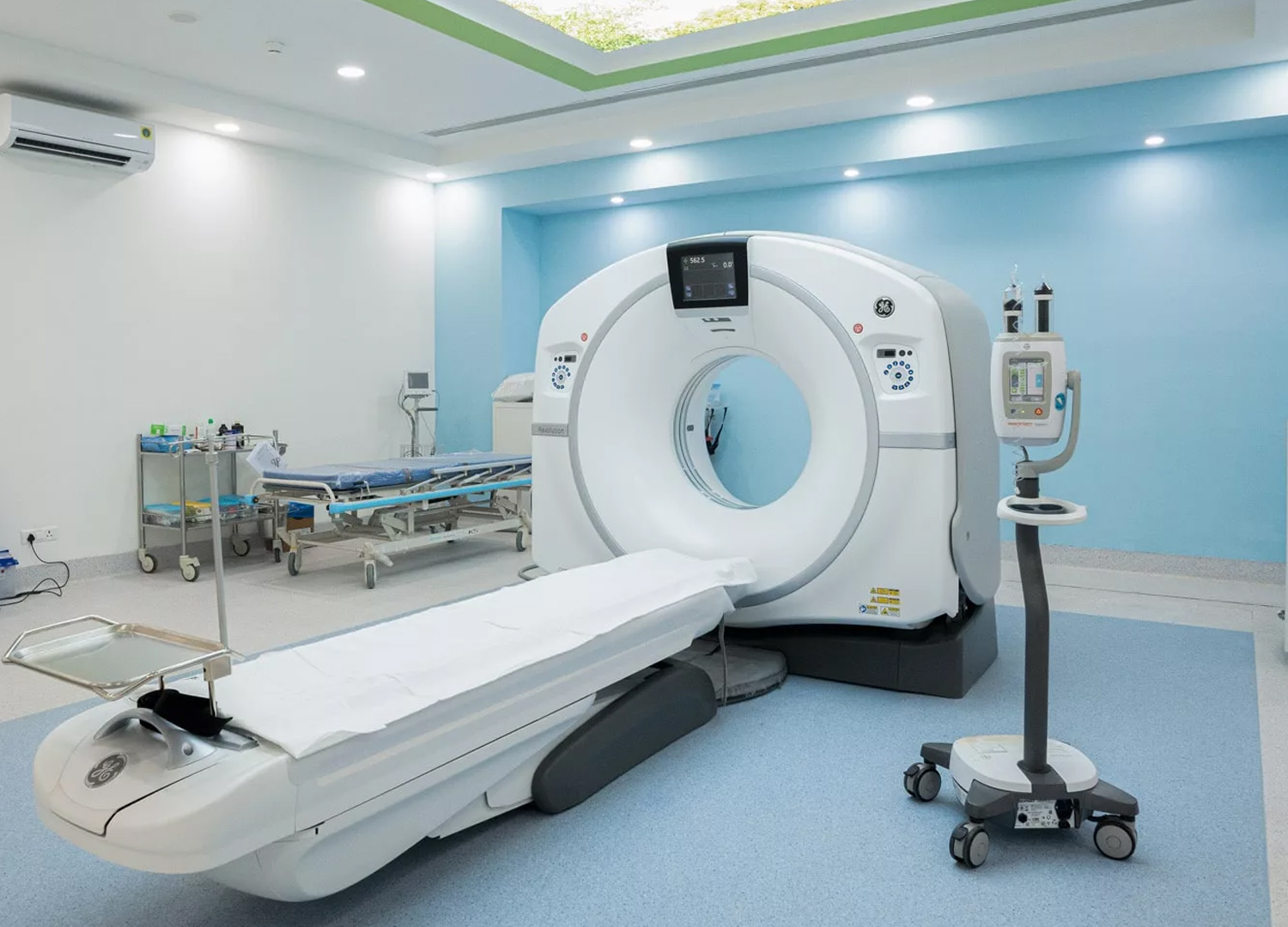
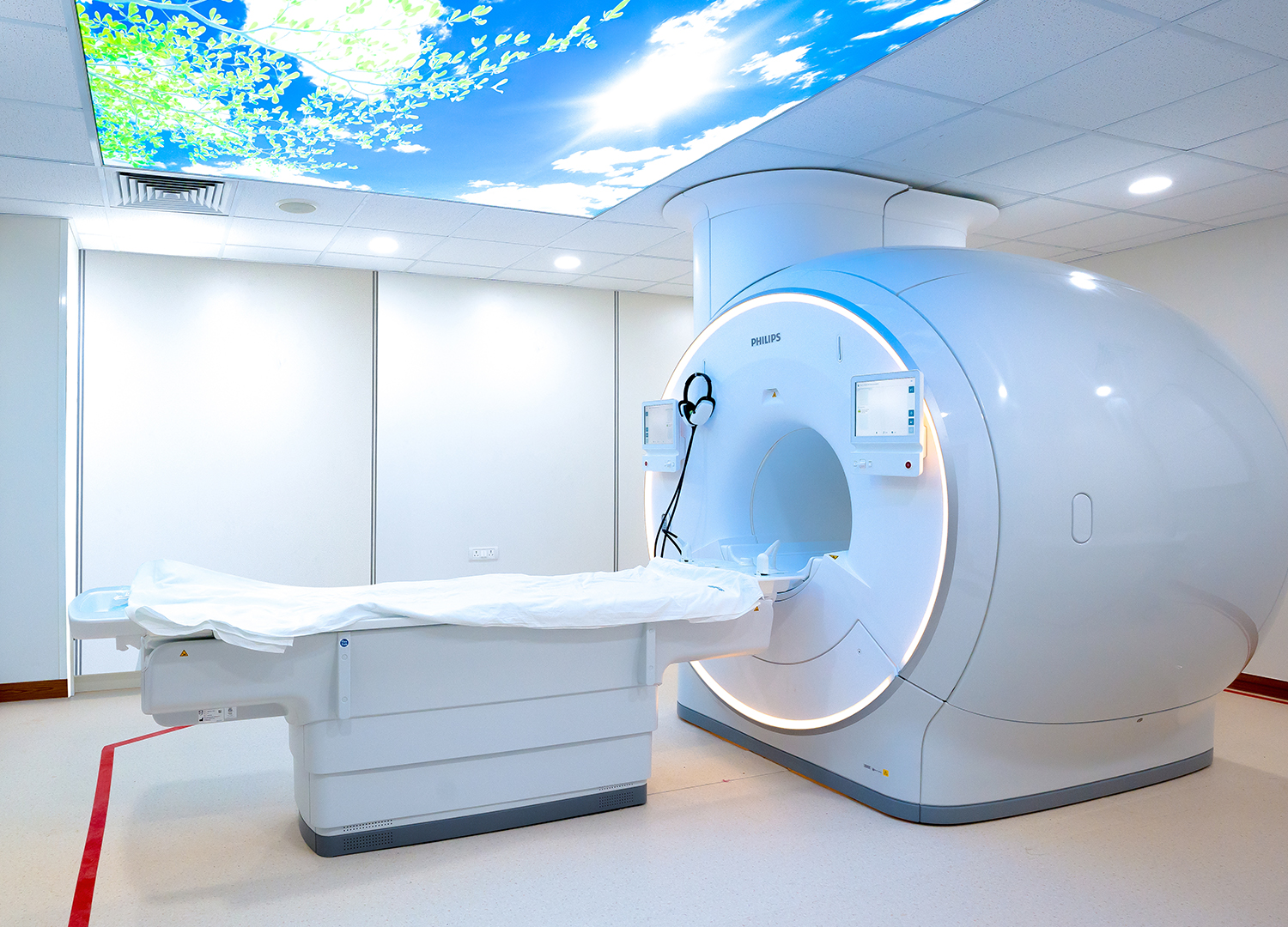
- Offers high-resolution imaging for detailed blood vessel analysis, aiding in accurate diagnosis and treatment planning.
- Delivers advanced imaging with high resolution for clear, detailed views of soft tissues, ensuring precise diagnostics.
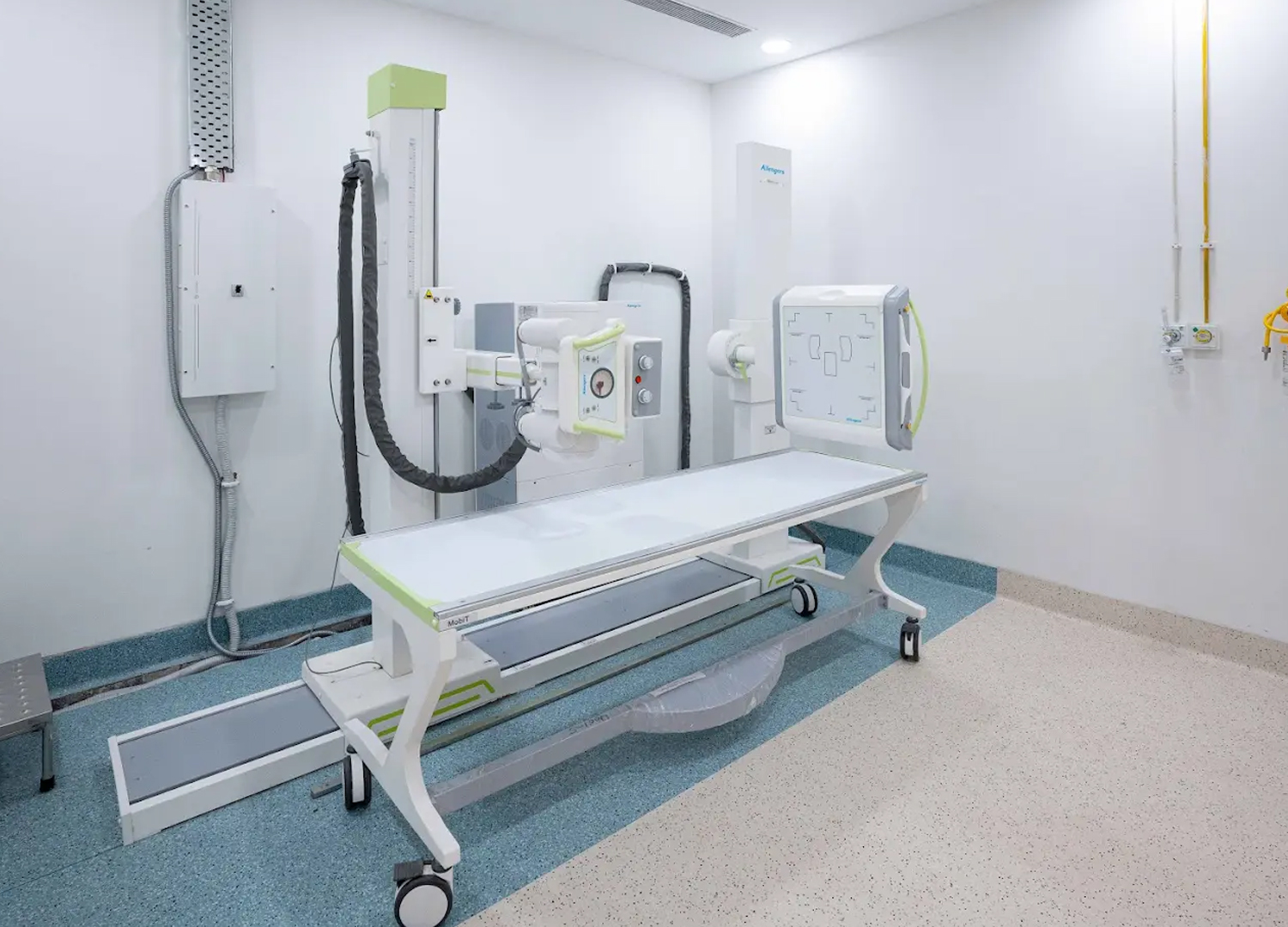
- Provides high-quality, detailed radiographic images for accurate diagnosis with minimal exposure to radiation.
Other Specialities


Patient Stories





Blog





Frequently Asked Questions (FAQs)
What is the best treatment for irritable bowel syndrome (IBS)?
There is no single treatment that works for everyone with IBS. Management is tailored to the individual’s symptoms and may include dietary modifications, lifestyle changes, medications, stress management, and psychological therapies. At Graphic Era Hospital, treatment plans are personalised according to the patient’s IBS subtype and symptom severity.
Can IBS be cured permanently?
IBS is a chronic condition that does not have a permanent cure. However, many people achieve long-term symptom control through dietary changes, lifestyle modifications, and appropriate medical treatment.
What is the difference between IBS and IBD?
IBS is a functional disorder that affects how the bowel works but does not cause inflammation or permanent damage. Inflammatory bowel disease (IBD), including Crohn’s disease and ulcerative colitis, causes chronic inflammation of the digestive tract and may lead to serious complications if left untreated.
Who is more likely to develop IBS?
IBS is more commonly diagnosed in women and often develops before the age of 50. Factors such as chronic stress, anxiety, previous gastrointestinal infections, family history, and certain dietary triggers may increase the risk.
What foods should I avoid if I have IBS?
Common triggers include high-FODMAP foods, fatty meals, caffeine, alcohol, and carbonated beverages. Trigger foods vary from person to person, which is why dietary assessment and personalised guidance are important.
Can stress worsen IBS symptoms?
Yes. Stress, anxiety, and other psychological factors can influence bowel function and trigger symptom flare-ups. Stress-management techniques and psychological therapies may help improve symptom control in some patients.
Can stress worsen IBS symptoms?
Yes. Stress, anxiety, and other psychological factors can influence bowel function and trigger symptom flare-ups. Stress-management techniques and psychological therapies may help improve symptom control in some patients.
When should I see a gastroenterologist for IBS symptoms?
You should seek medical evaluation if symptoms persist, interfere with daily life, or are accompanied by warning signs such as rectal bleeding, unexplained weight loss, fever, or symptoms that begin after the age of 50.
Where can I get IBS treatment near me in Dehradun?
Graphic Era Hospital provides comprehensive IBS evaluation and treatment, including specialist gastroenterology consultation, diagnostic testing, dietary guidance, and long-term symptom management for patients experiencing persistent digestive symptoms.