
Calcium and Vitamin D: Roles in Bone Health, Daily Requirements and Deficiency Symptoms
Key Takeaways
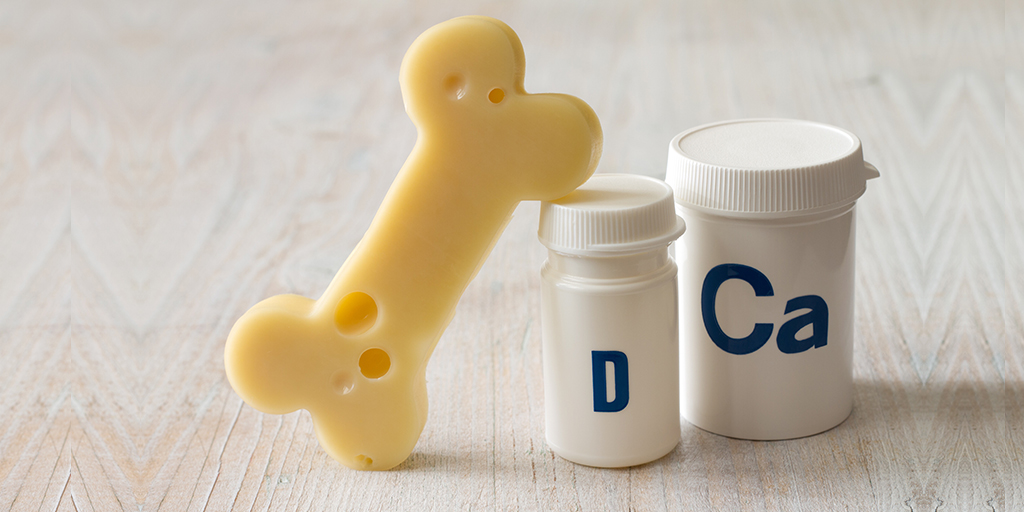
- Calcium helps maintain bone strength and density, while vitamin D supports calcium absorption and healthy bone function.
- Inadequate calcium or vitamin D levels can weaken bones over time and increase the risk of fractures and osteoporosis.
- A balanced diet, regular exercise, and sensible sun exposure can help support healthy calcium and vitamin D levels.
- Certain individuals, including older adults and those with limited sunlight exposure or specific health conditions, may have a higher risk of deficiency.
- Consulting a doctor for timely evaluation can help identify concerns and support appropriate bone health management.
Calcium and vitamin D are two key nutrients that play key roles in supporting bone health and function. While calcium provides the mineral structure needed for healthy bones, vitamin D helps the body use calcium effectively. However, inadequate intake or low levels of either nutrient can affect bone health over time. In this article, we will understand the importance of calcium and vitamin D, their food sources, and the risks associated with their deficiency.
Role of Calcium in Bone Health
Calcium is the main mineral that gives bones their strength, structure, and hardness. Around 99% of the body’s calcium is stored in the bones and teeth, where it helps maintain bone density and supports their ability to withstand everyday stress. Calcium supports bone health in several ways:
- Builds strong bones: Calcium provides the mineral framework that gives bones their strength, structure, and stability.
- Supports healthy bone renewal: Throughout life, bones continuously undergo a natural remodelling process in which old bone tissue is replaced with new tissue. Calcium plays an essential role in supporting this process.
- Maintains essential calcium reserves: Bones store calcium that the body can draw upon when needed to support important functions such as muscle movement, nerve signalling, and heart function.
Maintaining adequate calcium levels helps preserve bone strength and supports healthy bone function throughout life.
Role of Vitamin D in Bone Health
Vitamin D plays an important role in helping the body maintain healthy bones by supporting calcium absorption and mineral balance. While calcium provides the essential mineral structure for bones, vitamin D helps the body absorb and use calcium effectively. Vitamin D supports bone health in several ways:
- Improves calcium absorption: Vitamin D helps the body absorb calcium from food, ensuring that enough calcium is available to support healthy bones.
- Supports healthy bones: It helps regulate calcium and phosphorus levels, two essential minerals that contribute to bone strength, density, and normal bone function.
- Promotes muscle strength and stability: Vitamin D supports healthy muscle function and coordination, which can improve balance and help reduce the risk of falls that may lead to fractures.
Maintaining adequate vitamin D levels through sensible sun exposure, a balanced diet, regular physical activity, and medical guidance when needed can help support bone strength and long-term mobility.
Why are Both Calcium and Vitamin D Needed?
Calcium and vitamin D work together to maintain healthy bones. Calcium provides the essential mineral structure, while vitamin D helps the body absorb and utilise calcium effectively. Without adequate calcium, bones may not get the minerals required to maintain strength. Similarly, low vitamin D levels can affect how well the body uses available calcium. Maintaining sufficient levels of both nutrients through a balanced diet, healthy lifestyle habits, and timely medical guidance can help support long-term bone health.
Daily Calcium and Vitamin D Requirements
The body needs adequate amounts of calcium and vitamin D every day to support healthy bones. The exact requirement may vary depending on age, sex, health status, and individual needs.
| Nutrient | General Daily Requirement |
| Calcium | Around 1,000–1,200 mg per day for most adults |
| Vitamin D | Around 600–800 IU per day for most adults |
Individuals with certain health conditions, nutrient deficiencies, or a higher risk of bone-related concerns may require different amounts. A doctor can provide personalised guidance based on individual health needs and test results.
Signs of Calcium and Vitamin D Deficiency
Low levels of calcium or vitamin D may not always cause noticeable symptoms in the early stages. However, as deficiencies progress, they can affect bone strength, muscle function, and overall health. Recognising possible signs can help individuals seek timely medical advice and support better bone health.
Signs of Calcium Deficiency
Calcium deficiency may affect the strength and function of bones and muscles. Some possible signs include:
- Muscle cramps or spasms
- Tingling or numbness in the fingers and hands
- Brittle nails
- Weaker bones or increased risk of fractures
- Reduced bone density over time
Signs of Vitamin D Deficiency
Vitamin D deficiency can affect bone maintenance and muscle health. Possible signs include:
- Bone pain or tenderness
- Muscle weakness
- Tiredness or low energy levels
- Difficulty performing daily activities due to muscle discomfort
- Increased risk of falls or fractures, especially in older adults
These symptoms can occur due to several other health conditions as well. If individuals experience persistent symptoms or have concerns about their bone health, consulting a doctor can help identify the underlying cause through appropriate evaluation.
Who’s Most at Risk of Calcium and Vitamin D Deficiency?
Certain groups may have a higher risk of low calcium or vitamin D levels and may need closer attention to their bone health, including:
- Individuals with limited sunlight exposure: Spending most of the day indoors, working desk jobs, or having minimal exposure to sunlight can affect vitamin D production in the body.
- Older adults: Bone density naturally decreases with age, and the body may become less efficient at maintaining vitamin D levels, increasing the risk of bone weakness.
- Post-menopausal women: Hormonal changes after menopause can accelerate bone loss and increase the risk of conditions such as osteoporosis.
- Individuals with a sedentary lifestyle: Lack of regular physical activity can affect bone strength and overall musculoskeletal health.
- Individuals with an inadequate intake of calcium or vitamin D-rich foods: A diet that lacks essential nutrients may affect bone health over time.
- Individuals with certain medical conditions: Some digestive conditions, such as Celiac disease and inflammatory bowel disease, and other health conditions like kidney or liver disorders can affect how the body absorbs or uses calcium and vitamin D.
Individuals with these risk factors should consider a routine full body health check-up to assess their overall wellbeing and identify any concerns at an early stage. Early detection and timely diagnosis can help support appropriate management and reduce the risk of complications.
How to Get Enough Calcium and Vitamin D
Maintaining healthy calcium and vitamin D levels requires a combination of a balanced diet, healthy lifestyle habits, and medical guidance when needed. Simple daily choices can help support strong bones and overall health.
Include Bone-Supporting Foods in Your Diet
A balanced diet can help provide the nutrients required for healthy bones. Good sources of calcium and vitamin D include:
- Milk, yoghurt, cheese, and other dairy products
- Ragi, sesame seeds, and green leafy vegetables
- Fatty fish, egg yolks, and fortified foods
Maintain Healthy Lifestyle Habits
Individuals can support bone health by:
- Spending sensible time in sunlight to support natural vitamin D production
- Staying physically active with exercises that support bone and muscle strength
- Maintaining a balanced diet that includes adequate calcium and vitamin D sources
Consider Supplements When Needed
Some individuals may require calcium or vitamin D supplements if they have low nutrient levels or specific health concerns. However, supplements should only be taken after consulting a doctor, as the right type and amount depend on individual health needs, dietary intake, and test results.
When Should You See a Doctor?
Certain signs and risk factors may indicate that it is time to seek medical advice. Individuals should consider consulting a doctor if they experience:
- Persistent bone pain or tenderness
- Frequent fractures or fractures after minor injuries
- Muscle weakness or difficulty with daily movements
- Concerns about low calcium or vitamin D levels
- Risk factors for osteoporosis, such as age-related bone loss or post-menopausal changes
At Graphic Era Hospital, experienced orthopaedists assess bone health, review medical history, and recommend appropriate tests when required to identify underlying concerns and suggest suitable care.
Final Word
Calcium and vitamin D work together to support bone strength, density, and long-term skeletal health. Including calcium- and vitamin D-rich foods in a balanced diet, staying physically active, getting sensible sun exposure, and seeking timely medical advice when needed can all contribute to maintaining healthy bones. If you or a loved one are experiencing persistent bone pain, frequent fractures, muscle weakness, or have concerns about calcium or vitamin D deficiency, it is important to seek timely medical advice. At Graphic Era Hospital, experienced orthopaedists provide a comprehensive evaluation, recommend appropriate investigations when required, and offer personalised care to help protect and maintain bone health. To book a consultation, call 1800 889 7351.
Frequently Asked Questions
Which is more important for bone health: calcium or vitamin D?
Both calcium and vitamin D are equally important for maintaining strong bones. Calcium provides the mineral structure that gives bones strength, while vitamin D helps the body maintain healthy calcium levels and supports bone function. A deficiency of either nutrient can affect bone health over time. Maintaining a balanced diet, regular physical activity, and healthy lifestyle habits can help support stronger bones.
Does vitamin D help the body absorb calcium?
Yes, vitamin D plays an important role in helping the body absorb and use calcium effectively. Without adequate vitamin D levels, the body may not be able to utilise calcium properly, even if calcium intake is sufficient. Vitamin D Deficiency can affect bone strength over time and may increase the risk of problems such as reduced bone density and osteoporosis.
Can low vitamin D or calcium levels affect bone strength?
Yes, low levels of calcium or vitamin D can affect bone strength. Calcium helps maintain the structure and density of bones, while vitamin D supports calcium regulation and normal bone maintenance. Over time, inadequate levels of these nutrients may increase the risk of weak bones, fractures, and conditions such as osteoporosis. Individuals with concerns about bone health can consult one of the best orthopaedists for proper evaluation and guidance.
What are the symptoms of vitamin D deficiency?
Vitamin D Deficiency may not always cause noticeable symptoms in the early stages. However, some individuals may experience bone pain, muscle weakness, tiredness, difficulty with movement, or an increased risk of fractures. Since these symptoms can occur due to several other conditions, a doctor may recommend appropriate evaluation or tests to identify the underlying cause.
Which foods are rich in calcium and vitamin D?
A balanced diet can help provide essential nutrients required for maintaining healthy bones. Calcium-rich foods include milk, yoghurt, cheese, ragi, sesame seeds, and green leafy vegetables. Vitamin D sources include fatty fish, egg yolks, fortified foods, and sensible sunlight exposure. Individuals who need guidance on including these nutrients in their daily diet can consult experienced dietitians for personalised nutrition advice.
How can I increase my vitamin D naturally?
Individuals can support vitamin D levels naturally by getting sensible sunlight exposure, including vitamin D-rich foods in their diet, and maintaining regular physical activity. Spending time outdoors, eating a balanced diet, and addressing lifestyle factors can support overall health. If vitamin D levels remain low, a doctor can suggest appropriate measures based on individual needs.
Can calcium and vitamin D supplements be taken together?
Yes, calcium and vitamin D supplements are often recommended together because they support different aspects of bone health. However, individuals should only take supplements after consulting a doctor, as the right approach depends on dietary intake, existing health conditions, and nutrient levels. A full body health check-up may help assess overall health and identify concerns that require further evaluation, based on individual needs.
Who is at higher risk of calcium and vitamin D deficiency?
Individuals who spend limited time outdoors, follow diets low in calcium or vitamin D, have a sedentary lifestyle, or experience age-related changes may have a higher risk of deficiency. Post-menopausal women and older adults are also more likely to experience reduced bone density. Individuals with these risk factors can consult an experienced orthopaedist for evaluation, guidance, and advice on maintaining better bone health.
When should I get my calcium and vitamin D levels checked?
Individuals may consider getting their calcium and vitamin D levels evaluated if they experience symptoms such as persistent bone pain, muscle weakness, frequent fractures, or have risk factors for osteoporosis. A doctor may recommend appropriate tests based on overall health, symptoms, and medical history. Early evaluation can help identify deficiencies and support timely management when required.
Can diet and exercise improve bone health?
Yes, a nutritious diet and regular exercise play an important role in maintaining healthy bones. Weight-bearing exercises, strength training, and adequate intake of calcium and vitamin D can help support bone strength and overall musculoskeletal health. For personalised dietary guidance, individuals can consult the nutrition and dietetics team at Graphic Era Hospital, which helps create suitable nutrition plans based on individual health needs and lifestyle factors.
Which is the best Orthopedic Surgery & Joint Replacement Hospital in Dehradun?
Choosing the right hospital for bone and joint concerns depends on factors such as experienced specialists, advanced diagnostic facilities, treatment options, and personalised care. Graphic Era Hospital provides comprehensive orthopaedic care, including evaluation and management of bone, joint, and mobility-related conditions. With experienced orthopaedists, modern facilities, and a patient-focused approach, it supports individuals requiring orthopaedic treatment and joint replacement procedures in Dehradun.
















 Emergency 24×7 : 1800 889 7351