
Are You Grinding Your Teeth in Your Sleep? Here’s What Your Dentist Wants You to Know
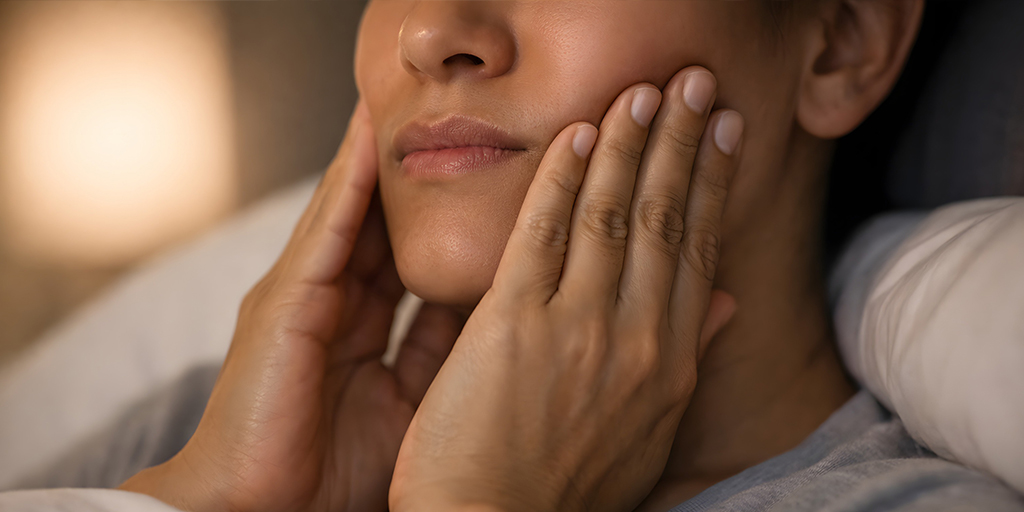
Bruxism at a Glance:
- What it is: Involuntary grinding or clenching of teeth during sleep, often without the person ever knowing it is happening.
- Signs to watch for: Jaw soreness on waking, frequent morning headaches, tooth sensitivity, worn or flattened teeth, and earaches with no ear-related cause.
- Who is most at risk: People under chronic stress, those with sleep apnea, individuals on certain antidepressants, and children going through developmental or emotional changes.
- Act on it: If you regularly wake up with jaw pain or headaches, or a partner has mentioned the sound of grinding at night, book a dental check. The damage accumulates silently, and it is far easier to manage early than to repair later.
The Habit You Do Not Know You Have
Most people who grind their teeth have no idea they do it. There is no pain in the moment, no alarm, no awareness. The grinding happens during sleep, sometimes for hours, and the only clues appear the next morning in the form of a dull ache in the jaw, a headache behind the eyes, or teeth that suddenly feel sensitive to something cold.
For many, the first indication comes from someone else. A partner kept awake by the sound. A dentist who identifies characteristic wear patterns during a routine check-up and raises the possibility of stress-related teeth grinding.
This is bruxism. It is more common than most people realise, more damaging than it appears, and entirely manageable when identified early. The challenge is that most people live with it for years before the signs are recognised and connected.
What is Bruxism?
Bruxism is the involuntary grinding, clenching, or gnashing of teeth. It occurs subconsciously and comes in two forms.
Sleep bruxism happens during the night, most commonly in the lighter stages of sleep. Because the person is asleep, there is no conscious awareness of the grinding, which means it often goes unchecked for years. Sleep bruxism is the more clinically significant of the two because the forces involved are considerably higher than what the jaw generates during normal chewing. During an episode, the jaw exerts force of up to 250 pounds on the teeth, a level of pressure the enamel and jaw joints are simply not designed to sustain repeatedly over time.
Awake bruxism occurs during waking hours and is usually tied to concentration, stress, or emotional tension. People may clench their jaw while working, driving, or in a difficult conversation. Because it happens consciously, it is generally easier to address through awareness and habit correction.
The rest of this blog focuses on sleep bruxism, where the damage runs deepest and the person is least equipped to stop it on their own.
Why Does it Happen? Causes and Triggers
Bruxism rarely has a single cause. It is usually the result of multiple overlapping factors, which is why effective management often requires looking beyond just the teeth. The most common contributors include:
Stress And Anxiety
Stress and anxiety sit at the top of the list. The jaw is one of the primary areas where the body holds tension. In people experiencing ongoing stress, that tension often persists during sleep, resulting in grinding. People with anxiety disorders, depression, or high-pressure work and personal lives are significantly more prone to bruxism.
Sleep Apnoea
There is a strong association between sleep apnoea and bruxism. Repeated interruptions in breathing trigger brief awakenings that help reopen the airway. These micro-arousals are closely linked to grinding episodes. Loud snoring or waking unrefreshed despite adequate sleep may point to an underlying sleep disorder.
Medications
Certain medications, especially SSRIs (such as fluoxetine, sertraline, and paroxetine), list bruxism as a known side effect. If symptoms begin after starting a new medication, this connection should be discussed with both your doctor and dentist.
Bite Misalignment Or Missing Teeth
Changes in how the upper and lower teeth meet can alter force distribution across the jaw. In response, the jaw may grind or clench in an attempt to find a more stable position.
Lifestyle Factors
Habits such as excessive caffeine intake, alcohol consumption, and tobacco use are associated with increased bruxism frequency. For instance, high caffeine intake, such as more than six cups of coffee daily, has been linked to a higher likelihood of teeth grinding.
Bruxism In Children
Teeth grinding is relatively common in children and is often linked to teething, transitions between milk and permanent teeth, airway concerns, or emotional stress. Most cases resolve naturally, but frequent grinding or visible tooth wear should be evaluated.
Tip: Stress is both the most common and the most modifiable trigger. While a night guard protects the teeth from damage, it does not address the underlying cause. Managing stress is therefore as important as any dental intervention.
How Do You Know if You Grind Your Teeth?
The challenge with sleep bruxism is that the person grinding is usually unaware of it. Most people discover it indirectly, either through a partner who hears the sound at night, or a dentist who identifies the signs during a routine check-up.
However, the body often provides subtle clues throughout the day. These signs are easy to overlook or attribute to other causes unless you know what to look for.
The following symptoms are worth paying attention to:
| Symptom | Why it Happens |
| Jaw soreness or stiffness on waking | Sustained muscle contraction through the night |
| Morning headaches, typically at the temples | Tension in the masseter and temporal muscles radiating upward |
| Tooth sensitivity to hot, cold, or sweet food | Enamel thinning exposing the sensitive dentine layer beneath |
| Earache with no ear infection | The jaw joint sits directly adjacent to the ear canal; grinding irritates it |
| Facial pain or tightness | Overworked chewing muscles retaining tension |
| Disrupted or unrefreshing sleep | Bruxism episodes briefly arouse the brain, fragmenting sleep cycles |
| A partner reporting grinding sounds | Often the most direct and reliable indicator |
Dentists often identify bruxism through flattened cusps, enamel wear facets, microfractures, and, in advanced cases, shortened teeth.
Good to Know: Tension headaches and earaches are two of the most frequently misattributed symptoms of bruxism. Many people treat them for months as separate problems without ever addressing the real source.
Read more-Screen Time and Headaches
What Happens if Bruxism Goes Untreated?
When left unaddressed, bruxism causes cumulative damage that worsens over time. Enamel, once lost, does not regenerate. Similarly, the jaw joint does not simply recover after repeated strain. Understanding these long-term effects is often what prompts people to seek treatment.
The damage typically follows a gradual progression:
- Early stage: Enamel begins to wear down, leading to increased tooth sensitivity.
- Intermediate stage: Biting surfaces flatten, and teeth may develop small chips or microfractures.
- Advanced stage: Cracks deepen, existing fillings fail, and overall tooth height reduces.
- Severe stage: Teeth may loosen, require extraction, and changes in bite alignment create further functional problems.
The impact extends beyond the teeth. Prolonged grinding places continuous stress on the temporomandibular joints (TMJ) – the hinges that connect the jaw to the skull. Over time, this can lead to TMJ disorder, which may present as:
- Jaw pain or stiffness
- Clicking or popping sounds during movement
- Difficulty chewing
- Reduced range of motion
Once established, TMJ disorders can be persistent and challenging to manage.
In addition, headaches often become more frequent and more entrenched as the muscles involved in grinding remain in a state of chronic overuse.
Good To Know: Bruxism-related damage develops gradually, not dramatically—which is precisely why it is often ignored. By the time symptoms become difficult to overlook, years of preventable wear may already have occurred.
Treatment: What Your Dentist Can Actually Do
Bruxism does not have a single cure, but it is very effectively managed, especially when treatment addresses both the dental consequences and the underlying triggers. Here is what a comprehensive approach looks like:
Night Guards and Occlusal Splints
A custom-fitted night guard, also called an occlusal splint, is the primary dental intervention for sleep bruxism. Worn over the upper or lower teeth during sleep, it creates a physical barrier that prevents the surfaces from making direct contact. This absorbs the force of grinding, protects the enamel, and reduces the strain on the jaw joints and muscles.
It is important to understand that a night guard manages the damage. It does not stop the grinding itself. Think of it as a helmet: it protects you from injury, but it does not change the conditions that make the injury possible. This is why the other components of treatment matter equally.
Custom guards made by a dentist fit precisely to your bite and offer better protection and comfort than over-the-counter versions from a pharmacy. If you are considering a night guard, a dentist-fitted one is worth the investment.
Addressing the Bite
If a misaligned bite or missing teeth are contributing to the grinding, correcting these through restorative dental work, orthodontics, or replacement of missing teeth removes the mechanical trigger. This is assessed on a case-by-case basis.
Stress and Anxiety Management
For the majority of bruxism patients, stress is at the root of the problem. Cognitive behavioural therapy, relaxation techniques, regular physical exercise, and where appropriate, medication for anxiety or depression, are all part of a complete treatment plan. A dentist may co-manage this aspect with a physician or mental health professional.
Treating Underlying Sleep Apnea
When sleep apnea is identified as a contributing factor, treating it often reduces bruxism episodes significantly. A CPAP machine or other sleep apnea intervention addresses the sleep disruptions that trigger grinding, rather than just managing its effects.
For Children
In most cases, bruxism in children is monitored rather than actively treated. The majority of children outgrow it as their teeth develop and stressors change. Treatment becomes relevant only if grinding is frequent enough to cause visible tooth damage or significant pain, at which point a paediatric dentist will guide the appropriate intervention.
Note: A night guard is an important protective tool, but it addresses the symptom, not the cause. The most durable outcomes come from identifying and managing what is driving the bruxism in the first place.
Read more-Sleep Disorders: Types, Causes, Symptoms & Treatment Options
When to See a Dentist
Some things warrant a dental visit sooner rather than later. See a dentist if any of the following apply to you:
- You wake up regularly with jaw pain, facial stiffness, or a headache that sits at the temples
- A partner has mentioned hearing grinding sounds while you sleep
- Your teeth have become noticeably sensitive to temperature or pressure
- You can see visible flattening or wear on your tooth surfaces
- You experience earaches or jaw clicking that have no other clear explanation
- You have been under prolonged stress and notice jaw clenching during the day
Early intervention matters because enamel does not grow back. A dentist can identify the extent of wear, assess whether a night guard is appropriate, and help build a plan that addresses both the dental damage and the underlying cause.
At Graphic Era Hospital’s Dental Care department in Dehradun, our team evaluates bruxism with a thorough clinical assessment and personalised treatment planning. Whether you are dealing with mild grinding or years of accumulated wear, the right place to start is a conversation with a dentist who has seen it before.
Your Teeth Are the Only Ones You Get
Bruxism is not a dramatic condition. It does not land you in an emergency room. It does not announce itself. It simply works quietly, night after night, wearing away something that cannot be replaced once it is gone.
The good news is that it responds well to treatment when caught early. A custom night guard, a stress management plan, and regular dental monitoring are often all that stands between teeth that last a lifetime and teeth that require expensive, repeated repair.
If you have been waking up with unexplained jaw pain or headaches, or someone has pointed out the sound of grinding in your sleep, do not file it under “things to look into eventually.” Book a dental appointment, simply call 1800 889 7351 (24×7). It is a small step with consequences that are anything but small.
Frequently Asked Questions
Is teeth grinding hereditary?
There is evidence of a genetic component to bruxism. Studies show that sleep bruxism runs in families, and people with a first-degree relative who grinds their teeth are more likely to develop the condition themselves. That said, genetics is one factor among several. Stress, sleep quality, and lifestyle play significant roles, all of which are modifiable regardless of family history.
Can children's teeth grinding cause long-term damage?
In most cases, no. Bruxism is common in children and typically resolves on its own as the jaw develops and baby teeth give way to permanent ones. The concern arises when grinding is severe enough to cause visible flattening of the teeth, pain, or disrupted sleep. If your child grinds their teeth frequently, a paediatric dental evaluation helps determine whether monitoring or intervention is appropriate.
Is a pharmacy night guard good enough, or do I need one from a dentist?
Over-the-counter night guards offer some protection, but they are not fitted to your specific bite. A poorly fitted guard can shift teeth position over time or even worsen jaw discomfort. A custom night guard made by a dentist is moulded precisely to your teeth and jaw, distributes force more evenly, and is far more comfortable for long-term nightly use. If you grind your teeth regularly, a dentist-fitted guard is the better investment.
My jaw clicks when I open my mouth wide. Is that related to teeth grinding?
It very likely is. Jaw clicking or popping, sometimes accompanied by mild pain or a feeling of the jaw catching, is a common sign of temporomandibular joint (TMJ) strain, which bruxism directly contributes to. The clicking itself is caused by the disc inside the joint shifting out of position under sustained pressure. It is worth having both the bruxism and the jaw symptoms evaluated together, since treating one without the other often produces incomplete results.
I have been prescribed an antidepressant and started grinding my teeth shortly after. What should I do?
This is a known and documented side effect of certain antidepressants, particularly SSRIs. Do not stop or change your medication without speaking to your prescribing doctor first. Raise the timing with both your doctor and your dentist. In many cases, a dosage adjustment, a switch to a different medication, or the addition of a night guard to manage the dental effects while continuing treatment is the path forward. The two concerns, your mental health and your dental health, are managed together, not in competition with each other.
















 Emergency 24×7 : 1800 889 7351