
10 Common Sports Injuries: Causes, Symptoms, Treatment and Prevention
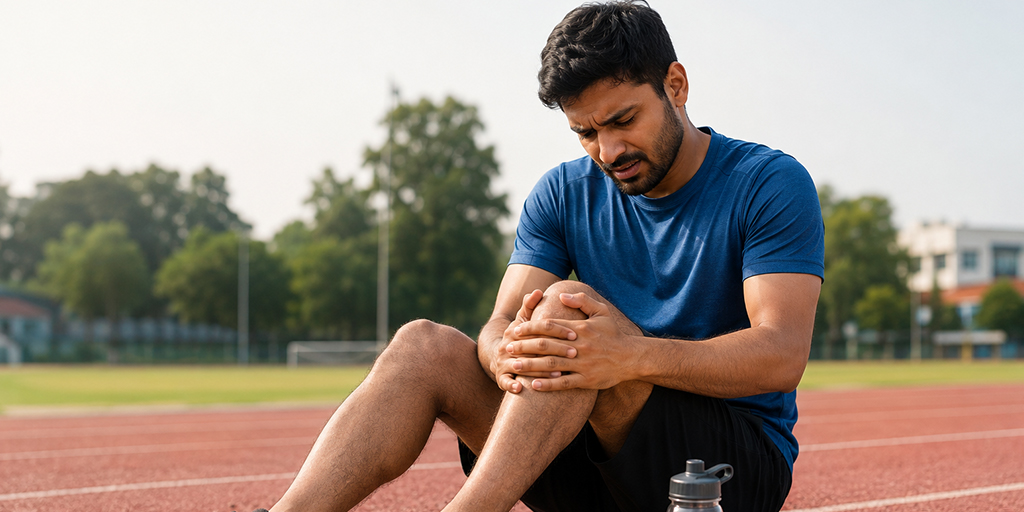
Sports and physical activity are important for fitness and overall health, but they can also place significant stress on muscles, joints, bones and connective tissues. A sudden fall, incorrect movement, direct impact or repeated strain can lead to a sports injury, whether someone is a professional athlete, a regular gym-goer or simply enjoys recreational exercise.
While some injuries, such as sprains and muscle strains, may improve with appropriate rest and care, others, including fractures, ligament tears and joint injuries, may require medical evaluation and rehabilitation. Recognising the symptoms early and understanding how an injury occurs can help prevent further damage and support safer recovery. In this blog, we’ll look at 10 common sports injuries, their causes and symptoms, available treatment options, and practical steps that may help reduce the risk of injury.
What are Sports Injuries?
Sports injuries affect the muscles, ligaments, tendons, joints or bones during exercise, training or sport. Some occur suddenly after a fall, twist or collision, while others develop gradually when repeated movements place more stress on tissues than they can recover from.
Based on how they develop, sports injuries are commonly grouped into two broad types:
Acute Sports Injuries
Acute sports injuries occur suddenly, usually during a specific movement or incident. A fall, awkward landing, sudden change in direction, collision or forceful twist may injure a muscle, ligament, joint or bone. An ankle sprain or ACL injury may develop in this way.
Pain, swelling, bruising or difficulty moving the affected area may appear soon after the injury. The severity varies depending on the tissue involved and the extent of damage.
Overuse Sports Injuries
Overuse sports injuries develop gradually when repeated activity places ongoing stress on muscles, tendons, bones or joints without enough time for recovery.
They are often associated with repetitive training, a sudden increase in activity, inadequate recovery or repeated technique-related stress. Conditions such as tennis elbow and shin splints commonly fall into this category. Symptoms may begin as mild discomfort during activity and become more persistent if the underlying stress continues.
Normal Muscle Soreness or a Sports Injury? How to Tell the Difference
Muscle soreness after a new or intense workout does not always mean an injury. Delayed-onset muscle soreness (DOMS) commonly develops after strenuous or unfamiliar exercise, particularly when muscles work harder than usual. It generally causes temporary aching, stiffness or tenderness that improves as the muscles recover.
A sports injury, on the other hand, may cause more localised or persistent symptoms and interfere with normal movement or activity. Some signs that suggest an injury rather than routine post-exercise soreness include:
- Sudden or sharp pain: Pain begins during a particular movement, fall, twist or impact rather than appearing as general soreness after exercise.
- Swelling or bruising: Visible swelling or bruising may indicate damage to a muscle, ligament, tendon or other tissue.
- Difficulty using the affected area: Walking, bearing weight, lifting an arm or moving a joint becomes painful or difficult.
- Pain that worsens or persists: Discomfort does not gradually settle with recovery or becomes more noticeable during or after activity.
- Instability or reduced movement: A joint may feel weak, unstable or unusually stiff after an injury.
Severe pain, significant swelling, inability to move or bear weight, or a visible change in the shape of the injured area warrants prompt medical assessment.
10 Common Sports Injuries: Causes, Symptoms and Treatment
Sports injuries differ in the tissues they affect and the way they develop. While some follow a sudden twist, fall or forceful movement, others result from repetitive stress over time. Given below are the eight common injuries seen in people involved in sports and regular physical activity.
1. Ankle Sprain
An ankle sprain occurs when the ligaments supporting the ankle stretch or tear. It commonly happens when the foot rolls or twists beyond its normal range, particularly during running, jumping or a sudden change in direction.
Common Causes
An ankle sprain may occur due to:
- Awkward landing: Landing incorrectly after a jump may cause the ankle to roll.
- Sudden twisting: Quick turns or changes in direction may overstretch the ankle ligaments.
- Uneven surfaces: Running or playing on an uneven surface may increase the chance of losing balance and twisting the ankle.
Symptoms
Common symptoms include pain, swelling, tenderness and bruising around the ankle. More significant sprains may also make walking or bearing weight difficult and cause a feeling of instability.
Treatment
Treatment depends on the severity of the sprain. Mild injuries often improve with protection from further strain, rest and gradual rehabilitation. Moderate sprains may require bracing, while physiotherapy helps restore movement, strength and ankle stability. Severe ligament damage or persistent instability requires orthopaedic evaluation to determine whether further treatment is necessary.
2. ACL Injury
The anterior cruciate ligament (ACL) is one of the major ligaments that stabilise the knee. An ACL injury may involve a sprain or tear and commonly occurs during sports that involve rapid turning, jumping or sudden changes in speed and direction. ACL injuries may occur on their own or alongside damage to other structures in the knee, including the meniscus.
Common Causes
ACL injuries commonly result from:
- Sudden changes in direction: Pivoting while the foot remains planted places considerable stress on the knee.
- Abrupt stopping or slowing down: Rapid deceleration may strain the ligament.
- Incorrect landing: Landing awkwardly after a jump may cause the knee to twist or buckle.
- Direct impact: A collision or blow to the knee may also damage the ACL.
Symptoms
An ACL injury may cause sudden knee pain and swelling, reduced range of movement and difficulty walking. Some people notice a popping sensation at the time of injury or experience knee instability afterwards.
Treatment
Treatment depends on the extent of ligament damage, knee stability and the level of activity a person hopes to return to. Rehabilitation and physiotherapy may help restore strength and function in selected injuries. ACL reconstruction may be considered when significant instability persists or when returning to sports involving frequent pivoting and sudden direction changes is a priority.
3. Meniscus Tear
The meniscus is a C-shaped piece of cartilage that acts as a cushion between the thigh bone and shin bone in the knee. A meniscus tear commonly occurs when the knee twists or rotates forcefully while the foot remains planted. It may occur on its own or alongside other knee injuries, including an ACL tear.
Common Causes
A meniscus tear may occur due to:
- Sudden twisting or pivoting: Rapid changes in direction while the foot remains planted may place excessive force on the meniscus.
- Deep squatting or forceful rotation: Movements that combine knee bending with rotation may increase strain on the cartilage.
- Sports-related contact: A direct impact or collision may contribute to a meniscus injury, particularly when the knee twists at the same time.
Symptoms
Pain, swelling and stiffness commonly develop after a meniscus tear. Some people may also notice a catching or locking sensation in the knee, difficulty fully straightening it, or a feeling that the knee is giving way.
Treatment
Treatment depends on the location and extent of the tear, symptoms and activity requirements. Smaller or stable tears may improve with activity modification and physiotherapy aimed at restoring movement and strength. Persistent locking, significant pain or certain larger tears may require arthroscopic surgery to repair or treat the damaged meniscus.
4. Hamstring Strain
A hamstring strain affects one or more muscles at the back of the thigh. It occurs when these muscles stretch beyond their capacity or tear, often during activities involving sprinting, sudden acceleration or explosive leg movements.
Common Causes
Factors associated with hamstring strains include:
- Sudden acceleration or sprinting: Explosive movements place substantial force on the hamstring muscles.
- Muscle fatigue: Tired muscles may become more vulnerable to strain.
- Muscle imbalance: Differences in strength between the hamstrings and other thigh muscles may contribute to injury.
- Previous hamstring injury: Returning to activity before adequate recovery may increase the risk of another strain.
Symptoms
A hamstring strain often causes sudden pain at the back of the thigh. Tenderness, swelling, bruising and difficulty walking or bending the leg may occur depending on the severity of the injury.
Treatment
Mild strains generally improve with temporary activity restriction followed by gradual movement and rehabilitation. Physiotherapy focuses on restoring flexibility and strength before a safe return to sport. More severe tears require medical assessment, particularly when there is significant bruising, weakness or difficulty walking.
5. Groin Strain
A groin strain, also called an adductor strain, occurs when one or more muscles along the inner thigh stretch excessively or tear. These muscles help bring the legs towards the centre of the body and provide stability during running, kicking and rapid changes in direction.
Common Causes
Groin strains commonly result from:
- Sudden changes in direction: Cutting or turning quickly may overstretch the inner-thigh muscles.
- Forceful kicking: Sports such as football and cricket may place sudden stress on the adductor muscles.
- Rapid acceleration: Sprinting or pushing off suddenly may strain muscles that are not adequately conditioned.
- Insufficient recovery: Returning to sport before a previous groin injury has fully recovered may increase the risk of recurrence.
Symptoms
A groin strain may cause sudden pain along the inner thigh or groin, particularly during running, kicking or bringing the legs together. Tenderness, swelling, bruising or weakness may develop depending on the severity of the strain.
Treatment
Mild groin strains usually improve with temporary activity modification followed by progressive rehabilitation. Physiotherapy may include flexibility, strengthening and gradual sport-specific exercises. More severe tears or persistent groin pain require medical assessment, particularly when symptoms interfere with walking, running or normal hip movement.
6. Tennis Elbow
Tennis elbow, medically known as lateral epicondylitis, develops when repeated stress damages the tendons attached to the outer part of the elbow. Despite its name, it is not limited to tennis players. Repetitive gripping and wrist movements during sports, exercise or other activities may contribute to the condition.
Common Causes
Tennis elbow is commonly associated with:
- Repeated gripping: Frequent gripping of a racket, sports equipment or other objects places stress on the forearm tendons.
- Repetitive wrist movement: Repeated extension of the wrist may gradually overload these tendons.
- Poor technique or excessive activity: Repeated movements without adequate conditioning or recovery may contribute to tendon injury.
Symptoms
Pain or burning along the outer elbow is typical and may become more noticeable while gripping, lifting or moving the wrist. Grip strength may also decrease as the condition progresses.
Treatment
Most cases are managed without surgery. Reducing aggravating activities, using an appropriate brace in selected cases and following a structured physiotherapy programme may help the tendon recover and improve forearm strength. Surgery is generally considered only when persistent symptoms fail to improve with appropriate non-surgical treatment.
7. Rotator Cuff Injury
The rotator cuff consists of muscles and tendons that help stabilise the shoulder and support lifting and rotation of the arm. Sports involving repeated overhead movement, such as badminton, swimming, tennis or throwing sports, may irritate or damage these tendons. Injuries range from tendon irritation to partial or complete tears.
Common Causes
Rotator cuff injuries may develop due to:
- Repeated overhead movement: Frequent throwing, serving or lifting may place repeated stress on the shoulder.
- Sudden force: A fall or forceful shoulder movement may cause an acute tear.
- Progressive tendon wear: Repeated stress over time may gradually weaken the tendon.
Symptoms
Shoulder pain may occur while lifting or rotating the arm and may become noticeable during overhead activity or at night. Weakness and reduced shoulder movement may develop when tendon damage becomes more significant.
Treatment
Many rotator cuff injuries improve with activity modification and physiotherapy aimed at restoring shoulder movement and strength. Treatment varies according to the type and extent of tendon damage. Surgery may be considered for selected tears, particularly when there is substantial weakness, functional loss or persistent symptoms despite non-surgical treatment.
8. Shin Splints
Shin splints, also known as medial tibial stress syndrome, cause pain along the inner edge of the shinbone. They commonly develop when running, jumping or other weight-bearing activity places repeated stress on the lower leg.
Common Causes
Shin splints often develop after:
- Sudden increases in training: Increasing running distance, frequency or intensity too quickly may overload the lower leg.
- Repetitive high-impact activity: Running and jumping repeatedly place stress on the muscles and tissues around the shinbone.
- Changes in training surface or routine: A new surface or a sudden change in exercise pattern may increase stress on the lower leg.
Symptoms
Pain and tenderness usually develop along the inner border of the shinbone. Discomfort may initially occur during or after exercise and become more persistent if activity continues without adequate recovery.
Treatment
Reducing high-impact activity allows the irritated tissues time to recover. A gradual return to exercise, along with stretching, strengthening and correction of contributing training factors, may help reduce recurrence. Persistent or very localised shin pain requires medical assessment because other conditions, including a stress fracture, may cause similar symptoms.
9. Achilles Tendon Injury
The Achilles tendon connects the calf muscles to the heel bone and plays an important role in walking, running and jumping. Sports that involve sudden acceleration, jumping or quick changes in direction may place considerable stress on this tendon. Injuries range from irritation and tendinopathy to a partial or complete tendon tear.
Common Causes
Achilles tendon injuries may occur due to:
- Sudden increase in activity: Rapidly increasing running, jumping or training intensity may overload the tendon.
- Explosive movements: Sprinting, pushing off or jumping may place sudden force on the Achilles tendon.
- Repeated stress: Ongoing high-impact activity without adequate recovery may gradually irritate the tendon.
Symptoms
Symptoms vary with the type and severity of the injury. Achilles tendinopathy commonly causes pain and stiffness around the back of the heel, while a rupture may cause sudden severe pain, swelling and difficulty pushing off the foot or walking normally.
Treatment
Treatment depends on whether the tendon is irritated, partially torn or completely ruptured. Activity modification, temporary immobilisation and physiotherapy may form part of non-surgical treatment. A complete rupture may require either structured non-surgical management or surgical repair depending on the injury, activity level and individual clinical factors. Rehabilitation is important for restoring strength and function before returning to sport.
10. Shoulder Dislocation
A shoulder dislocation occurs when the upper arm bone moves out of its normal position in the shoulder socket. The shoulder has a wide range of movement, which also makes it more vulnerable to instability during falls, collisions and forceful movements in sport.
Common Causes
Sports-related shoulder dislocations commonly result from:
- Falls: Landing on an outstretched arm or directly on the shoulder may force the joint out of position.
- Direct impact: Collisions in contact sports may dislocate the shoulder.
- Forceful overhead movement: Sudden or extreme movement of the arm may place enough stress on the joint to cause dislocation.
Symptoms
A dislocated shoulder usually causes severe pain and difficulty moving the arm. Swelling, bruising, weakness, numbness or a visibly altered shoulder shape may also occur.
Treatment
A shoulder dislocation requires prompt medical assessment. Treatment usually begins with reduction, a procedure in which a healthcare professional carefully restores the joint to its normal position. The arm may then be supported in a sling, followed by rehabilitation to restore movement, strength and stability. Recurrent dislocations or persistent shoulder instability may require further orthopaedic assessment and, in selected cases, surgery.
What to Do Immediately After a Sports Injury
The first response after a sports injury depends on its type and severity. Continuing to play through significant pain may place further stress on the injured area, so activity should stop until the extent of the injury becomes clearer.
For many minor sprains, strains and other acute soft-tissue injuries, the RICE method offers a simple approach to early care. RICE stands for Rest, Ice, Compression and Elevation.
- Rest: Stop the activity that caused or worsens the pain and avoid placing unnecessary stress on the injured area. Prolonged complete rest is not required for every injury, and gradual movement may form part of recovery once medically appropriate.
- Ice: Apply a cold pack wrapped in a cloth for short periods to help manage pain and swelling. Ice should not come into direct contact with the skin.
- Compression: A supportive elastic bandage may help control swelling in some sprains and strains. It should fit comfortably without restricting circulation.
- Elevation: Raising the injured arm or leg above heart level, where practical, may help reduce swelling during the early stage of recovery.
The RICE method is intended mainly for the initial management of minor soft-tissue injuries and does not replace medical assessment when a serious injury is suspected. Severe pain, visible deformity, significant swelling, numbness, inability to bear weight, or a suspected fracture or dislocation requires prompt medical attention.
When to See an Orthopaedic Specialist for a Sports Injury
Minor sports injuries may improve with appropriate initial care, but persistent pain or loss of function can indicate a more significant problem. An orthopaedic assessment helps identify the injured structure, determine the severity of damage and guide treatment before regular activity resumes.
Consider consulting an orthopaedic specialist when:
- Pain does not improve: Discomfort persists despite appropriate rest and initial care or returns whenever activity resumes.
- Movement remains restricted: The affected joint or limb cannot move through its usual range without pain or stiffness.
- A joint feels unstable: The knee, ankle, shoulder or another joint gives way, buckles or feels unreliable during movement.
- Swelling or bruising persists: Ongoing swelling or bruising may indicate more substantial soft-tissue or joint damage.
- Normal activity remains difficult: Walking, climbing stairs, lifting, running or other routine movements continue to be affected.
- The same injury keeps recurring: Repeated pain or injury in the same area may require assessment of strength, stability, training load or movement mechanics.
Early assessment becomes particularly important for suspected ligament tears, tendon injuries, meniscus damage or recurrent joint instability, where delaying appropriate treatment may prolong recovery.
Head Injury or Suspected Concussion
Sports injuries do not always involve muscles, bones or joints. A blow to the head, face or body may also cause a concussion, even without loss of consciousness. Symptoms may include headache, dizziness, confusion, nausea, blurred vision, balance problems or unusual behaviour.
If a concussion is suspected, play should stop immediately and the person should not return to sport on the same day. Medical assessment is important before returning to training or competition.
Seek Urgent Medical Care If:
Some injuries require immediate assessment rather than a routine orthopaedic appointment. Seek urgent medical care for:
- Visible deformity: A limb or joint appears out of position, suggesting a possible fracture or dislocation.
- Inability to bear weight or use the injured limb: Severe loss of function may indicate significant bone, ligament or joint damage.
- Numbness, marked weakness or loss of sensation: These symptoms may indicate nerve involvement.
- A pale, blue or unusually cold hand or foot: Changes in colour or temperature after an injury may indicate impaired blood flow.
- Severe or rapidly worsening pain or swelling: Increasing symptoms after an injury require prompt evaluation.
- Concussion danger signs: Worsening headache, repeated vomiting, seizures, increasing confusion, weakness or numbness, unequal pupils, loss of consciousness or difficulty waking require emergency medical attention.
Recognising the difference between an injury that needs routine specialist assessment and one that requires urgent care helps avoid delays when treatment is time-sensitive.
How Sports Injuries are Diagnosed
Accurate diagnosis helps identify the injured tissue, assess the extent of damage and guide the right treatment plan. An orthopaedic specialist usually begins by understanding how the injury occurred, when the symptoms started and which movements make them worse.
The evaluation may include:
- Physical examination: The specialist checks the injured area for swelling, tenderness, bruising, joint stability, strength and range of movement.
- X-rays: These help identify fractures, dislocations and other changes involving the bones. They do not show most ligament, tendon or muscle injuries clearly.
- MRI scans: MRI provides detailed images of soft tissues and may help diagnose ligament, tendon, muscle, cartilage and meniscus injuries. For example, MRI is commonly used to evaluate injuries such as an ACL or meniscus tear.
- Ultrasound: In selected injuries, ultrasound helps assess tendons, muscles and other soft tissues, particularly when the injured structure lies close to the skin.
- CT scans: CT may be recommended when more detailed assessment of a complex bone or joint injury is required or when an injury is not clearly visible on initial X-rays.
Not every sports injury requires imaging. The specialist selects investigations according to the symptoms, examination findings and suspected injury rather than using the same tests for every patient.
Sports Injury Recovery and Rehabilitation: The PEACE & LOVE Approach
Recovery from a sports injury continues after the initial pain and swelling begin to settle. For soft-tissue injuries, the PEACE & LOVE framework reflects a broader rehabilitation approach that moves from early protection towards gradual loading, movement and exercise. It was proposed in the British Journal of Sports Medicine to address both the immediate and subsequent stages of recovery.
PEACE focuses on the early phase after injury, while LOVE guides the rehabilitation phase:
- Protection: Limit movements and activities that aggravate the injured area during the first few days.
- Elevation: Raise the injured limb where appropriate to help manage swelling.
- Avoid unnecessary anti-inflammatory measures: The framework advises caution with routine anti-inflammatory use because inflammation forms part of tissue healing. Medication decisions should follow medical advice rather than a blanket rule.
- Compression: Appropriate compression may help manage swelling in selected soft-tissue injuries.
- Education: Understanding the injury, expected recovery and appropriate activity helps avoid unnecessary prolonged rest or overtreatment.
- Load: Gradually increasing the amount of stress placed on the injured area helps rebuild its ability to tolerate activity. Loading should remain within what the healing tissue can safely manage.
- Optimism: Confidence and realistic expectations about recovery form part of the framework because psychological factors may influence rehabilitation.
- Vascularisation: Pain-free aerobic activity may be introduced when appropriate to support movement and physical conditioning.
- Exercise: Progressive exercises help restore mobility, strength, balance and control as recovery advances.
Rehabilitation and Safe Return to Sport
The LOVE phase naturally progresses into structured sports rehabilitation. Improvement in pain alone does not mean the injured muscles, ligaments, tendons or joints are ready for full sporting activity.
Depending on the injury, rehabilitation may focus on:
- Restoring mobility: Exercises help recover flexibility and range of motion around the injured area.
- Rebuilding strength: Progressive strengthening prepares muscles and joints for greater physical demands.
- Improving balance and stability: This becomes particularly important after knee and ankle injuries.
- Regaining movement control: Rehabilitation may address coordination, landing mechanics and sport-specific movement patterns.
- Introducing sport-specific training: Running, jumping, changing direction, throwing or overhead movements are gradually reintroduced according to the sport and stage of recovery.
- Assessing readiness to return: Strength, stability, movement quality and the ability to perform relevant sporting movements without significant symptoms help guide the return-to-sport decision.
A safe return to sport depends on functional recovery rather than pain relief alone. Recovery timelines differ according to the injury and its severity, so rehabilitation milestones and clinical assessment provide a more useful guide than a fixed number of days or weeks.
How to Prevent Common Sports Injuries
Not every sports injury is preventable, particularly those caused by an unexpected fall or collision. Many overuse injuries and training-related strains, however, are linked to factors such as sudden increases in activity, inadequate conditioning, poor technique or insufficient recovery. A balanced training routine helps reduce unnecessary stress on muscles and joints.
Some practical measures include:
- Warm up before activity: Light aerobic movement followed by sport-specific preparation helps the body transition into more demanding exercise.
- Increase training gradually: Sudden jumps in distance, intensity or frequency may overload muscles, tendons and bones.
- Build strength and flexibility: Conditioning the muscles that support frequently used joints helps improve control and tolerance to physical activity.
- Use proper technique: Correct running, jumping, lifting and sport-specific movement patterns help limit unnecessary strain.
- Wear suitable footwear and protective equipment: Shoes and protective gear should match the sport, playing surface and level of activity.
- Include recovery time: Rest days and lighter training sessions give tissues time to recover from repeated physical stress.
- Vary physical activity: Cross-training reduces repeated stress on the same muscle groups and joints while maintaining overall fitness.
- Avoid training through persistent pain: Continuing activity when an area remains painful may aggravate an existing injury and delay recovery.
Injury prevention depends on consistency rather than a single precaution. Appropriate conditioning, gradual progression and adequate recovery together help support safer participation in sport and exercise.
Why Choose Graphic Era Hospital for Sports Injury Treatment?
Sports injuries often require coordinated care from diagnosis through rehabilitation. At Graphic Era Hospital, Dehradun, our Orthopaedics and Sports Medicine team manages ligament, tendon, cartilage, muscle and joint injuries using non-surgical treatment, minimally invasive procedures and structured rehabilitation according to the nature and severity of the injury.
Here’s why Graphic Era Hospital is a trusted choice for sports injuries and other orthopaedic conditions in Dehradun:
Experienced Sports Medicine and Arthroscopy Team
Our specialists manage sports-related injuries involving the knee, shoulder, hip and other joints, with expertise in arthroscopic surgery, ligament reconstruction, meniscus repair, cartilage restoration and joint-preservation procedures. Arthroscopy uses small incisions and specialised instruments to assess and treat selected joint injuries while limiting disruption to surrounding tissues.
Non-Surgical and Orthobiologic Treatment Options
Not every sports injury requires surgery. Depending on the condition, treatment may include activity modification, physiotherapy, bracing and other non-surgical measures. PRP and other orthobiologic therapies are also available for selected orthopaedic and sports-related conditions. Their suitability depends on the injured tissue and clinical findings, as evidence and expected benefit vary between conditions.
Gait and Posture Evaluation
Repeated injuries or persistent pain may sometimes be linked to the way the body moves during walking or physical activity. Gait and posture evaluation helps identify biomechanical factors that may place excess stress on the knee, hip, ankle or other joints. These findings can guide movement correction, rehabilitation and strategies aimed at reducing recurrent strain.
Sports Physiotherapy and Return-to-Activity Rehabilitation
Recovery continues after the initial injury or procedure. Our physiotherapy and rehabilitation team provides structured programmes to restore strength, flexibility, balance and movement control, with orthopaedic specialists and physiotherapists working together throughout recovery. Rehabilitation may also include strength and conditioning, post-operative rehabilitation and progressive preparation for a safe return to sport or regular activity.
This coordinated approach helps address not only the injury itself, but also the functional demands involved in returning safely to everyday activity or sport.
Conclusion
Sports injuries range from minor sprains and muscle strains to ligament, tendon and joint injuries that may affect mobility and sports activity. Recognising symptoms early, following appropriate initial care and completing rehabilitation before returning to sport help support recovery and reduce the risk of re-injury. Preventive measures such as gradual training progression, proper technique, strength conditioning and adequate recovery also play an important role in staying active safely.
At Graphic Era Hospital, Dehradun, our Orthopaedics and Sports Medicine team provides diagnosis, treatment and rehabilitation support for acute and overuse sports injuries, with care tailored to the injury and individual recovery goals. To book a consultation at Graphic Era Hospital, call 1800-889-7351.
Frequently Asked Questions
What is the RICE method, and is it still recommended for acute injuries?
RICE stands for Rest, Ice, Compression and Elevation. The American Academy of Orthopaedic Surgeons continues to recommend it as an initial approach for many minor acute sprains and strains. Current sports-medicine guidance also cautions against prolonged complete rest, as gradual movement and loading form an important part of recovery once it is safe to begin.
Should I use ice or heat for a sports injury?
Ice is generally more appropriate soon after an acute injury when pain and swelling are present. It should be wrapped in a cloth rather than applied directly to the skin. Heat may be more useful after the initial swelling settles, particularly for stiffness or muscle tightness, and is generally avoided during the first 24 to 48 hours of a newly swollen injury.
How can I tell if an injury is just a strain or sprain or a fracture?
Pain, swelling and bruising occur with both soft-tissue injuries and fractures, so it is not always possible to distinguish them based on symptoms alone. Visible deformity, marked tenderness over a bone or difficulty using or bearing weight on the injured limb may raise concern for a fracture. A clinical examination and, where indicated, an X-ray help confirm the diagnosis.
When is a sports injury considered a medical emergency?
Urgent medical care is required when an injury causes a visibly deformed limb or joint, an open wound with exposed bone, severe or rapidly worsening pain, persistent numbness, or a pale, cold or blue hand or foot. These signs may indicate a fracture, nerve injury or impaired blood flow and require prompt assessment.
What type of doctor should I see for a sports injury?
An orthopaedic specialist or sports medicine specialist can assess injuries involving muscles, bones, ligaments, tendons and joints. Physiotherapists also play an important role in rehabilitation, strength restoration and a gradual return to activity. More severe injuries may require emergency assessment before specialist follow-up.
Do I need an X-ray or MRI for a joint injury?
Not every joint injury requires imaging. X-rays are commonly used when a fracture or dislocation is suspected, while MRI provides greater detail of soft tissues such as ligaments, tendons, cartilage and muscles. The specialist selects imaging according to the examination findings and suspected injury rather than routinely ordering both tests.
How long should I wait before seeing a doctor for persistent joint pain?
There is no single waiting period that applies to every injury. Severe or worsening pain, marked swelling, instability, restricted movement or difficulty bearing weight warrants earlier medical assessment. Mild symptoms that fail to improve with appropriate initial care or repeatedly return during activity also deserve evaluation.
How long does it take for a sports injury to fully heal?
Recovery varies considerably according to the injured tissue and severity of damage. A minor sprain or strain may recover much sooner than a significant ligament tear, tendon injury or fracture. Return to activity is therefore better guided by recovery of movement, strength and function than by a fixed number of days or weeks.
Can I exercise or work out with a sports injury?
It depends on the injury and stage of recovery. Activities that reproduce or worsen pain usually require modification, while suitable pain-free exercise may sometimes continue without stressing the injured area. Modern rehabilitation increasingly favours appropriate progressive movement rather than prolonged complete rest.
What are the most effective ways to treat chronic overuse injuries?
Management usually begins by reducing the repetitive activity responsible for the problem and identifying factors such as sudden training increases or poor movement patterns. Physiotherapy, strengthening, flexibility work and a gradual return to activity may form part of treatment depending on the injury.
Is physical therapy necessary for sports injury recovery?
Not every minor sports injury requires formal physiotherapy, but it becomes particularly useful when an injury affects strength, movement, balance or joint stability. A structured rehabilitation programme may also help prepare the injured area for progressively greater activity and reduce the likelihood of returning to sport before adequate recovery.
How can I safely return to sports after an injury without re-injuring myself?
Return to sport should progress gradually rather than begin as soon as pain settles. For joint injuries, factors such as absence of pain and swelling, full range of movement and restored strength help determine readiness. Sport-specific drills and progressively higher training loads may follow before unrestricted participation resumes.
What are the best ways to prevent common sports injuries during training?
A proper warm-up, gradual increases in training intensity, adequate strength and conditioning, correct technique, suitable equipment and enough recovery between sessions all help reduce avoidable injury risk. Structured neuromuscular warm-up programmes that combine strengthening, balance, agility and landing exercises have also shown injury-prevention benefits in sporting populations.
Does stretching before exercise actually prevent sports injuries?
Stretching alone does not consistently prevent all sports injuries. Research has found limited evidence that pre-exercise stretching by itself reduces overall injury risk, although it may have a role for certain muscle injuries. A better approach is to warm up first and combine appropriate flexibility work with strength, balance and sport-specific movement preparation.
Which hospital offers the best sports injury treatment near me in Dehradun?
At Graphic Era Hospital, Dehradun, we provide comprehensive care for sports-related injuries through our Orthopaedics and Arthroscopy & Sports Medicine services. Our team evaluates and treats ligament injuries, muscle strains, fractures, rotator cuff injuries and other musculoskeletal problems using appropriate imaging, non-surgical treatment, minimally invasive procedures where required, and structured rehabilitation support. We focus on helping patients recover safely and return to activity with a treatment plan suited to the injury and individual recovery needs. To book a consultation at Graphic Era Hospital, call 1800-889-7351.







 Emergency 24×7 : 1800 889 7351