
World Lung Cancer Day 2026: Early Symptoms, Risk Factors, and How Screening Can Save Lives
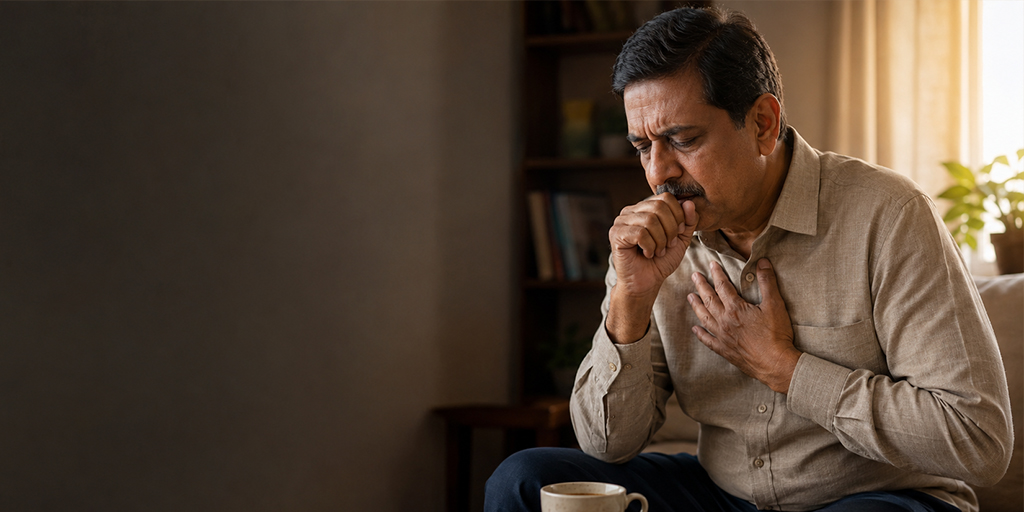
Lung cancer does not always begin with obvious warning signs. Early symptoms may be mild, mistaken for a common respiratory problem, or ignored until the disease has progressed. It can also affect people who have never smoked, which makes it important to understand the full range of risk factors rather than relying on common assumptions.
The good news is that lung cancer found at an earlier stage is often easier to treat than cancer diagnosed after it has spread. Knowing which symptoms deserve medical attention and who may benefit from screening can therefore make a meaningful difference. On World Lung Cancer Day 2026, this blog looks at the early signs of lung cancer, the factors that may increase risk, and how timely screening can support earlier diagnosis and better treatment outcomes.
World Lung Cancer Day: Its History and Focus in 2026
World Lung Cancer Day is observed every year on 1 August. Established in 2012 by the Forum of International Respiratory Societies (FIRS), in collaboration with other health organisations, the day was created to draw global attention to the impact of lung cancer and strengthen efforts related to prevention, research, diagnosis, treatment, and patient support.
Each year, oncologists, pulmonologists, researchers, healthcare organisations, and patient advocates use public campaigns, clinical discussions, and digital outreach to challenge misconceptions, reduce the stigma associated with lung cancer, and call for more timely and equitable access to care.
As of July 2026, no single globally recognised theme has been announced for World Lung Cancer Day 2026. However, the broader mission remains clear: to improve awareness, identify people at a higher risk, reduce delays in diagnosis, and ensure that advances in lung cancer care reach more patients.
This is particularly important in India, where most people with lung cancer are diagnosed after the disease has already progressed. National cancer registry data show that around four in five patients had cancer that had spread locally or to distant parts of the body by the time they sought care. Strengthening timely diagnosis and developing practical, risk-based screening approaches for India therefore remain key priorities this World Lung Cancer Day.
What is Lung Cancer?
Lung cancer develops when abnormal cells in the lungs begin to grow and multiply uncontrollably. These cells may form a tumour that interferes with normal lung function. Without treatment, cancer cells can spread to nearby tissues or other parts of the body through the blood or lymphatic system.
The Two Main Types of Lung Cancer
Lung cancer is broadly divided into two main types based on how the cancer cells look under a microscope and how they behave.
Non-small cell lung cancer (NSCLC): This is the more common type, accounting for around 85% of lung cancer cases. Its three main subtypes are:
- Adenocarcinoma: The most common subtype of lung cancer worldwide. It usually begins in the outer areas of the lungs and is also the most common type diagnosed in people who have never smoked.
- Squamous cell carcinoma: This type is closely linked to smoking and commonly develops in the central part of the lungs, near the main airways.
- Large cell carcinoma: This less common subtype can develop in any part of the lung and may grow and spread quickly.
Small cell lung cancer (SCLC): This type accounts for approximately 10% to 15% of lung cancer cases and is strongly linked to smoking. It generally grows faster and spreads earlier than non-small cell lung cancer, which means it is often diagnosed after it has already reached other parts of the body.
Identifying the exact type and subtype of lung cancer is important because it helps doctors determine how the disease should be staged, which treatments are most likely to work, and what the likely course of the condition may be.
What are the Early Signs and Symptoms of Lung Cancer?
When lung cancer causes symptoms, they can be easily mistaken for a chest infection or another respiratory condition. What matters most is whether a symptom is new, persists, gets worse, or occurs alongside other unexplained changes.
Signs and symptoms that should not be ignored include:
- Persistent or Worsening Cough: A cough that does not improve after three weeks, becomes more severe, or feels different from a long-standing cough should be medically evaluated. It may be dry or accompanied by mucus.
- Coughing Up Blood (Haemoptysis): Blood in the mucus, even if it appears as small streaks, should be checked by a doctor promptly. Coughing up larger amounts of blood, particularly with breathlessness or chest pain, requires urgent medical attention.
- Chest Pain: Lung cancer may cause a persistent ache or discomfort in the chest. The pain may become worse while breathing deeply, coughing, or laughing.
- Shortness of Breath: New or increasing breathlessness may occur if a tumour narrows an airway or fluid builds up around the lung. However, breathlessness has many possible causes and should be assessed rather than self-diagnosed.
- Hoarseness: An unexplained change in the voice that persists may occur when a tumour affects the nerve controlling the vocal cords.
- Unexplained Weight Loss or Loss of Appetite: Losing weight without trying or experiencing a noticeable reduction in appetite can be a sign that the body is affected by an underlying illness.
- Persistent Fatigue: Ongoing tiredness, weakness, or lack of energy that does not improve with adequate rest should not be overlooked, particularly when accompanied by other symptoms.
- Recurring Chest Infections: Bronchitis or pneumonia that repeatedly returns, affects the same area of the lung, or does not clear as expected may occasionally be linked to an obstruction in an airway.
Note: These symptoms do not necessarily mean that a person has lung cancer. They can also occur because of infections, asthma, chronic obstructive pulmonary disease, tuberculosis, and several other conditions. However, a persistent or worsening cough, coughing up blood, unexplained breathlessness, recurring chest infections, or a combination of symptoms should be evaluated by a doctor. Depending on the findings, the doctor may recommend a chest X-ray, CT scan, or other investigations.
Can Lung Cancer Develop Without Any Symptoms?
Yes. Lung cancer can develop without causing noticeable symptoms, especially during its early stages. A small tumour may not yet affect the airways, lungs, or nearby tissues, so a person may feel completely well and have no cough, chest pain, or breathlessness.
Symptoms are more likely to appear as the tumour grows or begins affecting surrounding structures. However, this varies from person to person, and the absence of symptoms does not always mean that the lungs are healthy.
This is one reason people with a higher risk of lung cancer may be advised to discuss screening with a doctor, even when they feel well. Screening eligibility and the role of low-dose CT scans are explained in the following section.
Anyone who already has symptoms such as a persistent cough, coughing up blood, unexplained breathlessness, or chest pain should seek medical evaluation rather than wait for a routine screening test.
What Causes Lung Cancer and Who is Most at Risk?
Lung cancer develops when damage to the DNA of lung cells causes them to grow and multiply uncontrollably. In many cases, this damage builds up over time after exposure to cancer-causing substances. However, it is not always possible to identify one specific cause, and lung cancer can also occur in people with no known risk factors.
People at higher risk include:
Current and Former Smokers: Smoking is the leading cause of lung cancer. The risk increases with the number of cigarettes smoked each day and the number of years a person has smoked. Quitting at any age lowers the risk, although it may remain higher than that of someone who has never smoked for several years.
People Exposed to Secondhand Smoke: Regularly breathing tobacco smoke at home, work, or in other enclosed spaces can increase lung cancer risk, even in people who do not smoke.
People Exposed to Air Pollution: Long-term exposure to outdoor air pollution and household smoke from burning wood, coal, or other solid fuels may increase the risk. Fine particles such as PM2.5 can travel deep into the lungs and cause damage over time.
People Exposed to Harmful Substances at Work: Repeated exposure to asbestos, silica dust, diesel exhaust, arsenic, chromium, nickel, and other cancer-causing substances can increase risk. This may affect people working in construction, mining, manufacturing, transport, and certain industrial settings.
People Exposed to Radon: Radon is a naturally occurring radioactive gas that can collect inside buildings. Long-term exposure can increase lung cancer risk, particularly among people who smoke.
People With Certain Lung Conditions: Chronic obstructive pulmonary disease, or COPD, and pulmonary fibrosis are associated with a higher risk of lung cancer.
People With a Family History of Lung Cancer: Having a parent, sibling, or child with lung cancer may increase risk because of inherited susceptibility, shared environmental exposures, or both.
Not everyone with these risk factors will develop lung cancer, and having no smoking history does not completely remove the risk. Understanding your personal risk can help you decide when to speak to a doctor and whether further evaluation or screening may be appropriate.
Can Lung Cancer Be Prevented?
Not every case of lung cancer can be prevented, but several steps can help reduce the risk.
Quit Smoking: Avoiding tobacco is the most effective way to lower lung cancer risk. If you smoke, quitting at any age can make a meaningful difference, and the risk continues to decrease over time.
Avoid Secondhand Smoke: Keep your home, car, and workplace smoke-free. Regular exposure to tobacco smoke can increase lung cancer risk, even in people who do not smoke.
Reduce Exposure to Air Pollution: Check the air-quality index, limit outdoor activity when pollution levels are high, and consider using a well-fitted N95 mask or an indoor air purifier when needed.
Follow Workplace Safety Measures: If your work involves asbestos, silica dust, diesel exhaust, or other harmful substances, use appropriate protective equipment and follow recommended safety guidelines.
Reduce Radon Exposure: Radon can build up inside buildings without being seen or smelled. Testing and reducing high indoor radon levels may help lower the risk where exposure is suspected.
Healthy eating, regular physical activity, and maintaining a healthy weight support overall well-being, but they cannot remove the risks linked to smoking or harmful environmental exposure.
How Lung Cancer Screening Helps Save Lives
Lung cancer is often easier to treat when it is found before it has spread. However, early-stage lung cancer may not cause noticeable symptoms, which means a person can feel completely well while the disease is developing.
Low-dose CT screening can detect small lung nodules or other suspicious changes that may not be visible on a standard chest X-ray. When lung cancer is identified at an earlier stage, patients may have access to more treatment options, including surgery or focused radiation therapy.
The National Lung Screening Trial found that low-dose CT screening reduced lung cancer deaths by about 20% compared with screening using chest X-rays among people at high risk.
Screening does not prevent lung cancer, and an abnormal scan does not automatically mean that cancer is present. Instead, it helps identify changes that may need monitoring or further investigation, giving doctors an opportunity to act without unnecessary delay.
Who Should Get Screened for Lung Cancer?
Lung cancer screening is intended for people who have a higher risk of developing the disease but do not currently have symptoms. The recommended screening test is a low-dose CT, or LDCT, scan, which is usually performed once a year.
Screening may be considered for people who:
- Are between 50 and 80 years old
- Have a smoking history of at least 20 pack-years
- Currently smoke or have smoked in the past
- Are healthy enough to undergo further testing and treatment if an abnormality is found
A pack-year is a way of measuring smoking exposure over time. Smoking one pack of cigarettes a day for 20 years or two packs a day for 10 years both equal 20 pack-years. One pack is generally counted as 20 cigarettes.
Exact screening criteria may vary between guidelines. Some recommend screening only for people who currently smoke or stopped within the past 15 years, while others do not use the number of years since quitting as a deciding factor. A doctor will therefore consider your age, smoking history, overall health, and ability to undergo treatment before recommending screening.
LDCT screening is not routinely recommended for everyone. In people at lower risk, it may lead to false-positive findings, unnecessary follow-up tests, anxiety, and avoidable radiation exposure.
People with other risk factors, such as COPD, pulmonary fibrosis, a strong family history of lung cancer, or long-term exposure to workplace carcinogens, may benefit from an individual risk assessment. However, these factors alone do not necessarily mean that screening is required.
Important: Screening is intended for people who do not have symptoms. Anyone experiencing a persistent cough, coughing up blood, unexplained breathlessness, chest pain, or other warning signs should consult a doctor for a diagnostic evaluation rather than wait for a screening test.
How is Lung Cancer Diagnosed?
Lung cancer diagnosis usually involves a combination of imaging tests and a biopsy. The tests recommended depend on a person’s symptoms, medical history, and the location and appearance of the suspected abnormality.
Chest X-Ray: A chest X-ray may be one of the first imaging tests recommended when symptoms such as a persistent cough, chest pain, or unexplained breathlessness raise concern about a lung condition. It can reveal a lung mass, collapsed area of the lung, or fluid around the lungs. However, small or early tumours may not always be visible, so a normal chest X-ray does not completely rule out lung cancer.
CT Scan: A chest CT scan provides more detailed images of the lungs than an X-ray. It can help doctors identify the size, location, and characteristics of a lung nodule or mass and assess nearby lymph nodes. Low-dose CT is mainly used to screen eligible high-risk individuals without symptoms, while a diagnostic CT is generally used to investigate symptoms or an abnormal finding. Graphic Era Hospital is equipped with a 128-slice CT scanner for detailed chest and oncology imaging.
PET-CT Scan: A PET-CT scan shows areas of increased metabolic activity in the body. It is generally used after lung cancer is suspected or confirmed to assess whether the disease has spread to nearby lymph nodes or other organs. It can also help doctors plan surgery or radiation therapy.
Biopsy: A biopsy is usually required to confirm whether an abnormal area is cancerous and identify the exact type of lung cancer. Depending on the tumour’s location, tissue may be collected through:
- Bronchoscopy, in which a thin flexible tube is passed into the airways
- Endobronchial ultrasound, or EBUS, to collect samples from nearby lymph nodes
- CT-guided needle biopsy for abnormalities closer to the outer part of the lung
- Surgical biopsy when other methods do not provide enough tissue
The collected tissue is examined under a microscope. In non-small cell lung cancer, biomarker or molecular testing may also be performed to look for gene changes or proteins that can help guide targeted therapy or immunotherapy.
What are the Stages of Lung Cancer?
Staging describes the size of the cancer, whether it has reached nearby lymph nodes, and whether it has spread to other parts of the body. It helps doctors select the most appropriate treatment and discuss the likely course of the disease.
Non-small cell lung cancer is usually staged using the TNM system, which evaluates the tumour, lymph nodes, and spread to distant organs. The findings are then grouped into stages I to IV.
| Stage | What It Means |
| Stage I | The cancer is confined to the lung and has not spread to the lymph nodes. |
| Stage II | The tumour may be larger, may have grown into nearby structures, or may have reached nearby lymph nodes on the same side of the chest. |
| Stage III | The cancer has spread more extensively within the chest, including to additional lymph nodes or nearby structures, but has not reached distant organs. |
| Stage IV | The cancer has spread to the other lung, fluid around the lungs or heart, or distant organs such as the brain, bones, liver, or adrenal glands. |
Stage descriptions are simplified here. Each stage has further subcategories, and the exact stage is determined using imaging, biopsy findings, and other tests.
Small cell lung cancer is commonly grouped into two stages because it tends to grow and spread earlier:
- Limited-stage SCLC: The cancer is confined to one side of the chest and may involve nearby lymph nodes.
- Extensive-stage SCLC: The cancer has spread beyond this area to the other lung or other parts of the body.
A person’s outlook cannot be determined by stage alone. The type and molecular features of the cancer, overall health, treatment options, and response to treatment also influence outcomes.
What Treatment Options are Available for Lung Cancer?
There is no single treatment plan for lung cancer. Doctors consider the type and stage of the cancer, whether it has spread, the patient’s overall health, and the results of biomarker tests before recommending treatment. Some people may need one treatment, while others may receive a combination.
Surgery
Surgery may be recommended when non-small cell lung cancer is found early and has not spread beyond the lung. Depending on the size and location of the tumour, the surgeon may remove a small part of the lung, one lobe, or, less commonly, the entire lung. Minimally invasive surgery may be possible in suitable cases.
Radiation Therapy
Radiation therapy uses high-energy beams to destroy cancer cells. It may be used when surgery is not possible, before or after surgery, alongside chemotherapy, or to relieve symptoms in advanced cancer. A highly focused form of radiation called SBRT may be used for some small, early-stage tumours.
Chemotherapy
Chemotherapy uses medicines that travel through the bloodstream to destroy cancer cells or slow their growth. It may be given before or after surgery, combined with radiation therapy, or used when the cancer has spread. It is also one of the main treatments for small cell lung cancer.
Targeted Therapy
Some non-small cell lung cancers have specific gene changes that help them grow. Targeted medicines act on these changes more precisely than standard chemotherapy. They are recommended only when biomarker testing identifies a suitable target.
Immunotherapy
Immunotherapy helps the body’s immune system recognise and attack cancer cells. It may be used alone or with chemotherapy and can be recommended at different stages of lung cancer. However, it is not suitable for every patient.
Supportive and Palliative Care
Supportive care can be given alongside cancer treatment at any stage. It helps manage symptoms such as pain, breathlessness, cough, tiredness, and treatment-related side effects, while supporting comfort and quality of life.
Good to Know: Biomarker testing is especially important in non-small cell lung cancer because it can help doctors decide whether targeted therapy or certain immunotherapies may work. The tests required depend on the type and stage of cancer.
When Should You See a Doctor for Possible Lung Cancer Symptoms?
Noticing a persistent cough, breathlessness, or chest discomfort can be worrying, but these symptoms do not automatically mean lung cancer. They are often caused by more common conditions such as infections, asthma, COPD, tuberculosis, or acid reflux. Even so, it is important not to ignore symptoms that persist, worsen, or feel unusual for you.
Consider speaking to a pulmonologist or general physician if you experience:
- A cough that lasts for more than three weeks or continues to worsen
- A noticeable change in a long-standing cough
- Blood in the sputum, even in small amounts
- Persistent or unexplained chest pain
- New or increasing shortness of breath
- Hoarseness that does not improve
- Unexplained weight loss or loss of appetite
- Chest infections that repeatedly return or do not clear as expected
A medical evaluation can help identify the cause and provide clarity. The doctor may ask about your symptoms, medical history, smoking history, and any workplace or environmental exposures. Depending on the findings, tests such as a chest X-ray, CT scan, bronchoscopy, or biopsy may be recommended. Imaging can show suspicious changes, while a biopsy is usually needed to confirm whether cancer is present.
Graphic Era Hospital’s Pulmonology Department offers chest X-rays, high-resolution CT imaging, bronchoscopy, endobronchial ultrasound, and other diagnostic services for respiratory conditions. The hospital’s 128-slice CT scanner is available 24×7 for emergency imaging.
To consult a pulmonologist or schedule an evaluation at Graphic Era Hospital, call 1800 889 7351.
World Lung Cancer Day 2026: The Key Message
Lung cancer remains the leading cause of cancer-related death worldwide, but timely action can change what happens next. Avoiding tobacco, reducing exposure to secondhand smoke and workplace carcinogens, and discussing screening when eligible can help lower risk or support earlier detection.
It is equally important to remember that lung cancer is not limited to people who smoke. Persistent respiratory symptoms should therefore not be ignored or repeatedly treated without identifying their cause. Screening can help detect the disease before symptoms appear in eligible high-risk individuals, while anyone who already has warning signs needs a medical evaluation rather than a routine screening test.
This World Lung Cancer Day, the message is simple: understand your risk, pay attention to lasting changes in your health, and seek medical advice early. A consultation does not confirm cancer, but it can provide clarity and ensure that any condition requiring treatment is identified without unnecessary delay.
Frequently Asked Questions
Can a non-smoker get lung cancer?
Yes. Although smoking is responsible for approximately 85% of lung cancer cases worldwide, the disease can also develop in people who have never smoked. Secondhand smoke, outdoor and household air pollution, radon, and workplace exposure to substances such as asbestos and diesel exhaust can all increase the risk.
How long can lung cancer go undetected?
There is no fixed timeframe. Some lung cancers may not cause noticeable symptoms in their early stages and may only be discovered during an imaging test performed for another reason. How quickly the disease grows varies depending on the type of lung cancer and the characteristics of the tumour. Low-dose CT screening can help detect lung cancer before symptoms develop in eligible high-risk individuals.
Does a persistent cough always mean lung cancer?
No. Persistent coughs are more commonly caused by infections, asthma, postnasal drip, acid reflux, COPD, or other respiratory conditions. However, a cough that lasts for more than three weeks, continues to worsen, or is accompanied by blood in the sputum, breathlessness, chest pain, or unexplained weight loss should be checked by a doctor.
Is lung cancer curable if detected early?
Some early-stage lung cancers can be treated with the aim of curing the disease, commonly through surgery or focused radiation therapy. The chances of successful treatment are generally higher when the cancer is confined to the lung and has not spread. However, the outcome also depends on the cancer type, tumour characteristics, overall health, and response to treatment.
Who qualifies for lung cancer screening in India?
India does not currently have an organised nationwide lung cancer screening programme or one universally applied eligibility standard. Doctors may refer to international guidelines when assessing risk.
Screening with an annual low-dose CT scan may be considered for people who:
- Are between 50 and 80 years old
- Have a smoking history of at least 20 pack-years
- Currently smoke or smoked in the past
- Are healthy enough to undergo further investigation and treatment if required
Some guidelines recommend screening only for people who currently smoke or quit within the past 15 years, while others no longer use the time since quitting as an eligibility criterion. People with COPD, pulmonary fibrosis, a strong family history, or significant workplace exposure should discuss their individual risk with a pulmonologist rather than assume that they automatically qualify for screening.
Where can I get lung cancer screening near me?
You can visit a hospital with pulmonology, radiology, and oncology services for a lung cancer risk assessment and low-dose CT screening, if appropriate. At Graphic Era Hospital, specialists can review your age, smoking history, symptoms, and other risk factors to determine whether screening or diagnostic testing is needed.















 Emergency 24×7 : 1800 889 7351