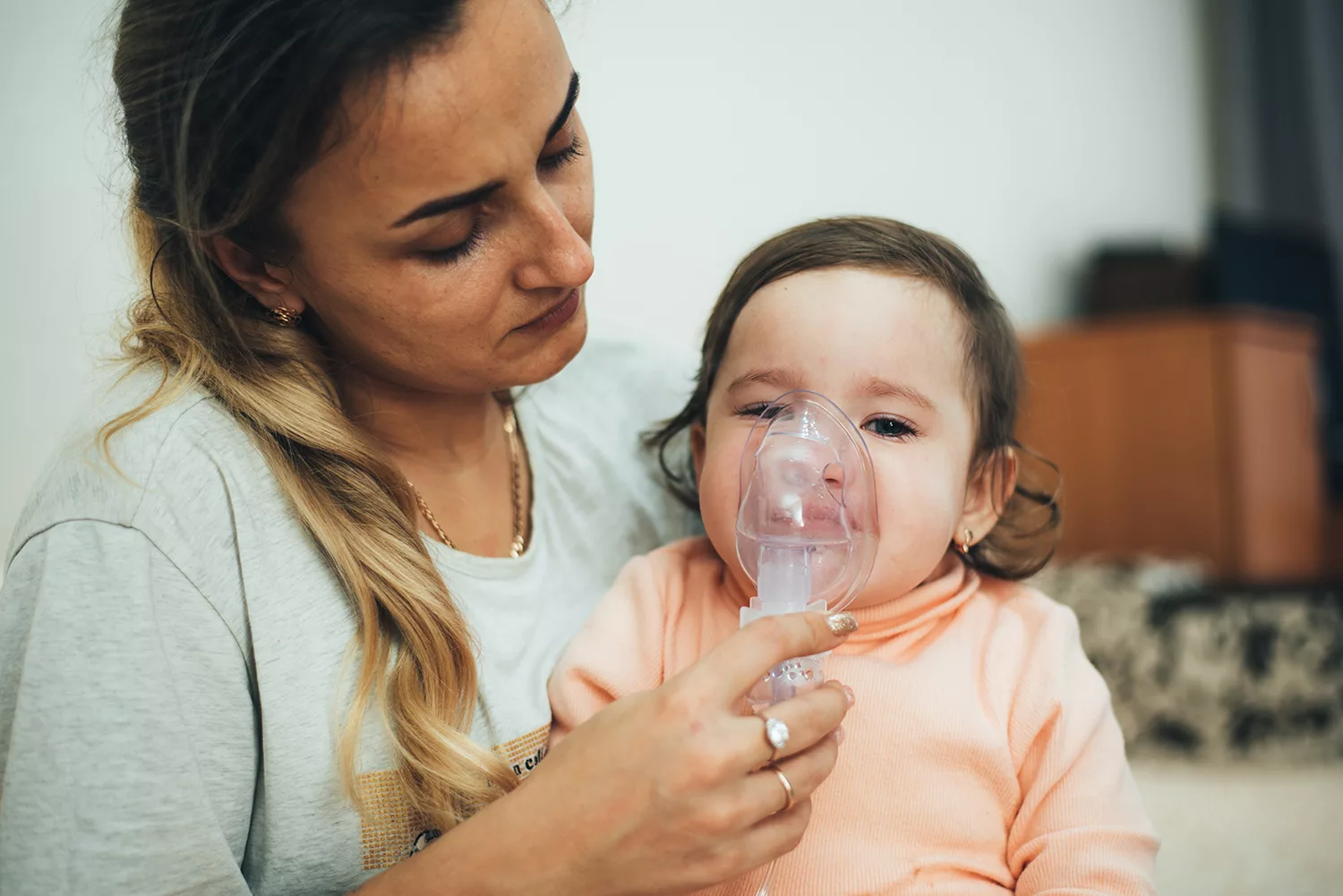
When a baby develops breathing difficulties due to bronchiolitis, many parents find themselves anxious and uncertain about what to do next. While the condition is often mild, some children, especially very young infants or those with underlying health conditions, may need careful medical monitoring and supportive care. At Graphic Era Hospital, Dehradun, we understand how worrying this situation can be for families, and are here to provide timely, attentive care. Our team of experienced paediatricians and neonatal specialists focuses on close monitoring, supportive treatment, and clear communication to help ensure each child’s safety and recovery.
When to Seek Tuberculosis Screening and Consultation?
Bronchiolitis is a common chest infection in infants and young children that affects the small airways of the lungs, known as bronchioles. It is usually caused by a viral infection, leading to inflammation, swelling, and mucus build-up in these airways, which makes breathing more difficult.

The condition most commonly affects babies under two years of age, particularly during the colder months. Bronchiolitis often begins with cold-like symptoms and may progress to breathing difficulties as the infection spreads to the lungs. While most cases are mild and improve with supportive care, some infants, especially very young babies or those with underlying health conditions, may require closer medical attention and monitoring.
What are the Causes and Risk Factors of Bronchiolitis?
Bronchiolitis is usually caused by a viral infection that affects the small airways of the lungs, leading to inflammation and breathing difficulties, particularly in infants and young children. While most cases are mild, certain factors can increase the risk of developing bronchiolitis or experiencing more severe illness.
Common causes and risk factors include:
- Viral infections: Respiratory syncytial virus (RSV) is the most common cause of bronchiolitis, though other viruses such as rhinovirus, influenza, and parainfluenza can also lead to the condition.
- Age: Bronchiolitis most commonly affects babies under two years of age, with infants under six months at higher risk of more severe symptoms.
- Premature birth: Babies born prematurely may have underdeveloped lungs and weaker immune systems, increasing susceptibility to bronchiolitis.
- Weakened immune system: Infants with reduced immunity, either due to illness or medical conditions, are more vulnerable to respiratory infections.
- Exposure to tobacco smoke: Passive exposure to cigarette smoke irritates the airways and increases the risk and severity of bronchiolitis.
- Crowded living conditions: Close contact in day-care settings or crowded households increases exposure to respiratory viruses.
- Underlying heart or lung conditions: Babies with congenital heart disease or chronic lung conditions are more likely to develop severe bronchiolitis.
- Lack of breastfeeding: Breastfed infants receive antibodies that help protect against infections, reducing the risk of severe respiratory illness.
What are the Symptoms of Bronchiolitis?
The symptoms of bronchiolitis usually begin like a common cold and may worsen over a few days as inflammation affects the small airways of the lungs. Recognising early symptoms is important, especially in infants and young children, as the condition can progress quickly.
Common Symptoms of Bronchiolitis
- Runny or blocked nose
- Mild cough that may gradually worsen
- Low-grade fever
- Fast or shallow breathing
- Wheezing or a whistling sound while breathing
- Difficulty breathing or shortness of breath
- Poor feeding or reduced appetite
- Increased tiredness, irritability, or difficulty sleeping
Severe Symptoms (Require Medical Attention)
- Pauses in breathing, particularly in very young infants
- Bluish colour of the lips, face, or fingertips
- Chest retractions, where the skin pulls in around the ribs or neck during breathing
- Extreme fatigue or difficulty staying awake
Early medical assessment helps ensure appropriate care and reduces the risk of complications, especially in babies under one year of age.
How Is Bronchiolitis Diagnosed at Graphic Era Hospital?
Accurate diagnosis plays an important role in assessing the severity of bronchiolitis and guiding appropriate care. At Graphic Era Hospital, our doctors conduct a comprehensive evaluation to confirm the condition and determine whether additional monitoring or treatment is required.
Diagnosis is usually based on a combination of the following:
- Medical history and symptom review: Discussion of the child’s symptoms, their progression, feeding patterns, breathing difficulties, and any recent exposure to respiratory infections.
- Physical examination: Assessment of breathing rate, chest movements, oxygen levels, and lung sounds to identify wheezing or signs of respiratory distress.
- Pulse oximetry (if required): A non-invasive test used to measure oxygen levels in the blood, helping assess the severity of breathing difficulty.
- Chest X-ray (in selected cases): Recommended only when complications or alternative diagnoses are suspected, such as pneumonia.
- Laboratory tests (if indicated): Viral testing or blood tests may be used in certain situations to identify the cause of infection or rule out other conditions.
Bronchiolitis Treatment Options Available at Graphic Era Hospital
Bronchiolitis is usually a self-limiting condition, and treatment focuses on relieving symptoms, supporting breathing, and preventing complications. At Graphic Era Hospital, care for bronchiolitis is guided by the child’s age, symptom severity, and overall health, with close monitoring and supportive management.
Treatment approaches include:
- Supportive care: Measures such as ensuring adequate hydration, maintaining clear airways, and keeping the child comfortable are central to recovery.
- Oxygen therapy (if required): Supplemental oxygen may be provided to children with low oxygen levels or significant breathing difficulty.
- Breathing support (in severe cases): Non-invasive respiratory support may be used when breathing becomes laboured or oxygen levels remain low.
- Fluid management: Intravenous or nasogastric fluids may be given if feeding is difficult due to breathing problems.
- Monitoring and observation: Close monitoring of breathing, oxygen levels, and feeding, especially in infants and high-risk children.
- Management of complications: Prompt treatment of secondary infections or worsening respiratory distress if they occur.
When Should You See a Doctor for Bronchiolitis?
Bronchiolitis often starts with mild cold-like symptoms and usually settles with supportive care. However, as it mainly affects infants and young children, timely medical attention is important if symptoms worsen or breathing becomes difficult.
You should seek medical care for bronchiolitis if your child:
- Is breathing rapidly, noisily, or with visible effort
- Has difficulty feeding or is taking much less milk or fluids than usual
- Appears unusually tired, irritable, or difficult to wake
- Develops a high fever or symptoms that continue to worsen
- Shows bluish colour around the lips, face, or fingertips
- Has pauses in breathing, especially in young infants
- Is younger than three months and shows signs of breathing difficulty
- Has an underlying heart, lung, or immune condition
Prompt medical assessment helps ensure appropriate care and reduces the risk of complications, particularly in very young babies and high-risk children.
Why Choose Graphic Era Hospital for Bronchiolitis Treatment in Dehradun?
When it comes to bronchiolitis care, parents and families trust Graphic Era Hospital. Here’s why.

Experienced Paediatric and Neonatal Specialists : At Graphic Era Hospital, bronchiolitis care is led by experienced paediatricians and neonatal specialists who are trained in managing respiratory infections in infants and young children. Their clinical experience helps ensure early recognition of disease severity and appropriate care tailored to each child’s condition.

Comprehensive Clinical Assessment and Supportive Management : Each child undergoes a careful clinical assessment to understand breathing effort, oxygen levels, feeding ability, and overall comfort. Treatment focuses on supportive management, such as oxygen therapy, hydration, and airway support, aimed at easing symptoms and preventing complications, rather than unnecessary medications.

Child-Centred Care and Continuous Monitoring : Care extends beyond immediate treatment to include ongoing observation, parental guidance, and clear communication throughout the recovery process. Special attention is given to high-risk infants, ensuring that care is adapted to the child’s age, medical history, and recovery needs.
Complications of Bronchiolitis
Tuberculosis can affect more than just the lungs, and early recognition of its forms and potential complications is key to timely intervention. At Graphic Era Hospital, our specialists are trained to identify and treat the full spectrum of TB presentations.
Bronchiolitis is usually a mild and self-limiting illness, but in some infants and young children it can lead to complications, particularly when symptoms are severe or underlying health conditions are present. These complications may affect breathing, feeding, and overall recovery.
Common complications include:
- Breathing difficulties: Severe inflammation of the airways can lead to significant breathing distress, requiring oxygen support or hospital care.
- Low oxygen levels: Reduced oxygen in the blood may occur in moderate to severe cases, especially in young infants.
- Dehydration: Poor feeding due to breathing difficulty can result in inadequate fluid intake.
- Apnoea: Pauses in breathing may occur, particularly in very young babies or premature infants.
- Secondary infections: In some cases, bronchiolitis may be complicated by infections such as pneumonia or ear infections.
- Hospitalisation: Severe symptoms may require admission for close monitoring and supportive treatment.
Infection Control and Prevention Guidance
While bronchiolitis cannot always be prevented, simple infection control measures can significantly reduce the spread of the viruses that cause it and help protect infants and young children. At Graphic Era Hospital, infection prevention is an important part of both hospital care and parent education.
Preventive and infection control measures include:
- Regular hand hygiene: Washing hands thoroughly before handling the child reduces the risk of transmitting respiratory viruses.
- Limiting exposure to unwell individuals: Keeping infants away from individuals with coughs, colds, or flu-like symptoms lowers infection risk.
- Avoiding tobacco smoke exposure: Smoke irritates the airways and increases the severity of respiratory infections.
- Maintaining a clean environment: Regular cleaning of toys, feeding equipment, and frequently touched surfaces helps prevent viral spread.
- Respiratory hygiene: Covering the mouth and nose while coughing or sneezing and safe disposal of tissues reduces transmission.
- Extra precautions for high-risk infants: Premature babies and those with underlying heart or lung conditions require closer protection, especially during peak infection seasons.
These measures, combined with clear guidance from the care team, help families reduce infection risk, support recovery, and protect their child’s respiratory health.
Top Bronchiolitis Treatments Available at Graphic Era Hospital
- Supportive respiratory care
- Oxygen therapy when required
- Hydration support for infants with feeding difficulty
- Non-invasive breathing support in severe cases
- Monitoring and management of complications
Blog
Understanding Bronchiolitis: A Complete Guide for Parents




Frequently Asked Questions
How long does bronchiolitis usually take to improve once symptoms peak?
In most children, bronchiolitis symptoms peak within a few days and then gradually improve over one to two weeks. A mild cough or noisy breathing may persist for a little longer, even after the child appears more comfortable.
Is it normal for coughing or wheezing to continue after breathing improves?
Yes. It is common for cough or mild wheezing to linger as the airways recover. As long as breathing effort, feeding, and activity levels are improving, this is usually part of normal recovery.
Can bronchiolitis occur again in the same child?
Yes. Bronchiolitis can recur, especially during viral seasons, as it is caused by common respiratory viruses. Subsequent episodes are often milder as the child’s airways grow and immunity improves.
Will bronchiolitis affect my child’s lungs or breathing in the long term?
Most children recover fully without long-term effects. Some infants may experience temporary wheezing with future colds, but this usually settles as the child grows. Long-term breathing problems are uncommon.
How can I tell if my baby is improving or getting worse at home?
Signs of improvement include easier breathing, better feeding, improved sleep, and increased alertness. Worsening symptoms may include faster or laboured breathing, poor feeding, unusual tiredness, or bluish discoloration around the lips, which require medical review.
When can my child safely return to day care or contact with other children?
Children can usually return once breathing has improved, feeding is back to normal, and they are otherwise well. Keeping the child at home until recovery also helps reduce the spread of infection.
Does bronchiolitis increase the risk of asthma later in life?
Some children may have wheezing episodes after bronchiolitis, especially in early childhood. However, bronchiolitis does not directly cause asthma, and most children do not develop long-term respiratory disease.
Are antibiotics ever needed for bronchiolitis?
Bronchiolitis is caused by viruses, so antibiotics are not routinely required. Antibiotics are only considered if there is evidence of a secondary bacterial infection.
How can feeding be managed safely during recovery?
Small, frequent feeds are often easier for infants who are recovering from bronchiolitis. Ensuring adequate hydration is important, and medical advice should be sought if feeding becomes difficult.
Where can I find specialised bronchiolitis care near me in Dehradun?
Graphic Era Hospital in Dehradun provides specialised care for bronchiolitis in infants and young children. The hospital is staffed by experienced paediatricians and neonatal specialists who focus on careful assessment, supportive treatment, and close monitoring to ensure safe recovery, while keeping parents informed and reassured throughout the child’s care.
 Emergency 24×7 : 1800 889 7351