
World Asthma Day 2026: Ensuring Access to Essential Inhalers for All
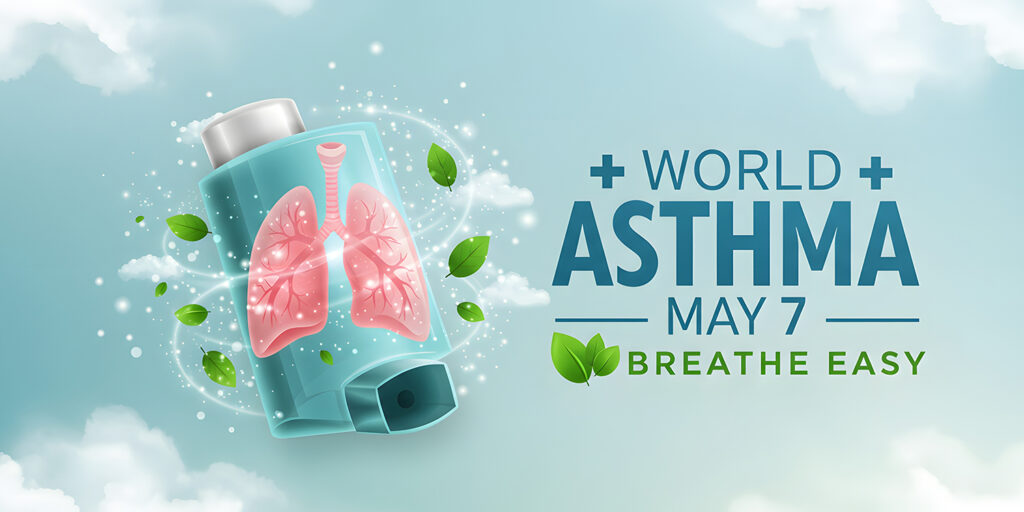
Asthma continues to affect millions of people worldwide, impacting daily life and, in severe cases, becoming life-threatening when not properly managed. As we observe World Asthma Day 2026, the theme “Access to anti-inflammatory inhalers for everyone with asthma – still an urgent need” brings attention to a critical gap in asthma care that persists across many parts of the world.
This year’s focus highlights that effective asthma management is not just about awareness, but about ensuring timely access to essential inhaled medications that control inflammation and prevent severe attacks. In this article, we explore the fundamentals of asthma, its long-term impact, and why improving access to the right treatment remains key to better outcomes and quality of life.
History of World Asthma Day
World Asthma Day is an annual event organised by the Global Initiative for Asthma (GINA) to raise awareness and improve care for asthma worldwide. The inaugural World Asthma Day took place in 1998, coinciding with the first World Asthma Meeting held in Barcelona, Spain. This initial event saw participation from over 35 countries, marking a significant step in global asthma awareness efforts. Since then, World Asthma Day has been observed on the first Tuesday of May each year, growing into one of the most important events dedicated to asthma education and awareness.
Theme for World Asthma Day 2026
The theme for World Asthma Day 2026, “Access to anti-inflammatory inhalers for everyone with asthma, still an urgent need,” highlights a persistent gap in asthma care that continues to affect millions globally. It brings attention to the fact that while effective treatments exist, they are not always accessible to those who need them most.
Anti-inflammatory inhalers, particularly inhaled corticosteroids, play a central role in controlling airway inflammation and preventing severe asthma attacks. However, barriers such as cost, limited availability, and lack of awareness often prevent patients from using these essential medications consistently.
The message is clear: access to the right inhaled treatment saves lives, early and regular use of preventer inhalers improves long-term outcomes, and closing the treatment gap is critical to effective asthma management worldwide.
This year’s theme calls on healthcare providers, policymakers, and communities to work towards making these life-saving treatments affordable, accessible, and widely understood, ensuring better care and improved quality of life for every person living with asthma.
What is Asthma?
Asthma is a long-term condition that affects the airways in the lungs. People with asthma have sensitive airways that can become inflamed and narrow, making it harder to breathe. This can lead to symptoms like coughing, wheezing, shortness of breath, and a feeling of tightness in the chest.
Asthma can affect both children and adults. In many cases, it can be managed well with the right treatment and lifestyle adjustments. However, when not controlled properly, it may cause frequent flare-ups and make daily activities more difficult.
The severity of asthma varies from person to person. Some people may only have mild symptoms occasionally, while others might need regular treatment to keep it under control. With the right support and awareness, most people with asthma can lead active, healthy lives.
What are the Common Symptoms of Asthma?
Asthma symptoms can vary from person to person, but there are a few common signs to look out for. These may appear daily or only during certain times, such as after exercise or during the night.
Typical asthma symptoms include:
- Wheezing – a whistling sound when breathing, especially on exhaling
- Shortness of breath – feeling like it’s difficult to catch your breath
- Coughing – often worse at night or early in the morning
- Chest tightness – a feeling of pressure or heaviness in the chest
- Difficulty sleeping – due to breathing problems at night
Some people may only notice symptoms occasionally, while others may experience them more frequently. It’s important to pay attention to any pattern in your symptoms, especially if they get worse with physical activity, exposure to allergens, or during cold weather.
What Triggers Asthma?
Asthma symptoms can worsen when a person is exposed to certain triggers. These triggers cause the airways to become inflamed and narrow, which can lead to coughing, wheezing, shortness of breath, or chest tightness. Not everyone reacts to the same triggers, so understanding what affects you personally is important for managing the condition.
Common triggers include:
- Allergens: These may include pollen from grass or trees, house dust mites, pet dander, mould spores, or droppings from cockroaches. They can be present both indoors and outdoors and may cause year-round or seasonal symptoms.
- Airborne irritants: Tobacco smoke, vehicle emissions, paint fumes, strong perfumes, or harsh cleaning products can irritate the lungs and trigger asthma symptoms.
- Respiratory infections: Colds, flu, and other viral infections are known to aggravate asthma, especially in children and older adults.
- Exercise: Physical activity, particularly in cold or dry air, can lead to symptoms during or after exercise. This is sometimes referred to as exercise-induced asthma.
- Weather changes: Sudden drops in temperature, cold winds, humid conditions, or changes in air pressure can act as triggers.
- Emotions and stress: Strong feelings such as anxiety, laughter, or stress can cause breathing patterns to change, leading to asthma flare-ups in some individuals.
- Medications: Some people may react to medicines like aspirin, ibuprofen, or certain beta-blockers, which can make asthma symptoms worse.
- Food additives and allergies: Sulphites found in processed foods and drinks, along with certain food allergies, can also trigger symptoms in some cases.
Recognising your asthma triggers and taking steps to avoid or reduce exposure to them can make a big difference in how well your condition is controlled.
How can Asthma be Managed?
Asthma management focuses on keeping symptoms under control, preventing flare-ups, and helping individuals maintain a good quality of life. Although asthma cannot be cured, it can usually be managed effectively with the right combination of treatment, monitoring, and lifestyle adjustments.
Key aspects of asthma management include:
- Medication: Most people with asthma are prescribed two types of inhalers – a reliever inhaler, used when symptoms appear, and a preventer inhaler, taken daily to reduce inflammation and lower the risk of flare-ups. Some may need long-term control medicines or combination inhalers, especially if symptoms are more persistent.
- Avoiding triggers: Knowing what brings on your symptoms is vital. Triggers may include pollen, dust mites, mould, cold air, exercise, smoke, or strong smells. Avoiding or minimising exposure to these triggers can help keep symptoms under control.
- Asthma action plan: Your doctor may help to create a personalised plan that outlines how to handle worsening symptoms. Having a written plan makes it easier to manage your condition, especially during seasonal changes or illness.
- Routine check-ups: Regular reviews with a doctor or asthma nurse help track your progress and make any necessary changes to your treatment. These check-ups are important, even if your symptoms seem under control.
- Monitoring symptoms: Using a peak flow meter at home can help you keep track of how well your lungs are working. A drop in your peak flow readings may signal the start of a flare-up, even before symptoms worsen.
- General wellbeing: Staying physically active, maintaining a healthy weight, managing stress, and avoiding smoking are all important parts of long-term asthma control. Annual flu jabs and other relevant vaccinations are also recommended.
By staying consistent with treatment and being aware of early warning signs, most people with asthma can lead active, healthy lives.
What Is the Long-Term Impact of Asthma?
When well controlled, asthma often causes few long-term problems. However, if symptoms are not properly managed, the condition can lead to lasting effects on overall health and quality of life.
One of the main concerns is inflammation of the airways, which may cause them to become permanently narrowed over time. This is known as airway remodelling and can make breathing more difficult in the long run. People with poorly controlled asthma may also experience frequent flare-ups, hospital visits, and reduced lung function.
Long-term asthma can affect daily activities, work, sleep, and exercise. Constant symptoms or fear of an attack may lead to stress, anxiety, or social withdrawal, especially in children and teenagers.
In rare cases, severe asthma that doesn’t respond well to treatment can increase the risk of serious complications, including repeated lung infections or respiratory failure.
Taking the Message Forward on World Asthma Day
Taking the message forward on World Asthma Day means not only raising awareness but also turning that awareness into action, by learning more about the condition, encouraging others to recognise early symptoms, and supporting those living with asthma in seeking proper care. It’s a chance to talk openly about how asthma affects lives and to break the misconception that it’s a minor issue. If you or someone you know has been experiencing symptoms or struggling with frequent flare-ups, now is the time to act. Book a consultation with a respiratory specialist at Graphic Era Hospital and take a step towards better asthma management.
Frequently Asked Questions
Can asthma develop in adulthood?
Yes, asthma can begin at any age. Adult-onset asthma may be triggered by respiratory infections, long-term exposure to allergens or irritants, or even hormonal changes. It may also go unrecognised for a while if symptoms are mistaken for other conditions.
Is asthma contagious?
No, asthma is not contagious. You cannot catch it from someone else. It is a chronic inflammatory condition of the airways and is often influenced by genetic and environmental factors.
Can asthma go away on its own?
Asthma may seem to improve or disappear for a time, especially in children, but it often returns later in life. Even during symptom-free periods, the underlying inflammation can still be present, which is why regular monitoring is important.
How is asthma diagnosed?
Diagnosis usually involves a medical history review, physical examination, and lung function tests such as spirometry or peak flow readings. These tests help assess how well the lungs are working and how responsive they are to treatment.
Does weather affect asthma?
Yes, cold air, high humidity, sudden temperature changes, and windy conditions can all affect people with asthma. Weather-related triggers can vary from person to person and may worsen symptoms or lead to flare-ups.
Can you exercise if you have asthma?
Yes, many people with asthma can stay active with proper management. Exercise is encouraged as long as symptoms are controlled. A warm-up routine and use of a reliever inhaler beforehand may help prevent exercise-induced symptoms.
What should I do during an asthma attack?
Use your reliever inhaler as instructed and try to remain calm. If symptoms do not improve or continue to worsen, seek immediate medical attention. Following your asthma action plan can guide you on what steps to take.
Can smoking make asthma worse?
Absolutely. Smoking and second-hand smoke can irritate the airways and make asthma more difficult to control. Avoiding tobacco smoke is a key part of preventing flare-ups and protecting lung health.
















 Emergency 24×7 : 1800 889 7351