
What is Kangaroo Mother Care? Benefits, Techniques, and FAQs
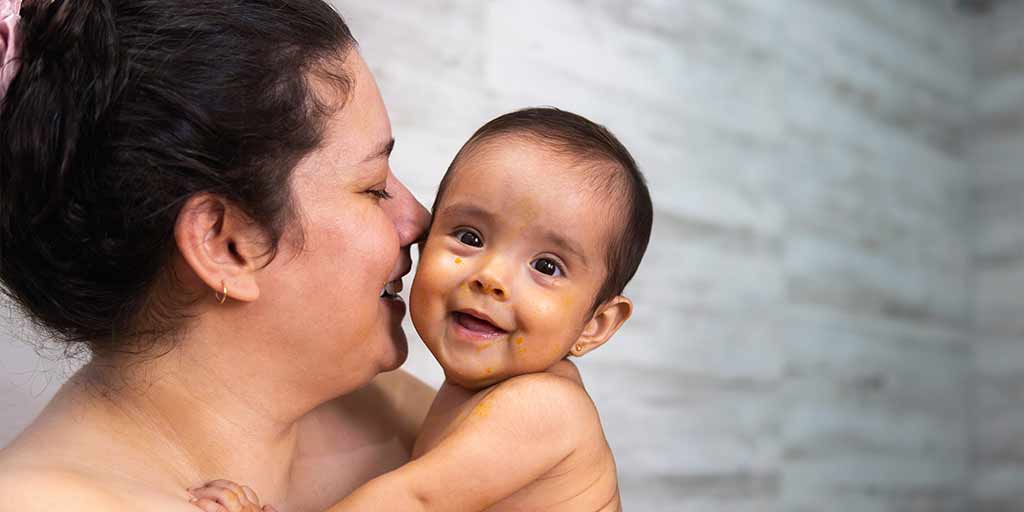
Kangaroo Mother Care (KMC) is a simple method of caring for newborns via skin to skin contact between the baby and the mother. The name comes from the way kangaroos carry their young close to their bodies, offering constant warmth and protection. KMC is particularly beneficial for babies who are born premature or underweight, as it helps keep them warm, supports feeding, and builds a strong emotional bond. Over time, this approach has become an important part of newborn care in hospitals and at home, as it can make a real difference in a baby’s early growth and comfort. To give you an overview, in this article, we’ll look at what Kangaroo mother care involves, how it is practiced, its benefits, and answer common questions parents may have.
Early and continuous Kangaroo Mother Care is recommended by the World Health Organisation for stable preterm and low birth weight infants. In clinical practice, KMC has been shown to significantly improve outcomes in preterm and low birth weight babies when done correctly and consistently.
What is Kangaroo Mother Care?
Kangaroo Mother Care is a method of caring for newborns that focuses on keeping the baby in direct skin-to-skin contact against a parent’s chest. The baby is placed upright, usually against the mother’s chest, and covered with a cloth or blanket to maintain warmth and comfort.
KMC is mainly recommended for babies born preterm or with low birth weight, particularly those who are clinically stable, as it helps regulate body temperature, supports feeding, and encourages early bonding. It also includes frequent breastfeeding and close attention to the baby’s overall well-being.
When is Kangaroo Mother Care Recommended?
Kangaroo mother care is usually recommended in situations where a newborn needs added support to stay stable and grow well in the early days after birth. It is most commonly advised for babies who are born too soon or have a lower than expected birth weight, as these babies often find it harder to maintain body temperature and feed effectively on their own.
It is recommended once the baby is clinically stable (normal breathing, heart rate and temperature) but still requires supportive care. In such cases, this method becomes a part of routine care to help the baby adjust outside the womb in a controlled and natural way.
What are the Benefits of Kangaroo Mother Care?
Kangaroo Mother Care supports both the baby and the parent in several important ways, including:
- Better temperature control: Skin-to-skin contact helps keep the baby warm in a natural way, which is especially important for babies who cannot maintain their body temperature well.
- Improved weight gain: Regular contact and easier access to feeding support steady growth, particularly in babies born with low birth weight.
- More stable heart rate and breathing: Close contact helps the baby settle into a more regular pattern of breathing and heartbeat.
- Lower risk of infections: Keeping the baby close reduces unnecessary handling and exposure, which can help lower the chances of infections in the early days.
- Improved breastfeeding: Being close to the parent encourages early feeding cues, making it easier to start and continue breastfeeding.
- Better sleep patterns: The warmth and sense of security help the baby stay calm, leading to longer and more restful sleep.
- Stronger emotional bonding: Continuous closeness helps build a deep connection between the baby and the parent.
- Increased parental confidence: Regular involvement in the baby’s care helps parents feel more comfortable and confident in handling and responding to the baby’s needs.
- Kangaroo Mother Care has also been associated with reduced neonatal mortality and improved long term developmental outcomes.
What are the Techniques of Performing Kangaroo Mother Care?
Kangaroo mother care can be practised in different ways depending on the baby’s condition, the setting, and the caregiver’s comfort. Correct positioning is essential in all methods to ensure airway safety and effective temperature regulation. These techniques mainly differ in duration and how consistently the baby is kept in skin-to-skin contact:
Continuous Kangaroo Mother Care
In this method, the baby is kept in skin-to-skin contact for most of the day and night, with very short breaks only when needed. It is usually recommended for clinically stable preterm or low birth weight babies, especially in hospital settings. Continuous care helps maintain a steady environment for the baby.
Intermittent Kangaroo Mother Care
This approach involves practising kangaroo mother care for shorter periods during the day, with breaks in between. It is often used when continuous care is not possible due to medical reasons, caregiver fatigue, or other responsibilities. Even shorter sessions can still be helpful when done regularly.
Hospital-Based Kangaroo Mother Care
This technique is practised under medical supervision, usually in neonatal units. Healthcare providers guide parents on correct positioning, duration, and safety. It is often started once the baby is stable enough for skin-to-skin contact.
Home-Based Kangaroo Mother Care
Once the baby is discharged, kangaroo mother care can be continued at home. The focus here is on maintaining regular skin-to-skin contact, ensuring proper positioning, and creating a safe and comfortable environment.
Can Fathers or Other Caregivers Provide Kangaroo Care?
Kangaroo mother care is not limited to mothers. Fathers and other caregivers can also provide the same skin-to-skin contact, as the method depends on physical closeness and proper positioning rather than who is providing the care. This is often referred to as “KANGAROO CARE” when provided by caregivers other than the mother.
In many cases, involving fathers can be especially helpful. It allows the baby to continue receiving consistent care when the mother needs rest or is recovering after delivery. This shared approach also helps build a strong emotional connection between the baby and other family members from the early days.
For other caregivers, such as grandparents, kangaroo mother care can be practised if they are in good health and able to follow the correct technique. Hygiene, proper positioning, and close monitoring of the baby remain important regardless of who is providing the care.
Kangaroo Mother Care in Hospitals vs at Home: What is the Difference?
Kangaroo mother care can be practised both in hospitals and at home, but the setting influences how it is carried out and supported.
In Hospitals
Kangaroo mother care is usually started under medical supervision once the baby is stable. Healthcare providers guide parents on correct positioning, duration, and safety. The baby’s vital signs, feeding patterns, and overall condition are monitored closely. This setting is especially important for preterm or low birth weight babies who may still need medical support alongside skin-to-skin contact.
At Home
Kangaroo mother care becomes part of the baby’s daily routine after discharge. Parents take the lead in continuing regular skin-to-skin contact, maintaining proper positioning, and ensuring the baby stays warm and comfortable. The focus shifts from medical monitoring to consistency and comfort, with parents observing feeding, sleep, and general well-being.
The main difference lies in the level of supervision and support. Hospitals provide structured guidance and continuous monitoring, whereas at home, the emphasis is on maintaining the practice in a safe and familiar environment.
Follow-up visits and regular weight monitoring are important when continuing KMC at home.
Are there any Precautions to Keep in Mind?
Kangaroo mother care is a safe and simple method, but a few precautions are important to ensure the baby’s safety and comfort at all times:
- Ensure a clear airway: Keep the baby’s head turned to one side and slightly tilted back so that breathing remains unobstructed. The chin should not fall forward onto the chest.
- Maintain proper positioning: The baby should be upright against the chest, with the neck straight and the body well-supported to prevent slipping.
- Check the baby’s temperature: The baby should feel warm, not too hot or cold. Overcovering should be avoided, especially in warm environments.
- Follow good hygiene practices: Clean hands, fresh clothing, and a clean wrap or cloth help reduce the risk of infections.
- Avoid loose or unsafe support: The cloth or binder used to hold the baby should be secure but not too tight, ensuring that breathing is not restricted.
- Stay alert to the baby’s condition: Watch for signs such as difficulty in breathing, unusual sleepiness, poor feeding, or changes in skin colour. Medical advice should be sought if any of these are noticed.
- Take breaks when needed: The caregiver should be in a comfortable position. If there is fatigue or discomfort, short breaks can be taken safely.
- Avoid practicing KMC when the caregiver is unwell or extremely tired.
Consult a Specialist at Graphic Era Hospital
Kangaroo Mother Care is one of the simplest yet most effective interventions you can do for your newborn. No special equipment, no complicated steps, just your warmth and presence. Whether you are an expecting parent preparing for what lies ahead or already navigating those early days with your baby, stay consistent, trust the process, and do not hesitate to seek guidance from your doctor or nurse if you have any questions along the way. If you are looking for expert guidance and support, the neonatal specialists at Graphic Era Hospital are here to help. From your pregnancy through every milestone in your baby’s early weeks, our team is equipped to provide the care, monitoring, and advice you need to feel confident as a parent. Reach out to us today by calling at 1800 889 7351 to book a consultation with one of our neonatal specialists.
Frequently Asked Questions
Can kangaroo mother care be started immediately after birth?
It can begin soon after birth if the baby is stable and there are no medical concerns that require immediate intervention. In some cases, healthcare providers may advise waiting until the baby is ready for safe skin-to-skin contact.
Is kangaroo mother care safe after a caesarean delivery?
Yes, it can be practised after a caesarean birth, but support may be needed to ensure the mother is comfortable and the baby is positioned safely without putting pressure on the surgical site.
What should the baby wear during kangaroo mother care?
The baby usually wears only a diaper or nappy to allow proper skin-to-skin contact. Additional layers such as a cap or socks may be added if needed to maintain warmth.
Can kangaroo mother care be done during sleep?
It can be continued when the caregiver is awake and in a safe, supported position. It is not recommended to practise it during deep sleep or in positions where the baby’s airway cannot be closely monitored.
How can parents tell if the baby is comfortable during kangaroo mother care?
A comfortable baby usually appears relaxed, with steady breathing, normal skin colour, and regular feeding patterns. Signs such as fussiness, difficulty breathing, or unusual posture may need attention.
Is kangaroo mother care suitable in warmer weather?
Yes, it can be practised in warm climates as well, but extra care should be taken to avoid overheating by using light covering and ensuring a well-ventilated environment.
What if the baby does not seem to settle during kangaroo mother care?
Some babies may take time to adjust to skin-to-skin contact. Checking positioning, ensuring the baby is not hungry or uncomfortable, and allowing gradual, shorter sessions can help the baby adapt.
How long should kangaroo mother care be practised in a day?
There is no fixed duration, but longer and more frequent sessions are generally encouraged. It can be practised for a few hours at a time or spread across the day, depending on comfort, with consistency being more important than exact timing.
When should KMC be avoided?
It should be avoided in babies who are clinically unstable (such as those requiring high respiratory support or with poor circulation) until advised safe by your doctor. Caregivers who are unwell or are unable to maintain a safe position should also avoid practising it temporarily.


















 Emergency 24×7 : 1800 889 7351