
Is It IBS or Something Else? Signs You Need a Gastroenterologist Now
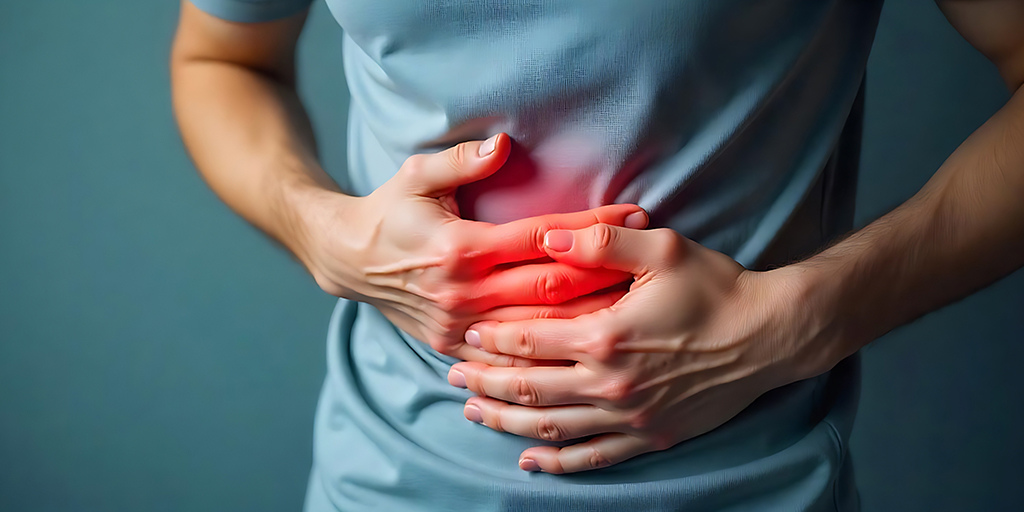
IBS at a Glance:
- What it is: IBS is a functional disorder of gut–brain interaction, characterised by recurrent abdominal pain and altered bowel habits. It affects how the gut functions, not its structure.
- Key Symptoms: Abdominal cramping, bloating, diarrhoea, constipation, or an alternation between the two, along with an urgent and sometimes unpredictable need to use the bathroom.
- The Critical Point: IBS is a diagnosis of exclusion. There is no single test that confirms it. A gastroenterologist must first rule out other conditions that can present similarly but carry very different implications.
- Act on it: If your gut symptoms are new, worsening, or accompanied by warning signs such as blood in the stool, unexplained weight loss, or fever, consult a gastroenterologist promptly. Avoid self-diagnosis.
Your Gut is Trying to Tell You Something
Digestive symptoms are easy to dismiss. A little bloating after meals. Occasional cramping. Irregular bowel habits that come and go. Common enough to ignore. Familiar enough to normalise.
But in India, these everyday symptoms have become a pattern, and a problem. Gut-related complaints are among the most frequent reasons for medical consultation, yet they are also among the most commonly misinterpreted. Many people label their symptoms as IBS, attribute them to stress or food habits, and spend years managing discomfort with antacids, home remedies, and restrictive diets that provide only temporary relief.
The issue is not that IBS is overdiagnosed, it is that it is often assumed. IBS is real and widespread, but it is also a diagnosis that should only be made after careful evaluation. Several conditions that are structurally damaging, progressive, and in some cases life-threatening can present with the same symptoms in their early stages. Inflammatory bowel disease, coeliac disease, colorectal cancer, gut infections, and small intestinal bacterial overgrowth can all look like IBS at first glance. They are not IBS. And treating them as such delays the care that matters.
This is why the question, is it IBS or something else?, is not optional. It is the starting point of responsible diagnosis.
At Graphic Era Hospital, the Department of Gastroenterology, Hepatology, and Advanced Endoscopy in Dehradun is equipped to answer this question with precision, using diagnostic pathways that go beyond symptom-based assumptions.
What is IBS? Understanding the Condition Properly
IBS, or irritable bowel syndrome, is classified as a disorder of gut-brain interaction. That phrase is worth unpacking, because it explains a great deal about why IBS behaves the way it does and why it is so difficult to pin down.
The gut and the brain communicate constantly through a network of nerves, hormones, and chemical signals. In people with IBS, this communication is disrupted. The gut becomes hypersensitive, reacting disproportionately to normal stimuli, such as a large meal, a stressful day, a hormonal shift, producing pain, cramping, and altered bowel function that are entirely real, even though no structural damage is visible on a scan or scope. This is what distinguishes IBS from conditions like IBD or colorectal cancer: IBS changes how the gut functions, not how it looks.
Gastroenterologists classify IBS into three subtypes based on the predominant bowel pattern:
- IBS-C (Constipation-predominant): Hard, infrequent stools and significant bloating are the dominant features.
- IBS-D (Diarrhoea-predominant): Loose, urgent stools, often multiple times a day, frequently triggered by meals or stress.
- IBS-M (Mixed): An alternating pattern of constipation and diarrhoea, often the most difficult to manage.
Subtype is not fixed. Research shows that up to 75% of IBS patients change subtypes within a year, which is one of the reasons self-management without a formal diagnosis is so unreliable.
The single most important thing to understand about IBS is this: there is no blood test, stool test, or imaging scan that confirms it. A gastroenterologist diagnoses IBS by establishing that symptoms meet specific clinical criteria and by ruling out every other condition that could explain those symptoms. This is not a limitation of medicine. It is the correct process. And it is the process most people skip when they self-diagnose.
What Does IBS Actually Feel Like?
IBS presents differently from person to person, and symptoms often fluctuate over time. What tends to remain consistent is the pattern – symptoms that come and go, are triggered or worsened by specific factors, and follow a recurring cycle rather than a steady, progressive decline.
When assessing a suspected IBS presentation, gastroenterologists look for a cluster of characteristic symptoms, including:
- Abdominal pain and cramping: Typically felt in the lower abdomen and often relieved, at least partially, after a bowel movement. This link between pain and defecation is one of the key features that helps distinguish IBS from other gut disorders.
- Bloating and distension: A sensation of fullness or swelling, often worse after meals or later in the day. In some cases, the distension is visibly noticeable.
- Altered bowel habits: This may include chronic diarrhoea, persistent constipation, or an alternation between the two without a fixed pattern.
- Mucus in the stool: Common in IBS and, while it may appear concerning, is not in itself a warning sign.
- Urgency: A sudden, sometimes difficult-to-control need to use the bathroom, which can interfere with daily routines and social confidence.
Symptoms are often influenced by identifiable triggers. These may include certain foods (particularly high-fat or high-fibre meals), stress and anxiety, hormonal changes, especially around the menstrual cycle, and poor or disrupted sleep. The gut–brain connection plays a central role, meaning emotional and psychological states can directly affect gut function, and vice versa.
Good to Know: IBS symptoms are real. The absence of visible structural damage does not make the condition any less significant. People with IBS experience genuine discomfort, disruption to daily life, and a meaningful impact on overall well-being. It requires proper clinical attention, not dismissal.
What Else Could it Be? Conditions That Mimic IBS
This is where the stakes become clear. The following conditions share symptoms with IBS but are structurally and clinically distinct. Each requires different treatment, and each carries consequences if missed.
| Condition | Shared Symptoms with IBS | Key Distinguishing Features |
| Inflammatory Bowel Disease (IBD): Crohn’s disease and ulcerative colitis | Abdominal pain, diarrhoea, bloating | Causes visible inflammation and structural damage. Blood in stool, fever, and weight loss are common. Does not remit with stress management. |
| Coeliac disease | Bloating, diarrhoea, abdominal discomfort | Triggered specifically by gluten. Associated with anaemia, fatigue, and nutrient malabsorption. Confirmed by blood test and biopsy. |
| Colorectal cancer | Altered bowel habits, abdominal pain, bloating | Progressive worsening rather than flares. Blood in stool, unexplained weight loss, and new symptoms after 45 are critical warning signs. |
| Gut infections and parasites | Diarrhoea, cramping, bloating, urgency | Common and underdiagnosed in India. Giardiasis, amoebic infection, and post-infectious IBS all present similarly. Confirmed by stool testing. |
| SIBO (Small Intestinal Bacterial Overgrowth) | Bloating, diarrhoea, abdominal discomfort after meals | Caused by bacterial imbalance in the small intestine. Particularly common in people following high-carbohydrate Indian diets or those with prior gut surgery. Diagnosed by breath test. |
| Lactose intolerance | Bloating, diarrhoea, cramping after dairy | Symptoms appear specifically after consuming dairy. Far more prevalent in India than commonly recognised and frequently misattributed to IBS. |
| Thyroid disorders | Altered bowel motility, constipation or diarrhoea | Hypothyroidism slows gut movement; hyperthyroidism accelerates it. Confirmed with a simple blood test. |
The India-specific context matters here. Gut infections and parasitic infestations are endemic in many parts of the country due to variable water and food hygiene standards. SIBO is increasingly recognised as a condition that thrives on the high-carbohydrate, fermentable-food-heavy patterns common in Indian diets. Lactose intolerance affects the majority of South Asian adults and is rarely formally diagnosed. Each of these mimics IBS closely enough that without targeted investigation, the wrong label sticks.
Warning Signs That Should Not Be Attributed to IBS
IBS does not cause the following symptoms. If they occur alongside gut-related complaints, they warrant prompt medical evaluation and should not be ignored or attributed to IBS.
- Blood in the stool or black, tarry stools: Bleeding from the upper or lower gastrointestinal tract always requires prompt investigation, regardless of other symptoms.
- Unexplained weight loss: Losing weight without trying, especially alongside gut symptoms, is a significant warning sign that needs urgent assessment.
- Fever with gut symptoms: IBS is not an inflammatory condition. The presence of fever suggests infection, an IBD flare, or another underlying process.
- Anaemia or persistent fatigue: May indicate chronic blood loss or nutrient malabsorption, as seen in conditions such as coeliac disease or IBD.
- Nocturnal symptoms: Waking from sleep with abdominal pain or diarrhoea is not typical of IBS and points more strongly towards an organic cause.
- New-onset symptoms after age 45–50: Gut symptoms beginning in this age group require evaluation, including colonoscopy, before considering a functional diagnosis.
- Family history of colorectal cancer or IBD: Significantly increases personal risk and influences the need for further investigation.
- Progressive worsening of symptoms: IBS usually follows a pattern of flare-ups and relief. Symptoms that steadily worsen without respite suggest an alternative diagnosis.
Note: The presence of these signs does not necessarily indicate a serious condition. However, it does mean that IBS cannot be assumed until other causes have been carefully evaluated and excluded. This assessment requires consultation with a gastroenterologist.
How is IBS Diagnosed?
Because no single test confirms IBS, diagnosis is a structured process of exclusion. Gastroenterologists combine symptom-based criteria with targeted investigations to arrive at a diagnosis that is both accurate and safe.
The clinical standard used is the Rome IV criteria, a globally recognised framework. It defines IBS as recurrent abdominal pain occurring at least one day per week over the past three months, associated with two or more of the following:
- Pain related to defecation
- A change in stool frequency
- A change in stool form
In addition, symptoms should have begun at least six months prior to diagnosis.
However, meeting the Rome IV criteria alone is not enough. Before confirming IBS, a gastroenterologist must ensure that other conditions with similar symptoms are carefully ruled out.
This is where targeted investigations play a critical role. Commonly recommended tests include:
- Blood tests: A full blood count to check for anaemia, along with CRP and ESR to assess inflammation. Thyroid function tests and coeliac antibodies are also evaluated where relevant.
- Stool tests: Faecal calprotectin helps distinguish IBS from inflammatory bowel disease (IBD). Stool cultures and parasite screening are used to identify infections, particularly important in the Indian context.
- Colonoscopy: Recommended for individuals over 45, those with warning signs, or a family history of colorectal cancer or IBD. It allows direct visualisation of the colon and enables biopsy when required.
- Breath testing: Used to evaluate conditions such as small intestinal bacterial overgrowth (SIBO) and lactose intolerance when clinically indicated.
At Graphic Era Hospital, the Department of Gastroenterology and Advanced Endoscopy offers the full spectrum of these investigations under one roof, starting from blood and stool analysis to colonoscopy with biopsy capability. This ensures a thorough, efficient diagnostic process guided by specialists familiar with the nuances of gut health in the Indian population.
Managing IBS: What Actually Works
Once IBS is confirmed, after other conditions have been excluded, management focuses on reducing symptom frequency, managing triggers, and improving quality of life. There is no single cure, but the condition responds well to a combination of the approaches below.
Diet and the Low-FODMAP Approach
The most evidence-based dietary intervention for IBS is the low-FODMAP diet, which reduces fermentable carbohydrates that trigger gas, bloating, and altered motility. Foods high in FODMAPs, such as onions, garlic, certain pulses, lactose, and specific fruits, are temporarily eliminated and then reintroduced systematically to identify individual triggers. This approach should ideally be supervised by a dietitian, as unsupervised elimination diets risk nutritional gaps.
Common foods to avoid or reduce in IBS include raw onion and garlic, lactose-containing dairy, wheat in large quantities, carbonated drinks, and high-fat fried food.
Stress and Anxiety Management
Given the gut-brain connection at the heart of IBS, addressing psychological health is not optional – it is part of treatment. Cognitive behavioural therapy has a robust evidence base in IBS management. Regular physical activity, structured sleep, and stress reduction techniques all meaningfully reduce symptom burden. If anxiety or depression is a concurrent diagnosis, treating it often improves gut symptoms significantly.
Medications
Medication is tailored to the IBS subtype. Antispasmodics such as mebeverine or hyoscine reduce cramping. Laxatives and dietary fibre supplementation manage IBS-C. Antidiarrhoeals such as loperamide manage IBS-D flares. Low-dose antidepressants are used in some cases for their effect on gut nerve sensitivity, independent of their psychiatric action. A gastroenterologist determines the appropriate regimen based on the individual presentation.
Probiotics
Certain probiotic strains show benefit in reducing bloating, flatulence, and overall symptom severity in IBS. Evidence is growing, though strain-specific guidance is important – not all probiotics are equally effective for all IBS presentations.
Note: Self-medicating on an assumed IBS diagnosis delays the identification of what is actually wrong. Antispasmodics do not treat IBD. Avoiding gluten informally does not diagnose or manage coeliac disease. A confirmed diagnosis from a gastroenterologist is the foundation that makes any management plan meaningful.
Signs You Need a Gastroenterologist Now
Some symptoms should not be observed, managed at home, or explained away. If any of the following apply, it is time to consult a gastroenterologist without delay:
- Your gut symptoms have persisted for more than three months without a clear, confirmed diagnosis.
- Any warning sign from the earlier section is present, including blood in the stool, unexplained weight loss, fever, anaemia, or nocturnal symptoms.
- Symptoms are worsening despite dietary changes and lifestyle adjustments.
- Over-the-counter remedies provide only temporary or inconsistent relief.
- You are over 45 and experiencing new-onset gut symptoms for the first time.
- Your symptoms are significantly affecting your work, sleep, social life, or mental well-being.
- You have self-diagnosed with IBS but have never undergone a formal evaluation to rule out other conditions.
Tip: You do not need a referral to consult a gastroenterologist. Waiting for symptoms to become severe is not a strategy. Many conditions that closely mimic IBS respond best when identified and treated early.
The Right Question is Not “Do I Have IBS?” It is “Has Everything Else Been Ruled Out?”
IBS is a real, manageable condition. People live well with it when it is properly diagnosed, properly treated, and properly supported. What it is not is a convenient label for any gut problem that has not been investigated thoroughly.
If you have been living with bloating, altered bowel habits, and abdominal discomfort and attributing it to stress, diet, or a sensitive stomach, you are not necessarily wrong. You may well have IBS. But you will not know that with confidence until a gastroenterologist has looked at the full picture, run the appropriate tests, and confirmed that nothing more serious is at play.
That process is not complicated. It is not frightening. It is simply the correct starting point for anyone whose gut has been asking for attention.
At Graphic Era Hospital’s Gastroenterology, Hepatology, and Advanced Endoscopy department, our specialists offer precisely that: a thorough, structured evaluation that starts with the right question and does not stop until it has a reliable answer. To book an appointment, simply call 1800 889 7351.
Frequently Asked Questions
Can IBS turn into something more serious like IBD or cancer?
IBS does not progress into IBD or colorectal cancer. They are separate conditions with different mechanisms. However, misdiagnosis may occur and early IBD or other conditions may initially be labelled as IBS. A properly evaluated IBS diagnosis does not carry an increased risk of progression.
Is IBS more common in women?
Yes. IBS is diagnosed nearly twice as often in women, particularly IBS-C. Hormonal fluctuations, especially around the menstrual cycle, can trigger symptom flares, which is why symptoms often vary over time and require personalised management.
Can a gut infection lead to IBS?
Yes. Post-infectious IBS can develop after an episode of gastroenteritis. While the infection resolves, the gut may remain hypersensitive for months or years. This is relatively common in India. If symptoms began after food poisoning or traveller’s diarrhoea, it is important to mention this during evaluation.
Is the low-FODMAP diet safe to follow without a dietitian?
It can be followed independently, but unsupervised use carries risks. The elimination phase is restrictive, and without proper reintroduction, it may lead to unnecessary long-term dietary limitations and potential deficiencies. Supervision by a dietitian, ideally alongside a gastroenterologist, makes it safer and more effective.
My colonoscopy came back normal. Does that mean I definitely have IBS?
No. A normal colonoscopy rules out conditions such as colorectal cancer and IBD, but it does not confirm IBS. Other conditions, such as coeliac disease, SIBO, lactose intolerance, thyroid disorders, and infections, require separate tests. IBS should only be diagnosed after a complete and structured evaluation.
















 Emergency 24×7 : 1800 889 7351